पूर्वावलोकन देखेंपूर्वावलोकन देखें AR में देखेंAR में देखें हाथ से बनी पेंटिंग खरीदें हाथ से बनी पेंटिंग खरीदेंडिजिटल इमेज पर स्विच करें डिजिटल इमेज पर स्विच करें साझा करेंसाझा करें
विस्तृत विवरणविस्तृत विवरण पसंदीदा में जोड़ें पसंदीदा में जोड़ें डाउनलोड करेंडाउनलोड करें समान कलाकृतियाँसमान कलाकृतियाँ एक्स-रेएक्स-रे स्लाइड शो देखेंस्लाइड शो देखें आंकड़ेआंकड़े

Woman

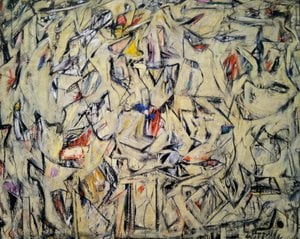
Experience the visceral energy of Willem de Kooning's 'Woman,' a captivating abstract expressionist painting from 1944 featuring vibrant pink hues against a textured yellow backdrop.

रोटरडैम नीदरलैंड्स विलेम डी कुनिंग डी कुनिंग विलेम डी कुनिंग, अमूर्त अभिव्यक्तिवाद के अग्रणी कलाकार! अपनी 'महिला' श्रृंखला और बोल्ड ब्रशवर्क से पहचाने जाने वाले उनके गतिशील चित्रों को जानें। न्यूयॉर्क स्कूल पर उनका गहरा प्रभाव! अमूर्त अभिव्यक्तिवाद न्यूयॉर्क स्कूल आर्शील गोर्की 24 अप्रैल, 1904 19 मार्च, 1997 विलेम डी कुनिंग डच-अमेरिकी महिला I संयुक्त राज्य अमेरिका 3 विलेम डी कुनिंग

गिक्ली / आर्ट प्रिंट

तेज़ उत्पादन और विभिन्न फिनिश विकल्पों के साथ म्यूजियम-क्वालिटी गिकली (giclée) या कैनवस प्रिंट। (हाथ से बनी पेंटिंग खरीदें हाथ से बनी पेंटिंग खरीदेंडिजिटल इमेज पर स्विच करें डिजिटल इमेज पर स्विच करें)

P118B $10
P118H $10
P118W $10
P438Z $10
P508JH $12
P508YH $12
P805H $10
P805Z $10
P919BZ $10
P919G $10
P919XJ $10
P959ZH $10
P968JZ $12
W106C $8
W218G $10
W218JH $8
W218Y $10
W307PJ $10
W316G $10
W316PJ $8
W316Y $10
W398PJ $8
W4111J $10
W500HY $15
W500JH $15
W692G $12
W849H $8
W940BG $15
W953PJ $8

मानक
कस्टम
CM
INCH

कलाकृति के मूल अनुपात से मेल खाने वाले हमारे पूर्व निर्धारित आकारों में से चुनें।

चौड़ाई
ऊँचाई

आप किसी विशिष्ट फ्रेम या स्थान के अनुसार अपने स्वयं के आयाम (dimensions) दर्ज कर सकते हैं। यदि आपके द्वारा चुना गया आकार मूल छवि के अनुपात से मेल नहीं खाता है, तो हम कलाकृति को क्रॉप कर देंगे या मिरर किए गए या सॉलिड-फिल किनारे के साथ छवि का विस्तार करेंगे। उत्पादन शुरू होने से पहले आपकी स्वीकृति के लिए एक डिजिटल मॉकअप भेजा जाएगा।
कृपया ध्यान दें कि स्क्रीन पर दिखने वाला प्रीव्यू वास्तविक क्रॉपिंग या विस्तार को नहीं दर्शाता है। केवल मॉकअप ही अंतिम संरचना को सटीक रूप से दिखाएगा।
हालाँकि कस्टम आकार उपलब्ध हैं, फिर भी हम मूल अनुपात बनाए रखने के लिए पूर्व-निर्धारित सूची में से एक आयाम चुनने की सलाह देते हैं।

विश्वव्यापी डिलीवरी (), मानक 4/5 सप्ताह के बजाय मात्र 2 सप्ताह में। (9 सितमबर)

why_choose_icon
दुनिया भर में मुफ़्त एक्सप्रेस शिपिंग
why_choose_icon
उच्च गुणवत्ता वाला लिनेन कैनवास
why_choose_icon
पूर्ण शिपिंग बीमा
why_choose_icon
सीमा शुल्क और आयात कर वापसी की गारंटी
why_choose_icon
सटीक रंग मिलान की गारंटी
why_choose_icon
100-दिन की वापसी नीति (केवल दोषपूर्ण होने पर)
why_choose_icon
100% पैसे वापसी की गारंटी
why_choose_icon
थोक छूट का लाभ

कुल कीमत

$ 68

reproduction

Woman

गिक्ली / आर्ट प्रिंट

प्रतिकृति का आकार

-

कुल देय राशि

$ 68

प्रमुख विशेषताएँ

  • Movement: Abstract Expressionism
  • Artistic style: Expressionist
  • Influences: European Surrealism
  • Location: Private Collection
  • Subject or theme: Female Figure
  • Notable elements or techniques: Gestural brushstrokes
  • Year: 1944

कला प्रश्नोत्तरी

प्रत्येक प्रश्न का केवल एक ही सही उत्तर है।

प्रश्न 1:
What artistic movement is Willem de Kooning’s ‘Woman’ considered to be?
प्रश्न 2:
In what year was ‘Woman’ created?
प्रश्न 3:
What is the predominant color palette used in this painting?
प्रश्न 4:
De Kooning’s style is characterized by:
प्रश्न 5:
What biographical detail influenced Willem de Kooning's artistic approach?

A Portrait of Raw Emotion: Willem de Kooning’s “Woman”

The painting "Woman," executed by Willem de Kooning in 1944, stands as an arresting testament to the fervor and vulnerability characteristic of Abstract Expressionism. More than just a depiction of a female nude—though undeniably present—it's a visceral exploration of psychological turmoil rendered with audacious brushstrokes and vibrant color palettes. This artwork transcends mere representation; it invites contemplation on themes of femininity, struggle, and the complexities of human experience.

Style and Technique: Embracing Chaos

De Kooning’s approach to painting was deliberately antithetical to the prevailing artistic conventions of his time. Rejecting illusionistic realism, he embraced a technique that prioritized gesture and improvisation—a cornerstone of Abstract Expressionism—over meticulous detail. Thick impasto layers of paint dominate the canvas, creating a textured surface that pulsates with energy. The artist employed a palette knife extensively, applying paint in sweeping arcs and aggressive jabs, resulting in marks that appear almost violent yet simultaneously imbued with an unsettling beauty. This technique wasn’t merely about visual impact; it served as a conduit for channeling emotion onto the canvas, mirroring the turbulent inner landscape of the artist himself.

Historical Context: The Crucible of WWII

“Woman” emerged during the Second World War, a period marked by profound anxiety and uncertainty across Europe. De Kooning's artistic output reflects this pervasive atmosphere of dread and disillusionment. While biographical details surrounding his personal life remain somewhat elusive—particularly concerning his relationship with Lucille Marx, whom he married in 1945—the painting’s emotional intensity undoubtedly stems from a broader cultural preoccupation with confronting darkness and grappling with existential questions. The artwork can be interpreted as a response to the horrors unfolding globally, capturing not just physical appearance but also the psychological scars of trauma.

Symbolism: Layers of Interpretation

The symbolism embedded within “Woman” is deliberately ambiguous, encouraging viewers to engage in active interpretation. The nude figure itself has been viewed as representing both vulnerability and defiance—a woman confronting her own fears and asserting her presence despite societal pressures. Critics have noted similarities between the painting’s composition and Picasso's "Guernica," suggesting a shared preoccupation with depicting suffering and conveying moral outrage. Furthermore, the fragmented brushstrokes contribute to an overarching sense of instability and fragmentation, mirroring the psychological state of the artist during this tumultuous era. The pink background isn’t merely decorative; it symbolizes passion and desire, juxtaposed against the starkness of the nude form.

Emotional Impact: A Window into the Artist's Soul

Ultimately, “Woman” succeeds in conveying a profound emotional resonance that continues to captivate audiences decades after its creation. It’s not an artwork designed for passive admiration but rather one that demands engagement—a confrontation with uncomfortable truths about human emotion and resilience. The painting’s unsettling beauty resides precisely in its refusal to offer easy answers or comforting illusions. Instead, it presents a raw depiction of psychological struggle, inviting viewers to contemplate the complexities of femininity and the enduring power of artistic expression. It remains a powerful reminder that art can serve as both a reflection of our inner selves and a catalyst for confronting the anxieties of our time.

कलाकार का जीवन परिचय

विलियम डी कुनिंग: अमूर्त अभिव्यक्तिवाद के एक पथप्रदर्शक

विलियम डी कुनिंग, जिनका जन्म 1904 में रॉटरडैम, नीदरलैंड्स में हुआ था, 20वीं सदी के सबसे प्रभावशाली अमेरिकी कलाकारों में से एक थे। उनका नाम अमूर्त अभिव्यक्तिवाद (Abstract Expressionism) के साथ अटूट रूप से जुड़ा हुआ है, जो युद्ध के बाद की कला का एक क्रांतिकारी आंदोलन था जिसने न्यूयॉर्क शहर को कलात्मक केंद्र के रूप में स्थापित करने में महत्वपूर्ण भूमिका निभाई। कुनिंग का जीवन एक निरंतर खोज और परिवर्तन की यात्रा थी, जो नीदरलैंड्स के अपने विनम्र मूल से लेकर न्यूयॉर्क शहर की जीवंत ऊर्जा तक फैली हुई थी, जहाँ उन्होंने अपनी अनूठी कलात्मक भाषा विकसित की। उनके शुरुआती वर्षों को पारिवारिक विघटन और औपचारिक शिक्षा की कमी ने चिह्नित किया था, लेकिन इन चुनौतियों ने उन्हें पारंपरिक सीमाओं को तोड़ने और अपनी रचनात्मकता को स्वतंत्र रूप से व्यक्त करने के लिए प्रेरित किया। वाणिज्यिक कला में एक प्रशिक्षुता ने उन्हें तकनीकी कौशल प्रदान किया, जबकि शाम की कक्षाओं ने उनकी कलात्मक नींव को मजबूत किया। 1926 में अमेरिका का साहसिक कदम उनके जीवन का एक निर्णायक क्षण था, जहाँ उन्होंने एक नई दुनिया और असीम संभावनाएं पाईं।

शहरी दृश्यों से अमूर्त क्रोध तक: कलात्मक विकास

कनिंग के शुरुआती चित्रों में न्यूयॉर्क शहर के शहरी परिदृश्य और लोगों को दर्शाया गया है, जो उस समय की गतिशील ऊर्जा को पकड़ते हैं। हालाँकि, ये चित्र केवल प्रारंभिक चरण थे, जो उन्हें अधिक गहन भावनात्मक और रूप-रचनात्मक खोजों की ओर ले गए। आर्शिल गॉर्की (Arshile Gorky) से उनका संबंध परिवर्तनकारी साबित हुआ, जिसने उन्हें अमूर्तता के साथ प्रयोग करने के लिए प्रोत्साहित किया। 1930 के दशक में, उन्होंने वर्क्स प्रोग्रेस एडमिनिस्ट्रेशन (WPA) के माध्यम से सामाजिक यथार्थवाद और भित्ति चित्रों पर काम किया, जिससे उनके कौशल को निखारने का अवसर मिला, लेकिन यह भी स्पष्ट हो गया कि विशुद्ध रूप से प्रतिनिधित्व करने वाली कला की सीमाएँ क्या हैं। स्टुअर्ट डेविस (Stuart Davis) और जॉन ग्राहम (John Graham) जैसे कलाकारों के कार्यों ने उन्हें प्रेरित किया, जो अपनी सीमाओं को आगे बढ़ा रहे थे। धीरे-धीरे, उन्होंने एक अधिक अमूर्त शब्दावली विकसित की, पारंपरिक मानदंडों को चुनौती दी और कलात्मक सत्य की अथक खोज की।

"महिला" श्रृंखला: एक मील का पत्थर

द्वितीय विश्व युद्ध के बाद, कुनिंग अमूर्त अभिव्यक्तिवाद आंदोलन में एक प्रमुख व्यक्ति के रूप में उभरे। इस अवधि ने उनकी "महिला" श्रृंखला (1950-1953) को जन्म दिया, जो कला इतिहास में एक महत्वपूर्ण उपलब्धि है। ये चित्र केवल महिला आकृतियों का चित्रण नहीं हैं; वे स्त्रीत्व, कामुकता और मानव भावनाओं की जटिलताओं की गहन खोज हैं। मोटे, भारी ब्रशस्ट्रोक, खंडित रूपों और रंगों के चौंकाने वाले संयोजन से चिह्नित, "महिला" श्रृंखला ने सौंदर्य के पारंपरिक विचारों को चुनौती दी और पश्चिमी मानकों पर पुरुष यौन कल्पनाओं और चिंताओं का पता लगाया। ये चित्र विवादास्पद थे, कुछ लोगों के लिए सदमे की बात थी, लेकिन उनकी शक्ति इसी में निहित थी कि वे अनुरूपता से इनकार करते थे। कुनिंग आदर्शित छवियों को बनाने में रुचि नहीं रखते थे; उन्होंने अपने विषयों के कच्चे, अनियंत्रित सार को पकड़ने की मांग की। "महिला" श्रृंखला के अलावा, *द ग्लेज़ियर* और *खुदाई* जैसे कार्यों ने उनके गतिशील दृष्टिकोण का प्रदर्शन किया, बनावट, रंग और रचना पर महारत हासिल करने का प्रमाण दिया।

बदलते परिदृश्य और स्थायी विरासत

1960 के दशक में, कुनिंग की शैली में एक महत्वपूर्ण बदलाव आया। जबकि अमूर्तता उनकी कला के केंद्र में बनी रही, परिदृश्य तत्वों ने अधिक प्रमुख भूमिका निभाना शुरू कर दिया, अक्सर उज्ज्वल रंगों और अधिक तरल ब्रशस्ट्रोक के साथ प्रस्तुत किया गया। उन्होंने अपने जीवन भर लगातार प्रयोग करते रहे, विभिन्न तकनीकों और सामग्रियों का पता लगाया, कभी भी अपनी उपलब्धियों पर आराम करने से इनकार करते हुए। उनके बाद के कार्यों में खुद को नया रूप देने की एक उल्लेखनीय क्षमता प्रदर्शित होती है, जबकि उनकी मूल कलात्मक सिद्धांतों के प्रति सच्चे रहते हैं। विलियम डी कुनिंग का ऐतिहासिक महत्व निर्विवाद है। उन्होंने न्यूयॉर्क शहर को एक वैश्विक कला केंद्र के रूप में स्थापित करने में मदद की, यूरोपीय परंपराओं पर हावी होने की चुनौती दी और भविष्य की पीढ़ियों के कलाकारों के लिए मार्ग प्रशस्त किया। उनकी कला आज भी विस्मय और बहस पैदा करती है, जो हमें याद दिलाती है कि अमूर्तता गहन भावनात्मक सत्यों को व्यक्त करने की शक्ति रखती है। 1997 में उनका निधन हो गया, लेकिन उन्होंने एक विशाल और प्रभावशाली कार्य छोड़ दिया जो 20वीं सदी के सबसे महत्वपूर्ण अमेरिकी कलाकारों में से एक के रूप में उनकी स्थायी विरासत का प्रमाण है।उनकी छाप आज भी गूंजती है।

विलेम डी कुनिग

विलेम डी कुनिग

1904 - 1997 , नीदरलैंड

मुख्य तथ्य

  • कलात्मक शैली: अमूर्त अभिव्यक्तिवाद
  • जन्म तिथि: 24 अप्रैल 1904
  • जन्म स्थान: रोटरडैम, नीदरलैंड्स
  • पूरा नाम: विलेम डी कुनिंग
  • प्रभावित आंदोलन: ['न्यूयॉर्क स्कूल']
  • प्रभावित कलाकार:
    • आर्शिले गोर्की
    • स्टुअर्ट डेविस
    • जॉन ग्राहम
  • प्रमुख कलाकृतियाँ:
    • महिला I
    • मैरीलिन मोनरो
    • reclining मैन (जेएफके)
    • उत्खनन
  • मृत्यु तिथि: 19 मार्च 1997
  • राष्ट्रीयता: डच-अमेरिकी
विषयों, शैलियों और विशेषताओं के आधार पर व्यवस्थित कलाकृतियों का अन्वेषण करें।