पूर्वावलोकन देखें AR में प्रीव्यू देखें हाथ से बनी पेंटिंग खरीदें डिजिटल इमेज पर जाएँ भेजें
विवरण देखें मार्गदर्शिका पसंदीदा में जोड़ें डाउनलोड करें समान वस्तुएं एक्स-रे स्लाइड शो देखें आंकड़े

Sphinx

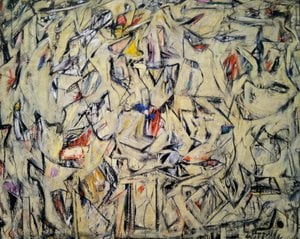
Explore Willem de Kooning’s ‘Sphinx’ – a dynamic Abstract Expressionist painting with fragmented figures & intense hues. A raw, emotive piece reflecting vulnerability and the complexities of femininity.

रोटरडैम नीदरलैंड्स विलेम डी कुनिंग डी कुनिंग विलेम डी कुनिंग, अमूर्त अभिव्यक्तिवाद के अग्रणी कलाकार! अपनी 'महिला' श्रृंखला और बोल्ड ब्रशवर्क से पहचाने जाने वाले उनके गतिशील चित्रों को जानें। न्यूयॉर्क स्कूल पर उनका गहरा प्रभाव! अमूर्त अभिव्यक्तिवाद न्यूयॉर्क स्कूल आर्शील गोर्की 24 अप्रैल, 1904 19 मार्च, 1997 विलेम डी कुनिंग डच-अमेरिकी महिला I संयुक्त राज्य अमेरिका 3 विलेम डी कुनिंग

इस पृष्ठ पर प्रदर्शित कलाकृति कॉपीराइट कानून द्वारा संरक्षित है, जिसका अर्थ है कि हम कानूनी रूप से इसकी हूबहू प्रतिलिपि बनाने या बेचने का अधिकार नहीं रखते हैं। यह संरक्षण अंतर्राष्ट्रीय समझौतों के तहत लागू किया जाता है, जैसे कि बर्न कन्वेंशन और राष्ट्रीय कानूनों द्वारा, जिनमें % द्वारा निर्धारित कानून भी शामिल हैं। अमेरिकी कॉपीराइट कानून - शीर्षक 17।

यह विधि कॉपीराइट नियमों का पूरी तरह से पालन करती है क्योंकि इसमें संरक्षित कलाकृति की नकल या प्रतिलिपि बनाना शामिल नहीं है। इसके बजाय, यह एक रचनात्मक पुनर्व्याख्या है - एक ऐसी नई पेंटिंग जो मूल कृति से प्रेरित तो है, लेकिन उसके समान नहीं है।

गिक्ली / आर्ट प्रिंट

तेज़ उत्पादन और विभिन्न फिनिश विकल्पों के साथ म्यूजियम-क्वालिटी गिकली (giclée) या कैनवस प्रिंट। ( हाथ से बनी पेंटिंग खरीदें डिजिटल इमेज पर जाएँ)

Corner sample of the P118B picture frame: मोल्डेड पॉलीस्टायरीन, 5 cm wide and 3 cm thick
P118B ₹10
Corner sample of the P118H picture frame: मोल्डेड पॉलीस्टायरीन, 5 cm wide and 3 cm thick
P118H ₹10
Corner sample of the P118W picture frame: मोल्डेड पॉलीस्टायरीन, 5 cm wide and 3 cm thick
P118W ₹10
Corner sample of the P438Z picture frame: मोल्डेड पॉलीस्टायरीन, 5.5 cm wide and 3.5 cm thick
P438Z ₹10
Corner sample of the P508JH picture frame: मोल्डेड पॉलीस्टायरीन, 7 cm wide and 3.5 cm thick
P508JH ₹12
Corner sample of the P508YH picture frame: मोल्डेड पॉलीस्टायरीन, 7 cm wide and 3.5 cm thick
P508YH ₹12
Corner sample of the P805H picture frame: मोल्डेड पॉलीस्टायरीन, 5 cm wide and 3.5 cm thick
P805H ₹10
Corner sample of the P805Z picture frame: मोल्डेड पॉलीस्टायरीन, 5 cm wide and 3.5 cm thick
P805Z ₹10
Corner sample of the P919BZ picture frame: मोल्डेड पॉलीस्टायरीन, 7 cm wide and 3.5 cm thick
P919BZ ₹10
Corner sample of the P919G picture frame: मोल्डेड पॉलीस्टायरीन, 7 cm wide and 3.5 cm thick
P919G ₹10
Corner sample of the P919XJ picture frame: मोल्डेड पॉलीस्टायरीन, 7 cm wide and 3.5 cm thick
P919XJ ₹10
Corner sample of the P959ZH picture frame: मोल्डेड पॉलीस्टायरीन, 5 cm wide and 3 cm thick
P959ZH ₹10
Corner sample of the P968JZ picture frame: मोल्डेड पॉलीस्टायरीन, 6 cm wide and 4 cm thick
P968JZ ₹12
Corner sample of the W106C picture frame: ठोस लकड़ी, 5 cm wide and 3 cm thick
W106C ₹8
Corner sample of the W218G picture frame: ठोस लकड़ी, 5 cm wide and 3 cm thick
W218G ₹10
Corner sample of the W218JH picture frame: ठोस लकड़ी, 5 cm wide and 3 cm thick
W218JH ₹8
Corner sample of the W218Y picture frame: ठोस लकड़ी, 5 cm wide and 3 cm thick
W218Y ₹10
Corner sample of the W307PJ picture frame: ठोस लकड़ी, 6 cm wide and 3 cm thick
W307PJ ₹10
Corner sample of the W316G picture frame: ठोस लकड़ी, 6 cm wide and 3 cm thick
W316G ₹10
Corner sample of the W316PJ picture frame: ठोस लकड़ी, 6 cm wide and 3 cm thick
W316PJ ₹8
Corner sample of the W316Y picture frame: ठोस लकड़ी, 6 cm wide and 3 cm thick
W316Y ₹10
Corner sample of the W398PJ picture frame: ठोस लकड़ी, 5 cm wide and 3 cm thick
W398PJ ₹8
Corner sample of the W4111J picture frame: ठोस लकड़ी, 6.5 cm wide and 3.5 cm thick
W4111J ₹10
Corner sample of the W500HY picture frame: ठोस लकड़ी, 7 cm wide and 5 cm thick
W500HY ₹15
Corner sample of the W500JH picture frame: ठोस लकड़ी, 7 cm wide and 5 cm thick
W500JH ₹15
Corner sample of the W692G picture frame: ठोस लकड़ी, 8 cm wide and 4 cm thick
W692G ₹12
Corner sample of the W849H picture frame: ठोस लकड़ी, 5 cm wide and 3 cm thick
W849H ₹8
Corner sample of the W940BG picture frame: ठोस लकड़ी, 7.5 cm wide and 4.5 cm thick
W940BG ₹15
Corner sample of the W953PJ picture frame: ठोस लकड़ी, 6 cm wide and 3.5 cm thick
W953PJ ₹8

मानक आकार
अनुकूलित
CM
INCH

कलाकृति के मूल अनुपात से मेल खाने वाले हमारे पूर्व निर्धारित आकारों में से चुनें।

चौड़ाई
ऊँचाई

अपने फ्रेम या अपनी दीवार के अनुसार आवश्यक चौड़ाई और ऊंचाई दर्ज करें। प्रिंट को केवल काटा जा सकता है, चित्र से बड़ा कभी नहीं बनाया जा सकता, इसलिए अलग आकार का साइज चित्र का एक हिस्सा खो देता है। किसी भी चीज़ को प्रिंट करने से पहले हम आपकी स्वीकृति के लिए आपको एक डिजिटल मॉकअप भेजते हैं। इस पृष्ठ पर दिखाया गया चित्र वास्तविक कटिंग नहीं दिखाता है — केवल मॉकअप ही इसे दर्शाता है।

विश्वव्यापी डिलीवरी (), मानक 4/5 सप्ताह के बजाय मात्र 2 सप्ताह में। (25 अक्टूबर)

दुनिया भर में मुफ़्त एक्सप्रेस शिपिंग
प्रीमियम ग्रेड लिनेन कैनवास
पूर्ण शिपिंग बीमा
सीमा शुल्क और आयात कर वापसी की गारंटी
सटीक रंग मिलान की गारंटी
100 दिनों की वापसी नीति (केवल निर्माण दोष होने पर)
100% पैसे वापसी की गारंटी
थोक छूट का अवसर

कुल कीमत

₹ 6520

Sphinx

गिक्ली / आर्ट प्रिंट

प्रतिकृति का आकार

-

कुल मूल्य

₹ 6520

A Visceral Encounter with the Fragmented Self: Decoding Willem de Kooning’s ‘Sphinx’

Willem de Kooning's 1964 oil painting, ‘Sphinx’, is not merely a visual experience; it’s an immersion into the turbulent currents of Abstract Expressionism and a profound exploration of the human psyche. Measuring 61 x 47 cm, this work pulsates with raw energy, its surface alive with swirling brushstrokes and intense hues of orange and yellow. To stand before ‘Sphinx’ is to confront a fragmented reality, a world where form dissolves into emotion and suggestion replaces definition. It's a painting that doesn’t offer answers but instead invites contemplation on the elusive nature of identity and the complexities of feminine representation—themes central to de Kooning’s artistic journey.

Deconstructing Representation: The Figure as Echo

At the heart of ‘Sphinx’ lies an ambiguous depiction of a female figure, though “depiction” feels inadequate given its radical abstraction. De Kooning doesn't present a portrait in the traditional sense; rather, he offers fleeting glimpses—hints of eyes, a suggestion of a mouth, perhaps the curve of a nose—all dissolving into a dynamic interplay of color and texture. This deliberate ambiguity is key to understanding the painting’s power. It isn’t about portraying a specific woman but evoking the *essence* of femininity, vulnerability, and the societal pressures often imposed upon women. This echoes throughout his famous ‘Woman’ series, where he similarly wrestled with representation and its inherent limitations. The title itself, 'Sphinx', is laden with symbolism; sphinxes are mythical guardians known for their enigmatic nature and challenging riddles. De Kooning seems to present us with a similar puzzle, an invitation to confront our own perceptions and emotions in the face of ambiguity.

The Language of Paint: Technique and Emotional Resonance

De Kooning’s technique is integral to the emotional impact of ‘Sphinx’. As a pivotal figure in Abstract Expressionism—a movement born from the anxieties and uncertainties of post-World War II America—he rejected traditional artistic conventions, prioritizing subjective experience over representational accuracy. The painting embodies this ethos through its energetic brushwork, lack of defined form, and emphasis on the physical act of painting itself. He employed a wet-on-wet application of paint, allowing colors to bleed and blend, creating a hazy, atmospheric quality that amplifies the sense of emotional turmoil. The impasto technique—the thick layering of oil paint—adds a tactile dimension, with pronounced brushstrokes and drips contributing to the work’s raw immediacy. The dominance of warm tones – oranges and yellows – isn't merely aesthetic; it contributes to an overall feeling of intensity, perhaps even anxiety, drawing the viewer into the painting’s emotional core.

A Legacy of Innovation: De Kooning in Context

Born in Rotterdam in 1904 and later immigrating to the United States, Willem de Kooning became a defining voice of American art. His journey from commercial artist to Abstract Expressionist pioneer was marked by constant experimentation and a relentless pursuit of authentic expression. ‘Sphinx’, created during a period of significant social and political change, reflects this spirit of innovation and rebellion. The painting stands as a testament to de Kooning’s ability to translate complex emotions into a visual language that continues to resonate with audiences today. It's a work that demands attention, sparks conversation, and adds depth and complexity to any environment—a powerful reminder of art’s capacity to tap into our deepest feelings and challenge our perceptions.

प्रश्न और उत्तर

मूल विलेम डी कुनिग द्वारा "Sphinx" की तकनीक और आकार क्या है?

"Sphinx" को कैनवस पर एक्रिलिक पेंट में बनाया गया है और अपने मूल रूप में इसका माप 61 x 47 cm है।

क्या विलेम डी कुनिग द्वारा निर्मित "Sphinx" सार्वजनिक डोमेन (public domain) में है, और क्यों?

विलेम डी कुनिग द्वारा निर्मित "Sphinx" अभी भी कॉपीराइट द्वारा संरक्षित है है। कॉपीराइट की अवधि कलाकार की मृत्यु के वर्ष से मापी जाती है, और विलेम डी कुनिग का निधन 1997 में हुआ था।

"Sphinx" का वातावरण कैसा है?

विलेम डी कुनिग द्वारा "Sphinx" का समग्र भाव नाटकीय है। यह भाव कलाकृति के सामान्य वातावरण का वर्णन करता है।


कलाकार का परिचय

विलियम डी कुनिंग: अमूर्त अभिव्यक्तिवाद के एक पथप्रदर्शक

विलियम डी कुनिंग, जिनका जन्म 1904 में रॉटरडैम, नीदरलैंड्स में हुआ था, 20वीं सदी के सबसे प्रभावशाली अमेरिकी कलाकारों में से एक थे। उनका नाम अमूर्त अभिव्यक्तिवाद (Abstract Expressionism) के साथ अटूट रूप से जुड़ा हुआ है, जो युद्ध के बाद की कला का एक क्रांतिकारी आंदोलन था जिसने न्यूयॉर्क शहर को कलात्मक केंद्र के रूप में स्थापित करने में महत्वपूर्ण भूमिका निभाई। कुनिंग का जीवन एक निरंतर खोज और परिवर्तन की यात्रा थी, जो नीदरलैंड्स के अपने विनम्र मूल से लेकर न्यूयॉर्क शहर की जीवंत ऊर्जा तक फैली हुई थी, जहाँ उन्होंने अपनी अनूठी कलात्मक भाषा विकसित की। उनके शुरुआती वर्षों को पारिवारिक विघटन और औपचारिक शिक्षा की कमी ने चिह्नित किया था, लेकिन इन चुनौतियों ने उन्हें पारंपरिक सीमाओं को तोड़ने और अपनी रचनात्मकता को स्वतंत्र रूप से व्यक्त करने के लिए प्रेरित किया। वाणिज्यिक कला में एक प्रशिक्षुता ने उन्हें तकनीकी कौशल प्रदान किया, जबकि शाम की कक्षाओं ने उनकी कलात्मक नींव को मजबूत किया। 1926 में अमेरिका का साहसिक कदम उनके जीवन का एक निर्णायक क्षण था, जहाँ उन्होंने एक नई दुनिया और असीम संभावनाएं पाईं।

शहरी दृश्यों से अमूर्त क्रोध तक: कलात्मक विकास

कनिंग के शुरुआती चित्रों में न्यूयॉर्क शहर के शहरी परिदृश्य और लोगों को दर्शाया गया है, जो उस समय की गतिशील ऊर्जा को पकड़ते हैं। हालाँकि, ये चित्र केवल प्रारंभिक चरण थे, जो उन्हें अधिक गहन भावनात्मक और रूप-रचनात्मक खोजों की ओर ले गए। आर्शिल गॉर्की (Arshile Gorky) से उनका संबंध परिवर्तनकारी साबित हुआ, जिसने उन्हें अमूर्तता के साथ प्रयोग करने के लिए प्रोत्साहित किया। 1930 के दशक में, उन्होंने वर्क्स प्रोग्रेस एडमिनिस्ट्रेशन (WPA) के माध्यम से सामाजिक यथार्थवाद और भित्ति चित्रों पर काम किया, जिससे उनके कौशल को निखारने का अवसर मिला, लेकिन यह भी स्पष्ट हो गया कि विशुद्ध रूप से प्रतिनिधित्व करने वाली कला की सीमाएँ क्या हैं। स्टुअर्ट डेविस (Stuart Davis) और जॉन ग्राहम (John Graham) जैसे कलाकारों के कार्यों ने उन्हें प्रेरित किया, जो अपनी सीमाओं को आगे बढ़ा रहे थे। धीरे-धीरे, उन्होंने एक अधिक अमूर्त शब्दावली विकसित की, पारंपरिक मानदंडों को चुनौती दी और कलात्मक सत्य की अथक खोज की।

"महिला" श्रृंखला: एक मील का पत्थर

द्वितीय विश्व युद्ध के बाद, कुनिंग अमूर्त अभिव्यक्तिवाद आंदोलन में एक प्रमुख व्यक्ति के रूप में उभरे। इस अवधि ने उनकी "महिला" श्रृंखला (1950-1953) को जन्म दिया, जो कला इतिहास में एक महत्वपूर्ण उपलब्धि है। ये चित्र केवल महिला आकृतियों का चित्रण नहीं हैं; वे स्त्रीत्व, कामुकता और मानव भावनाओं की जटिलताओं की गहन खोज हैं। मोटे, भारी ब्रशस्ट्रोक, खंडित रूपों और रंगों के चौंकाने वाले संयोजन से चिह्नित, "महिला" श्रृंखला ने सौंदर्य के पारंपरिक विचारों को चुनौती दी और पश्चिमी मानकों पर पुरुष यौन कल्पनाओं और चिंताओं का पता लगाया। ये चित्र विवादास्पद थे, कुछ लोगों के लिए सदमे की बात थी, लेकिन उनकी शक्ति इसी में निहित थी कि वे अनुरूपता से इनकार करते थे। कुनिंग आदर्शित छवियों को बनाने में रुचि नहीं रखते थे; उन्होंने अपने विषयों के कच्चे, अनियंत्रित सार को पकड़ने की मांग की। "महिला" श्रृंखला के अलावा, *द ग्लेज़ियर* और *खुदाई* जैसे कार्यों ने उनके गतिशील दृष्टिकोण का प्रदर्शन किया, बनावट, रंग और रचना पर महारत हासिल करने का प्रमाण दिया।

बदलते परिदृश्य और स्थायी विरासत

1960 के दशक में, कुनिंग की शैली में एक महत्वपूर्ण बदलाव आया। जबकि अमूर्तता उनकी कला के केंद्र में बनी रही, परिदृश्य तत्वों ने अधिक प्रमुख भूमिका निभाना शुरू कर दिया, अक्सर उज्ज्वल रंगों और अधिक तरल ब्रशस्ट्रोक के साथ प्रस्तुत किया गया। उन्होंने अपने जीवन भर लगातार प्रयोग करते रहे, विभिन्न तकनीकों और सामग्रियों का पता लगाया, कभी भी अपनी उपलब्धियों पर आराम करने से इनकार करते हुए। उनके बाद के कार्यों में खुद को नया रूप देने की एक उल्लेखनीय क्षमता प्रदर्शित होती है, जबकि उनकी मूल कलात्मक सिद्धांतों के प्रति सच्चे रहते हैं। विलियम डी कुनिंग का ऐतिहासिक महत्व निर्विवाद है। उन्होंने न्यूयॉर्क शहर को एक वैश्विक कला केंद्र के रूप में स्थापित करने में मदद की, यूरोपीय परंपराओं पर हावी होने की चुनौती दी और भविष्य की पीढ़ियों के कलाकारों के लिए मार्ग प्रशस्त किया। उनकी कला आज भी विस्मय और बहस पैदा करती है, जो हमें याद दिलाती है कि अमूर्तता गहन भावनात्मक सत्यों को व्यक्त करने की शक्ति रखती है। 1997 में उनका निधन हो गया, लेकिन उन्होंने एक विशाल और प्रभावशाली कार्य छोड़ दिया जो 20वीं सदी के सबसे महत्वपूर्ण अमेरिकी कलाकारों में से एक के रूप में उनकी स्थायी विरासत का प्रमाण है।उनकी छाप आज भी गूंजती है।
विलेम डी कुनिग

विलेम डी कुनिग

1904 - 1997 , नीदरलैंड

संक्षिप्त जानकारी

  • कलात्मक शैली: अमूर्त अभिव्यक्तिवाद
  • जन्म तिथि: 24 अप्रैल 1904
  • जन्म स्थान: रोटरडैम, नीदरलैंड्स
  • पूरा नाम: विलेम डी कुनिंग
  • प्रभावित आंदोलन: ['न्यूयॉर्क स्कूल']
  • प्रभावित कलाकार:
    • आर्शिले गोर्की
    • स्टुअर्ट डेविस
    • जॉन ग्राहम
  • प्रमुख कलाकृतियाँ:
    • महिला I
    • मैरीलिन मोनरो
    • reclining मैन (जेएफके)
    • उत्खनन
  • मृत्यु तिथि: 19 मार्च 1997
  • राष्ट्रीयता: डच-अमेरिकी
विषयों, शैलियों और विशेषताओं के आधार पर व्यवस्थित कलाकृतियों का अन्वेषण करें।