पूर्वावलोकन देखें AR में प्रीव्यू देखें हाथ से बनी पेंटिंग खरीदें डिजिटल इमेज पर जाएँ भेजें
विवरण देखें मार्गदर्शिका पसंदीदा में जोड़ें डाउनलोड करें समान वस्तुएं एक्स-रे स्लाइड शो देखें Q&A आंकड़े

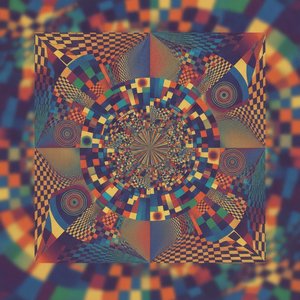
Tchalfa - 69

Experience the vibrant geometry of Victor Vasarely's 'Tchalfa - 69.' This Op Art masterpiece blends blue circles and red squares, creating a captivating optical illusion – explore its history & impact!

विक्टर वासरेली (1906-1997) एक हंगेरियन-फ्रांसीसी कलाकार थे जो ऑप्ट आर्ट और गतिज कला के अग्रणी थे। उनके ज्यामितीय अमूर्त चित्रों में भ्रम पैदा करने वाली आकर्षक दृश्य रचनाएँ हैं, जिन्होंने आधुनिक कला और डिज़ाइन को गहराई से प्रभावित किया।

इस पृष्ठ पर प्रदर्शित कलाकृति कॉपीराइट कानून द्वारा संरक्षित है, जिसका अर्थ है कि हम कानूनी रूप से इसकी हूबहू प्रतिलिपि बनाने या बेचने का अधिकार नहीं रखते हैं। यह संरक्षण अंतर्राष्ट्रीय समझौतों के तहत लागू किया जाता है, जैसे कि बर्न कन्वेंशन और राष्ट्रीय कानूनों द्वारा, जिनमें % द्वारा निर्धारित कानून भी शामिल हैं। अमेरिकी कॉपीराइट कानून - शीर्षक 17।

यह विधि कॉपीराइट नियमों का पूरी तरह से पालन करती है क्योंकि इसमें संरक्षित कलाकृति की नकल या प्रतिलिपि बनाना शामिल नहीं है। इसके बजाय, यह एक रचनात्मक पुनर्व्याख्या है - एक ऐसी नई पेंटिंग जो मूल कृति से प्रेरित तो है, लेकिन उसके समान नहीं है।

गिक्ली / आर्ट प्रिंट

तेज़ उत्पादन और विभिन्न फिनिश विकल्पों के साथ म्यूजियम-क्वालिटी गिकली (giclée) या कैनवस प्रिंट। ( हाथ से बनी पेंटिंग खरीदें डिजिटल इमेज पर जाएँ)

Corner sample of the P118B picture frame: मोल्डेड पॉलीस्टायरीन, 5 cm wide and 3 cm thick
P118B ₹10
Corner sample of the P118H picture frame: मोल्डेड पॉलीस्टायरीन, 5 cm wide and 3 cm thick
P118H ₹10
Corner sample of the P118W picture frame: मोल्डेड पॉलीस्टायरीन, 5 cm wide and 3 cm thick
P118W ₹10
Corner sample of the P438Z picture frame: मोल्डेड पॉलीस्टायरीन, 5.5 cm wide and 3.5 cm thick
P438Z ₹10
Corner sample of the P508JH picture frame: मोल्डेड पॉलीस्टायरीन, 7 cm wide and 3.5 cm thick
P508JH ₹12
Corner sample of the P508YH picture frame: मोल्डेड पॉलीस्टायरीन, 7 cm wide and 3.5 cm thick
P508YH ₹12
Corner sample of the P805H picture frame: मोल्डेड पॉलीस्टायरीन, 5 cm wide and 3.5 cm thick
P805H ₹10
Corner sample of the P805Z picture frame: मोल्डेड पॉलीस्टायरीन, 5 cm wide and 3.5 cm thick
P805Z ₹10
Corner sample of the P919BZ picture frame: मोल्डेड पॉलीस्टायरीन, 7 cm wide and 3.5 cm thick
P919BZ ₹10
Corner sample of the P919G picture frame: मोल्डेड पॉलीस्टायरीन, 7 cm wide and 3.5 cm thick
P919G ₹10
Corner sample of the P919XJ picture frame: मोल्डेड पॉलीस्टायरीन, 7 cm wide and 3.5 cm thick
P919XJ ₹10
Corner sample of the P959ZH picture frame: मोल्डेड पॉलीस्टायरीन, 5 cm wide and 3 cm thick
P959ZH ₹10
Corner sample of the P968JZ picture frame: मोल्डेड पॉलीस्टायरीन, 6 cm wide and 4 cm thick
P968JZ ₹12
Corner sample of the W106C picture frame: ठोस लकड़ी, 5 cm wide and 3 cm thick
W106C ₹8
Corner sample of the W218G picture frame: ठोस लकड़ी, 5 cm wide and 3 cm thick
W218G ₹10
Corner sample of the W218JH picture frame: ठोस लकड़ी, 5 cm wide and 3 cm thick
W218JH ₹8
Corner sample of the W218Y picture frame: ठोस लकड़ी, 5 cm wide and 3 cm thick
W218Y ₹10
Corner sample of the W307PJ picture frame: ठोस लकड़ी, 6 cm wide and 3 cm thick
W307PJ ₹10
Corner sample of the W316G picture frame: ठोस लकड़ी, 6 cm wide and 3 cm thick
W316G ₹10
Corner sample of the W316PJ picture frame: ठोस लकड़ी, 6 cm wide and 3 cm thick
W316PJ ₹8
Corner sample of the W316Y picture frame: ठोस लकड़ी, 6 cm wide and 3 cm thick
W316Y ₹10
Corner sample of the W398PJ picture frame: ठोस लकड़ी, 5 cm wide and 3 cm thick
W398PJ ₹8
Corner sample of the W4111J picture frame: ठोस लकड़ी, 6.5 cm wide and 3.5 cm thick
W4111J ₹10
Corner sample of the W500HY picture frame: ठोस लकड़ी, 7 cm wide and 5 cm thick
W500HY ₹15
Corner sample of the W500JH picture frame: ठोस लकड़ी, 7 cm wide and 5 cm thick
W500JH ₹15
Corner sample of the W692G picture frame: ठोस लकड़ी, 8 cm wide and 4 cm thick
W692G ₹12
Corner sample of the W849H picture frame: ठोस लकड़ी, 5 cm wide and 3 cm thick
W849H ₹8
Corner sample of the W940BG picture frame: ठोस लकड़ी, 7.5 cm wide and 4.5 cm thick
W940BG ₹15
Corner sample of the W953PJ picture frame: ठोस लकड़ी, 6 cm wide and 3.5 cm thick
W953PJ ₹8

मानक आकार
अनुकूलित
CM
INCH

कलाकृति के मूल अनुपात से मेल खाने वाले हमारे पूर्व निर्धारित आकारों में से चुनें।

चौड़ाई
ऊँचाई

अपने फ्रेम या अपनी दीवार के अनुसार आवश्यक चौड़ाई और ऊंचाई दर्ज करें। प्रिंट को केवल काटा जा सकता है, चित्र से बड़ा कभी नहीं बनाया जा सकता, इसलिए अलग आकार का साइज चित्र का एक हिस्सा खो देता है। किसी भी चीज़ को प्रिंट करने से पहले हम आपकी स्वीकृति के लिए आपको एक डिजिटल मॉकअप भेजते हैं। इस पृष्ठ पर दिखाया गया चित्र वास्तविक कटिंग नहीं दिखाता है — केवल मॉकअप ही इसे दर्शाता है।

विश्वव्यापी डिलीवरी (), मानक 4/5 सप्ताह के बजाय मात्र 2 सप्ताह में। (30 अक्टूबर)

दुनिया भर में मुफ़्त एक्सप्रेस शिपिंग
प्रीमियम ग्रेड लिनेन कैनवास
पूर्ण शिपिंग बीमा
सीमा शुल्क और आयात कर वापसी की गारंटी
सटीक रंग मिलान की गारंटी
100 दिनों की वापसी नीति (केवल निर्माण दोष होने पर)
100% पैसे वापसी की गारंटी
थोक छूट का अवसर

कुल कीमत

₹ 6552

Tchalfa - 69

गिक्ली / आर्ट प्रिंट

प्रतिकृति का आकार

-

कुल मूल्य

₹ 6552

मुख्य विवरण

  • Influences:
    • Josef Albers
    • Wassily Kandinsky
  • Movement: Op Art
  • Artist: Victor Vasarely
  • Subject or theme: Abstract composition

A Dance of Perception: Exploring Victor Vasarely's "Tchalfa - 69"

Victor Vasarely, a name synonymous with Op Art, didn’t simply paint pictures; he orchestrated visual experiences. His work, exemplified by the vibrant and dynamic piece “Tchalfa – 69,” is less about depicting an object or scene and more about manipulating our perception of space, movement, and color. This artwork isn't a representation *of* something, but rather an exploration *into* how we see. The composition centers around a striking blue circle, its cool serenity immediately drawing the eye. Encircling this central form are a multitude of red squares, meticulously arranged to create a pulsating, almost vibrating effect. It’s a deliberate illusion, a testament to Vasarely's understanding of optical phenomena and his desire to challenge traditional notions of artistic representation. The seemingly simple arrangement belies a complex mathematical underpinning – a hallmark of Vasarely’s approach.

The Genesis of Op Art and Vasarely's Vision

To truly appreciate "Tchalfa - 69," one must understand the context from which it emerged. The mid-20th century was a period of rapid technological advancement, scientific discovery, and a growing fascination with abstraction. Vasarely, having abandoned medical studies for art, brought a uniquely analytical perspective to his creative endeavors. He wasn't interested in subjective expression or emotional outpouring; instead, he sought to create an “art of perception,” one grounded in objective principles. Op Art, short for Optical Art, arose as a movement that directly engaged with these ideas, utilizing geometric forms and contrasting colors to generate optical illusions – sensations of movement, depth, and vibration where none physically exist. Vasarely is widely considered the pioneer of this movement, developing its core tenets and influencing countless artists who followed. His work was a direct response to what he perceived as the limitations of traditional art, seeking instead to create an experience that was both intellectually stimulating and visually arresting.

Color, Geometry, and the Illusion of Movement

The power of "Tchalfa - 69" lies in its masterful use of color and geometry. The juxtaposition of blue and red is inherently dynamic; these complementary colors create a visual tension that energizes the composition. The precise arrangement of the red squares around the central circle isn’t random. It's carefully calculated to produce an optical illusion – the impression that the circle is either expanding or contracting, moving forward or receding into space. This effect is achieved through subtle variations in size and spacing, a testament to Vasarely’s meticulous attention to detail. The geometric forms themselves—circles and squares—represent fundamental building blocks of visual perception. By manipulating these basic elements, Vasarely creates a complex interplay of shapes that challenges our assumptions about how we perceive the world. The technique employed is deceptively simple: flat planes of color applied with precision. Yet, the resulting effect is anything but simplistic; it’s a sophisticated exploration of visual dynamics.

Symbolism and Emotional Resonance

While Vasarely eschewed traditional symbolism, "Tchalfa - 69" evokes a range of emotions through its purely visual means. The circular form can be interpreted as representing wholeness, unity, or even the cosmos – a sense of infinite possibility contained within a defined space. The surrounding squares, with their energetic vibration, suggest dynamism, change, and perhaps even a subtle underlying tension. There's a feeling of controlled chaos, a balance between order and disruption that is both captivating and slightly unsettling. The artwork doesn’t tell a story in the conventional sense; instead, it invites viewers to engage actively with its visual elements, to experience the illusion firsthand, and to draw their own conclusions about its meaning. It's an art that speaks directly to our senses, bypassing intellectual analysis and tapping into primal perceptions of space and movement. The emotional impact is not one of sadness or joy, but rather a heightened state of awareness—a feeling of being visually stimulated and intellectually challenged.

प्रश्न और उत्तर

"Tchalfa - 69" का Square फॉर्मेट कहाँ प्रदर्शित करने की सलाह दी जाती है?

अपने Square आकार के साथ, "Tchalfa - 69" की यह प्रतिकृति Living Room के लिए उपयुक्त है।

"Tchalfa - 69" का प्रारूप क्या है?

विक्टर वासरेली द्वारा "Tchalfa - 69" एक Square रचना है। प्रिंट का आकार चुनने से पहले इसके अनुपात की जांच करना उचित होगा।

कुल मिलाकर "Tchalfa - 69" कितना उज्ज्वल है?

विक्टर वासरेली द्वारा "Tchalfa - 69" की आभा का स्तर deep_shadow है। इसे इच्छित स्थान के प्रकाश के अनुरूप बनाया जा सकता है।


कलाकार का परिचय

विक्टर वासरेली: भ्रम और ज्यामिति का जादूगर

१९०६ में पेच, क्रोएशिया (जो उस समय ऑस्ट्रिया-हंगरी का हिस्सा था) में जन्मे विक्टर वासरेली, जिन्हें मूल रूप से ग्योज़ो वासार्हेली के नाम से जाना जाता था, आधुनिक कला के इतिहास में एक अद्वितीय स्थान रखते हैं। वे ऑप्टिकल आर्ट (Op Art) और गतिज कला (Kinetic Art) के अग्रणी थे, जिन्होंने अपनी रचनाओं के माध्यम से हमारी देखने की क्षमता को चुनौती दी। वासरेली का जीवन चिकित्सा के अध्ययन से कलात्मक खोज तक एक असाधारण यात्रा थी, जो ज्यामितीय अमूर्तता और दृश्य भ्रमों के प्रति उनके अटूट समर्पण को दर्शाता है। उन्होंने न केवल कलात्मक सीमाओं को तोड़ा, बल्कि यह भी दिखाया कि कैसे गणितीय सिद्धांतों और वैज्ञानिक समझ का उपयोग करके सौंदर्यपूर्ण रूप से मनमोहक रचनाएँ बनाई जा सकती हैं। उनका काम आज भी दुनिया भर में प्रेरणा का स्रोत बना हुआ है, जो हमें दृश्य अनुभव की जटिलताओं पर विचार करने के लिए प्रेरित करता है।

प्रारंभिक जीवन और प्रभाव: Bauhaus का साया

वासरेली ने शुरूआती शिक्षा चिकित्सा के क्षेत्र में ली थी, लेकिन कला के प्रति उनके जुनून ने उन्हें बुडापेस्ट के पोडोलिनी-वोल्कमैन अकादमी में चित्रकला का अध्ययन करने के लिए प्रेरित किया। उनका सबसे महत्वपूर्ण अनुभव सैंडोर बोर्टनिक के कार्यशाला – मुहेले (Műhely) में आया, जो Bauhaus आंदोलन से गहराई से प्रभावित था। इस कार्यशाला ने उन्हें कार्यात्मक डिजाइन और ज्यामितीय अमूर्तता के सिद्धांतों को समझने में मदद की, जिसने उनके बाद के काम को आकार दिया। उन्होंने पियट मोंड्रियन और काज़िमिर मालेविच जैसे कलाकारों से प्रेरणा ली, लेकिन केवल उनकी शैली की नकल करने के बजाय, वासरेली ने एक ऐसी गतिशील कला बनाने का प्रयास किया जो दर्शक की धारणा को सक्रिय रूप से संलग्न करे। १९३० में पेरिस जाने के बाद, उन्होंने ग्राफिक डिजाइन और विज्ञापन में काम करते हुए अपनी कलात्मक कौशल को निखाराया, और धीरे-धीरे अपने विशिष्ट शैली का विकास किया।

ऑप्टिकल आर्ट का जन्म: भ्रम का विज्ञान

१९६० के दशक तक, विक्टर वासरेली ऑप्टिकल आर्ट आंदोलन के प्रमुख व्यक्ति बन गए। उन्होंने अपनी रचनाओं में एक व्यवस्थित पद्धति का उपयोग किया, ज्यामितीय आकृतियों और रंगों को इस तरह से व्यवस्थित किया कि वे दृश्य भ्रम पैदा करते थे - जैसे गति का आभास, गहराई या कंपन। यह कोई धोखा नहीं था; बल्कि, यह धारणा की अंतर्निहित गतिशीलता को उजागर करने का प्रयास था। वासरेली ने कला को लोकतांत्रिक बनाने के लिए पुनरुत्पादन और वाणिज्यिक अनुप्रयोगों को अपनाया, जिससे यह संग्रहालयों और दीर्घाओं से परे भी पहुंच योग्य हो गई। उन्होंने दर्शकों को अपनी दृश्य अनुभव पर सवाल उठाने और अर्थ के निर्माण में सक्रिय रूप से भाग लेने के लिए प्रेरित किया। उनकी रचनाएँ न केवल सौंदर्यपूर्ण रूप से मनमोहक थीं, बल्कि वे वैज्ञानिक सिद्धांतों पर आधारित थीं, जो उन्हें कलात्मक अभिव्यक्ति का एक अनूठा उदाहरण बनाती हैं।

गतिज कला और विरासत: कला का विस्तार

वासरेली की कलात्मक खोज स्थिर भ्रमों तक ही सीमित नहीं थी। उन्होंने गतिज कला के क्षेत्र में भी प्रवेश किया, ऐसी रचनाएँ बनाईं जो वास्तविक गति को शामिल करती थीं या दृश्य प्रभावों के माध्यम से गति का आभास देती थीं। “जॉर्जेस पोम्पिडो” (१९७६), जो पेरिस के सेंटर पोम्पिडो पर स्थापित एक बड़ी गतिमान वस्तु है, इस महत्वाकांक्षा का प्रमाण है - कला और वास्तुकला का एकीकरण जो शहरी डिजाइन के पैमाने पर होता है। उन्होंने रोसेन्थल चीनी मिट्टी के बरतन के साथ अपने सहयोग के माध्यम से वाणिज्यिक उत्पादों में भी अपनी डिजाइनों को लागू किया, जिसके परिणामस्वरूप प्रतिष्ठित “सुओमी” टेबलवेयर श्रृंखला सामने आई। यह सीमाओं को धुंधला करने की उनकी इच्छा ने कला और लोकप्रिय संस्कृति के बीच एक स्थायी छाप छोड़ी है। उन्होंने फाउंडेशन वासरेली की स्थापना करके अपने कार्यों के संरक्षण और प्रचार को सुनिश्चित किया, और १९८२ में फ्रेंच-सोवियत अंतरिक्ष यान सल्यूट ७ पर उनके सीरोग्राफ्स को शामिल करना उनकी कला की वैश्विक मान्यता का प्रतीक था।

ऐतिहासिक महत्व: आधुनिकतावादी दृष्टि

वासरेली का कला इतिहास में योगदान बहुआयामी है। उन्होंने पारंपरिक चित्रकला तकनीकों से परे जाकर ऐसी रचनाएँ बनाईं जो दर्शक की धारणा को सक्रिय रूप से संलग्न करती हैं। उनकी व्यवस्थित दृष्टिकोण ने कलात्मक रचनात्मकता के पारंपरिक विचारों को चुनौती दी और कंप्यूटर-जनित कला और डिजिटल डिजाइन का मार्ग प्रशस्त किया। पुनरुत्पादन और वाणिज्यिक अनुप्रयोगों को अपनाकर, वासरेली ने ललित कला और लोकप्रिय संस्कृति के बीच की सीमाओं को धुंधला कर दिया, जिससे दोनों पर एक स्थायी प्रभाव पड़ा। उन्होंने न केवल सौंदर्यपूर्ण रूप से मनभावन वस्तुएँ बनाईं, बल्कि दृश्य अनुभव के बारे में मौलिक सत्य प्रकट करने वाले दृश्य प्रयोग भी किए। उनकी रचनाएँ आज भी हमें ज्यामिति की सुंदरता, अमूर्तता की शक्ति और मानव रचनात्मकता की अनंत संभावनाओं की याद दिलाती हैं। वासरेली वास्तव में एक दूरदर्शी थे जिन्होंने हमारी कला को देखने के तरीके को हमेशा के लिए बदल दिया.

विक्टर वासरेली

विक्टर वासरेली

1906 - 1997 , क्रोएशिया

संक्षिप्त जानकारी

  • कलात्मक शैली: ऑप आर्ट, गतिज कला
  • जन्म तिथि: 9 अप्रैल 1906
  • जन्म स्थान: पेक्स, क्रोएशिया
  • पूरा नाम: विक्टर वासरेली
  • प्रभावित आंदोलन:
    • ग्राफिक डिजाइन
    • आंतरिक डिजाइन
  • प्रभावित कलाकार:
    • पीट मोंड्रियान
    • काजिमीर मालेविच
  • प्रमुख कलाकृतियाँ:
    • ब्लू स्टडी
    • ग्रीन स्टडी
    • ज़ेबरा
  • मृत्यु तिथि: 15 मार्च 1997
  • राष्ट्रीयता: हंगेरियन-फ्रांसीसी
विषयों, शैलियों और विशेषताओं के आधार पर व्यवस्थित कलाकृतियों का अन्वेषण करें।