सैंड्रो बोटीicelli: पुनर्जागरण के सौंदर्य का प्रतीक
सैंड्रो बोटीicelli, जिनका असली नाम एलेसांद्रो डि मारियानो डि वान्नी फिलिपेपी था, १४४५ में फ्लोरेंस में जन्मे और १५१० में वहीं पर उनका निधन हुआ। वे प्रारंभिक पुनर्जागरण काल के सबसे महान चित्रकारों में से एक थे। उनकी कला ने फ्लोरेंस की सांस्कृतिक समृद्धि को दर्शाया, जो सौंदर्य और सद्गुणों का प्रतीक थी। बोटीicelli का जीवन फ्लोरेंस के कलात्मक और सामाजिक ताने-बाने में गहराई से जुड़ा हुआ था; उन्होंने कभी भी अपने पड़ोस ओगनिसांती से दूर नहीं गए, जो पारिवारिक बंधनों और उस जीवंत रचनात्मक पारिस्थितिकी तंत्र का प्रमाण है जिसने उन्हें पोषित किया। उनके पिता, मारियानो फिलिपेपी, शुरू में एक सुनार और बाद में एक चमड़ा बनाने वाले ने उन्हें शिल्प कौशल और सावधानीपूर्वक विवरण के प्रति प्रारंभिक प्रदर्शन प्रदान किया - ये गुण बोटीicelli की कलात्मक दृष्टिकोण को गहराई से प्रभावित करेंगे। शुरुआती रिपोर्टों से पता चलता है कि उन्होंने स्वर्णकार के रूप में प्रशिक्षण लिया था, लेकिन जल्द ही उन्होंने फ्रा फिलिप्पो लिपी के संरक्षण में अपना करियर खोज लिया, जो उस समय के एक प्रमुख चित्रकार थे। इस प्रशिक्षुता ने उन्हें फ्लोरेंटाइन स्कूल की तकनीकों और सौंदर्यशास्त्र में डुबो दिया, साथ ही मेडिसी परिवार जैसे प्रभावशाली संरक्षकों से भी जोड़ा।
शैली और पौराणिक कथाओं का संगम
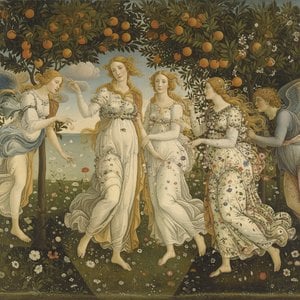
बोटीicelli की कलात्मक शैली अपनी मधुर सुंदरता के लिए तुरंत पहचानने योग्य है, जो सुरुचिपूर्ण रेखीयता, बहने वाले कंटूर और रंग के कोमल उपयोग द्वारा चिह्नित है। उन्होंने देर से गोथिक परंपराओं और उभरते हुए पुनर्जागरण सौंदर्यशास्त्र के बीच का अंतर कुशलता से पाटने में महारत हासिल की, फ्रा एंजेलिको और पाओलो उक्सेलो जैसे мастеров से प्रभाव ग्रहण किया, फिर भी एक अद्वितीय व्यक्तिगत दृष्टि बनाई। उनके आंकड़ों में एक अलौकिक गुणवत्ता होती है, अक्सर लम्बे अनुपात और सुंदर मुद्राओं के साथ चित्रित किए जाते हैं जो शांति और सूक्ष्म उदासी दोनों को व्यक्त करते हैं। उनकी रचना की एक परिभाषित विशेषता शास्त्रीय पौराणिक कथाओं का बार-बार समावेश है - फ्लोरेंटाइन पुनर्जागरण से गुजरती मानवतावादी रुचियों का प्रतिबिंब। उन्होंने इन प्राचीन कहानियों को केवल चित्रित नहीं किया; उन्होंने उन्हें नए अर्थों के स्तरों से भर दिया, प्रेम, सौंदर्य और आध्यात्मिक लालसा जैसे विषयों का पता लगाया। बोटीcelli की तकनीक अपने समय के लिए नवीन थी। उन्होंने अक्सर अपनी कैनवस पर सिल्वरपॉइंट ड्राइंग विधि का उपयोग किया, जिससे उनके तैयार कार्यों में देखी जाने वाली चमक और नाजुक विवरण में योगदान मिला। टेम्पेरा पेंट का उनका उपयोग सटीक प्रतिपादन और जीवंत रंगों की अनुमति देता है, जबकि तेल पेंट्स के साथ उनके बाद के प्रयोगों ने उनकी अभिव्यंजक संभावनाओं को व्यापक बनाया।
प्रमुख कृतियाँ: सौंदर्य का प्रतीक
बोटीicelli की विरासत कुछ प्रतिष्ठित चित्रों पर टिकी हुई है जो सदियों से दर्शकों को मोहित करते रहते हैं। लगभग १४८६ में पूरा किया गया
जन्म ऑफ वीनस, शायद उनकी सबसे प्रसिद्ध कृति के रूप में खड़ा है - सौंदर्य के पुनर्जागरण आदर्शों का एक प्रतीकात्मक चित्रण। इसकी सुंदर रचना, नाजुक रंग पैलेट और मार्मिक प्रतीकवाद ने इसे युग के एक स्थायी प्रतीक बना दिया है। समान रूप से प्रसिद्ध
प्राइमावेरा है, लगभग १४८२ में बनाया गया, जो वसंत और प्रेम का जश्न मनाने वाला एक जटिल और रहस्यमय चित्र है, जिसमें शास्त्रीय पौराणिक कथाओं से खींचे गए प्रतीकात्मक आंकड़े हैं। ये कार्य बोटीicelli की रचना, वायुमंडलीय गहराई बनाने की क्षमता और मानव भावनाओं की गहरी समझ का प्रदर्शन करते हैं। उनकी शुरुआती कृतियों में
एडोरेशन ऑफ द मैगी भी शामिल है, जो रचना और परिप्रेक्ष्य के प्रारंभिक कौशल को दर्शाता है। बाद के वर्षों में, उन्होंने
मिस्टिक नेटीविटी जैसे अधिक आध्यात्मिक विषयों पर ध्यान केंद्रित किया, जो उनके करियर में एक बदलाव को दर्शाते हैं।
प्रभाव और पुन: खोज
उनकी मृत्यु के बाद, बोटीicelli की प्रतिष्ठा धीरे-धीरे अस्पष्टता में डूब गई। लगभग तीन शताब्दियों तक, उनकी कला मुख्य रूप से भुला दी गई थी, लियोनार्डो दा विंची और माइकल एंजेलो जैसे उच्च पुनर्जागरण мастеров की उपलब्धियों से overshadowed। हालांकि, 19वीं शताब्दी के अंत में प्री-रफाएलाइट ब्रदरहुड के उदय के साथ एक उल्लेखनीय पुन: खोज हुई - अंग्रेजी कलाकारों का एक समूह जिन्होंने अकादमिक सम्मेलनों को खारिज कर दिया और प्रारंभिक इतालवी पुनर्जागरण की कला से प्रेरणा मांगी। उन्हें बोटीicelli की रेखीय कृपा, जीवंत रंगों और काव्यात्मक संवेदनशीलता से मोहित किया गया, उन्हें एक समान आत्मा के रूप में पहचानते हुए। इस नवीनीकृत प्रशंसा ने उनकी कार्य का व्यापक पुनर्मूल्यांकन शुरू किया, जिससे उन्हें प्रारंभिक पुनर्जागरण के सबसे महत्वपूर्ण कलाकारों में से एक के रूप में स्थापित किया गया। आज, बोटीicelli को अपनी अनूठी कलात्मक दृष्टि, अपने कुशल कौशल और सौंदर्य, भावना और आध्यात्मिक चिंतन की समान भावना को जगाने की स्थायी क्षमता के लिए मनाया जाता है। उनकी प्रभाव बाद की पीढ़ियों के कलाकारों में देखा जा सकता है जिन्होंने अपनी खुद की रचनाओं में उसी कृपा और लालित्य को पकड़ने का प्रयास किया है। वे फ्लोरेंटाइन कलात्मक उपलब्धि के प्रतीक और पुनर्जागरण मानवतावाद की शक्ति के प्रमाण बने हुए हैं।
- जन्म ऑफ वीनस: सौंदर्य के आदर्शों को मूर्त रूप देने वाला एक प्रतिष्ठित चित्रण।
- प्राइमावेरा: वसंत और प्रेम का जश्न मनाने वाला एक जटिल प्रतीकात्मक चित्र।
- एडोरेशन ऑफ द मैगी: रचना और परिप्रेक्ष्य के प्रारंभिक कौशल को दर्शाता है।
- मिस्टिक नेटीविटी: उनके करियर में आध्यात्मिक विषयों की ओर बदलाव को दर्शाता है।



 पूर्वावलोकन देखें
 हाथ से बनी पेंटिंग खरीदें
 साझा करें
 साझा करें
 विस्तृत विवरण

 डाउनलोड करें
 समान कलाकृतियाँ
 एक्स-रे
 स्लाइड शो देखें
 आंकड़े

 पूरा देखें






































 ग्लास का विकल्प केवल 110 सेमी से कम आकार में ही उपलब्ध है।