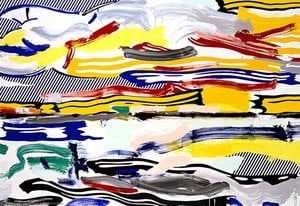
रॉय लाइख़्टेनस्टाइन: पॉप कला के एक क्रांतिकारी की कहानी
रॉय लाइख़्टेनस्टाइन, जिनका जन्म 1923 में न्यूयॉर्क शहर में हुआ था, बीसवीं सदी के सबसे प्रभावशाली कलाकारों में से एक थे। उन्होंने पॉप आर्ट आंदोलन को आकार देने में महत्वपूर्ण भूमिका निभाई, और उनकी रचनाएँ साधारण छवियों को कलात्मक अभिव्यक्ति के शक्तिशाली माध्यमों में बदलने की क्षमता दर्शाती हैं। लाइख़्टेनस्टाइन का प्रारंभिक जीवन कला और संगीत दोनों में रुचि से भरा था। संग्रहालयों और संगीत कार्यक्रमों में नियमित रूप से जाने के कारण उन्हें कला के प्रति गहरी समझ विकसित हुई, जबकि जैज़ संगीत के प्रति उनका प्रेम उनके रचनात्मक दृष्टिकोण को प्रभावित करता रहा। उन्होंने फ्रैंकलिन स्कूल फॉर बॉयज़ से स्नातक की उपाधि प्राप्त की और ओहियो स्टेट यूनिवर्सिटी में कला का अध्ययन किया, जहाँ उन्होंने पॉल क्ली जैसे कलाकारों से प्रेरणा ली। द्वितीय विश्व युद्ध में उनकी सेवा ने उन्हें यूरोप ले गया, जहाँ उन्होंने स्केच बनाए और कलात्मक अनुभवों को संजोया। युद्ध के बाद, लाइख़्टेनस्टाइन ने अपनी शिक्षा जारी रखी और एक शिक्षक के रूप में भी काम किया, लेकिन उनका ध्यान धीरे-धीरे उस कला की ओर केंद्रित हो गया जो उनके समय की संस्कृति को दर्शाती है।
सार अभिव्यक्तिवाद से पॉप कला तक: एक परिवर्तनकारी यात्रा
लाइख़्टेनस्टाइन का शुरुआती कार्य सार अभिव्यक्तिवाद (Abstract Expressionism) से प्रभावित था, जो उस समय कला जगत में प्रमुख शैली थी। हालाँकि, उन्होंने जल्द ही इस शैली की सीमाओं को महसूस किया और एक नई दिशा की तलाश शुरू कर दी। रूटर विश्वविद्यालय में एलन कैप्रो के साथ उनकी मुलाकात ने उन्हें पॉप कला की ओर प्रेरित किया। कैप्रो के प्रभाव से लाइख़्टेनस्टाइन ने कॉमिक स्ट्रिप्स और विज्ञापनों जैसी लोकप्रिय संस्कृति से छवियों का उपयोग करने का फैसला किया, जो उस समय कला जगत में एक क्रांतिकारी कदम था। 1961 में *लुक मिकी* (Look Mickey) नामक पेंटिंग उनके करियर का एक महत्वपूर्ण मोड़ साबित हुई। इस रचना में डिज़्नी कॉमिक्स के पात्रों को दर्शाया गया है और इसमें वाणिज्यिक प्रिंटिंग प्रक्रियाओं की नकल की गई है, जो लाइख़्टेनस्टाइन की विशिष्ट शैली का प्रतीक बन गई। यह सिर्फ नकल नहीं थी; यह कलात्मक पुनर्मूल्यांकन था, जिसने साधारण छवियों को उच्च कला के स्तर तक उठा दिया।
बेन्डैय डॉट्स और बोल्ड लाइनों की भाषा
लाइख़्टेनस्टाइन की कला की पहचान उसकी विशिष्ट तकनीकों से होती है: बोल्ड, प्राथमिक रंग, मोटी काली रेखाएँ, और सबसे प्रसिद्ध रूप से बेन्डैय डॉट्स (Ben-Day dots)। ये डॉट्स सिर्फ सजावटी तत्व नहीं थे; वे सामूहिक उत्पादन की प्रक्रिया का प्रतिनिधित्व करते थे और कलाकार के हाथ पर जोर देने वाली पारंपरिक कलात्मक अवधारणाओं को चुनौती देते थे। उन्होंने अक्सर कॉमिक स्ट्रिप्स के विवरणों को विशाल पैमाने पर बढ़ाया, जिससे दर्शकों को एक ऐसी कला रूप के सौंदर्य गुणों का सामना करने के लिए मजबूर होना पड़ा जिसे आमतौर पर तुच्छ माना जाता था। *वाह!* (Whaam!), *ड్రॉइंग गर्ल* (Drowning Girl), और *ओह, जेफ...आई लव यू, टू...बट...* (Oh, Jeff…I Love You, Too…But…) जैसी रचनाएँ पॉप कला के प्रतिष्ठित प्रतीक बन गईं, जो एक तेजी से बदलते उपभोक्ता संस्कृति की चिंताओं और इच्छाओं को दर्शाती हैं। ये सिर्फ कॉमिक बुक दृश्यों का चित्रण नहीं थे; वे युद्ध, रोमांस और सामाजिक अपेक्षाओं जैसे विषयों पर टिप्पणियाँ थीं, जो सामूहिक मीडिया की दृश्य भाषा के माध्यम से व्यक्त की गई थीं।
विरासत और स्थायी प्रभाव
रॉय लाइख़्टेनस्टाइन का प्रभाव पेंटिंग के दायरे से परे है। उनकी वाणिज्यिक तकनीकों का अभिनव उपयोग और पुन: प्रस्तुति ने उपभोक्तावाद, मीडिया संतृप्ति और सांस्कृतिक पहचान जैसे विषयों को तलाशने वाले नई पीढ़ी के कलाकारों के लिए मार्ग प्रशस्त किया। 2017 में *मास्टरपीस* (Masterpiece) की $165 मिलियन में बिक्री ने उन्हें अब तक के सबसे व्यावसायिक रूप से सफल अमेरिकी कलाकारों में से एक के रूप में स्थापित कर दिया, लेकिन उनकी विरासत केवल मौद्रिक मूल्य से परिभाषित नहीं है। उन्होंने कलात्मक लेखकत्व और मौलिकता की पारंपरिक धारणाओं को चुनौती दी, जिससे यह फिर से मूल्यांकन करने के लिए मजबूर होना पड़ा कि "कला" क्या है। उनका काम ग्राफिक डिजाइनरों, चित्रकारों और विभिन्न विषयों के दृश्य कलाकारों को प्रेरित करता रहता है।
- प्रमुख उपलब्धियाँ: पॉप कला शैली का अग्रणी; अभूतपूर्व प्रदर्शनियों के साथ अंतर्राष्ट्रीय मान्यता प्राप्त।
- उल्लेखनीय कार्य: *वाह!*, *ड్రॉइंग गर्ल*, *ओह, जेफ...आई लव यू, टू...बट...*, *मास्टरपीस*।
- शिक्षण करियर: एसयूएनवाई ओस्वैगो और रूटर विश्वविद्यालय में उभरते कलाकारों को प्रभावित किया।
29 सितंबर, 1997 को लाइख़्टेनस्टाइन का निधन हो गया, लेकिन उनकी रचनाएँ आज भी उतनी ही प्रासंगिक और उत्तेजक हैं जितनी कि पॉप कला आंदोलन के चरम पर थीं। उनका काम सामूहिक मीडिया के व्यापक प्रभाव और वास्तविकता की हमारी धारणाओं को आकार देने की क्षमता की एक शक्तिशाली याद दिलाता है। उन्होंने अपने समय को सिर्फ प्रतिबिंबित नहीं किया; उन्होंने सक्रिय रूप से उसकी जांच की, 20वीं सदी की कला के इतिहास पर एक अमिट छाप छोड़ी और कला, संस्कृति और वाणिज्य के बीच संबंधों पर महत्वपूर्ण संवाद को प्रेरित करना जारी रखा।
उनकी विरासत स्वीकृति, सामान्य में सुंदरता और एक सच्चे दूरदर्शी कलाकार के स्थायी प्रभाव का प्रमाण है।



 पूर्वावलोकन देखें
 हाथ से बनी पेंटिंग खरीदें
 साझा करें
 साझा करें
 विस्तृत विवरण
 मार्गदर्शिका

 डाउनलोड करें
 समान कलाकृतियाँ
 एक्स-रे
 स्लाइड शो देखें
 आंकड़े

 पूरा देखें






































 ग्लास का विकल्प केवल 110 सेमी से कम आकार में ही उपलब्ध है।