गुइडो रेनी (ले गाइड): जीवन और विरासत
गुइडो रेनी, जिन्हें ले गाइड के नाम से भी जाना जाता है, का जन्म 1575 में बोलोग्ना, इटली में हुआ था। वे डेनियल रेनी और जिनेव्रा पोजी की एकमात्र संतान थे, दोनों ही संगीत परिवार से ताल्लुक रखते थे। उनके पालन-पोषण ने उनमें सामंजस्य और रूप के प्रति सराहना पैदा की, जिसने बाद में उनकी कलात्मक शैली को प्रभावित किया। नौ साल की कम उम्र में, गुइडो ने डेनिस कालवार्ट के तहत अपनी प्रशिक्षुता शुरू की, जो बोलोग्ना में काम करने वाले एक फ्लेमिश चित्रकार थे। उन्होंने साथी महत्वाकांक्षी कलाकारों अल्बानी और डोमेनिको के साथ अध्ययन किया, जिससे शास्त्रीय सिद्धांतों की मजबूत नींव बनी।
कलात्मक करियर और विकास
रेनी का कलात्मक करियर कई इतालवी शहरों, जिनमें रोम, नेपल्स और उनका मूल बोलोग्ना शामिल हैं, तक फैला हुआ था। उनके शुरुआती काम में कालवार्ट और कैरैची भाइयों का प्रभाव दिखाई दिया, जो शारीरिक सटीकता और नाटकीय रचना पर जोर देते थे। हालांकि, रेनी ने जल्दी ही एक विशिष्ट शैली विकसित की, जिसकी विशेषता इसकी सुरुचिपूर्ण शास्त्रीयता, परिष्कृत तकनीक और भावनात्मक तीव्रता थी। वे बोलोग्नाई स्कूल के एक प्रमुख व्यक्ति बन गए, जो अकादमिक प्रशिक्षण और आदर्श रूपों पर जोर देने के लिए जाने जाते हैं।
प्रमुख प्रभाव
- डेनिस कालवार्ट: रेनी के शुरुआती शिक्षक ने उन्हें फ्लेमिश चित्रकला तकनीकों की मजबूत नींव प्रदान की।
- कैरैची परिवार (अन्निबले, अगोस्टिनो, लुडोविको): शास्त्रीय कला और शारीरिक अध्ययन पर उनके जोर का उनकी कलात्मक विकास पर गहरा प्रभाव पड़ा।
- राफेल: रेनी ने राफेल की सुंदरता और सामंजस्यपूर्ण रचनाओं की बहुत प्रशंसा की, जो उनके कई कार्यों में स्पष्ट हैं।
प्रमुख कार्य और कलात्मक शैली
रेनी के ऑव्यूरे में धार्मिक दृश्यों, पौराणिक कथाओं और प्रतीकात्मक अभ्यावेदनों सहित विषयों की एक विस्तृत श्रृंखला शामिल है। उनके सबसे प्रसिद्ध कार्यों में से कुछ शामिल हैं:
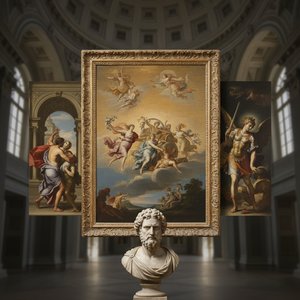
- सूर्य रथ पर अपोलो (अल्बर्टिना, वियना): रेनी की बारोक शैली में महारत दिखाने वाला एक गतिशील चित्र।
- संत जेम्स द ग्रेटर: धार्मिक उत्साह और मानवीय भावनाओं को पकड़ने के उनके कौशल का प्रदर्शन करता है।
- एटलांटा और हिप्पोमेनेस (कैपोडिमोंटे पैलेस, नेपल्स): उनकी पौराणिक पेंटिंग का एक उदाहरण, जो सुंदर आकृतियों और नाटकीय कहानी कहने की विशेषता है।
- संत जेरोम: रचना के साथ भावनात्मक गहराई को संतुलित करने की रेनी की क्षमता का प्रमाण।
- टारेंटेला (कैपोडिमोंटे पैलेस, नेपल्स): इतालवी लोक नृत्य संस्कृति पर उनके प्रभाव को दर्शाता है।
रेनी की शैली को अक्सर उदार शास्त्रीयता के रूप में वर्णित किया जाता है। उन्होंने शास्त्रीय कला की सटीकता को बारोक काल की गतिशीलता और भावना के साथ मिलाया। उनकी आकृतियाँ आमतौर पर आदर्श होती हैं, जिनमें शांत सुंदरता और सुंदर आंदोलन होता है।
ऐतिहासिक महत्व और विरासत
गुइडो रेनी ने इटली में उच्च बारोक शैली को आकार देने में महत्वपूर्ण भूमिका निभाई। उन्होंने अपनी परिष्कृत तकनीक, सुरुचिपूर्ण रचनाओं और भावनात्मक गहराई के साथ पीढ़ियों के कलाकारों को प्रभावित किया। उनका काम दुनिया भर के प्रमुख संग्रहालयों में पाया जा सकता है, जिसमें नेपल्स में कैपोडिमोंटे पैलेस भी शामिल है। रेनी की विरासत केवल पेंटिंग से परे फैली हुई है; वे अपने समय में एक कवि और सम्मानित बौद्धिक व्यक्ति भी थे।
उनकी कला आज भी कलाकारों और कला उत्साही लोगों को प्रेरित करती है, जिससे 17 वीं शताब्दी के सबसे महत्वपूर्ण चित्रकारों में से एक के रूप में उनकी जगह मजबूत होती है। उनका प्रभाव बाद के बारोक कलाकारों में देखा जा सकता है जिन्होंने उनकी सुंदरता और भावनात्मक शक्ति का अनुकरण करने की मांग की।
मृत्यु
गुइडो रेनी का 1642 में बोलोग्ना में निधन हो गया, जिससे एक समृद्ध कलात्मक विरासत पीछे छूट गई जो सदियों बाद भी दर्शकों को मोहित करती रहती है।



 पूर्वावलोकन देखें
 हाथ से बनी पेंटिंग खरीदें
 साझा करें
 साझा करें
 विस्तृत विवरण

 डाउनलोड करें
 समान कलाकृतियाँ
 एक्स-रे
 स्लाइड शो देखें
 आंकड़े


 पूरा देखें






































 ग्लास का विकल्प केवल 110 सेमी से कम आकार में ही उपलब्ध है।