पूर्वावलोकन देखें AR में प्रीव्यू देखें हाथ से बनी पेंटिंग खरीदें डिजिटल इमेज पर जाएँ भेजें
विवरण देखें मार्गदर्शिका पसंदीदा में जोड़ें डाउनलोड करें समान वस्तुएं एक्स-रे स्लाइड शो देखें आंकड़े

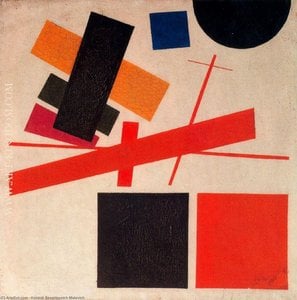
The Step

पॉल क्ले (1879-1940) एक स्विस-जर्मन कलाकार थे जिन्होंने अभिव्यक्तिवाद, घनवाद और अतियथार्थवाद को मिलाकर अनोखा अंदाज़ बनाया। उनके रंग सिद्धांत, Bauhaus प्रभाव और कल्पनाशील कलाकृतियाँ देखें।

गिक्ली / आर्ट प्रिंट

तेज़ उत्पादन और विभिन्न फिनिश विकल्पों के साथ म्यूजियम-क्वालिटी गिकली (giclée) या कैनवस प्रिंट। ( हाथ से बनी पेंटिंग खरीदें डिजिटल इमेज पर जाएँ)

Corner sample of the P118B picture frame: मोल्डेड पॉलीस्टायरीन, 5 cm wide and 3 cm thick
P118B ₹10
Corner sample of the P118H picture frame: मोल्डेड पॉलीस्टायरीन, 5 cm wide and 3 cm thick
P118H ₹10
Corner sample of the P118W picture frame: मोल्डेड पॉलीस्टायरीन, 5 cm wide and 3 cm thick
P118W ₹10
Corner sample of the P438Z picture frame: मोल्डेड पॉलीस्टायरीन, 5.5 cm wide and 3.5 cm thick
P438Z ₹10
Corner sample of the P508JH picture frame: मोल्डेड पॉलीस्टायरीन, 7 cm wide and 3.5 cm thick
P508JH ₹12
Corner sample of the P508YH picture frame: मोल्डेड पॉलीस्टायरीन, 7 cm wide and 3.5 cm thick
P508YH ₹12
Corner sample of the P805H picture frame: मोल्डेड पॉलीस्टायरीन, 5 cm wide and 3.5 cm thick
P805H ₹10
Corner sample of the P805Z picture frame: मोल्डेड पॉलीस्टायरीन, 5 cm wide and 3.5 cm thick
P805Z ₹10
Corner sample of the P919BZ picture frame: मोल्डेड पॉलीस्टायरीन, 7 cm wide and 3.5 cm thick
P919BZ ₹10
Corner sample of the P919G picture frame: मोल्डेड पॉलीस्टायरीन, 7 cm wide and 3.5 cm thick
P919G ₹10
Corner sample of the P919XJ picture frame: मोल्डेड पॉलीस्टायरीन, 7 cm wide and 3.5 cm thick
P919XJ ₹10
Corner sample of the P959ZH picture frame: मोल्डेड पॉलीस्टायरीन, 5 cm wide and 3 cm thick
P959ZH ₹10
Corner sample of the P968JZ picture frame: मोल्डेड पॉलीस्टायरीन, 6 cm wide and 4 cm thick
P968JZ ₹12
Corner sample of the W106C picture frame: ठोस लकड़ी, 5 cm wide and 3 cm thick
W106C ₹8
Corner sample of the W218G picture frame: ठोस लकड़ी, 5 cm wide and 3 cm thick
W218G ₹10
Corner sample of the W218JH picture frame: ठोस लकड़ी, 5 cm wide and 3 cm thick
W218JH ₹8
Corner sample of the W218Y picture frame: ठोस लकड़ी, 5 cm wide and 3 cm thick
W218Y ₹10
Corner sample of the W307PJ picture frame: ठोस लकड़ी, 6 cm wide and 3 cm thick
W307PJ ₹10
Corner sample of the W316G picture frame: ठोस लकड़ी, 6 cm wide and 3 cm thick
W316G ₹10
Corner sample of the W316PJ picture frame: ठोस लकड़ी, 6 cm wide and 3 cm thick
W316PJ ₹8
Corner sample of the W316Y picture frame: ठोस लकड़ी, 6 cm wide and 3 cm thick
W316Y ₹10
Corner sample of the W398PJ picture frame: ठोस लकड़ी, 5 cm wide and 3 cm thick
W398PJ ₹8
Corner sample of the W4111J picture frame: ठोस लकड़ी, 6.5 cm wide and 3.5 cm thick
W4111J ₹10
Corner sample of the W500HY picture frame: ठोस लकड़ी, 7 cm wide and 5 cm thick
W500HY ₹15
Corner sample of the W500JH picture frame: ठोस लकड़ी, 7 cm wide and 5 cm thick
W500JH ₹15
Corner sample of the W692G picture frame: ठोस लकड़ी, 8 cm wide and 4 cm thick
W692G ₹12
Corner sample of the W849H picture frame: ठोस लकड़ी, 5 cm wide and 3 cm thick
W849H ₹8
Corner sample of the W940BG picture frame: ठोस लकड़ी, 7.5 cm wide and 4.5 cm thick
W940BG ₹15
Corner sample of the W953PJ picture frame: ठोस लकड़ी, 6 cm wide and 3.5 cm thick
W953PJ ₹8

मानक आकार
अनुकूलित
CM
INCH

कलाकृति के मूल अनुपात से मेल खाने वाले हमारे पूर्व निर्धारित आकारों में से चुनें।

चौड़ाई
ऊँचाई

अपने फ्रेम या अपनी दीवार के अनुसार आवश्यक चौड़ाई और ऊंचाई दर्ज करें। प्रिंट को केवल काटा जा सकता है, चित्र से बड़ा कभी नहीं बनाया जा सकता, इसलिए अलग आकार का साइज चित्र का एक हिस्सा खो देता है। किसी भी चीज़ को प्रिंट करने से पहले हम आपकी स्वीकृति के लिए आपको एक डिजिटल मॉकअप भेजते हैं। इस पृष्ठ पर दिखाया गया चित्र वास्तविक कटिंग नहीं दिखाता है — केवल मॉकअप ही इसे दर्शाता है।

विश्वव्यापी डिलीवरी (), मानक 4/5 सप्ताह के बजाय मात्र 2 सप्ताह में। (21 अक्टूबर)

दुनिया भर में मुफ़्त एक्सप्रेस शिपिंग
प्रीमियम ग्रेड लिनेन कैनवास
पूर्ण शिपिंग बीमा
सीमा शुल्क और आयात कर वापसी की गारंटी
सटीक रंग मिलान की गारंटी
100 दिनों की वापसी नीति (केवल निर्माण दोष होने पर)
100% पैसे वापसी की गारंटी
थोक छूट का अवसर

कुल कीमत

₹ 6505

The Step

गिक्ली / आर्ट प्रिंट

प्रतिकृति का आकार

-

कुल मूल्य

₹ 6505

मुख्य विवरण

  • Medium: Watercolor
  • Location: Private Collection
  • Subject or theme: Minimalist composition
  • Artistic style: Expressive abstraction
  • Movement: Abstraction

कला प्रश्नोत्तरी

प्रत्येक प्रश्न का केवल एक ही सही उत्तर है।

प्रश्न 1:
What artistic movement is Paul Klee most associated with?
प्रश्न 2:
The painting utilizes a distinctive color palette characterized by:
प्रश्न 3:
Considering Klee’s background in music, how might his approach to composition reflect musical principles?
प्रश्न 4:
The presence of two smaller figures contributes to the painting's overall effect by:
प्रश्न 5:
‘Cantera Ostermundingen,’ like ‘The Step,’ exemplifies Klee's early experimentation with abstraction, drawing inspiration from:

A Dance of Color and Form: Examining Paul Klee’s “The Step”

Paul Klee's "The Step," painted circa 1937, stands as a testament to the artist’s unwavering commitment to exploring the intersection between abstraction and emotion—a hallmark of his distinctive artistic vision. More than just a visual representation, it embodies Klee’s profound engagement with musical principles and his belief in art's capacity to communicate intangible feelings. This seemingly simple composition – a solitary figure holding aloft a red pole against an orange and brown backdrop – belies a complex tapestry of influences and deliberate choices that continue to fascinate scholars and inspire collectors alike.

Style and Technique: Embracing Geometric Harmony

Klee’s style is undeniably rooted in geometric abstraction, yet it transcends mere formalism. He eschewed representational accuracy, prioritizing instead the creation of visual harmonies reminiscent of musical scores. The painting utilizes a technique characterized by layered washes of color—primarily orange and brown—that build upon one another to generate depth and luminosity. These hues are punctuated by bold strokes of red, notably in the pole held by the central figure, which serves as both an anchor point and a focal element within the artwork. Klee’s meticulous attention to detail is evident in the subtle variations of tone and texture achieved through his brushwork, demonstrating a mastery of watercolor that anticipates developments in Abstract Expressionism.

Historical Context: Bauhaus Influence and Artistic Dialogue

“The Step” emerged during Klee's time at the Bauhaus School in Dessau, Germany—a crucible for modernist experimentation where he collaborated with artists like Wassily Kandinsky and Josef Albers. This influential environment fostered a dialogue between visual arts and music, encouraging artists to consider how color and form could convey musical ideas. The painting reflects this spirit of collaboration and intellectual curiosity, mirroring the Bauhaus ethos of integrating art into everyday life. Furthermore, Klee’s exploration of geometric abstraction aligns with broader trends in European art during the 1930s, responding to anxieties surrounding societal upheaval while simultaneously reaffirming a belief in the transformative power of artistic expression.

Symbolism and Emotional Resonance: Beyond Surface Appearance

While visually arresting, “The Step” is laden with symbolic significance. The solitary figure represents introspection and contemplation—a deliberate departure from traditional portraiture—suggesting an inward gaze focused on achieving balance and stability amidst uncertainty. The red pole symbolizes aspiration and upward movement, mirroring the musical concept of ascending scales. Simultaneously, the orange and brown hues evoke warmth and earthiness, grounding the composition while conveying a sense of serenity. Ultimately, Klee’s artwork invites viewers to contemplate themes of resilience, harmony, and the pursuit of inner peace—resonances that extend far beyond its formal aesthetic qualities.

Interior Design Considerations: Bringing Klee's Vision Home

A reproduction of “The Step” would lend itself beautifully to contemporary interior design schemes. Its muted color palette – predominantly orange and brown accented by red – complements a range of styles, from Scandinavian minimalism to bohemian chic. The geometric abstraction offers a refreshing counterpoint to more ornate patterns, creating a space that feels both calming and intellectually stimulating. Consider framing the artwork in a neutral tone to maximize its impact or pairing it with complementary textiles—such as textured linens or woven rugs—to further enhance its visual harmony.

प्रश्न और उत्तर

क्या पॉल क्ले द्वारा "The Step" एक प्रसिद्ध कलाकृति है?

पॉल क्ले द्वारा "The Step" के लिए दर्ज लोकप्रियता का स्तर Recognized है।

इसके रंगों को देखते हुए, "The Step" को कहाँ प्रदर्शित करने का सुझाव दिया जाता है?

पॉल क्ले द्वारा "The Step" के Dark रंग इसके अनुशंसित स्थान: एक Living Room के साथ मेल खाते हैं।

पॉल क्ले द्वारा "The Step" की प्रतिकृति (reproduction) किस उपयोग के लिए अनुशंसित है?

"The Step" के प्रिंट का अनुशंसित उपयोग Accent है।


कलाकार का परिचय

पॉल क्ले: रंग और कल्पना का एक जीवन

पॉल क्ले, जिनका नाम 20वीं सदी के कला जगत में एक अद्वितीय स्थान रखता है, एक ऐसे कलाकार थे जिन्होंने अपनी रचनाओं में खेल-भावना और गहन भावनात्मक गहराई का अद्भुत मिश्रण प्रस्तुत किया। 18 दिसंबर, 1879 को स्विट्जरलैंड के मुनचेनबुचसी में जन्मे, उनका कलात्मक सफर निरंतर खोज का रहा, जिसने अभिव्यक्तिवाद, घनत्ववाद (Cubism) और अतियथार्थवाद (Surrealism) से प्रभावित होकर एक विशिष्ट दृश्य भाषा बनाई। क्ले के पालन-पोषण ने कला के प्रति शुरुआती प्रशंसा को बढ़ावा दिया; उनके पिता, जो जर्मन संगीत शिक्षक थे, और उनकी मां, एक स्विस गायिका, ने उन्हें ध्वनिक और दृश्य सद्भाव दोनों के प्रति संवेदनशीलता प्रदान की। यह मूलभूत संबंध संगीत और चित्रकला के बीच एक परिभाषित विशेषता बन गया, न केवल उनकी रचना संबंधी दृष्टिकोण बल्कि कला को संगीत व्यवस्था के समान अमूर्त अभिव्यक्ति के रूप में समझने के उनके सैद्धांतिक दृष्टिकोण को भी आकार दिया। शुरुआत में रेखाचित्रों की ओर आकर्षित होने के बाद, क्ले ने यथार्थवादी प्रतिनिधित्व का पीछा छोड़ दिया, यह महसूस करते हुए कि यह भावनाओं और विचारों की आंतरिक दुनिया को व्यक्त करने में सीमित है जो उन्होंने व्यक्त करना चाहा था। 1898 से 1901 तक उन्होंने म्यूनिख के फाइन आर्ट्स अकादमी में दाखिला लिया, जो एक ऐसा दौर था जिसमें प्रयोग और उनकी अनूठी कलात्मक आवाज के विकास का प्रतीक था।

कलात्मक दृष्टिकोण का निर्माण

क्ले के शुरुआती कार्यों में आर्ट नोव्यू और प्रतीकात्मकता (Symbolism) का प्रभाव दिखाई देता है, फिर भी इन ढांचों के भीतर भी, उनके भविष्य की शैली के संकेत उभरने लगे थे। उनके कलात्मक विकास का एक महत्वपूर्ण क्षण 1914 में ट्यूनीशिया की यात्रा था। उत्तरी अफ्रीका के तीव्र प्रकाश और जीवंत वातावरण ने उनके रंग के उपयोग को गहराई से प्रभावित किया, जिससे उन्हें सुस्त स्वरों से आगे बढ़कर बोल्डर, अधिक अभिव्यंजक पैलेट की ओर प्रेरित किया। इस अनुभव ने एक निर्णायक मोड़ चिह्नित किया, अमूर्तता के प्रति उनकी प्रतिबद्धता को मजबूत किया क्योंकि यह धारणा के सार को पकड़ने का साधन था, न कि केवल इसकी सतह के रूप में। वे ट्यूनीशिया को बस *देख* नहीं रहे थे; वे अपनी भावनात्मक प्रतिध्वनि को दृश्य रूप में अनुवाद कर रहे थे। इस दौरान, क्ले ने विभिन्न कलात्मक आंदोलनों के साथ संपर्क किया, उनके सिद्धांतों को आत्मसात करते हुए, फिर भी किसी भी एकल विचारधारा के पूर्ण पालन का विरोध करते हुए। संगीत में उनकी रुचि सर्वोपरि रही, और उन्होंने अक्सर पेंटिंग को एक संगीत रचना के समान प्रक्रिया के रूप में वर्णित किया - सामंजस्यपूर्ण संपूर्ण बनाने के लिए तत्वों की सावधानीपूर्वक व्यवस्था। यह संवेदी दृष्टिकोण उनकी रेखाओं की लयबद्ध गुणवत्ता, रंगों के नाजुक संतुलन और कई कार्यों में व्याप्त गति की समग्र भावना में स्पष्ट है।

बाउहाउस और उससे आगे: समृद्धि का दौर

1931 से 1933 तक, क्ले ने वाल्टर ग्रोपियस द्वारा आमंत्रित किए जाने पर प्रभावशाली बाउहाउस स्कूल ऑफ आर्ट, डिजाइन और आर्किटेक्चर में एक शिक्षण पद स्वीकार किया। यह अवधि उनके कलात्मक विकास के लिए असाधारण रूप से फलदायी साबित हुई। नवोन्मेषी विचारकों और साथी कलाकारों से घिरे, उन्होंने एक ऐसे वातावरण में पनपा, जिसने प्रयोग और सैद्धांतिक जांच को प्रोत्साहित किया। इन वर्षों के दौरान उनके काम ने रंग सिद्धांत और औपचारिक संबंधों में गहराई से उतरते हुए, अमूर्त रूपों और भावनात्मक अभिव्यक्ति के बीच परस्पर क्रिया का पता लगाया। हालाँकि, यह रचनात्मक अभयारण्य नाजीवाद के उदय के साथ टूट गया। 1933 में, नाजियों द्वारा उनकी कला को "विकृत" घोषित किए जाने के कारण क्ले को बाउहाउस से निकाल दिया गया - राजनीतिक विचारधारा द्वारा कलात्मक स्वतंत्रता को दबाने के खतरों का एक भयावह प्रमाण। अपने स्वदेश स्विट्जरलैंड लौटने पर, उन्होंने पेंटिंग जारी रखी, लेकिन बढ़ते राजनीतिक उथल-पुथल और व्यक्तिगत कठिनाई की छाया में उनका स्वास्थ्य बिगड़ गया। इन चुनौतियों के बावजूद, क्ले अपनी कलात्मक दृष्टि के प्रति प्रतिबद्ध रहे, ऐसे कार्य तैयार करते हुए जो युग की चिंताओं को दर्शाते हैं और प्रतिकूलता से ऊपर उठने की कला में उनकी अटूट विश्वास का प्रमाण देते हैं।

विषय, शैली और स्थायी विरासत

पॉल क्ले के काम को खेल-भावना और गहन चिंतन के मिश्रण से चिह्नित किया गया है। उन्होंने अक्सर बच्चों जैसी छवियों और सनकी रचनाओं का उपयोग किया, उन्हें प्रतीकात्मक अर्थ की कई परतों से भर दिया। उनके कला में बार-बार आने वाले विषयों में उद्यान, परिदृश्य, चित्र और अमूर्त व्यवस्थाएं शामिल हैं - प्रत्येक मानव अनुभव की जटिलताओं का पता लगाने के लिए एक माध्यम के रूप में काम कर रहा है। उनकी "पॉल क्ले नोटबुक," उनकी मृत्यु के बाद प्रकाशित हुईं, रंग और डिजाइन पर उनके व्यापक सैद्धांतिक जांचों में अमूल्य अंतर्दृष्टि प्रदान करती हैं, जो कलात्मक निर्माण के प्रति एक सावधान और बौद्धिक दृष्टिकोण को प्रकट करती हैं। वे बस पेंटिंग नहीं कर रहे थे; वे सद्भाव, संतुलन और भावनात्मक प्रतिध्वनि के सिद्धांतों पर आधारित एक दृश्य भाषा का निर्माण कर रहे थे। हममत, भाई-बहन, और एन ला कोरिएंट छह उंब्रेल्स उनके रंग और रूप में महारत का प्रदर्शन करने वाले कुछ उदाहरण हैं। पॉल क्ले की विरासत आज भी कलाकारों को प्रेरित करती है और दुनिया भर के दर्शकों को मोहित करती है। उन्हें 20वीं सदी के सबसे महत्वपूर्ण आंकड़ों में से एक माना जाता है, जो आकृतियों और अमूर्त अभिव्यक्ति के बीच की खाई को पाटते हैं और कला के दृश्य संस्कृति में अपने शाश्वत प्रासंगिकता को मजबूत करते हैं।

संग्रहालय और आगे की खोज

  • ज़ेंट्रम पॉल क्ले (बर्न): क्ले के कार्यों का दुनिया का सबसे बड़ा संग्रह है, जो उनके कलात्मक यात्रा का एक व्यापक अवलोकन प्रदान करता है।
  • बर्न फाइन आर्ट्स संग्रहालय: पिकासो और होडलर जैसे अन्य आधुनिक स्वामी के साथ-साथ क्ले के महत्वपूर्ण टुकड़े प्रदर्शित करता है।
  • कुन्स्टम्यूजियम बर्न: स्विट्जरलैंड का सबसे पुराना कला संग्रहालय, जिसमें क्ले और अन्य आधुनिक स्वामी के कार्यों सहित विविध संग्रह शामिल हैं।

पॉल क्ले

पॉल क्ले

1879 - 1940 , स्विट्जरलैंड

संक्षिप्त जानकारी

  • कलात्मक शैली: अभिव्यक्तिवाद, घनवाद, अतियथार्थवाद
  • जन्म तिथि: 18 दिसंबर 1879
  • जन्म स्थान: म्यूनखेनबुचसी, स्विट्जरलैंड
  • पूरा नाम: पॉल क्ले
  • प्रभावित आंदोलन: ['आधुनिक कला']
  • प्रभावित कलाकार: ['वासिली कैंडिंस्की']
  • प्रमुख कलाकृतियाँ:
    • हमामेट
    • भाई-बहन
    • एन ला कोरिएंट छह थ्रेसहोल्ड
  • मृत्यु तिथि: 29 जून 1940
  • राष्ट्रीयता: स्विस-जर्मन
विषयों, शैलियों और विशेषताओं के आधार पर व्यवस्थित कलाकृतियों का अन्वेषण करें।