पूर्वावलोकन देखें AR में प्रीव्यू देखें हाथ से बनी पेंटिंग खरीदें डिजिटल इमेज पर जाएँ भेजें
विवरण देखें मार्गदर्शिका पसंदीदा में जोड़ें डाउनलोड करें समान वस्तुएं एक्स-रे स्लाइड शो देखें आंकड़े

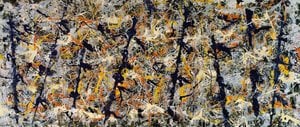
Lucifer

Experience Jackson Pollock's iconic 'Lucifer,' a dynamic Abstract Expressionist masterpiece from 1947 featuring layered drips and patterns in black and white. A captivating exploration of form and emotion, perfect for art lovers seeking a bold statement piece.

जैक्सन पोलक (1912-1956) अमूर्त अभिव्यक्तिवाद और ड्रिप पेंटिंग के अग्रणी कलाकार थे। उनकी प्रतिष्ठित रचनाओं, भावनात्मक तीव्रता और आधुनिक कला पर स्थायी प्रभाव की खोज करें। #अमूर्तअभिव्यक्तिवाद #पोलक

गिक्ली / आर्ट प्रिंट

तेज़ उत्पादन और विभिन्न फिनिश विकल्पों के साथ म्यूजियम-क्वालिटी गिकली (giclée) या कैनवस प्रिंट। ( हाथ से बनी पेंटिंग खरीदें डिजिटल इमेज पर जाएँ)

Corner sample of the P118B picture frame: मोल्डेड पॉलीस्टायरीन, 5 cm wide and 3 cm thick
P118B ₹10
Corner sample of the P118H picture frame: मोल्डेड पॉलीस्टायरीन, 5 cm wide and 3 cm thick
P118H ₹10
Corner sample of the P118W picture frame: मोल्डेड पॉलीस्टायरीन, 5 cm wide and 3 cm thick
P118W ₹10
Corner sample of the P438Z picture frame: मोल्डेड पॉलीस्टायरीन, 5.5 cm wide and 3.5 cm thick
P438Z ₹10
Corner sample of the P508JH picture frame: मोल्डेड पॉलीस्टायरीन, 7 cm wide and 3.5 cm thick
P508JH ₹12
Corner sample of the P508YH picture frame: मोल्डेड पॉलीस्टायरीन, 7 cm wide and 3.5 cm thick
P508YH ₹12
Corner sample of the P805H picture frame: मोल्डेड पॉलीस्टायरीन, 5 cm wide and 3.5 cm thick
P805H ₹10
Corner sample of the P805Z picture frame: मोल्डेड पॉलीस्टायरीन, 5 cm wide and 3.5 cm thick
P805Z ₹10
Corner sample of the P919BZ picture frame: मोल्डेड पॉलीस्टायरीन, 7 cm wide and 3.5 cm thick
P919BZ ₹10
Corner sample of the P919G picture frame: मोल्डेड पॉलीस्टायरीन, 7 cm wide and 3.5 cm thick
P919G ₹10
Corner sample of the P919XJ picture frame: मोल्डेड पॉलीस्टायरीन, 7 cm wide and 3.5 cm thick
P919XJ ₹10
Corner sample of the P959ZH picture frame: मोल्डेड पॉलीस्टायरीन, 5 cm wide and 3 cm thick
P959ZH ₹10
Corner sample of the P968JZ picture frame: मोल्डेड पॉलीस्टायरीन, 6 cm wide and 4 cm thick
P968JZ ₹12
Corner sample of the W106C picture frame: ठोस लकड़ी, 5 cm wide and 3 cm thick
W106C ₹8
Corner sample of the W218G picture frame: ठोस लकड़ी, 5 cm wide and 3 cm thick
W218G ₹10
Corner sample of the W218JH picture frame: ठोस लकड़ी, 5 cm wide and 3 cm thick
W218JH ₹8
Corner sample of the W218Y picture frame: ठोस लकड़ी, 5 cm wide and 3 cm thick
W218Y ₹10
Corner sample of the W307PJ picture frame: ठोस लकड़ी, 6 cm wide and 3 cm thick
W307PJ ₹10
Corner sample of the W316G picture frame: ठोस लकड़ी, 6 cm wide and 3 cm thick
W316G ₹10
Corner sample of the W316PJ picture frame: ठोस लकड़ी, 6 cm wide and 3 cm thick
W316PJ ₹8
Corner sample of the W316Y picture frame: ठोस लकड़ी, 6 cm wide and 3 cm thick
W316Y ₹10
Corner sample of the W398PJ picture frame: ठोस लकड़ी, 5 cm wide and 3 cm thick
W398PJ ₹8
Corner sample of the W4111J picture frame: ठोस लकड़ी, 6.5 cm wide and 3.5 cm thick
W4111J ₹10
Corner sample of the W500HY picture frame: ठोस लकड़ी, 7 cm wide and 5 cm thick
W500HY ₹15
Corner sample of the W500JH picture frame: ठोस लकड़ी, 7 cm wide and 5 cm thick
W500JH ₹15
Corner sample of the W692G picture frame: ठोस लकड़ी, 8 cm wide and 4 cm thick
W692G ₹12
Corner sample of the W849H picture frame: ठोस लकड़ी, 5 cm wide and 3 cm thick
W849H ₹8
Corner sample of the W940BG picture frame: ठोस लकड़ी, 7.5 cm wide and 4.5 cm thick
W940BG ₹15
Corner sample of the W953PJ picture frame: ठोस लकड़ी, 6 cm wide and 3.5 cm thick
W953PJ ₹8

मानक आकार
अनुकूलित
CM
INCH

कलाकृति के मूल अनुपात से मेल खाने वाले हमारे पूर्व निर्धारित आकारों में से चुनें।

चौड़ाई
ऊँचाई

अपने फ्रेम या अपनी दीवार के अनुसार आवश्यक चौड़ाई और ऊंचाई दर्ज करें। प्रिंट को केवल काटा जा सकता है, चित्र से बड़ा कभी नहीं बनाया जा सकता, इसलिए अलग आकार का साइज चित्र का एक हिस्सा खो देता है। किसी भी चीज़ को प्रिंट करने से पहले हम आपकी स्वीकृति के लिए आपको एक डिजिटल मॉकअप भेजते हैं। इस पृष्ठ पर दिखाया गया चित्र वास्तविक कटिंग नहीं दिखाता है — केवल मॉकअप ही इसे दर्शाता है।

विश्वव्यापी डिलीवरी (), मानक 4/5 सप्ताह के बजाय मात्र 2 सप्ताह में। (21 अक्टूबर)

दुनिया भर में मुफ़्त एक्सप्रेस शिपिंग
प्रीमियम ग्रेड लिनेन कैनवास
पूर्ण शिपिंग बीमा
सीमा शुल्क और आयात कर वापसी की गारंटी
सटीक रंग मिलान की गारंटी
100 दिनों की वापसी नीति (केवल निर्माण दोष होने पर)
100% पैसे वापसी की गारंटी
थोक छूट का अवसर

कुल कीमत

₹ 6505

Lucifer

गिक्ली / आर्ट प्रिंट

प्रतिकृति का आकार

-

कुल मूल्य

₹ 6505

मुख्य विवरण

  • Notable elements: Intricate patterns, texture & depth
  • Medium: Drip Painting
  • Dimensions: 268 x 104 cm
  • Artistic style: Abstract, Symbolic
  • Year: 1947
  • Title: Lucifer

A Descent into Chaos: Exploring Jackson Pollock's "Lucifer"

Jackson Pollock’s “Lucifer,” painted in 1947, isn’t merely a painting; it’s an immersion. Measuring a substantial 268 x 104 cm, this work embodies the raw energy and profound emotionality of Abstract Expressionism at its zenith. The canvas explodes with a carefully orchestrated dance of black and white, a visual storm rendered through Pollock's revolutionary drip technique – a method he perfected to capture not just form, but the very essence of movement and feeling. Close inspection reveals an intricate network of layered textures, each drop and splatter contributing to a composition that feels both chaotic and meticulously controlled.

  • Technique: Pollock’s “all-over” technique is central to "Lucifer's" impact. He abandoned traditional brushes, opting instead for sticks, knives, and even syringes to fling paint directly onto the canvas, creating a dense tapestry of overlapping marks.
  • Color Palette: The stark contrast between black and white amplifies the painting’s dynamism, forcing the viewer to confront the interplay of light and shadow within its complex structure.
  • Scale: The large format of "Lucifer" envelops the observer, drawing them into the heart of Pollock's creative process.

The Genesis of a Vision: Early Influences and Artistic Context

Pollock’s artistic journey began with a restless spirit shaped by his upbringing in Cody, Wyoming – a landscape that instilled within him a deep appreciation for natural forces and the rhythms of the West. His early exposure to Native American art, particularly through his father's surveying work, subtly informed his later explorations of composition and spiritual resonance. This influence is not overt imitation but rather a foundational layer contributing to the painting’s underlying power. Pollock’s formal training at the Art Students League under Thomas Hart Benton, a key figure in the Regionalist movement, further solidified his understanding of dynamic composition – a skill he then radically transformed through his own innovative approach. “Lucifer” stands as a testament to this evolution, building upon established principles while forging entirely new pathways for artistic expression.

Decoding the Symbolism: Layers of Interpretation

"Lucifer" resists easy interpretation, deliberately eschewing representational imagery in favor of abstract forms and textures. The interwoven patterns can be seen as symbolic representations of inner turmoil, spiritual struggle, or perhaps simply a visual manifestation of the artist’s subconscious. Some scholars suggest that the dominant black and white hues symbolize duality – light versus darkness, order versus chaos – reflecting the core themes explored by Abstract Expressionism. The seemingly random arrangement of shapes and forms actually possesses a carefully constructed dynamism, inviting viewers to engage in their own personal interpretations.

A Legacy of Innovation: "Lucifer" within the Art Historical Landscape

“Lucifer” is inextricably linked to the broader context of Abstract Expressionism, a movement that sought to liberate art from traditional constraints and explore the depths of human emotion. Works by Clyfford Still, with their similarly monumental scale and abstract forms, share conceptual affinities. Furthermore, the influence of Wassily Kandinsky’s exploration of geometric shapes and vibrant colors can be detected in Pollock's approach. Currently held within the Peggy Guggenheim Collection in Venice, "Lucifer" remains a pivotal work in Pollock’s oeuvre and a cornerstone of modern art history – a testament to his revolutionary vision and enduring impact.

प्रश्न और उत्तर

पॉल जैक्सन पोलक द्वारा "Lucifer" के रंग कितने गहरे हैं?

पॉल जैक्सन पोलक द्वारा "Lucifer" में Monochromatic रंग की तीव्रता दिखाई देती है।

पॉल जैक्सन पोलक द्वारा "Lucifer" के लिए अनुशंसित प्रिंट आकार क्या है?

पॉल जैक्सन पोलक द्वारा "Lucifer" के लिए अनुशंसित प्रिंट आकार Large है।

पॉल जैक्सन पोलक अन्य किन नामों से जाने जाते हैं?

पॉल जैक्सन पोलक अन्य नामों जैक्सन पोलक, पोलक के नाम से भी जाने जाते हैं।


कलाकार का परिचय

प्रारंभिक जीवन और नवाचार के बीज

पॉल जैक्सन पोलक, जिनका जन्म 1912 में कोडी, व्योमिंग में हुआ था, शुरुआत से ही एक बेचैन आत्मा थे। उनका प्रारंभिक जीवन बार-बार होने वाले प्रवासों से चिह्नित था, क्योंकि उनके पिता अमेरिकी पश्चिम के विशाल परिदृश्यों में एक भूमि सर्वेक्षक के रूप में कार्य करते थे। इस घुमंतू जीवन ने युवा पोलक के भीतर प्राकृतिक दुनिया के साथ एक गहरा संबंध और विविध संस्कृतियों के प्रति संवेदनशीलता विकसित की, विशेष रूप से उन सर्वेक्षण यात्राओं के दौरान मूल अमेरिकी कला के साथ हुए अनुभवों के माध्यम से—ये वे प्रभाव थे जो जीवन के उत्तरार्ध में उनकी कलात्मक दृष्टि में सूक्ष्मता से समा गए। हालाँकि उन्होंने कभी भी स्पष्ट रूप से स्वदेशी शैलियों की नकल नहीं की, लेकिन इन प्रारंभिक अनुभवों की कच्ची ऊर्जा और आध्यात्मिक प्रतिध्वनि ने निस्संदेह अपनी छाप छोड़ी।

पोलक का औपचारिक कला प्रशिक्षण लॉस एंजिल्स के मैनुअल आर्ट्स हाई स्कूल में शुरू हुआ, जिसके बाद थॉमस हार्ट बेंटन के संरक्षण में न्यूयॉर्क की आर्ट स्टूडेंट्स लीग में अध्ययन हुआ। क्षेत्रीयतावादी (Regionalist) आंदोलन के एक प्रमुख व्यक्तित्व, बेंटन ने लयबद्ध संरचना और अमेरिकी जीवन में निहित कथात्मक विषयों पर जोर दिया। हालाँकि पोलक ने शुरुआत में इन पाठों को आत्मसात किया, लेकिन उनका स्वाभाविक झुकाव अधिक अमूर्त अन्वेशनों की ओर था। वे जोस क्लेमेंटे ओरोज्को जैसे मैक्सिकन भित्ति चित्रकारों से भी गहराई से प्रभावित थे, जिनके सामाजिक संघर्ष के शक्तिशाली चित्रण ने उन्हें भीतर तक झकझोर दिया था। इन प्रारंभिक प्रभावों ने एक आधार तैयार किया, लेकिन यह अतियथार्थवाद (Surrealism) की उभरती दुनिया ही थी जिसने वास्तव में पोलक की कलात्मक क्षमता के द्वार खोल दिए।

एक्शन पेंटिंग का जन्म और एक क्रांतिकारी तकनीक

1930 के दशक में पोलक ने पारंपरिक ब्रशवर्क के विकल्पों की तलाश में विभिन्न तकनीकों के साथ प्रयोग किए। उन्होंने पेंट को कैनवास पर उंडेलना शुरू किया, इसकी तरलता और अप्रत्याशित प्रकृति की खोज की। हालाँकि, यह लगभग 1947 की बात है जब उनके कलात्मक प्रक्षेपवक्र में एक क्रांतिकारी परिवर्तन आया। ईज़ल (easel) को पूरी तरह से त्यागकर, पोलक ने कैनवास को सीधे फर्श पर बिछा दिया, जिससे उस तकनीक की शुरुआत हुई जिसे बाद में उनकी "ड्रिप तकनीक" के रूप में जाना गया। इसके बाद वे ऊपर से कैनवास पर पेंट टपकाने, छिड़कने और फेंकने लगे, जिससे कलाकार, माध्यम और सतह के बीच एक गतिशील नृत्य का आयोजन हुआ।

यह केवल पेंट लगाने के बारे में नहीं था; यह सृजन की प्रक्रिया को जीवंत करने के बारे में था। पोलक के कैनवास शारीरिक अभिव्यक्ति के अखाड़े बन गए, जो उनके हाव-भाव और भावनाओं की तात्कालिकता को कैद करते थे। इसके परिणामस्वरूप बनी पेंटिंग्स अपनी "ऑल-ओवर" संरचना के लिए जानी जाती हैं—एक ऐसा केंद्रीय फोकस का अभाव जो दर्शक को ऊर्जा के एक एकीकृत क्षेत्र के रूप में पूरी सतह का अन्वेषण करने के लिए आमंत्रित करता है। रेखाओं और रंगों के जटिल जाल आपस में गुंथे हुए हैं, जो एक ऐसी दृश्य जटिलता पैदा करते हैं जो मंत्रमुग्ध करने वाली और चुनौतीपूर्ण दोनों है। उन्होंने पेंट को अप्रत्याशित तरीकों से नियंत्रित करने के लिए छड़ियों, चाकू और यहाँ तक कि सिरिंज जैसे अपरंपरागत उपकरणों का उपयोग किया, जिससे उनकी प्रक्रिया की सहज प्रकृति और भी स्पष्ट हो गई।

इस अभिनव दृष्टिकोण ने पोलक को उभरते हुए अमूर्त अभिव्यक्तिवाद (Abstract Expressionist) आंदोलन के एक केंद्रीय पात्र के रूप में स्थापित किया, जो द्वितीय विश्व युद्ध के बाद न्यूयॉर्क शहर में उभरा था। अमूर्त अभिव्यक्तिवाद ने सहज हाव-भाव, बड़े पैमाने और गैर-प्रतिनिधित्ववादी चित्रण को प्राथमिकता दी, जो पारंपरिक कलात्मक परंपराओं से दूर एक व्यापक सांस्कृतिक बदलाव को दर्शाता था। साथी कलाकार ली क्रास्नर के साथ उनका विवाह भी अत्यंत महत्वपूर्ण था; उन्होंने अटूट भावनात्मक समर्थन प्रदान किया और उनके कार्य की क्रांतिकारी प्रकृति को पहचानते हुए उनके कलात्मक विकास को सक्रिय रूप से प्रोत्साहित किया।

प्रतिष्ठित कृतियाँ और स्थायी विरासत

पोलक की सबसे प्रसिद्ध कृतियाँ—जैसे कि Number 1, 1950 (Lavender Mist), One: Number 31, 1950, Blue Poles: Number 11, 1952, और Convergence—उनकी क्रांतिकारी तकनीक के प्रमाण हैं। ये पेंटिंग्स केवल चित्र नहीं हैं; वे एक प्रदर्शन के रिकॉर्ड हैं, जो कलाकार की शारीरिक उपस्थिति और भावनात्मक तीव्रता से ओतप्रोत हैं। इन कैनवासों से निकलने वाली गतिशील ऊर्जा स्पष्ट रूप से महसूस की जा सकती है, जो दर्शकों को शुद्ध अमूर्तता की दुनिया में खींच लेती है।

उनकी शैली केवल सौंदर्यशास्त्र से परे है; यह उत्पाद के बजाय प्रक्रिया का एक अन्वेषण है। पोलक ने संरचना और प्रतिनिधित्व की पारंपरिक धारणाओं को खारिज करते हुए कैनवास पर अपने कार्यों और भावनाओं की तात्कालिकता को पकड़ने का प्रयास किया। उन्होंने जुंगियन मनोविज्ञान में गहराई से उतरते हुए, अपनी कला में आदिप्रारूपों (archetypes) और अवचेतन की खोज की, ताकि सार्वभौमिक प्रतीकों और आदिम ऊर्जाओं तक पहुँचा जा सके।

कला के इतिहास पर पोलक का प्रभाव अथाह है। उन्होंने मौलिक रूप से कलाकारों के पेंटिंग करने के तरीके को बदल दिया, ईज़ल-आधारित विधियों से मुक्त होकर एक अधिक प्रदर्शनकारी दृष्टिकोण को अपनाया। उनके कार्य ने आधुनिक कला के वैश्विक केंद्र के रूप में न्यूयॉर्क शहर की स्थिति को मजबूत करने में मदद की, जिससे ध्यान यूरोपीय प्रभुत्व से हटकर अमेरिका की ओर स्थानांतरित हुआ। उनका प्रभाव उन अनगिनत कलाकारों के काम में देखा जा सकता है जो उनके बाद आए, जिनमें कलर फील्ड पेंटिंग और अमूर्त अभिव्यक्तिवाद के बाद के रूपों से जुड़े कलाकार भी शामिल हैं।

हालाँकि शुरुआत में उन्हें मिश्रित प्रतिक्रियाओं का सामना करना पड़ा—कुछ आलोचकों ने उनके काम को अराजक या कौशल की कमी वाला कहकर खारिज कर दिया—लेकिन 1956 में 44 वर्ष की आयु में असामयिक मृत्यु के बाद पोलक की प्रतिष्ठा लगातार बढ़ती गई। आज, उन्हें 20वीं सदी के सबसे महत्वपूर्ण और प्रभावशाली कलाकारों में से एक के रूपता से सार्वभौमिक रूप से मान्यता प्राप्त है, एक ऐसे दूरदर्शी के रूप में जिन्होंने परंपराओं को चुनौती देने और कलात्मक अभिव्यक्ति की सीमाओं को फिर से परिभाषित करने का साहस किया। उनकी अभिनव तकनीकें और अभिव्यंजक शैली आज भी प्रेरित और उत्तेजित करती रहती हैं, जो आने वाली पीढ़ियों के लिए उनकी स्थायी विरासत सुनिश्चित करती हैं।

पॉल जैक्सन पोलक

पॉल जैक्सन पोलक

1912 - 1956 , संयुक्त राज्य अमेरिका

संक्षिप्त जानकारी

  • कला आंदोलन/शैली: अमूर्त अभिव्यंजनावाद
  • किसके द्वारा प्रभावित: ['कलर फील्ड पेंटिंग']
  • जन्म तिथि: 28 जनवरी 1912
  • जन्म स्थान: कोडी, संयुक्त राज्य अमेरिका
  • पूरा नाम: पॉल जैक्सन पोलॉक
  • प्रभावित कलाकार:
    • जोसे क्लेमेंटे ओरोस्को
    • थॉमस हार्ट बेंटन
  • प्रमुख कलाकृतियाँ:
    • नंबर 1, 1950 (लैवेंडर मिस्ट)
    • वन: नंबर 31, 1950
  • मृत्यु तिथि: 11 अगस्त 1956
  • राष्ट्रीयता: अमेरिकी
विषयों, शैलियों और विशेषताओं के आधार पर व्यवस्थित कलाकृतियों का अन्वेषण करें।