मुफ़्त कला परामर्श सेवा

x
पेंटिंग ऑर्डर करें पेंटिंग ऑर्डर करेंछवि खरीदें छवि खरीदें साझा करेंसाझा करें
विवरणविवरण पसंदीदा में जोड़ें पसंदीदा में जोड़ें डाउनलोड करेंडाउनलोड करें समान कलाकृतियाँसमान कलाकृतियाँ एक्स-रेएक्स-रे स्लाइड शो देखेंस्लाइड शो देखें

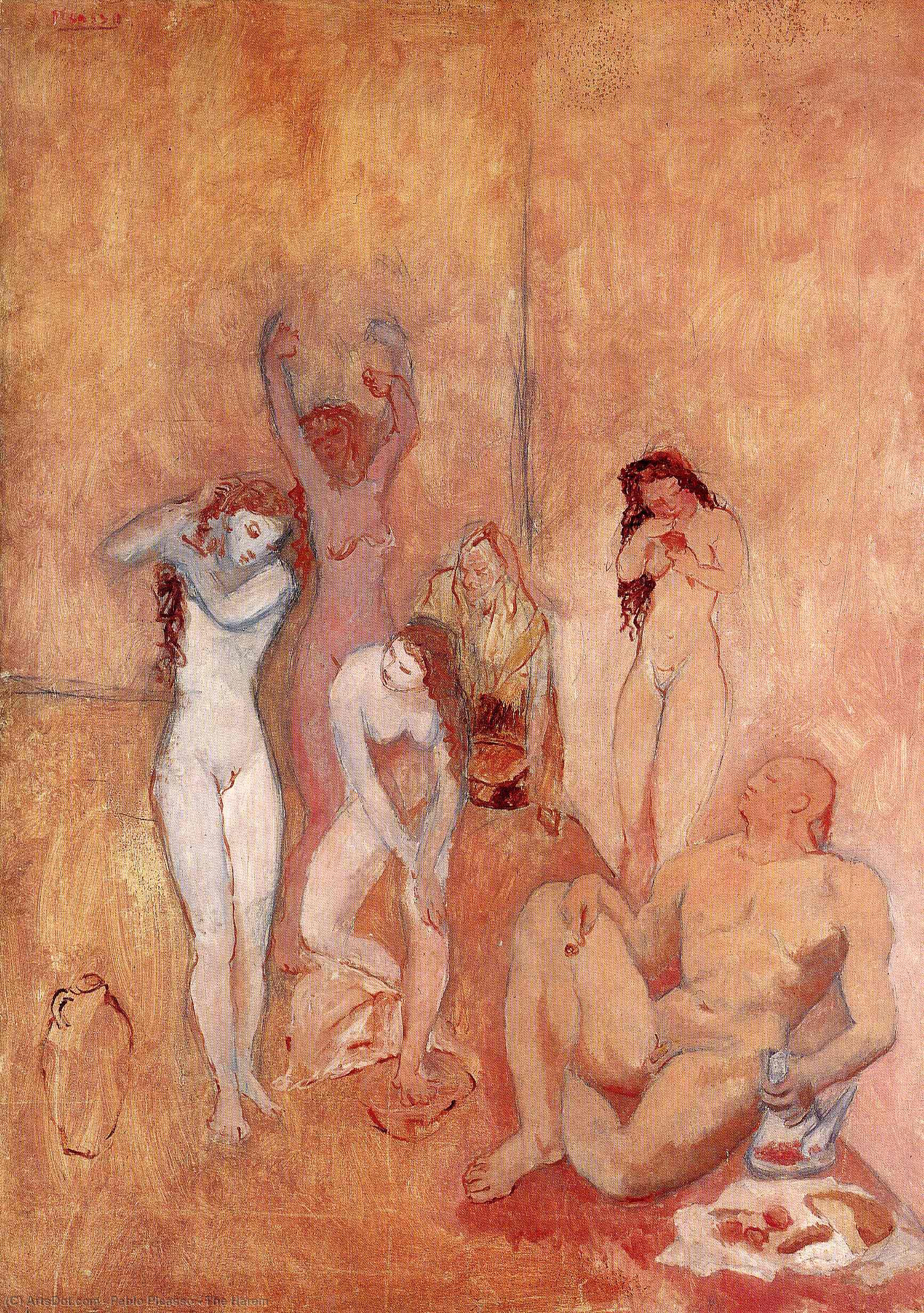
The Harem

Experience Pablo Picasso's 'The Harem,' a vibrant 1906 oil painting capturing a private moment within a wealthy family’s home. Explore its expressionist style and Neo-Figurative influences – a masterpiece of modern art.

पिकासो (1881-1973) एक क्रांतिकारी स्पेनिश चित्रकार और मूर्तिकार थे, जिन्होंने क्यूबिज्म की स्थापना में महत्वपूर्ण भूमिका निभाई। 'गुएर्निका' और 'ले डेमेसेल डी’एविग्नन' जैसी उत्कृष्ट कृतियों के लिए जाने जाते हैं, उनका कलात्मक प्रभाव आज भी प्रेरणादायक है।

गिक्ली / आर्ट प्रिंट

तेज़ उत्पादन और विभिन्न फिनिश विकल्पों के साथ म्यूजियम-क्वालिटी गिकली (giclée) या कैनवस प्रिंट।

P118B $10
P118H $10
P118W $10
P438Z $10
P508JH $12
P508YH $12
P805H $10
P805Z $10
P919BZ $10
P919G $10
P919XJ $10
P959ZH $10
P968JZ $12
W106C $8
W218G $10
W218JH $8
W218Y $10
W307PJ $10
W316G $10
W316PJ $8
W316Y $10
W398PJ $8
W4111J $10
W500HY $15
W500JH $15
W692G $12
W849H $8
W940BG $15
W953PJ $8

Standard
custom
CM
INCH

कलाकृति के मूल अनुपात से मेल खाने वाले हमारे पूर्व निर्धारित आकारों में से चुनें।

चौड़ाई
ऊँचाई

आप किसी विशिष्ट फ्रेम या स्थान के अनुसार अपने स्वयं के आयाम (dimensions) दर्ज कर सकते हैं। यदि आपके द्वारा चुना गया आकार मूल छवि के अनुपात से मेल नहीं खाता है, तो हम कलाकृति को क्रॉप कर देंगे या मिरर किए गए या सॉलिड-फिल किनारे के साथ छवि का विस्तार करेंगे। उत्पादन शुरू होने से पहले आपकी स्वीकृति के लिए एक डिजिटल मॉकअप भेजा जाएगा।
कृपया ध्यान दें कि स्क्रीन पर दिखने वाला प्रीव्यू वास्तविक क्रॉपिंग या विस्तार को नहीं दर्शाता है। केवल मॉकअप ही अंतिम संरचना को सटीक रूप से दिखाएगा।
हालाँकि कस्टम आकार उपलब्ध हैं, फिर भी हम मूल अनुपात बनाए रखने के लिए पूर्व-निर्धारित सूची में से एक आयाम चुनने की सलाह देते हैं।

विश्वव्यापी डिलीवरी (), मानक 4/5 सप्ताह के बजाय मात्र 2 सप्ताह में। (4 जुलाई)

why_choose_icon
दुनिया भर में मुफ़्त एक्सप्रेस शिपिंग
why_choose_icon
उच्च गुणवत्ता वाला लिनेन कैनवास
why_choose_icon
पूर्ण शिपिंग बीमा
why_choose_icon
सीमा शुल्क और आयात कर वापसी की गारंटी
why_choose_icon
सटीक रंग मिलान की गारंटी
why_choose_icon
60-दिन की वापसी नीति (केवल दोषों के लिए)
why_choose_icon
100% पैसे वापसी की गारंटी
why_choose_icon
थोक छूट का लाभ

कुल कीमत

-

reproduction

The Harem

गिक्ली / आर्ट प्रिंट

प्रतिकृति का आकार

-

कुल देय राशि

-

प्रमुख विशेषताएँ

  • Title: The Harem
  • Artist: Pablo Picasso
  • Medium: Oil on canvas
  • Year: 1906
  • Notable elements: Nude figures, couch
  • Subject or theme: Intimate setting
  • Location: Cleveland Art

कला प्रश्नोत्तरी

प्रत्येक प्रश्न का केवल एक ही सही उत्तर है।

प्रश्न 1:
What artistic movement is "The Harem" primarily associated with?
प्रश्न 2:
In the painting "The Harem", what is the primary function of the couch and chair?
प्रश्न 3:
What color palette is most prominent in "The Harem"?
प्रश्न 4:
Which artist significantly influenced Picasso's style during the creation of "The Harem"?
प्रश्न 5:
Approximately when was "The Harem" painted?

संग्रहणीय वस्तु का विवरण

A Glimpse into a Private World: The Genesis of "The Harem"

Pablo Picasso’s “The Harem,” painted in 1906, isn't merely a depiction of women; it’s an immersion into a carefully constructed atmosphere—a private sanctuary rendered with the raw energy and emotional intensity characteristic of his burgeoning expressionist style. Born in Málaga, Spain, Picasso was already a force to be reckoned with, having swiftly moved beyond academic training to forge a distinctly personal vision. This particular work emerged during a pivotal period in his artistic evolution, following the introspective mood of his Blue Period and preceding the revolutionary fragmentation of Cubism. The painting’s creation coincided with a trip to Spain alongside his lover, Fernande Olivier, offering Picasso a chance to reconnect with his homeland and its traditions – a connection that profoundly influenced his work.

The scene unfolds within a modestly furnished room—a couch, a chair, and a scattering of objects like bowls and vases. Yet, it’s not the literal arrangement that captivates, but rather Picasso's masterful manipulation of form and color. He abandons the cool, muted palette of his earlier Blue Period, embracing instead a warmer, more sensual range—a deliberate shift signaling a move towards exploring themes of desire, intimacy, and perhaps even a hint of underlying tension. The figures themselves are not rendered with photographic realism; they’re distorted, fragmented, and imbued with an almost palpable energy. Picasso employs bold, gestural brushstrokes, layering color and creating a sense of movement that draws the viewer into the heart of the scene.

Neo-Figurative Roots: A Reaction Against Abstraction

“The Harem” firmly places itself within the burgeoning Neo-Figurative art movement—a fascinating counterpoint to the prevailing abstract expressionism of the time. While abstract expressionists sought to convey emotion through pure form and color, Picasso’s approach retains a recognizable figuration, albeit profoundly transformed. This movement represented a deliberate return to representational imagery, but with a crucial twist: artists like Picasso deliberately distorted and fragmented their subjects, injecting them with an element of psychological intensity. The painting isn't simply *about* a harem; it’s about the emotions, desires, and power dynamics that might exist within such a space.

Picasso’s use of color is particularly significant in this context. He employs vibrant reds, oranges, and yellows—colors often associated with passion, desire, and even danger—to create a sense of heightened emotion. The figures are not presented as idealized beauties; they possess a raw, almost unsettling quality. Their bodies are rendered with an expressive distortion that suggests vulnerability, strength, or perhaps a complex mixture of both. This deliberate ambiguity invites the viewer to project their own interpretations onto the scene.

Echoes of Influences: Pechstein and Matisse

Picasso’s artistic journey was never undertaken in isolation. He was deeply influenced by a diverse range of artists, including the German expressionist Hermann Max Pechstein. Pechstein's work, characterized by its bold colors and emotionally charged figures, shared with Picasso a commitment to conveying subjective experience through distorted forms. Notably, Pechstein’s integration into Die Brücke in 1906—a group known for its radical experimentation—reflects the broader artistic currents of the time. Furthermore, Picasso's engagement with Henri Matisse’s Fauvist style – particularly his use of intense color and simplified forms – is evident in “The Harem.” Matisse’s influence encouraged Picasso to push the boundaries of color and form, contributing to the painting’s vibrant intensity.

A Window into a Complex Narrative: Symbolism and Interpretation

Beyond its formal qualities, "The Harem" invites numerous interpretations. The presence of a man holding a flower and a porrón (a type of drinking vessel) suggests a dynamic interplay between power and intimacy. The porrón, with its phallic shape, could symbolize male dominance or perhaps the potential for conflict within the group. The arrangement of the women around the furniture creates an intimate atmosphere, but also hints at a complex social hierarchy. Picasso’s deliberate ambiguity leaves much open to interpretation, inviting viewers to engage with the painting on a deeply personal level.

WahooArt offers meticulously crafted hand-painted reproductions of “The Harem,” allowing you to experience the full impact of this iconic masterpiece in stunning detail. Explore our collection and bring this captivating work of art into your home or office today. Learn more about Pablo Picasso: The Harem at WahooArt.

संबद्ध कलाकृतियाँ


कलाकार का जीवन परिचय

पाब्लो पिकासो: कलात्मक क्रांति के प्रतीक

पाब्लो रुइज़ वाई पिकासो, एक ऐसा नाम जो कलात्मक क्रांति का पर्याय है, का जन्म 25 अक्टूबर 1881 को मलागा, स्पेन में हुआ था। उनका अस्तित्व ही रचनात्मक अभिव्यक्ति के लिए अभिशप्त प्रतीत होता था; किंवदंती है कि उनके पहले शब्द "पिज, पिज़" थे, पेंसिल कहने का एक प्रयास। इस प्रारंभिक झुकाव को उनके पिता, जोसे रुइज़ वाई ब्लास्को द्वारा पोषित किया गया, जो एक चित्रकार और कला शिक्षक थे, जिन्होंने युवा पाब्लो को मूलभूत प्रशिक्षण प्रदान किया। हालाँकि, छात्र ने जल्द ही प्रशिक्षक को पीछे छोड़ दिया, प्राकृतिक चित्रण के लिए एक उल्लेखनीय योग्यता का प्रदर्शन किया जिसने भीतर निहित असाधारण प्रतिभा का संकेत दिया। परिवार की बाद की चालें – पहले ए कोरुना, फिर बार्सिलोना – व्यक्तिगत त्रासदी से चिह्नित थीं, विशेष रूप से पिकासो की बहन की हानि, अनुभव जो सूक्ष्म रूप से उनके बाद के काम में उदासी और मृत्यु दर के विषयों को भर देंगे। औपचारिक अध्ययन के दौरान बार्सिलोना के स्कूल ऑफ फाइन आर्ट्स में और मैड्रिड के रॉयल एकेडमी ऑफ सैन फर्नांडो में एक संक्षिप्त कार्यकाल के दौरान भी, पिकासो कठोर शैक्षणिक बाधाओं के खिलाफ विद्रोह करते थे, इसके बजाय वेल्ज़क्वेज़ और गोया जैसे मास्टर्स के कार्यों में खुद को डुबो देते थे, कलात्मक नवाचार की ओर अपने स्वयं के मार्ग का निर्माण करते थे।

नीले और गुलाबी रंगों की दुनिया: प्रारंभिक चरण

20वीं सदी के शुरुआती वर्षों ने पिकासो के काम में दो विशिष्ट अवधियों का उदय देखा: नीला दौर (लगभग 1901-1904) और गुलाबी दौर (1904-1906)। व्यक्तिगत कठिनाई और सामाजिक पीड़ा की गहरी समझ से पैदा हुआ नीला दौर, नीले और नीले-हरे रंगों की गंभीर छायाओं में डूबे चित्रों द्वारा चिह्नित है। ये काम हाशिए के आंकड़ों से भरे हुए हैं – भिखारी, अंधे, वेश्याएं – एक भयावह सहानुभूति के साथ प्रस्तुत किए गए हैं जो अलगाव और निराशा के विषयों को व्यक्त करते हैं। ला वी (1903) और द ओल्ड गिटारिस्ट (1903-1904) इस भावनात्मक रूप से आवेशित चरण के मार्मिक उदाहरण के रूप में खड़े हैं। एक व्यक्तिगत जीवन में बदलाव, पेरिस जाने के साथ मिलकर, गुलाबी दौर का आगमन हुआ। पैलेट काफी गर्म हो गया, गुलाबी, नारंगी और लाल रंग को अपनाते हुए, एक अधिक आशावादी दृष्टिकोण को दर्शाता है। इस अवधि ने सर्कस कलाकारों में रुचि देखी - हार्लेक्विन, एक्रोबेट और पारिवारिक दल - जो नाजुकता और लचीलापन दोनों को मूर्त रूप देते हैं। फैमिली ऑफ साल्टिंबैंक्स (1905) खूबसूरती से इस संक्रमण को समाहित करता है, आगामी शैलीगत अन्वेषणों का संकेत देता है।

दृष्टिकोण का विघटन: घनवाद और उससे आगे

1907 ने कला के इतिहास में एक महत्वपूर्ण क्षण चिह्नित किया लेस डेमॉइसल डी’एविग्नन के निर्माण के साथ। आइबेरियन मूर्तिकला और अफ्रीकी मुखौटों से प्रभावित, इस अभूतपूर्व पेंटिंग ने परिप्रेक्ष्य और प्रतिनिधित्व की पारंपरिक धारणाओं को तोड़ दिया। यह एक कट्टरपंथी प्रस्थान था, सदियों पुरानी परंपराओं का जानबूझकर अस्वीकृति जिसने घनवाद के लिए मार्ग प्रशस्त किया। जॉर्ज ब्राक के साथ घनिष्ठ सहयोग में काम करते हुए, पिकासो ने इस क्रांतिकारी आंदोलन की सह-स्थापना की, मौलिक रूप से बदल दिया कि कलाकारों ने वास्तविकता को कैसे देखा और चित्रित किया। विश्लेषणात्मक घनवाद (1909-1912) वस्तुओं को ज्यामितीय आकृतियों में खंडित करने पर केंद्रित था, जो शांत रंगों में प्रस्तुत किया गया था, जैसे कि स्वयं रूप का विश्लेषण करना। यह सिंथेटिक घनवाद (1912-1919) में विकसित हुआ, जिसमें अखबार के क्लिपिंग और कपड़े के टुकड़ों जैसे कोलाज तत्वों को शामिल किया गया, बनावट और दृश्य जटिलता की नई परतें जोड़ दी गईं। पिकासो दुनिया का प्रतिनिधित्व करने से संतुष्ट नहीं थे; उन्होंने इसे विघटित करना और अपनी शर्तों पर पुनर्निर्माण करना चाहा।

एक बेचैन प्रयोगकर्ता: नवशास्त्रीयवाद, अतियथार्थवाद और युद्ध

1920 के दशक ने पिकासो को संक्षिप्त रूप से नवशास्त्रीय शैलियों का पता लगाने के लिए देखा, जो क्लासिक रूपों को प्रतिध्वनित करने वाले विशाल आंकड़े बनाते हैं जबकि एक विशिष्ट आधुनिक संवेदनशीलता बनाए रखते हैं। साथ ही, उन्होंने उभरते अतियथार्थवादी आंदोलन के साथ भी जुड़ गए, हालांकि कभी भी इसके सिद्धांतों के साथ पूरी तरह से नहीं जुड़े। इस अवधि में उनका काम पहले की शैलीगत प्रभावों को अवास्तविक कल्पना और विकृत दृष्टिकोणों के साथ मिलाता है, उनकी अथक प्रयोग का प्रदर्शन करता है। स्पेनिश गृहयुद्ध की भयावहताओं ने पिकासो को गहराई से प्रभावित किया, जिसके परिणामस्वरूप गुएर्निका (1937) का निर्माण हुआ, गुएर्निका शहर के बमबारी के प्रति एक जीवंत और भावनात्मक रूप से विनाशकारी प्रतिक्रिया। यह विशाल कार्य युद्ध की क्रूरता का एक स्थायी प्रतीक बन गया, पिकासो की भूमिका को न केवल एक कलाकार बल्कि शांति और सामाजिक न्याय के लिए एक शक्तिशाली आवाज के रूप में मजबूत किया। 1950 और 60 के दशक में, उन्होंने अचल जिज्ञासा और कौशल के साथ सिरेमिक, मूर्तिकला और प्रिंटमेकिंग का पता लगाते हुए सीमाओं को लगातार चुनौती दी। जैक्वलीन रोक् के साथ उनकी शादी ने उनके व्यक्तिगत जीवन और कलात्मक अभिव्यक्ति में एक नया आयाम लाया।

एक अगणनीय प्रभाव

पाब्लो पिकासो 8 अप्रैल 1973 को मोउइन्स, फ्रांस में 91 वर्ष की आयु में निधन हो गए, जिससे एक आश्चर्यजनक कार्य का शरीर पीछे छूट गया - अनुमानित रूप से 50,000 से अधिक टुकड़े - जो आज भी दर्शकों को मोहित और प्रेरित करता है। उनके कलात्मक विकास को वेलज़क्वेज़ और गोया जैसे स्पेनिश मास्टर्स से लेकर आइबेरियन मूर्तिकला, अफ्रीकी कला और हेनरी मैटिस के जीवंत रंग पैलेट तक विविध प्रकार के प्रभावों द्वारा आकार दिया गया था। 20वीं सदी की कला पर उनका प्रभाव अगणनीय है। उन्होंने घनवाद की सह-स्थापना की, कोलाज और निर्मित मूर्तिकला का मार्ग प्रशस्त किया, और लगातार कलात्मक परंपराओं को चुनौती दी। पिकासो के अथक प्रयोग ने आधुनिक कला को फिर से परिभाषित किया, पीढ़ियों के कलाकारों पर एक अमिट छाप छोड़ी और इतिहास में सबसे महत्वपूर्ण और प्रभावशाली आंकड़ों में से एक के रूप में अपनी स्थिति मजबूत की। उनकी विरासत कैनवास से परे फैली हुई है, समकालीन संस्कृति के अनगिनत पहलुओं में प्रतिध्वनित होती है और हमें कलात्मक दृष्टि की परिवर्तनकारी शक्ति की याद दिलाती है।
पाब्लो पिकासो

पाब्लो पिकासो

1881 - 1973 , स्पेन

मुख्य तथ्य

  • Artistic Movement Or Style: क्यूबिज्म, अतियथार्थवाद
  • Artists Or Movements Influenced By This Artist:
    • क्यूबिज्म
    • आधुनिक कला
  • Artists Who Influenced This Artist:
    • वेलज़क्वेज़
    • गोया
    • मातिस
  • Date Of Birth: 25 अक्टूबर 1881
  • Date Of Death: 8 अप्रैल 1973
  • Full Name: पाब्लो रुइज़ पिकासो
  • Nationality: स्पेनिश
  • Notable Artworks:
    • लेस डेमेइसल्स डी'एविग्नन
    • ग्वेर्निका
    • द ओल्ड गिटारिस्ट
    • ला विए
    • फैमिली ऑफ़ साल्टिम्बैंक्स
  • Place Of Birth: मलागा, स्पेन
विषयों, शैलियों और विशेषताओं के आधार पर व्यवस्थित कलाकृतियों का अन्वेषण करें।