मुफ़्त कला परामर्श सेवा

x
पेंटिंग ऑर्डर करें पेंटिंग ऑर्डर करेंछवि खरीदें छवि खरीदें साझा करेंसाझा करें
विवरणविवरण पसंदीदा में जोड़ें पसंदीदा में जोड़ें डाउनलोड करेंडाउनलोड करें समान कलाकृतियाँसमान कलाकृतियाँ एक्स-रेएक्स-रे स्लाइड शो देखेंस्लाइड शो देखें

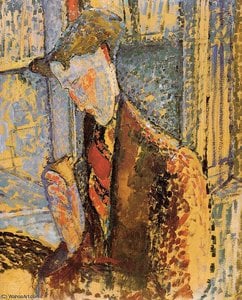
Self-Portrait

Explore Max Ernst’s ‘Self-Portrait’ (1909). A haunting Expressionist oil painting featuring thick brushstrokes & melancholic expression. Discover this pivotal work's texture, depth & historical significance.

मैक्स अर्न्स्ट (1891-1976) एक जर्मन-अमेरिकी चित्रकार थे जिन्होंने दादा और अतियथार्थवाद आंदोलनों में महत्वपूर्ण योगदान दिया। उनके स्वप्निल चित्रों, कोलाज और नवीन तकनीकों जैसे फ्रोटेज ने कला की दुनिया को बदल दिया।

गिक्ली / आर्ट प्रिंट

तेज़ उत्पादन और विभिन्न फिनिश विकल्पों के साथ म्यूजियम-क्वालिटी गिकली (giclée) या कैनवस प्रिंट।

P118B $10
P118H $10
P118W $10
P438Z $10
P508JH $12
P508YH $12
P805H $10
P805Z $10
P919BZ $10
P919G $10
P919XJ $10
P959ZH $10
P968JZ $12
W106C $8
W218G $10
W218JH $8
W218Y $10
W307PJ $10
W316G $10
W316PJ $8
W316Y $10
W398PJ $8
W4111J $10
W500HY $15
W500JH $15
W692G $12
W849H $8
W940BG $15
W953PJ $8

Standard
custom
CM
INCH

कलाकृति के मूल अनुपात से मेल खाने वाले हमारे पूर्व निर्धारित आकारों में से चुनें।

चौड़ाई
ऊँचाई

आप किसी विशिष्ट फ्रेम या स्थान के अनुसार अपने स्वयं के आयाम (dimensions) दर्ज कर सकते हैं। यदि आपके द्वारा चुना गया आकार मूल छवि के अनुपात से मेल नहीं खाता है, तो हम कलाकृति को क्रॉप कर देंगे या मिरर किए गए या सॉलिड-फिल किनारे के साथ छवि का विस्तार करेंगे। उत्पादन शुरू होने से पहले आपकी स्वीकृति के लिए एक डिजिटल मॉकअप भेजा जाएगा।
कृपया ध्यान दें कि स्क्रीन पर दिखने वाला प्रीव्यू वास्तविक क्रॉपिंग या विस्तार को नहीं दर्शाता है। केवल मॉकअप ही अंतिम संरचना को सटीक रूप से दिखाएगा।
हालाँकि कस्टम आकार उपलब्ध हैं, फिर भी हम मूल अनुपात बनाए रखने के लिए पूर्व-निर्धारित सूची में से एक आयाम चुनने की सलाह देते हैं।

विश्वव्यापी डिलीवरी (), मानक 4/5 सप्ताह के बजाय मात्र 2 सप्ताह में। (3 जुलाई)

why_choose_icon
दुनिया भर में मुफ़्त एक्सप्रेस शिपिंग
why_choose_icon
उच्च गुणवत्ता वाला लिनेन कैनवास
why_choose_icon
पूर्ण शिपिंग बीमा
why_choose_icon
सीमा शुल्क और आयात कर वापसी की गारंटी
why_choose_icon
सटीक रंग मिलान की गारंटी
why_choose_icon
60-दिन की वापसी नीति (केवल दोषों के लिए)
why_choose_icon
100% पैसे वापसी की गारंटी
why_choose_icon
थोक छूट का लाभ

कुल कीमत

-

reproduction

Self-Portrait

गिक्ली / आर्ट प्रिंट

प्रतिकृति का आकार

-

कुल देय राशि

-

प्रमुख विशेषताएँ

  • style: Expressive, painterly
  • artist: Max Ernst
  • influences: Early 20th-century portraiture
  • medium: Oil on canvas
  • title: Self-Portrait
  • subject: Self-portrait

कला प्रश्नोत्तरी

प्रत्येक प्रश्न का केवल एक ही सही उत्तर है।

प्रश्न 1:
In what year was Max Ernst's 'Self-Portrait' created?
प्रश्न 2:
Which artistic movement is most closely associated with Max Ernst and this artwork’s style?
प्रश्न 3:
The description highlights a key element of the painting's technique. What is it?
प्रश्न 4:
What is the primary focus of the composition in this self-portrait?
प्रश्न 5:
Based on the description, what is suggested about the subject’s emotional state?

संग्रहणीय वस्तु का विवरण

A Glimpse into the Soul: Max Ernst’s 1909 Self-Portrait

This compelling self-portrait by Max Ernst, created in 1909, offers a rare and intimate look at the artist during a pivotal moment of artistic exploration. Measuring 90 x 60 cm, the work transcends simple representation, delving into the realm of psychological introspection characteristic of early Expressionism. It’s a piece that resonates with both emotional depth and technical mastery.

Subject & Composition

The painting presents a close-up view of Ernst himself, focusing intently on his face and upper chest. The composition is deliberately cropped, eliminating any contextual background and forcing the viewer to engage directly with the artist’s gaze and inner state. This tight framing amplifies the intensity of the portrait, creating an almost claustrophobic sense of intimacy. The subject's expression is subtly melancholic, a contemplative stillness that invites speculation about his thoughts and feelings at the time of creation.

Style & Technique

Ernst’s style in this work leans heavily towards Expressionism, though it also demonstrates influences from established portraiture traditions. The most striking aspect of the technique is the *impasto* application of oil paint – thick, visible brushstrokes that build texture and create a dynamic surface. This tactile quality isn't merely decorative; it actively contributes to the emotional weight of the piece. Warm tones dominate the palette, lending a sense of warmth despite the underlying melancholy. The loose, gestural lines defining his features suggest a fleeting moment captured rather than a rigidly posed likeness. The play of light and shadow, emanating from an unseen source above and to the side, further sculpts the face, emphasizing its planes and contours.

Historical Context & Artistic Evolution

Created in 1909, this self-portrait predates Ernst’s full immersion into Dadaism and Surrealism – movements for which he would become renowned. However, it foreshadows his later experimentation with psychological themes and unconventional artistic approaches. The early 20th century was a period of profound social and intellectual upheaval, marked by anxieties about modernity and the human condition. This portrait can be seen as a reflection of these broader cultural currents, expressing a sense of alienation and introspection common in art of the era. Ernst’s formal education – encompassing philosophy, art history, literature, psychology, and psychiatry – deeply informed his artistic vision, allowing him to explore the complexities of the human psyche through visual means.

Symbolism & Emotional Impact

While not overtly symbolic, the painting's power lies in its ability to evoke a strong emotional response. The contemplative expression, combined with the textured brushwork and warm color palette, creates an atmosphere of quiet intensity. The direct gaze invites viewers to connect with Ernst on a personal level, prompting questions about his inner life and artistic motivations. It’s a portrait not just *of* Max Ernst, but *into* Max Ernst. The work speaks to the universal human experience of self-reflection and the search for meaning in a rapidly changing world.

For Collectors & Designers

This self-portrait is an exceptional example of early 20th-century portraiture, offering both artistic merit and historical significance. Its rich texture and emotive power make it a captivating focal point for any collection. In interior design, the painting’s warm tones and expressive style would complement a variety of settings, adding depth and sophistication to living spaces, studies, or galleries. A high-quality reproduction will retain much of the original's emotional impact and textural nuance, bringing a touch of artistic brilliance into any environment.

संबद्ध कलाकृतियाँ


कलाकार का जीवन परिचय

मैक्स अर्न्स्ट: स्वप्निल कल्पनाओं का पथप्रदर्शक

मैक्स अर्न्स्ट, जिनका जन्म 2 अप्रैल, 1891 को ब्रुहल, जर्मनी में हुआ था, बीसवीं सदी के सबसे महत्वपूर्ण और प्रभावशाली कलाकारों में से एक थे। उनका जीवन कलात्मक खोजों, दार्शनिक चिंतन और सामाजिक मानदंडों के प्रति गहरी अस्वीकृति का मिश्रण था। उनके पिता, जो बधिरों के शिक्षक और शौकिया चित्रकार थे, ने उनमें दुनिया के प्रति संवेदनशीलता और स्थापित सत्ता के खिलाफ विद्रोह की भावना पैदा की। यह द्वैत उनकी कलात्मक दृष्टि को परिभाषित करता रहा। उन्होंने बोन विश्वविद्यालय में दर्शनशास्त्र, कला इतिहास, साहित्य, मनोविज्ञान और मनोचिकित्सा का अध्ययन किया, जिसने उनके बाद के कार्यों को गहराई से प्रभावित किया। वे केवल यह जानने में रुचि नहीं रखते थे कि कैसे पेंट करना है; वे यह समझने की कोशिश कर रहे थे कि क्यों पेंट करना है।

प्रथम विश्व युद्ध ने अर्न्स्ट के जीवन में एक महत्वपूर्ण मोड़ लाया। पूर्वी और पश्चिमी मोर्चों पर सैनिक के रूप में उनके अनुभवों ने उन्हें स्थापित व्यवस्था के प्रति गहरी अविश्वास पैदा किया और अभिव्यक्ति के नए तरीकों की तलाश करने के लिए प्रेरित किया। यह निराशा 1918 में जर्मनी में उभरे दादा आंदोलन में पनपी, जिसके वे एक प्रमुख सदस्य बन गए। दादावाद ने पारंपरिक कलात्मक सम्मेलनों को खारिज कर दिया और मूर्खता, संयोग और तर्कहीनता को अपनाया। अर्न्स्ट ने हंस आरप के साथ मिलकर काम किया, जो उनके जीवन भर के दोस्त और सहयोगी बने रहे। बाद में उन्होंने पेरिस जाकर सर्रियलिज़्म (Surrealism) आंदोलन से जुड़ गए, जहाँ उन्होंने सपनों की दुनिया, अवचेतन मन और अतार्किकता का पता लगाना शुरू कर दिया। सिग्मंड फ्रायड के मनोविश्लेषणात्मक सिद्धांतों से प्रभावित होकर, अर्न्स्ट ने अपनी कला के माध्यम से मानव अनुभव की छिपी गहराइयों को उजागर करने की कोशिश की।

तकनीकी नवाचार: फ्रोटेज, ग्राटेज और कोलाज

अर्न्स्ट की कलात्मक नवीनता विषय वस्तु से परे थी; वे तकनीक के साथ लगातार प्रयोग करते रहे। उन्होंने मौजूदा तरीकों को अपनाने के बजाय नई तकनीकों का आविष्कार किया। उनकी सबसे प्रसिद्ध योगदानों में से एक फ्रोटेज है - एक ऐसी प्रक्रिया जिसमें विभिन्न बनावट वाली सतहों पर पेंसिल या चारकोल रगड़ा जाता है ताकि अप्रत्याशित और मार्मिक छवियां बनाई जा सकें। यह तकनीक, जो लकड़ी की दादरा को देखते हुए ऊबने के क्षण से उत्पन्न हुई थी, ने उन्हें अवचेतन मन में टैप करने और उन रूपों को उत्पन्न करने की अनुमति दी जो सचेत नियंत्रण को चुनौती देते हैं। निकटता से संबंधित ग्राटेज था, जिसमें कैनवास पर पेंट को खुरचकर नीचे की परतों को उजागर किया जाता है।

उन्होंने कुशलतापूर्वक कोलाज का भी उपयोग किया, पत्रिकाओं, वैज्ञानिक चित्रों और तस्वीरों से अलग-अलग तत्वों को जोड़कर अवास्तविक रचनाएँ बनाईं जो प्रतिनिधित्व की पारंपरिक धारणाओं को चुनौती देती हैं। ये तकनीकें केवल शैलीगत विकल्प नहीं थीं; वे अवचेतन मन की खोज और कलात्मक सीमाओं को बाधित करने की उनकी इच्छा के अभिन्न अंग थे। उनकी पेंटिंग में अक्सर आवर्ती प्रतीकात्मक कल्पना होती है: पक्षी (विशेष रूप से उनके व्यक्तित्व लोप्लोप), बंजर परिदृश्य, परेशान करने वाले संयोजन और रहस्य की एक सर्वव्यापी भावना।

कलात्मक विकास और प्रभाव

द्वितीय विश्व युद्ध के प्रकोप ने अर्न्स्ट को यूरोप छोड़ने के लिए मजबूर कर दिया, जिसने उन्हें संयुक्त राज्य अमेरिका में शरण दी। उन्होंने अपनी निर्वासन के दौरान भी नई तकनीकों के साथ पेंटिंग और प्रयोग करना जारी रखा, अंततः युद्ध के बाद फ्रांस लौट आए जहाँ वह अपनी मृत्यु तक सक्रिय रहे। उनकी कला का बाद की पीढ़ियों के कलाकारों पर असीम प्रभाव पड़ा है। अर्न्स्ट ने दादा और सर्रियलिज़्म में अपने योगदान से कलात्मक मानदंडों को चुनौती दी, मानव मन की गहराई में उतरे और नवीन तकनीकों का आविष्कार किया जो आज भी कलाकारों को प्रेरित करती हैं। वे केवल एक चित्रकार ही नहीं थे; वे एक खोजकर्ता, एक उत्तेजक और एक दूरदर्शी थे जिन्होंने स्वयं कला की सीमाओं का विस्तार किया।

प्रमुख कृतियाँ

  • संपूर्ण शहर
  • यूक्लिडेस
  • मृत्यु संस्कार
  • वन और कबूतर

प्रभाव और विरासत

मैक्स अर्न्स्ट की कला ने पीढ़ियों के कलाकारों को प्रेरित किया है, और उनकी तकनीकों का उपयोग आज भी व्यापक रूप से किया जाता है। उन्होंने सर्रियलिज़्म (Surrealism) आंदोलन में महत्वपूर्ण योगदान दिया और कलात्मक अभिव्यक्ति के नए रास्तों को खोल दिया। उनकी विरासत आधुनिक कला के इतिहास में हमेशा जीवित रहेगी।

मैक्स अर्न्स्ट

मैक्स अर्न्स्ट

1891 - 1976 , जर्मनी

मुख्य तथ्य

  • कलात्मक शैली: दादा, अतियथार्थवाद
  • जन्म तिथि: 1 अप्रैल 1891
  • जन्म स्थान: ब्रühl, जर्मनी
  • पूरा नाम: मैक्स अर्न्स्ट
  • प्रभावित आंदोलन:
    • अतियथार्थवाद
    • दादा
  • प्रभावित कलाकार:
    • पाब्लो पिकासो
    • विन्सेंट वैन गॉग
    • पॉल गौगिन
    • जॉर्जियो डी चिरिको
  • प्रमुख कलाकृतियाँ:
    • एंटायर सिटी
    • यूक्लिड्स
    • वन एंड डोव
  • मृत्यु तिथि: 1 अप्रैल 1976
  • राष्ट्रीयता: जर्मन-अमेरिकी, फ्रांसीसी
विषयों, शैलियों और विशेषताओं के आधार पर व्यवस्थित कलाकृतियों का अन्वेषण करें।