पूर्वावलोकन देखें AR में प्रीव्यू देखें हाथ से बनी पेंटिंग खरीदें डिजिटल इमेज पर जाएँ भेजें
विवरण देखें मार्गदर्शिका पसंदीदा में जोड़ें डाउनलोड करें समान वस्तुएं एक्स-रे स्लाइड शो देखें आंकड़े

La plus belle

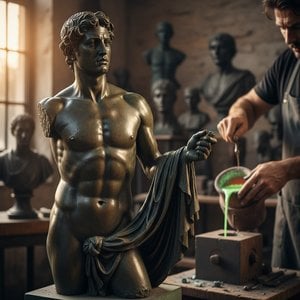
Experience the captivating surrealism of Max Ernst's "La plus belle." This bronze sculpture embodies his innovative style, blending dreamlike forms and bold textures – a timeless masterpiece.

मैक्स अर्न्स्ट (1891-1976) एक जर्मन-अमेरिकी चित्रकार थे जिन्होंने दादा और अतियथार्थवाद आंदोलनों में महत्वपूर्ण योगदान दिया। उनके स्वप्निल चित्रों, कोलाज और नवीन तकनीकों जैसे फ्रोटेज ने कला की दुनिया को बदल दिया।

इस पृष्ठ पर प्रदर्शित कलाकृति कॉपीराइट कानून द्वारा संरक्षित है, जिसका अर्थ है कि हम कानूनी रूप से इसकी हूबहू प्रतिलिपि बनाने या बेचने का अधिकार नहीं रखते हैं। यह संरक्षण अंतर्राष्ट्रीय समझौतों के तहत लागू किया जाता है, जैसे कि बर्न कन्वेंशन और राष्ट्रीय कानूनों द्वारा, जिनमें % द्वारा निर्धारित कानून भी शामिल हैं। अमेरिकी कॉपीराइट कानून - शीर्षक 17।

यह विधि कॉपीराइट नियमों का पूरी तरह से पालन करती है क्योंकि इसमें संरक्षित कलाकृति की नकल या प्रतिलिपि बनाना शामिल नहीं है। इसके बजाय, यह एक रचनात्मक पुनर्व्याख्या है - एक ऐसी नई पेंटिंग जो मूल कृति से प्रेरित तो है, लेकिन उसके समान नहीं है।

गिक्ली / आर्ट प्रिंट

तेज़ उत्पादन और विभिन्न फिनिश विकल्पों के साथ म्यूजियम-क्वालिटी गिकली (giclée) या कैनवस प्रिंट। ( हाथ से बनी पेंटिंग खरीदें डिजिटल इमेज पर जाएँ)

Corner sample of the P118B picture frame: मोल्डेड पॉलीस्टायरीन, 5 cm wide and 3 cm thick
P118B ₹10
Corner sample of the P118H picture frame: मोल्डेड पॉलीस्टायरीन, 5 cm wide and 3 cm thick
P118H ₹10
Corner sample of the P118W picture frame: मोल्डेड पॉलीस्टायरीन, 5 cm wide and 3 cm thick
P118W ₹10
Corner sample of the P438Z picture frame: मोल्डेड पॉलीस्टायरीन, 5.5 cm wide and 3.5 cm thick
P438Z ₹10
Corner sample of the P508JH picture frame: मोल्डेड पॉलीस्टायरीन, 7 cm wide and 3.5 cm thick
P508JH ₹12
Corner sample of the P508YH picture frame: मोल्डेड पॉलीस्टायरीन, 7 cm wide and 3.5 cm thick
P508YH ₹12
Corner sample of the P805H picture frame: मोल्डेड पॉलीस्टायरीन, 5 cm wide and 3.5 cm thick
P805H ₹10
Corner sample of the P805Z picture frame: मोल्डेड पॉलीस्टायरीन, 5 cm wide and 3.5 cm thick
P805Z ₹10
Corner sample of the P919BZ picture frame: मोल्डेड पॉलीस्टायरीन, 7 cm wide and 3.5 cm thick
P919BZ ₹10
Corner sample of the P919G picture frame: मोल्डेड पॉलीस्टायरीन, 7 cm wide and 3.5 cm thick
P919G ₹10
Corner sample of the P919XJ picture frame: मोल्डेड पॉलीस्टायरीन, 7 cm wide and 3.5 cm thick
P919XJ ₹10
Corner sample of the P959ZH picture frame: मोल्डेड पॉलीस्टायरीन, 5 cm wide and 3 cm thick
P959ZH ₹10
Corner sample of the P968JZ picture frame: मोल्डेड पॉलीस्टायरीन, 6 cm wide and 4 cm thick
P968JZ ₹12
Corner sample of the W106C picture frame: ठोस लकड़ी, 5 cm wide and 3 cm thick
W106C ₹8
Corner sample of the W218G picture frame: ठोस लकड़ी, 5 cm wide and 3 cm thick
W218G ₹10
Corner sample of the W218JH picture frame: ठोस लकड़ी, 5 cm wide and 3 cm thick
W218JH ₹8
Corner sample of the W218Y picture frame: ठोस लकड़ी, 5 cm wide and 3 cm thick
W218Y ₹10
Corner sample of the W307PJ picture frame: ठोस लकड़ी, 6 cm wide and 3 cm thick
W307PJ ₹10
Corner sample of the W316G picture frame: ठोस लकड़ी, 6 cm wide and 3 cm thick
W316G ₹10
Corner sample of the W316PJ picture frame: ठोस लकड़ी, 6 cm wide and 3 cm thick
W316PJ ₹8
Corner sample of the W316Y picture frame: ठोस लकड़ी, 6 cm wide and 3 cm thick
W316Y ₹10
Corner sample of the W398PJ picture frame: ठोस लकड़ी, 5 cm wide and 3 cm thick
W398PJ ₹8
Corner sample of the W4111J picture frame: ठोस लकड़ी, 6.5 cm wide and 3.5 cm thick
W4111J ₹10
Corner sample of the W500HY picture frame: ठोस लकड़ी, 7 cm wide and 5 cm thick
W500HY ₹15
Corner sample of the W500JH picture frame: ठोस लकड़ी, 7 cm wide and 5 cm thick
W500JH ₹15
Corner sample of the W692G picture frame: ठोस लकड़ी, 8 cm wide and 4 cm thick
W692G ₹12
Corner sample of the W849H picture frame: ठोस लकड़ी, 5 cm wide and 3 cm thick
W849H ₹8
Corner sample of the W940BG picture frame: ठोस लकड़ी, 7.5 cm wide and 4.5 cm thick
W940BG ₹15
Corner sample of the W953PJ picture frame: ठोस लकड़ी, 6 cm wide and 3.5 cm thick
W953PJ ₹8

मानक आकार
अनुकूलित
CM
INCH

कलाकृति के मूल अनुपात से मेल खाने वाले हमारे पूर्व निर्धारित आकारों में से चुनें।

चौड़ाई
ऊँचाई

अपने फ्रेम या अपनी दीवार के अनुसार आवश्यक चौड़ाई और ऊंचाई दर्ज करें। प्रिंट को केवल काटा जा सकता है, चित्र से बड़ा कभी नहीं बनाया जा सकता, इसलिए अलग आकार का साइज चित्र का एक हिस्सा खो देता है। किसी भी चीज़ को प्रिंट करने से पहले हम आपकी स्वीकृति के लिए आपको एक डिजिटल मॉकअप भेजते हैं। इस पृष्ठ पर दिखाया गया चित्र वास्तविक कटिंग नहीं दिखाता है — केवल मॉकअप ही इसे दर्शाता है।

विश्वव्यापी डिलीवरी (), मानक 4/5 सप्ताह के बजाय मात्र 2 सप्ताह में। (23 अक्टूबर)

दुनिया भर में मुफ़्त एक्सप्रेस शिपिंग
प्रीमियम ग्रेड लिनेन कैनवास
पूर्ण शिपिंग बीमा
सीमा शुल्क और आयात कर वापसी की गारंटी
सटीक रंग मिलान की गारंटी
100 दिनों की वापसी नीति (केवल निर्माण दोष होने पर)
100% पैसे वापसी की गारंटी
थोक छूट का अवसर

कुल कीमत

₹ 6529

La plus belle

गिक्ली / आर्ट प्रिंट

प्रतिकृति का आकार

-

कुल मूल्य

₹ 6529

मुख्य विवरण

  • Medium: Bronze sculpture
  • Notable elements: Stylized figure
  • Artist: Max Ernst
  • Influences:
    • Dada
    • Modern art
  • Movement: Surrealism

कला प्रश्नोत्तरी

प्रत्येक प्रश्न का केवल एक ही सही उत्तर है।

प्रश्न 1:
What is the primary subject depicted in Max Ernst’s ‘La plus belle’?
प्रश्न 2:
The sculpture ‘La plus belle’ is primarily made from which material?
प्रश्न 3:
Which artistic movement does ‘La plus belle’ most closely align with?
प्रश्न 4:
What is a key characteristic of Max Ernst's technique ‘frottage’?
प्रश्न 5:
According to the provided text, what was Max Ernst’s early life like?

The Enigmatic Beauty of “La Plus Belle”

Max Ernst’s “La plus belle,” a bronze sculpture created in 1967 during the twilight years of his career, isn't merely a depiction of a figure; it’s an invitation into a dreamscape – a carefully constructed world brimming with surrealist symbolism and a profound sense of melancholy. The piece, housed within Paul Kasmin Gallery in New York, immediately commands attention not through overt grandeur, but through a quiet intensity, a feeling that something significant is just beyond reach. It's a testament to Ernst’s masterful ability to distill complex emotions and philosophical inquiries into tangible form.

The sculpture itself presents a strikingly elongated female figure, almost skeletal in its grace, standing upon a rough-textured base reminiscent of weathered stone or volcanic rock. Her posture is subtly defiant yet undeniably vulnerable; one arm raised as if offering a gesture of greeting or perhaps a silent plea. The details are remarkably refined for a work created later in his life – the delicate curve of her spine, the suggestion of eyelashes, and the subtle shading that defines her form all speak to Ernst’s enduring artistic skill. The bronze itself possesses a rich patina, deepened by time and handling, adding layers of texture and visual interest.

A Surrealist Tapestry: Symbolism and Technique

Ernst's approach to sculpture during this period leaned heavily into the techniques he had pioneered in painting – frottage and grattage. These methods involved rubbing textured surfaces onto paper or canvas, creating layered patterns that evoked subconscious imagery. “La plus belle” embodies this spirit; the rough base isn’t simply a supporting element but an active participant in the composition, grounding the ethereal figure and hinting at hidden depths. The elongated proportions of the female form are a deliberate departure from realistic representation, aligning with the surrealist fascination with distorted forms and dreamlike scenarios. The bird-like quality of her features – particularly the suggestion of wings – is a recurring motif in Ernst’s work, often representing freedom, aspiration, or even a yearning for escape.

Furthermore, the sculpture's creation coincided with a period of intense personal reflection for Ernst. His tumultuous marriage to Peggy Guggenheim and his subsequent separation fueled a deep sense of disillusionment and introspection. This emotional landscape undoubtedly informed the work’s somber tone and its exploration of themes like beauty, loss, and the fragility of human existence. The title itself – “La plus belle” (The most beautiful) – carries a poignant irony, suggesting that true beauty may reside not in outward appearance but in resilience and acceptance.

Historical Context and Ernst’s Legacy

Max Ernst was a pivotal figure in the Dada and Surrealist movements of the early 20th century. Initially associated with the radical anti-art stance of Dada, he later embraced the more psychologically driven approach of Surrealism, championed by André Breton. His work challenged conventional notions of art and representation, pushing boundaries through experimentation with materials, techniques, and subject matter. “La plus belle” can be understood as a culmination of these influences – a sophisticated synthesis of Dada’s iconoclastic spirit and Surrealism's exploration of the unconscious.

Following World War II, Ernst continued to produce innovative works, often revisiting themes from his earlier career. “La plus belle,” created in 1967, represents a period of relative stability and artistic maturity for the artist. It’s a poignant reminder of his enduring creative vitality and his ability to translate complex emotions into visually arresting forms. The sculpture's placement within Paul Kasmin Gallery, a respected contemporary art space, underscores its continued relevance and significance in the art world.

A Timeless Resonance: Emotional Impact and Artistic Value

“La plus belle” possesses an undeniable emotional resonance that transcends mere aesthetic appreciation. It evokes a sense of quiet contemplation, inviting viewers to consider themes of beauty, loss, and the human condition. The sculpture’s subtle gestures and ambiguous symbolism encourage multiple interpretations, ensuring that it remains a source of fascination for generations to come. Its enduring appeal lies not only in Ernst's technical mastery but also in his profound ability to tap into universal emotions and experiences.

As a reproduction, “La plus belle” offers an opportunity to bring this evocative artwork into any interior space. The rich bronze patina and intricate details of the sculpture will add a touch of sophistication and intrigue, while its symbolic depth invites ongoing contemplation. It’s more than just a decorative object; it's a window into the mind of one of the 20th century’s most influential artists.

प्रश्न और उत्तर

मैक्स अर्न्स्ट द्वारा निर्मित "La plus belle" कितनी प्रसिद्ध है?

मैक्स अर्न्स्ट द्वारा "La plus belle" के लिए दर्ज लोकप्रियता का स्तर Recognized है।

ऐतिहासिक रूप से "La plus belle" का स्थान क्या है?

मैक्स अर्न्स्ट द्वारा "La plus belle" का कला-ऐतिहासिक वर्गीकरण Surrealism है, जो Contemporary काल का है।

मैक्स अर्न्स्ट के संपूर्ण कार्यों में "La plus belle" का स्थान कहाँ है?

"La plus belle" में मैक्स अर्न्स्ट की अन्य कृतियों की तरह ही Surrealism शैली और उनके प्रमुख विषय दिखाई देते हैं: dadaism, surrealism, psychological themes, european war, disillusionment, trauma, symbolic figures, dreamlike imagery।


कलाकार का परिचय

मैक्स अर्न्स्ट: स्वप्निल कल्पनाओं का पथप्रदर्शक

मैक्स अर्न्स्ट, जिनका जन्म 2 अप्रैल, 1891 को ब्रुहल, जर्मनी में हुआ था, बीसवीं सदी के सबसे महत्वपूर्ण और प्रभावशाली कलाकारों में से एक थे। उनका जीवन कलात्मक खोजों, दार्शनिक चिंतन और सामाजिक मानदंडों के प्रति गहरी अस्वीकृति का मिश्रण था। उनके पिता, जो बधिरों के शिक्षक और शौकिया चित्रकार थे, ने उनमें दुनिया के प्रति संवेदनशीलता और स्थापित सत्ता के खिलाफ विद्रोह की भावना पैदा की। यह द्वैत उनकी कलात्मक दृष्टि को परिभाषित करता रहा। उन्होंने बोन विश्वविद्यालय में दर्शनशास्त्र, कला इतिहास, साहित्य, मनोविज्ञान और मनोचिकित्सा का अध्ययन किया, जिसने उनके बाद के कार्यों को गहराई से प्रभावित किया। वे केवल यह जानने में रुचि नहीं रखते थे कि कैसे पेंट करना है; वे यह समझने की कोशिश कर रहे थे कि क्यों पेंट करना है।

प्रथम विश्व युद्ध ने अर्न्स्ट के जीवन में एक महत्वपूर्ण मोड़ लाया। पूर्वी और पश्चिमी मोर्चों पर सैनिक के रूप में उनके अनुभवों ने उन्हें स्थापित व्यवस्था के प्रति गहरी अविश्वास पैदा किया और अभिव्यक्ति के नए तरीकों की तलाश करने के लिए प्रेरित किया। यह निराशा 1918 में जर्मनी में उभरे दादा आंदोलन में पनपी, जिसके वे एक प्रमुख सदस्य बन गए। दादावाद ने पारंपरिक कलात्मक सम्मेलनों को खारिज कर दिया और मूर्खता, संयोग और तर्कहीनता को अपनाया। अर्न्स्ट ने हंस आरप के साथ मिलकर काम किया, जो उनके जीवन भर के दोस्त और सहयोगी बने रहे। बाद में उन्होंने पेरिस जाकर सर्रियलिज़्म (Surrealism) आंदोलन से जुड़ गए, जहाँ उन्होंने सपनों की दुनिया, अवचेतन मन और अतार्किकता का पता लगाना शुरू कर दिया। सिग्मंड फ्रायड के मनोविश्लेषणात्मक सिद्धांतों से प्रभावित होकर, अर्न्स्ट ने अपनी कला के माध्यम से मानव अनुभव की छिपी गहराइयों को उजागर करने की कोशिश की।

तकनीकी नवाचार: फ्रोटेज, ग्राटेज और कोलाज

अर्न्स्ट की कलात्मक नवीनता विषय वस्तु से परे थी; वे तकनीक के साथ लगातार प्रयोग करते रहे। उन्होंने मौजूदा तरीकों को अपनाने के बजाय नई तकनीकों का आविष्कार किया। उनकी सबसे प्रसिद्ध योगदानों में से एक फ्रोटेज है - एक ऐसी प्रक्रिया जिसमें विभिन्न बनावट वाली सतहों पर पेंसिल या चारकोल रगड़ा जाता है ताकि अप्रत्याशित और मार्मिक छवियां बनाई जा सकें। यह तकनीक, जो लकड़ी की दादरा को देखते हुए ऊबने के क्षण से उत्पन्न हुई थी, ने उन्हें अवचेतन मन में टैप करने और उन रूपों को उत्पन्न करने की अनुमति दी जो सचेत नियंत्रण को चुनौती देते हैं। निकटता से संबंधित ग्राटेज था, जिसमें कैनवास पर पेंट को खुरचकर नीचे की परतों को उजागर किया जाता है।

उन्होंने कुशलतापूर्वक कोलाज का भी उपयोग किया, पत्रिकाओं, वैज्ञानिक चित्रों और तस्वीरों से अलग-अलग तत्वों को जोड़कर अवास्तविक रचनाएँ बनाईं जो प्रतिनिधित्व की पारंपरिक धारणाओं को चुनौती देती हैं। ये तकनीकें केवल शैलीगत विकल्प नहीं थीं; वे अवचेतन मन की खोज और कलात्मक सीमाओं को बाधित करने की उनकी इच्छा के अभिन्न अंग थे। उनकी पेंटिंग में अक्सर आवर्ती प्रतीकात्मक कल्पना होती है: पक्षी (विशेष रूप से उनके व्यक्तित्व लोप्लोप), बंजर परिदृश्य, परेशान करने वाले संयोजन और रहस्य की एक सर्वव्यापी भावना।

कलात्मक विकास और प्रभाव

द्वितीय विश्व युद्ध के प्रकोप ने अर्न्स्ट को यूरोप छोड़ने के लिए मजबूर कर दिया, जिसने उन्हें संयुक्त राज्य अमेरिका में शरण दी। उन्होंने अपनी निर्वासन के दौरान भी नई तकनीकों के साथ पेंटिंग और प्रयोग करना जारी रखा, अंततः युद्ध के बाद फ्रांस लौट आए जहाँ वह अपनी मृत्यु तक सक्रिय रहे। उनकी कला का बाद की पीढ़ियों के कलाकारों पर असीम प्रभाव पड़ा है। अर्न्स्ट ने दादा और सर्रियलिज़्म में अपने योगदान से कलात्मक मानदंडों को चुनौती दी, मानव मन की गहराई में उतरे और नवीन तकनीकों का आविष्कार किया जो आज भी कलाकारों को प्रेरित करती हैं। वे केवल एक चित्रकार ही नहीं थे; वे एक खोजकर्ता, एक उत्तेजक और एक दूरदर्शी थे जिन्होंने स्वयं कला की सीमाओं का विस्तार किया।

प्रमुख कृतियाँ

  • संपूर्ण शहर
  • यूक्लिडेस
  • मृत्यु संस्कार
  • वन और कबूतर

प्रभाव और विरासत

मैक्स अर्न्स्ट की कला ने पीढ़ियों के कलाकारों को प्रेरित किया है, और उनकी तकनीकों का उपयोग आज भी व्यापक रूप से किया जाता है। उन्होंने सर्रियलिज़्म (Surrealism) आंदोलन में महत्वपूर्ण योगदान दिया और कलात्मक अभिव्यक्ति के नए रास्तों को खोल दिया। उनकी विरासत आधुनिक कला के इतिहास में हमेशा जीवित रहेगी।

मैक्स अर्न्स्ट

मैक्स अर्न्स्ट

1891 - 1976 , जर्मनी

संक्षिप्त जानकारी

  • कलात्मक शैली: दादा, अतियथार्थवाद
  • जन्म तिथि: 1 अप्रैल 1891
  • जन्म स्थान: ब्रühl, जर्मनी
  • पूरा नाम: मैक्स अर्न्स्ट
  • प्रभावित आंदोलन:
    • अतियथार्थवाद
    • दादा
  • प्रभावित कलाकार:
    • पाब्लो पिकासो
    • विन्सेंट वैन गॉग
    • पॉल गौगिन
    • जॉर्जियो डी चिरिको
  • प्रमुख कलाकृतियाँ:
    • एंटायर सिटी
    • यूक्लिड्स
    • वन एंड डोव
  • मृत्यु तिथि: 1 अप्रैल 1976
  • राष्ट्रीयता: जर्मन-अमेरिकी, फ्रांसीसी
विषयों, शैलियों और विशेषताओं के आधार पर व्यवस्थित कलाकृतियों का अन्वेषण करें।