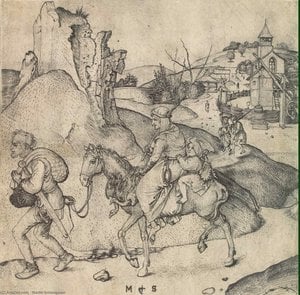
मार्टिन शोंगाउर: जीवन और विरासत
मार्टिन शोंगाउर, जिनका जन्म लगभग 1450 में कोल्मार, एल्सेस (वर्तमान फ्रांस) में हुआ था, उत्तरी पुनर्जागरण के दौरान प्रिंटमेकिंग के विकास में एक महत्वपूर्ण व्यक्ति थे। वे कारीगरों के परिवार से थे; उनके पिता, कास्पर शोंगाउर, एक सुनार थे जो लगभग 1440 में ऑग्सबर्ग, जर्मनी से कोल्मार चले गए थे। इस पारिवारिक पृष्ठभूमि ने मार्टिन के प्रारंभिक कला प्रशिक्षण पर महत्वपूर्ण प्रभाव डाला, क्योंकि सुनारी ने सटीक विवरण और धातु कार्य तकनीकों की एक मजबूत नींव प्रदान की - कौशल सीधे उत्कीर्णन में हस्तांतरणीय थे।
शिक्षा और कलात्मक विकास
1465 में, शोंगाउर ने संक्षेप में लीपज़िग विश्वविद्यालय में भाग लिया, लेकिन जल्द ही उन्होंने अकादमिक गतिविधियों को त्याग दिया और पूरी तरह से कला के लिए खुद को समर्पित कर दिया। उन्होंने शुरू में कास्पर इसेनमैन के तहत एक चित्रकार के रूप में प्रशिक्षण प्राप्त किया, जो एक स्थानीय मास्टर थे जो प्रारंभिक नीदरलैंडिश पेंटिंग से प्रभावित थे, विशेष रूप से रोजियर वैन डेर वेडेन के कार्य से। प्रारंभिक नीदरलैंडिश यथार्थवाद और विस्तार पर ध्यान देने के इस शुरुआती संपर्क ने शोंगाउर की अपनी शैली की पहचान बन जाएगा।
कलात्मक शैली और प्रभाव
शोंगाउर की कलात्मक शैली को एक स्पष्ट, संगठित गोथिक सौंदर्य द्वारा चित्रित किया जाता है जो उत्तरी पुनर्जागरण के उभरते प्रभावों के साथ मिश्रित होता है। उन्होंने सीधे इतालवी प्रभाव का अभाव दिखाया, इसके बजाय जर्मन और प्रारंभिक नीदरलैंडिश परंपराओं से प्रेरणा ली। उनके काम में सटीक विवरण, अभिव्यंजक आकृतियाँ और रचना की एक परिष्कृत समझ प्रदर्शित होती है। शोंगाउर ने अपनी कलात्मक प्रतिभा को उत्कीर्णन के माध्यम से व्यक्त किया, जो उस समय एक अपेक्षाकृत नई तकनीक थी। उन्होंने जटिल रेखांकन और छायांकन का उपयोग करके धार्मिक दृश्यों, पोर्ट्रेट और रूपक विषयों को जीवंत कर दिया।
प्रमुख उपलब्धियां और कार्य
शोंगाउर अपनी 116 उत्कीर्णनों के लिए सबसे प्रसिद्ध हैं, जिनमें से प्रत्येक उनके मोनोक्रोम द्वारा पहचाना जाता है। ये प्रिंट पूरे यूरोप में व्यापक रूप से प्रसारित किए गए थे, जिससे प्रिंटमेकिंग तकनीकों और कलात्मक शैलियों के विकास पर महत्वपूर्ण प्रभाव पड़ा। उनकी उत्कीर्णन अक्सर धार्मिक दृश्यों, पोर्ट्रेट और रूपक विषयों को दर्शाती थीं। गुलाब बाग का मैडोना (1473) एक महत्वपूर्ण पेंटिंग है जो नाजुक विवरणों और भावनात्मक गहराई को चित्रित करने में उनके कौशल को प्रदर्शित करती है। अन्य उल्लेखनीय कार्यों में सेंट एंथोनी का प्रलोभन, चरवाहों की आराधना और कई अन्य शामिल हैं, जो उत्कीर्णन तकनीक में उनकी महारत का प्रदर्शन करते हैं।
ऐतिहासिक महत्व और विरासत
मार्टिन शोंगाउर का कला जगत पर पर्याप्त प्रभाव पड़ा। वह पहले जर्मन कलाकारों में से एक थे जिन्होंने एक उत्कीर्णक के रूप में अंतर्राष्ट्रीय मान्यता प्राप्त की। उनके प्रिंट अत्यधिक मांग किए गए थे और व्यापक रूप से कॉपी किए गए थे, जिससे उनकी कलात्मक शैली पूरे यूरोप में फैल गई। यह यहां तक दस्तावेजीकृत है कि माइकल एंजेलो ने स्वयं शोंगाउर की एक उत्कीर्णन का अध्ययन किया और उसकी प्रतिलिपि बनाई - सेंट एंथोनी का परीक्षण – यह प्रदर्शित करते हुए कि बाद के स्वामी द्वारा शोंगाउर को कितनी उच्च सम्मान दिया गया था। शोंगाउर के काम ने गोथिक कला और पुनर्जागरण के बीच की खाई को पाटा, अल्ब्रेक्ट ड्यूरर जैसे कलाकारों का मार्ग प्रशस्त किया। उत्कीर्णन तकनीकों के उनके अभिनव उपयोग और कलात्मक विवरण के प्रति उनकी प्रतिबद्धता ने प्रिंटमेकिंग के इतिहास पर एक स्थायी विरासत छोड़ी है और उत्तरी यूरोपीय कला पर प्रभाव डाला है।
मार्टिन शोंगाउर का निधन 2 फरवरी, 1491 को ब्रेसाच में हुआ था, उन्होंने अपने पीछे एक उल्लेखनीय कार्य छोड़ा जो अपनी कलात्मक योग्यता और ऐतिहासिक महत्व के लिए मनाया जाता रहता है। उनकी रचनाओं की जटिलता, भावनात्मक गहराई और तकनीकी कौशल उन्हें पुनर्जागरण कला के इतिहास में एक अद्वितीय स्थान दिलाते हैं।



 पूर्वावलोकन देखें
 हाथ से बनी पेंटिंग खरीदें
 साझा करें
 साझा करें
 विस्तृत विवरण

 डाउनलोड करें
 समान कलाकृतियाँ
 एक्स-रे
 स्लाइड शो देखें
 आंकड़े


 पूरा देखें






































 ग्लास का विकल्प केवल 110 सेमी से कम आकार में ही उपलब्ध है।