पूर्वावलोकन देखें AR में प्रीव्यू देखें हाथ से बनी पेंटिंग खरीदें डिजिटल इमेज पर जाएँ भेजें
विवरण देखें मार्गदर्शिका पसंदीदा में जोड़ें डाउनलोड करें समान वस्तुएं एक्स-रे स्लाइड शो देखें आंकड़े

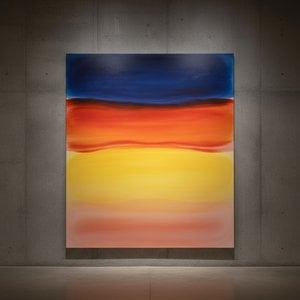
Maroon and Orange

માર્ક રોથકો એક અમેરિકન આધુનિક કલાકાર હતા જેણે રંગ ક્ષેત્ર ચિત્રકૃતિ અને આબેસ્ટ્રેક્ટ એક્સપ્રેશનિઝમ શૈલીમાં ક્રાંતિ કરી હતી. તેના ચિત્રો વિશ્વભરમાં પ્રભાવ પામે છે અને તે આર્ટ ઇતિહાસના એક મહાન વ્યક્તિ તરીકે ગણાય છે.

इस पृष्ठ पर प्रदर्शित कलाकृति कॉपीराइट कानून द्वारा संरक्षित है, जिसका अर्थ है कि हम कानूनी रूप से इसकी हूबहू प्रतिलिपि बनाने या बेचने का अधिकार नहीं रखते हैं। यह संरक्षण अंतर्राष्ट्रीय समझौतों के तहत लागू किया जाता है, जैसे कि बर्न कन्वेंशन और राष्ट्रीय कानूनों द्वारा, जिनमें % द्वारा निर्धारित कानून भी शामिल हैं। अमेरिकी कॉपीराइट कानून - शीर्षक 17।

यह विधि कॉपीराइट नियमों का पूरी तरह से पालन करती है क्योंकि इसमें संरक्षित कलाकृति की नकल या प्रतिलिपि बनाना शामिल नहीं है। इसके बजाय, यह एक रचनात्मक पुनर्व्याख्या है - एक ऐसी नई पेंटिंग जो मूल कृति से प्रेरित तो है, लेकिन उसके समान नहीं है।

गिक्ली / आर्ट प्रिंट

तेज़ उत्पादन और विभिन्न फिनिश विकल्पों के साथ म्यूजियम-क्वालिटी गिकली (giclée) या कैनवस प्रिंट। ( हाथ से बनी पेंटिंग खरीदें डिजिटल इमेज पर जाएँ)

Corner sample of the P118B picture frame: मोल्डेड पॉलीस्टायरीन, 5 cm wide and 3 cm thick
P118B ₹10
Corner sample of the P118H picture frame: मोल्डेड पॉलीस्टायरीन, 5 cm wide and 3 cm thick
P118H ₹10
Corner sample of the P118W picture frame: मोल्डेड पॉलीस्टायरीन, 5 cm wide and 3 cm thick
P118W ₹10
Corner sample of the P438Z picture frame: मोल्डेड पॉलीस्टायरीन, 5.5 cm wide and 3.5 cm thick
P438Z ₹10
Corner sample of the P508JH picture frame: मोल्डेड पॉलीस्टायरीन, 7 cm wide and 3.5 cm thick
P508JH ₹12
Corner sample of the P508YH picture frame: मोल्डेड पॉलीस्टायरीन, 7 cm wide and 3.5 cm thick
P508YH ₹12
Corner sample of the P805H picture frame: मोल्डेड पॉलीस्टायरीन, 5 cm wide and 3.5 cm thick
P805H ₹10
Corner sample of the P805Z picture frame: मोल्डेड पॉलीस्टायरीन, 5 cm wide and 3.5 cm thick
P805Z ₹10
Corner sample of the P919BZ picture frame: मोल्डेड पॉलीस्टायरीन, 7 cm wide and 3.5 cm thick
P919BZ ₹10
Corner sample of the P919G picture frame: मोल्डेड पॉलीस्टायरीन, 7 cm wide and 3.5 cm thick
P919G ₹10
Corner sample of the P919XJ picture frame: मोल्डेड पॉलीस्टायरीन, 7 cm wide and 3.5 cm thick
P919XJ ₹10
Corner sample of the P959ZH picture frame: मोल्डेड पॉलीस्टायरीन, 5 cm wide and 3 cm thick
P959ZH ₹10
Corner sample of the P968JZ picture frame: मोल्डेड पॉलीस्टायरीन, 6 cm wide and 4 cm thick
P968JZ ₹12
Corner sample of the W106C picture frame: ठोस लकड़ी, 5 cm wide and 3 cm thick
W106C ₹8
Corner sample of the W218G picture frame: ठोस लकड़ी, 5 cm wide and 3 cm thick
W218G ₹10
Corner sample of the W218JH picture frame: ठोस लकड़ी, 5 cm wide and 3 cm thick
W218JH ₹8
Corner sample of the W218Y picture frame: ठोस लकड़ी, 5 cm wide and 3 cm thick
W218Y ₹10
Corner sample of the W307PJ picture frame: ठोस लकड़ी, 6 cm wide and 3 cm thick
W307PJ ₹10
Corner sample of the W316G picture frame: ठोस लकड़ी, 6 cm wide and 3 cm thick
W316G ₹10
Corner sample of the W316PJ picture frame: ठोस लकड़ी, 6 cm wide and 3 cm thick
W316PJ ₹8
Corner sample of the W316Y picture frame: ठोस लकड़ी, 6 cm wide and 3 cm thick
W316Y ₹10
Corner sample of the W398PJ picture frame: ठोस लकड़ी, 5 cm wide and 3 cm thick
W398PJ ₹8
Corner sample of the W4111J picture frame: ठोस लकड़ी, 6.5 cm wide and 3.5 cm thick
W4111J ₹10
Corner sample of the W500HY picture frame: ठोस लकड़ी, 7 cm wide and 5 cm thick
W500HY ₹15
Corner sample of the W500JH picture frame: ठोस लकड़ी, 7 cm wide and 5 cm thick
W500JH ₹15
Corner sample of the W692G picture frame: ठोस लकड़ी, 8 cm wide and 4 cm thick
W692G ₹12
Corner sample of the W849H picture frame: ठोस लकड़ी, 5 cm wide and 3 cm thick
W849H ₹8
Corner sample of the W940BG picture frame: ठोस लकड़ी, 7.5 cm wide and 4.5 cm thick
W940BG ₹15
Corner sample of the W953PJ picture frame: ठोस लकड़ी, 6 cm wide and 3.5 cm thick
W953PJ ₹8

मानक आकार
अनुकूलित
CM
INCH

कलाकृति के मूल अनुपात से मेल खाने वाले हमारे पूर्व निर्धारित आकारों में से चुनें।

चौड़ाई
ऊँचाई

अपने फ्रेम या अपनी दीवार के अनुसार आवश्यक चौड़ाई और ऊंचाई दर्ज करें। प्रिंट को केवल काटा जा सकता है, चित्र से बड़ा कभी नहीं बनाया जा सकता, इसलिए अलग आकार का साइज चित्र का एक हिस्सा खो देता है। किसी भी चीज़ को प्रिंट करने से पहले हम आपकी स्वीकृति के लिए आपको एक डिजिटल मॉकअप भेजते हैं। इस पृष्ठ पर दिखाया गया चित्र वास्तविक कटिंग नहीं दिखाता है — केवल मॉकअप ही इसे दर्शाता है।

विश्वव्यापी डिलीवरी (), मानक 4/5 सप्ताह के बजाय मात्र 2 सप्ताह में। (26 अक्टूबर)

दुनिया भर में मुफ़्त एक्सप्रेस शिपिंग
प्रीमियम ग्रेड लिनेन कैनवास
पूर्ण शिपिंग बीमा
सीमा शुल्क और आयात कर वापसी की गारंटी
सटीक रंग मिलान की गारंटी
100 दिनों की वापसी नीति (केवल निर्माण दोष होने पर)
100% पैसे वापसी की गारंटी
थोक छूट का अवसर

कुल कीमत

₹ 6523

Maroon and Orange

गिक्ली / आर्ट प्रिंट

प्रतिकृति का आकार

-

कुल मूल्य

₹ 6523

मुख्य विवरण

  • Medium: Oil on canvas
  • Title: Maroon and Orange
  • Artist: Mark Rothko
  • Influences:
    • Greek drama
    • Friedrich Nietzsche
  • Notable elements or techniques: Rectangular color fields
  • Year: 1962

Mark Rothko: A Life in Color

Mark Rothko (1903-1970) was an American abstract painter, renowned for his monumental color field paintings that profoundly influenced the course of modern art. His distinctive style—characterized by large rectangular blocks of saturated color—captured the essence of existential contemplation and continues to resonate with audiences worldwide. Born Marcus Yakovlevich Rothkowitz in Dvinsk (now Daugavpils), Latvia, he immigrated to the United States in 1913 alongside his family, establishing a foothold in Portland, Oregon. This formative experience instilled in him a deep appreciation for intellectual discourse and shaped his worldview—a legacy that extended throughout his artistic career. Early exposure to Marxist thought through his father fueled his conviction that art should serve as a conduit for conveying universal human emotions. Rothko’s artistic journey began with figurative painting during the 1920s, depicting urban landscapes and portraits. He pursued formal studies at Yale University but left before graduating to dedicate himself fully to artistic exploration. The 1940s witnessed a pivotal shift as he experimented with mythological themes and Surrealism—responses to the anxieties of World War II—demonstrating his willingness to engage with diverse artistic traditions. However, it was in late 1947 that Rothko embarked on his groundbreaking foray into Color Field painting, marking the genesis of his iconic style. This movement championed the use of color as a primary expressive medium, prioritizing emotional impact over representational accuracy.
  • Color Field Painting: Embracing simplicity and luminosity, Color Field painters like Rothko sought to evoke profound feelings through expansive areas of pigment—often devoid of discernible form or detail.
  • Influence of Nietzsche: Rothko’s philosophical leanings were deeply rooted in the writings of Friedrich Nietzsche, who championed the idea that art should transcend rational thought and tap into primal instincts.
  • Early Works (1920s-1940s): Rothko's initial paintings explored themes of urban life and mythology, reflecting his engagement with intellectual currents of the time.
Rothko’s breakthrough came in 1949 when he began creating canvases featuring monumental rectangular blocks of color—a technique that would define his artistic output for decades to come. These canvases, executed primarily in oil on canvas, employed a deceptively simple approach—large areas of pigment arranged horizontally or vertically—to generate an immersive experience for the viewer. The resulting paintings are renowned for their ethereal quality and ability to elicit contemplation about fundamental questions of existence. His use of color was particularly noteworthy; Rothko meticulously blended hues—often juxtaposing complementary colors—to create visual harmonies that conveyed complex emotional states.
  • Rothko Chapel: Rothko’s contribution to the Rothko Chapel in Houston, Texas—featuring fourteen canvases arranged in a deliberate sequence—represents his most ambitious artistic endeavor and remains a pilgrimage site for admirers of Color Field painting.
  • Palette Selection: Rothko's careful selection of pigments—particularly lithol red—demonstrated an unwavering commitment to achieving maximum luminosity and tonal depth.
  • Compositional Innovation: The horizontal arrangement of color blocks—a stylistic hallmark—created a sense of stillness and serenity, inviting viewers into a meditative state.
The emotional impact of Rothko’s paintings is undeniable. Critics and scholars alike have lauded their ability to transcend verbal description and communicate feelings directly to the subconscious mind. As Color Field Painting Art Movement Introduction notes, this style aims to generate a universal emotional experience—a testament to Rothko's conviction that art could serve as a vehicle for exploring the deepest recesses of human consciousness. His work continues to inspire artists and captivate audiences today, cementing his place among the titans of 20th-century art. “Maroon and Orange” exemplifies Rothko’s masterful manipulation of color and form—a testament to his enduring legacy as a pioneer of abstract expressionism.

प्रश्न और उत्तर

"Maroon and Orange" में किस प्रकार के रंगों का उपयोग किया गया है?

मार्क रोथको द्वारा "Maroon and Orange" के रंग पैलेट का वर्णन Dark के रूप में किया गया है। यह कृति के रंगों का एक संक्षिप्त विवरण है।

क्या मैं "Maroon and Orange" को फुल-स्क्रीन स्लाइडशो के रूप में देख सकता हूँ?

एक स्लाइडशो उपलब्ध है: मार्क रोथको द्वारा "Maroon and Orange" का स्लाइडशो पेज।

मार्क रोथको द्वारा "Maroon and Orange" की कॉपीराइट स्थिति का क्या कारण है?

"Maroon and Orange" की कॉपीराइट स्थिति - अभी भी कॉपीराइट द्वारा संरक्षित है - कलाकार की 1970 में मृत्यु के आधार पर निर्धारित होती है।


कलाकार का परिचय

मार्क्स रोथको: रंग और भावना का एक जीवन

मार्क्स याकोवलेविच रोथकोविट्ज़, जिन्हें हम मार्क रोथको के नाम से जानते हैं, 25 सितंबर, 1903 को लातविया के दौगाउपिल्स में जन्मे थे। उनका जीवन विस्थापन और अस्तित्वगत खोज की कहानी है, जो उनके कलात्मक कार्यों में गहराई से प्रतिबिंबित होती है। एक ऐसे परिवार में पैदा हुए जिसने राजनीतिक अशांति और भेदभाव का अनुभव किया था, रोथको ने बचपन से ही मानवीय पीड़ा और अनिश्चितता को महसूस किया। 1913 में अपने परिवार के साथ अमेरिका आकर उन्होंने पोर्टलैंड, ओरेगन में नया जीवन शुरू किया, लेकिन यह बदलाव उनके लिए सांस्कृतिक उथल-पुथल लेकर आया। येल विश्वविद्यालय में अध्ययन के बाद, उन्होंने न्यूयॉर्क शहर की ओर रुख किया, जहाँ कला के प्रति उनका जुनून उन्हें आर्ट स्टूडेंट्स लीग में ले गया। शुरुआती दौर में, रोथको ने शहरी दृश्यों और पोर्ट्रेट को चित्रित करने का प्रयास किया, लेकिन जल्द ही वे अमूर्तता की ओर आकर्षित हुए, जो द्वितीय विश्व युद्ध के बाद के युग की चिंता और अनिश्चितता को दर्शाती थी।

अमूर्तता की ओर यात्रा: प्रतीकवाद से रंग क्षेत्र तक

रोथको की कलात्मक यात्रा ने उन्हें सुरियलिज्म और पौराणिक कथाओं से प्रभावित करते हुए प्रतीकात्मक रूपों की खोज करने के लिए प्रेरित किया। 1940 के दशक में, उन्होंने बहु-रूप चित्रों का निर्माण किया, जिनमें अस्पष्ट, जीववैज्ञानिक आकृतियाँ थीं जो प्रतिनिधित्व और अमूर्तता के बीच झूलती प्रतीत होती थीं। ये चित्र केवल रूप प्रयोग नहीं थे; वे युद्धग्रस्त दुनिया की चिंताओं और अनिश्चितताओं के प्रति गहरी प्रतिक्रियाएं थीं। धीरे-धीरे, उन्होंने अपने विशिष्ट शैली को विकसित किया: बड़ी कैनवसें जिनमें शुद्ध रंगों के आयताकार ब्लॉक होते हैं जो एक साथ तैरते और गूंजते प्रतीत होते हैं। उन्होंने पहचानने योग्य किसी भी चीज़ के अवशेषों को हटा दिया, रंग और रूप की विशुद्ध भावनात्मक प्रभाव पर ध्यान केंद्रित किया। यह अमूर्त अभिव्यक्तिवाद के विकास में एक महत्वपूर्ण क्षण था, जिसने रोथको को इस अभूतपूर्व आंदोलन में अग्रणी बना दिया।

रंग क्षेत्र: भावनाओं का गहरा अनुभव

रोथको की परिपक्व कला "रंग क्षेत्र" चित्रकला से परिभाषित होती है - चमकदार रंगों के विशाल विस्तार जो दर्शक को एक गहन अनुभव में डुबो देते हैं। ये चित्र *क्या* दर्शाते हैं, इसके बारे में नहीं हैं, बल्कि वे आपको *कैसे* महसूस कराते हैं, इसके बारे में हैं। रोथको का मानना था कि कला को बौद्धिक विश्लेषण को दरकिनार करते हुए सीधे भावनाओं से जुड़ना चाहिए। उन्होंने पतले रंग के धोवों को सावधानीपूर्वक परतदार बनाया, जिससे टोन और बनावट में सूक्ष्म विविधताएँ उत्पन्न हुईं जो कैनवस के भीतर से निकलने वाली प्रतीत होती थीं। उनके आयताकार रूपों की किनारों को अक्सर धुंधला कर दिया जाता है, जिससे वे एक दूसरे के साथ मिल जाते हैं और घुलमिल जाते हैं, गहराई और गति का एहसास कराते हैं। रोथको ने जानबूझकर केवल संख्याओं के अलावा कोई शीर्षक नहीं दिया - "नंबर 1", "नंबर 6" - दर्शकों को पूर्वकल्पित धारणाओं के बिना चित्रों का सामना करने और अपनी भावनाओं से निर्देशित अनुभव की अनुमति देने के लिए प्रोत्साहित किया। उनका लक्ष्य चिंतन के लिए एक स्थान बनाना था, एक अभयारण्य जहाँ दर्शक स्वयं से बड़ी किसी चीज़ के साथ जुड़ सकें।

प्रमुख उपलब्धियाँ और स्थायी विरासत

रोथको की सबसे महत्वपूर्ण उपलब्धियों में से एक "नंबर 10 (1950)" है, जो उनके विकसित हो रहे शैली का प्रतीक है, और सीग्राम भित्ति चित्र (1958) हैं। न्यूयॉर्क शहर के फोर सीजन्स रेस्तरां के लिए कमीशन किए गए इन भित्ति चित्रों को रोथको ने अंततः अस्वीकार कर दिया, क्योंकि उन्हें डर था कि वे अपने इच्छित वातावरण से समझौता करेंगे। इसके बजाय, उन्होंने उन्हें टेट गैलरी में लंदन को दान कर दिया, जहाँ वे आज भी विस्मय और चिंतन को प्रेरित करते हैं। शायद उनका सबसे महत्वाकांक्षी प्रोजेक्ट ह्यूस्टन, टेक्सास में रोथको चैपल (1971) था - एक गैर-संप्रदायवादी अभयारण्य जिसमें उनके चौदह चित्र शामिल थे। शांत प्रतिबिंब के लिए डिज़ाइन किया गया यह चैपल कई लोगों के लिए एक पवित्र स्थान माना जाता है, जो रोथको के कला की आध्यात्मिक शक्ति में विश्वास को दर्शाता है। रोथको का प्रभाव बाद की पीढ़ियों के कलाकारों पर बहुत गहरा रहा है। उन्होंने मिनिमलिस्ट कला के लिए मार्ग प्रशस्त किया और समकालीन चित्रकारों को प्रेरित करना जारी रखते हैं जो अमूर्तता की भावनात्मक संभावनाओं का पता लगाते हैं। जीवन भर अवसाद से जूझने के बावजूद, जिसके परिणामस्वरूप 1970 में उनकी दुखद आत्महत्या हो गई, मार्क रोथको 20वीं सदी के सबसे महत्वपूर्ण और प्रभावशाली कलाकारों में से एक बने हुए हैं - रंग के स्वामी जिनकी रचनाएँ आज भी दुनिया भर के दर्शकों को प्रेरित करती हैं।

भावनात्मक प्रतिध्वनि की स्थायी शक्ति

  • रोथको के चित्रों को सार्वभौमिक मानवीय भावनाओं - त्रासदी, आनंद, निराशा और आशा को व्यक्त करने की क्षमता के लिए सराहा जाता है।
  • भावनात्मक अभिव्यक्ति के लिए रंग के एक माध्यम के रूप में उनके अन्वेषण ने अमूर्त चित्रकला में क्रांति ला दी।
  • रोथको चैपल उनकी कला की आध्यात्मिक शक्ति में विश्वास का प्रमाण है।
  • वह अमूर्त अभिव्यक्तिवाद में एक महत्वपूर्ण व्यक्ति और समकालीन कलाकारों पर एक प्रमुख प्रभाव बने हुए हैं।
रोथको की विरासत कला इतिहास से परे फैली हुई है। उनकी रचनाएँ हमें अपनी मृत्यु दर का सामना करने, मानव अस्तित्व की जटिलताओं से जूझने और अक्सर अर्थहीन दुनिया में अर्थ खोजने के लिए आमंत्रित करती हैं। वे हमें याद दिलाते हैं कि कला केवल सौंदर्यशास्त्र के बारे में नहीं है; यह संबंध के बारे में है - स्वयं से, दूसरों से और स्वयं से बड़ी किसी चीज़ से संबंध। उनकी पेंटिंग की स्थायी शक्ति उनकी भावनाओं को जगाने की क्षमता में निहित है, जो सांत्वना, प्रेरणा और मानव आत्मा की गहराई में एक झलक प्रदान करती है।

मार्क रोथको

मार्क रोथको

1903 - 1970 , लातविया

संक्षिप्त जानकारी

  • Artistic Movement Or Style: अमूर्त अभिव्यक्तिवाद
  • Artists Or Movements Influenced By This Artist: ['न्यूनतम कला']
  • Artists Who Influenced This Artist:
    • पॉल सेज़ान
    • मिल्टन एवरी
  • Date Of Birth: 25 सितंबर 1903
  • Date Of Death: 25 फरवरी 1970
  • Full Name: मार्क रोथको
  • Nationality: अमेरिकी
  • Notable Artworks:
    • नंबर 10 (1950)
    • सीग्राम भित्तिचित्र
    • रोथको चैपल
  • Place Of Birth: डाउगावपिल्स, लातविया
विषयों, शैलियों और विशेषताओं के आधार पर व्यवस्थित कलाकृतियों का अन्वेषण करें।