पूर्वावलोकन देखें AR में देखें हाथ से बनी पेंटिंग खरीदें डिजिटल इमेज पर स्विच करें साझा करें
विस्तृत विवरण मार्गदर्शिका पसंदीदा में जोड़ें डाउनलोड करें समान कलाकृतियाँ एक्स-रे स्लाइड शो देखें आंकड़े

The Crucifixion

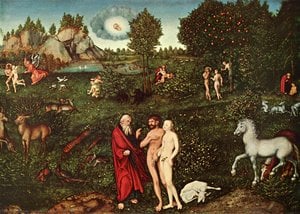
Witness the dramatic crucifixion scene by Lucas Cranach the Elder. This intricate engraving showcases Mannerist style with emotional intensity and detailed figures.

लुकास क्रानैक द एल्डर के उत्कृष्ट चित्रों और पुनर्जागरण कला शैली पर प्रकाश डालें। इस महान कलाकार का जीवन और कला इतिहास में एक महत्वपूर्ण स्थान रखती है!

गिक्ली / आर्ट प्रिंट

तेज़ उत्पादन और विभिन्न फिनिश विकल्पों के साथ म्यूजियम-क्वालिटी गिकली (giclée) या कैनवस प्रिंट। ( हाथ से बनी पेंटिंग खरीदें डिजिटल इमेज पर स्विच करें)

मानक
कस्टम
CM
INCH

कलाकृति के मूल अनुपात से मेल खाने वाले हमारे पूर्व निर्धारित आकारों में से चुनें।

चौड़ाई
ऊँचाई

आप किसी विशिष्ट फ्रेम या स्थान के अनुसार अपने स्वयं के आयाम (dimensions) दर्ज कर सकते हैं। यदि आपके द्वारा चुना गया आकार मूल छवि के अनुपात से मेल नहीं खाता है, तो हम कलाकृति को क्रॉप कर देंगे या मिरर किए गए या सॉलिड-फिल किनारे के साथ छवि का विस्तार करेंगे। उत्पादन शुरू होने से पहले आपकी स्वीकृति के लिए एक डिजिटल मॉकअप भेजा जाएगा।
कृपया ध्यान दें कि स्क्रीन पर दिखने वाला प्रीव्यू वास्तविक क्रॉपिंग या विस्तार को नहीं दर्शाता है। केवल मॉकअप ही अंतिम संरचना को सटीक रूप से दिखाएगा।
हालाँकि कस्टम आकार उपलब्ध हैं, फिर भी हम मूल अनुपात बनाए रखने के लिए पूर्व-निर्धारित सूची में से एक आयाम चुनने की सलाह देते हैं।

विश्वव्यापी डिलीवरी (), मानक 4/5 सप्ताह के बजाय मात्र 2 सप्ताह में। (23 सितमबर)

why_choose_icon
दुनिया भर में मुफ़्त एक्सप्रेस शिपिंग
why_choose_icon
उच्च गुणवत्ता वाला लिनेन कैनवास
why_choose_icon
पूर्ण शिपिंग बीमा
why_choose_icon
सीमा शुल्क और आयात कर वापसी की गारंटी
why_choose_icon
सटीक रंग मिलान की गारंटी
why_choose_icon
100-दिन की वापसी नीति (केवल दोषपूर्ण होने पर)
why_choose_icon
100% पैसे वापसी की गारंटी
why_choose_icon
थोक छूट का लाभ

कुल कीमत

$ 68

reproduction

The Crucifixion

गिक्ली / आर्ट प्रिंट

प्रतिकृति का आकार

-

कुल देय राशि

$ 68

प्रमुख विशेषताएँ

  • Notable elements or techniques:
    • Mannerist style
    • Hatching
    • Cross-hatching
  • Year: 1502
  • Subject or theme: Crucifixion of Christ
  • Medium: Engraving
  • Dimensions: 28 x 39 cm
  • Title: The Crucifixion

कला प्रश्नोत्तरी

प्रत्येक प्रश्न का केवल एक ही सही उत्तर है।

प्रश्न 1:
What is the primary subject depicted in this artwork?
प्रश्न 2:
Which artistic style best characterizes the artwork's composition and figures?
प्रश्न 3:
What technique is predominantly used to create shading and texture in this engraving?
प्रश्न 4:
Who was Lucas Cranach the Elder, as described in the provided text?

The Crucifixion by Lucas Cranach the Elder: A Detailed Examination

  • Artist: Lucas Cranach the Elder
  • Birth Year: 1472
  • Death Year: 1553
  • Origin: Germany

Subject and Historical Context

This engraving, "The Crucifixion," is a significant work by Lucas Cranach the Elder, created shortly after his initial foray into depicting this pivotal biblical scene around 1502. Cranach served as court painter to the Elector of Saxony from 1505 onwards, and this piece reflects the artistic climate of the German Renaissance. The early 16th century was a period of immense religious upheaval, marked by the burgeoning Protestant Reformation. Cranach's close association with Martin Luther is well-documented, and while his earlier works often adhered to Catholic traditions, this engraving hints at a shift towards themes that would resonate with the emerging Protestant movement. The print’s existence as the only known copy of the woodcut underscores its importance in understanding Cranach’s artistic development.

Style and Technique: Mannerism and Engraving Mastery

“The Crucifixion” exemplifies the Mannerist style, characterized by elongated forms, dramatic gestures, and a complex composition. Unlike earlier Renaissance art that prioritized naturalistic representation, Mannerism embraced distortion and exaggeration to convey heightened emotion and spiritual intensity. Cranach’s skill as an engraver is evident in the meticulous detail achieved through hatching and cross-hatching. This technique involves using closely spaced parallel lines (hatching) and intersecting lines (cross-hatching) to create shading, texture, and a sense of depth. The engraving technique itself demonstrates a mastery of line work, transforming a two-dimensional surface into a dynamic and emotionally charged scene.

Compositional Elements and Symbolism

The composition is densely packed with figures arranged in overlapping layers, creating a feeling of chaos and emotional turmoil. Christ occupies the central position on the cross, his body rendered with stark realism amidst a throng of mourners, soldiers, and onlookers. Symbolic elements are interwoven throughout the scene: instruments of torture (nails, rope) emphasize the brutality of the event; the expressions of grief and despair among the figures amplify the sense of suffering. The inclusion of specific details, such as the young boy learning from an older man at the foot of the cross, suggests a didactic purpose – conveying religious lessons through visual storytelling.

Emotional Impact and Artistic Legacy

“The Crucifixion” evokes profound feelings of sorrow, religious devotion, and human suffering. The dramatic lighting, achieved through skillful use of hatching, casts deep shadows across the scene, intensifying the gravity of the moment. While rooted in a specific historical context, the engraving’s themes of sacrifice, redemption, and faith continue to resonate with audiences today. Cranach's work significantly influenced subsequent generations of artists, solidifying his position as one of the most important figures in German Renaissance art.


कलाकार का जीवन परिचय

Lucas Cranach the Elder: A Renaissance Master of Saxony

Lucas Cranach the Elder, born in Kronach, Germany around 1472, stands as a pivotal figure of the German Renaissance. His life unfolded during a period of immense religious and political upheaval, and his art became inextricably linked to both the burgeoning Protestant Reformation and the opulent courts he served. Initially trained by his father, Hans Maler, Cranach’s early artistic development remains somewhat shrouded in mystery, though influences from South German masters are evident in his evolving style. He quickly distinguished himself not merely as a skilled craftsman but as an artist capable of capturing psychological depth alongside technical precision – qualities that would soon draw the attention of powerful patrons. In 1504, he entered the service of Frederick III, Elector of Saxony, a relationship that would define much of his career and provide him with both stability and access to influential circles. This appointment as court painter in Wittenberg wasn’t simply about producing decorative works; it placed Cranach at the very heart of one of the most transformative movements in European history.

Early Life and Artistic Training

Lucas Cranach's formative years were spent honing his artistic skills under the tutelage of his father, Hans Maler—a respected painter known for his meticulous realism and masterful use of color. While details about Cranach’s early training remain scarce, scholars believe he absorbed influences from prominent South German masters who championed a style characterized by expressive brushwork and dramatic lighting – techniques that would become hallmarks of his later oeuvre. The workshop of Hans Maler fostered an environment conducive to artistic experimentation and innovation, encouraging Lucas to develop his own distinctive vision while grounding himself in established traditions. This early exposure to diverse artistic styles undoubtedly shaped Cranach’s aesthetic sensibilities and prepared him for the challenges of navigating the complex intellectual landscape of the Renaissance.

Service to Frederick III and Wittenberg

Cranach's ascension to court painter in Wittenberg marked a turning point in his career—and in the history of German art. Frederick III, Elector of Saxony, recognized Cranach’s exceptional talent and entrusted him with overseeing the artistic patronage of his court—a responsibility that extended far beyond commissioning portraits. Cranach skillfully utilized this position to elevate Wittenberg's cultural prestige, attracting scholars and artists from across Europe and fostering a vibrant intellectual atmosphere. He undertook ambitious architectural projects, transforming Wittenberg into a magnificent city adorned with monumental sculptures and elaborate frescoes—demonstrating his commitment to shaping the visual landscape of Saxony’s capital. Furthermore, Cranach’s role as Luther's court painter was profoundly significant: he created no fewer than eleven portraits of Martin Luther, each capturing the reformer’s unwavering conviction and intellectual brilliance. These images served not only as likenesses but also as carefully crafted symbols intended to convey Luther’s authority and piety—essential qualities for a leader challenging papal dogma during the Reformation.

Style and Technique: The Renaissance Vision

Lucas Cranach's artistic style embodies the core tenets of Northern Renaissance aesthetics—characterized by refined realism, luminous color palettes, and meticulous attention to detail. He skillfully blended techniques honed from South German masters with innovations born from his own creative impulses—resulting in a distinctive visual idiom that distinguishes him from many of his contemporaries. Cranach’s mastery of oil painting allowed him to achieve unparalleled tonal gradations and textural nuances—capturing the subtleties of human emotion and illuminating the grandeur of architectural spaces alike. His use of woodcut and engraving expanded his artistic reach, disseminating his images widely through affordable prints and fostering a broader engagement with visual culture. The composition of Cranach’s paintings often reflects principles derived from classical art—emphasizing balance, symmetry, and harmonious proportions. However, he never shied away from incorporating expressive brushwork and dramatic lighting—techniques that imbued his artworks with dynamism and psychological depth.

Legacy and Influence: Shaping Artistic Expression

Lucas Cranach the Elder died in 1553, leaving behind an unparalleled artistic legacy that continues to inspire artists and scholars today. His workshop flourished after his death, perpetuating his distinctive style and techniques for generations—ensuring that Cranach’s influence permeated the visual arts of Europe. Artists trained under Cranach's tutelage adopted his aesthetic sensibilities and embraced innovative approaches to painting and printmaking—contributing to the evolution of Northern Renaissance art. Moreover, Cranach’s depictions of biblical scenes challenged traditional Catholic iconography, advocating for a more personal engagement with scripture and fostering a renewed appreciation for humanist values. His portraits of Luther remain iconic representations of religious leadership—serving as enduring symbols of courage, conviction, and intellectual integrity. Lucas Cranach the Elder's artistic achievements cemented his place as one of the most influential figures of the German Renaissance—a testament to his unwavering dedication to craftmanship, innovation, and the pursuit of beauty. His legacy continues to resonate through centuries of art history—inspiring artists to explore new horizons while honoring the traditions of their predecessors.

मुख्य तथ्य

  • Artistic Movement Or Style: पुनर्जागरण कला
  • Artists Who Influenced This Artist: ['हंस मैलर']
  • Date Of Birth: 1472
  • Date Of Death: 1553
  • Full Name: लुकास क्रानैक द एल्डर
  • Nationality: जर्मनी
  • Notable Artworks:
    • ज्यूथिस और होलीफेर्नेस का सिर
    • स्टैग हंट
    • म्यूनिख के अल्टे पिनाकोथेक की 25 उत्कृष्ट कलाकृतियाँ
  • Place Of Birth: क्रॉनाच, जर्मनी
विषयों, शैलियों और विशेषताओं के आधार पर व्यवस्थित कलाकृतियों का अन्वेषण करें।