मुफ़्त कला परामर्श सेवा

x
पेंटिंग ऑर्डर करें पेंटिंग ऑर्डर करेंछवि खरीदें छवि खरीदें साझा करेंसाझा करें
विवरणविवरण पसंदीदा में जोड़ें पसंदीदा में जोड़ें डाउनलोड करेंडाउनलोड करें समान कलाकृतियाँसमान कलाकृतियाँ एक्स-रेएक्स-रे स्लाइड शो देखेंस्लाइड शो देखें

Leda

Witness Leonardo da Vinci's masterpiece, 'Leda,' a stunning portrayal of myth and beauty. Explore the painting’s rich details, historical context & Da Vinci’s innovative techniques. A Renaissance icon!

पुनर्जागरण के महान कलाकार लिओनार्डो दा विंची! मोना लिसा और लास्ट सपर जैसी उत्कृष्ट कृतियों से जानें उनकी कला, विज्ञान और आविष्कार में अद्वितीय प्रतिभा।

गिक्ली / आर्ट प्रिंट

तेज़ उत्पादन और विभिन्न फिनिश विकल्पों के साथ म्यूजियम-क्वालिटी गिकली (giclée) या कैनवस प्रिंट।

P118B $10
P118H $10
P118W $10
P438Z $10
P508JH $12
P508YH $12
P805H $10
P805Z $10
P919BZ $10
P919G $10
P919XJ $10
P959ZH $10
P968JZ $12
W106C $8
W218G $10
W218JH $8
W218Y $10
W307PJ $10
W316G $10
W316PJ $8
W316Y $10
W398PJ $8
W4111J $10
W500HY $15
W500JH $15
W692G $12
W849H $8
W940BG $15
W953PJ $8

Standard
custom
CM
INCH

कलाकृति के मूल अनुपात से मेल खाने वाले हमारे पूर्व निर्धारित आकारों में से चुनें।

चौड़ाई
ऊँचाई

आप किसी विशिष्ट फ्रेम या स्थान के अनुसार अपने स्वयं के आयाम (dimensions) दर्ज कर सकते हैं। यदि आपके द्वारा चुना गया आकार मूल छवि के अनुपात से मेल नहीं खाता है, तो हम कलाकृति को क्रॉप कर देंगे या मिरर किए गए या सॉलिड-फिल किनारे के साथ छवि का विस्तार करेंगे। उत्पादन शुरू होने से पहले आपकी स्वीकृति के लिए एक डिजिटल मॉकअप भेजा जाएगा।
कृपया ध्यान दें कि स्क्रीन पर दिखने वाला प्रीव्यू वास्तविक क्रॉपिंग या विस्तार को नहीं दर्शाता है। केवल मॉकअप ही अंतिम संरचना को सटीक रूप से दिखाएगा।
हालाँकि कस्टम आकार उपलब्ध हैं, फिर भी हम मूल अनुपात बनाए रखने के लिए पूर्व-निर्धारित सूची में से एक आयाम चुनने की सलाह देते हैं।

विश्वव्यापी डिलीवरी (), मानक 4/5 सप्ताह के बजाय मात्र 2 सप्ताह में। (3 जुलाई)

why_choose_icon
दुनिया भर में मुफ़्त एक्सप्रेस शिपिंग
why_choose_icon
उच्च गुणवत्ता वाला लिनेन कैनवास
why_choose_icon
पूर्ण शिपिंग बीमा
why_choose_icon
सीमा शुल्क और आयात कर वापसी की गारंटी
why_choose_icon
सटीक रंग मिलान की गारंटी
why_choose_icon
60-दिन की वापसी नीति (केवल दोषों के लिए)
why_choose_icon
100% पैसे वापसी की गारंटी
why_choose_icon
थोक छूट का लाभ

कुल कीमत

-

reproduction

Leda

गिक्ली / आर्ट प्रिंट

प्रतिकृति का आकार

-

कुल देय राशि

-

प्रमुख विशेषताएँ

  • Year: 1530
  • Artistic style: Renaissance
  • Medium: Oil on wood
  • Influences: Greek Mythology
  • Title: Leda
  • Artist: Leonardo da Vinci
  • Notable elements or techniques: Sfumato, Color varnish

कला प्रश्नोत्तरी

प्रत्येक प्रश्न का केवल एक ही सही उत्तर है।

प्रश्न 1:
What is the primary subject depicted in Leonardo da Vinci’s ‘Leda and the Swan’?
प्रश्न 2:
Which technique did Leonardo da Vinci utilize to create the soft, hazy effect seen in ‘Leda and the Swan’?
प्रश्न 3:
According to the description, what is the significance of the two figures standing behind Leda and the babies in the painting?
प्रश्न 4:
In what year was Leonardo da Vinci’s ‘Leda and the Swan’ created?
प्रश्न 5:
The description mentions that Da Vinci used ‘color varnish’ in this painting. What was the primary purpose of this technique?

संग्रहणीय वस्तु का विवरण

The Enigmatic Beauty of Leda

Leonardo da Vinci’s Leda and the Swan isn't merely a painting; it’s an immersion into the heart of the High Renaissance, a moment frozen in time where myth and human emotion intertwine with breathtaking artistry. Completed around 1503-1510 (though its exact creation date remains shrouded in some mystery), this iconic work resides within the Staatliche Museen in Kassel, Germany, yet its influence resonates far beyond the walls of that museum. The painting depicts Leda, a queen from Greek mythology, receiving a visit from Zeus disguised as a magnificent swan. It’s a scene brimming with sensuality, divine intervention, and the profound beauty of motherhood – all rendered with Da Vinci's unparalleled mastery of sfumato and anatomical precision.

At first glance, the composition appears deceptively simple: Leda, reclining gracefully on a bed, cradles two infants in her arms. Yet, within this apparent stillness lies a complex interplay of figures and gestures. The positioning of the children – one closer to her left side, the other to her right – creates a subtle dynamism, drawing the viewer’s eye across the canvas. Behind Leda stand two individuals, their forms partially obscured, adding depth and hinting at the narrative's unfolding drama. A smaller figure near the top right corner further enhances this sense of layered storytelling, suggesting a wider context within the myth.

A Symphony of Technique: Da Vinci’s Innovation

Da Vinci’s genius lies not just in his subject matter but also in his revolutionary approach to painting. He employed oil paints – a relatively new medium at the time – allowing him to achieve an astonishing level of detail and luminosity that was previously unattainable. The application of color varnish, a technique he pioneered, further amplified the richness and depth of the colors, creating a shimmering effect that seems to emanate from within the painting itself. This layering of translucent pigments is what gives Leda’s skin its ethereal glow and the swan's feathers their iridescent sheen.

The meticulous study of human anatomy is evident in every curve and contour. Da Vinci, obsessed with understanding the mechanics of the body, dissected corpses to meticulously document muscles, tendons, and bones. This anatomical knowledge informed his portrayal of Leda’s form, imbuing it with a sense of both vulnerability and strength. The subtle shift in her posture, the delicate placement of her hands – all speak to this deep understanding of human physiology.

Myth, Motherhood, and Renaissance Humanism

Leda and the Swan is deeply rooted in Greek mythology, a rich tapestry of gods, heroes, and fantastical creatures. The story itself—Zeus seducing Leda and becoming her husband—is one of transgression and divine power. However, Da Vinci transforms this narrative into something profoundly human. The painting isn’t simply about a mythological encounter; it's about the birth of new life, the nurturing instinct of motherhood, and the connection between the earthly and the divine.

Furthermore, Leda embodies the core tenets of Renaissance humanist ideals. The emphasis on human beauty, emotion, and potential—values championed by thinkers like Petrarch and Ficino—is powerfully expressed in Da Vinci’s depiction of Leda's serene expression and graceful form. The painting suggests that even within a tale of divine intervention, there is an inherent dignity and value to the human experience.

Beyond the Canvas: A Legacy of Inspiration

Leonardo da Vinci’s Leda and the Swan continues to captivate audiences centuries after its creation. Its influence can be seen in countless works of art, literature, and music. The painting's enduring appeal lies not only in its technical brilliance but also in its ability to evoke a powerful emotional response – a sense of wonder, beauty, mystery, and perhaps even a touch of melancholy. Reproductions, like those offered by WahooArt.com, allow us to experience this masterpiece firsthand, bringing its timeless allure into our homes and lives.

Further Exploration: For deeper insights, consider visiting the Head of Leda reproduction or researching Leda and the Swan, a related work by Da Vinci. You might also find valuable information on Leda (mythology) or explore Leonardo’s broader artistic output through our Leonardo da Vinci artist page.

संबद्ध कलाकृतियाँ


कलाकार का जीवन परिचय

लियोनार्डो दा विंची: पुनर्जागरण के एक असाधारण प्रतिभा

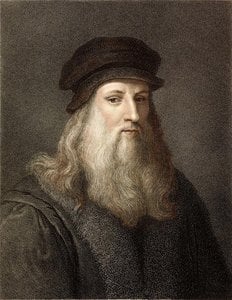
विन्सी के पास, टस्कनी में स्थित एक छोटे से गाँव के निकट 1452 में जन्मे लियोनार्डो डि सेर पिएरो दा विंची, न केवल एक कलाकार थे, बल्कि एक वैज्ञानिक, इंजीनियर, आविष्कारक और विचारक भी थे। वे पुनर्जागरण काल के सबसे महान व्यक्तियों में से एक माने जाते हैं, जिनकी प्रतिभा की कोई सीमा नहीं थी। उनकी जिज्ञासा ने उन्हें कला, विज्ञान और इंजीनियरिंग के क्षेत्रों में अभूतपूर्व ऊंचाइयों पर पहुंचाया, जिससे मानव इतिहास पर एक अमिट छाप पड़ी। दा विंची का नाम ही genius का पर्याय बन गया है, जो उनकी असाधारण प्रतिभा और दूरदर्शी सोच का प्रमाण है। उनके पिता पिएरो दा विंची एक नोटरी थे, जबकि उनकी माँ कैटेरिना एक किसान महिला थीं। इस असामान्य पृष्ठभूमि ने उन्हें व्यावहारिक दुनिया और प्रकृति के प्रति गहरी समझ विकसित करने में मदद की, जिसने बाद में उनकी कलात्मक दृष्टि को आकार दिया। उन्होंने बुनियादी शिक्षा प्राप्त की, लेकिन फ्लोरेंस में एंड्रिया डेल वेर्रोचियो के अधीन प्रशिक्षुता ने वास्तव में उनकी रचनात्मक चिंगारी को प्रज्वलित किया। वेर्रोचियो के कार्यशाला में, दा विंची केवल चित्रकला या मूर्तिकला नहीं सीख रहे थे; वे धातु शिल्प, बढ़ईगीरी, ड्राइंग और कलात्मक निर्माण की बारीकियों में डूबे हुए थे - एक नींव जिस पर उन्होंने अपनी बहुमुखी प्रतिभा का निर्माण किया। इस प्रारंभिक चरण में ही उनकी असाधारण प्रतिभा के बारे में फुसफुसाहटें फैलने लगी थीं, कुछ खातों से पता चलता है कि दा विंची की श्रेष्ठता को देखकर वेर्रोचियो ने स्वयं चित्रकला छोड़ दी थी।

मिलानी नवाचार और कलात्मक विकास

1482 में, लियोनार्डो ने मिलान के ड्यूक लुडोविको स्फोर्जा की सेवा में एक नया अध्याय शुरू किया। यह केवल एक कलात्मक नियुक्ति नहीं थी; दा विंची एक सैन्य इंजीनियर, वास्तुकार, मूर्तिकार और डिजाइनर के रूप में कार्य करते थे - उनकी विविध कौशल का प्रमाण। उन्होंने अभिनव किलेबंदी की कल्पना की, विस्तृत मंच सेट डिजाइन किए, और यहां तक कि शानदार मशीनों के लिए योजनाएं भी बनाईं। हालाँकि, इसी अवधि में उन्होंने अपनी सबसे प्रतिष्ठित कृतियों में से एक पर काम शुरू किया: द लास्ट सपर। सांता मारिया डेले ग्राज़िए मठ के रिफेक्टरी में भित्ति चित्र के रूप में चित्रित, यह कार्य मात्र प्रतिनिधित्व से बढ़कर है; यह मानवीय भावनाओं और मनोवैज्ञानिक नाटक की गहन खोज है, जो यीशु द्वारा अपने विश्वासघात की घोषणा करने के सटीक क्षण को पकड़ता है। रचना, उस समय के लिए अभिनव, और परिप्रेक्ष्य का कुशल उपयोग पश्चिमी कला को सदियों तक गहराई से प्रभावित करेगा। उनकी मिलानी अवधि के दौरान कई मूर्तिकला परियोजनाएं अधूरी रह गईं, लेकिन लियोनार्डो की नवोन्मेषी भावना फलती-फूलती रही, जिससे भविष्य में वैज्ञानिक अन्वेषणों का मार्ग प्रशस्त हुआ।

फ्लोरेंस वापसी और पूर्णता की खोज

1499 में मिलान पर फ्रांसीसी आक्रमण के बाद, लियोनार्डो फ्लोरेंस लौट आए, जो एक कलात्मक विकास के चरम पर था। इस दौरान उन्होंने अपेक्षाकृत कम पूर्ण कृतियाँ बनाईं, लेकिन उनका प्रभाव बहुत बड़ा था। यहीं पर उन्होंने दुनिया की सबसे प्रसिद्ध पेंटिंगों में से एक पर काम शुरू किया: मोना लिसा (ला जियोकोंडा)। विषय की रहस्यमय मुस्कान और मनोरम नज़र ने पीढ़ियों से दर्शकों को मोहित किया है, जबकि लियोनार्डो की क्रांतिकारी स्फुमाटो तकनीक - प्रकाश और छाया के सूक्ष्म मिश्रण जो धुंधली रूपरेखाओं और वायुमंडलीय परिप्रेक्ष्य को जन्म देते हैं - पेंटिंग की अलौकिक गुणवत्ता में महत्वपूर्ण योगदान दिया। इस अवधि में उनके शरीर रचना संबंधी अध्ययनों का भी निरंतर परिशोधन हुआ, जो मानव रूप को वैज्ञानिक सटीकता के साथ समझने की अटूट इच्छा से प्रेरित था। उन्होंने शवों का विच्छेदन किया, मांसपेशियों, हड्डियों और अंगों को अविश्वसनीय रूप से विस्तृत चित्रों में सावधानीपूर्वक प्रलेखित किया जो अपने समय से बहुत आगे थे।

कला से परे एक विरासत: विज्ञान, आविष्कार और स्थायी प्रभाव

लियोनार्डो के बाद के वर्षों को फ्लोरेंस, मिलान और रोम के बीच यात्राओं द्वारा चिह्नित किया गया था, हमेशा अपनी विशेषज्ञता के लिए मांग की जाती थी लेकिन अक्सर परियोजनाओं को अधूरा छोड़ दिया जाता था - शायद उनकी बेचैन बुद्धि और उनके हितों के विशाल दायरे का प्रतिबिंब। 1516 में, उन्होंने फ्रांस के राजा फ्रांस्वा प्रथम से क्लोज़ लुसे के पास एम्बोइस में एक महल के पास रहने और काम करने के लिए निमंत्रण स्वीकार किया, जहाँ उन्होंने अपने अंतिम वर्षों को बिताया। 1519 में उनकी मृत्यु हो गई, जिससे एक विशाल विरासत पीछे छूट गई जो कला के दायरे से कहीं आगे तक फैली हुई है। उनके नोटबुक्स में शरीर रचना विज्ञान, प्रकाशिकी, जल यांत्रिकी, भूविज्ञान और मानचित्रकला में अग्रणी कार्य का खुलासा होता है - और ऐसे आविष्कार भी हैं जो सदियों पहले अपने समय से आगे थे, जिनमें उड़ान मशीनें, टैंक और उन्नत हथियार शामिल हैं। लियोनार्डो दा विंची का कला इतिहास पर प्रभाव अमूल्य है। उन्होंने कलाकारों की स्थिति को कुशल कारीगरों से बौद्धिक आंकड़ों तक बढ़ाया, यह प्रदर्शित करते हुए कि वैज्ञानिक जांच और प्राकृतिक दुनिया की गहरी समझ द्वारा सूचित किया जा सकता है। उनकी पेंटिंग अपनी यथार्थवाद, मनोवैज्ञानिक गहराई और नवीन तकनीकों के लिए मनाई जाती हैं। वह मानव जिज्ञासा, रचनात्मकता और ज्ञान की अथक खोज का प्रतीक बने हुए हैं - एक सच्ची पुनर्जागरण भावना का अवतार जिनकी विरासत उनकी मृत्यु के सदियों बाद भी विस्मय और प्रशंसा को प्रेरित करती रहती है।

प्रमुख उपलब्धियाँ और स्थायी प्रभाव

  • पेंटिंग: मोना लिसा, द लास्ट सपर, वर्जिन ऑफ द रॉक, एननसीयेशन
  • ड्राइंग और स्केचिंग: व्यापक शरीर रचना संबंधी अध्ययन, इंजीनियरिंग डिजाइन (उड़ान मशीनें, हथियार), वनस्पति चित्रण
  • विज्ञान और इंजीनियरिंग: शरीर रचना विज्ञान, प्रकाशिकी, जल यांत्रिकी, भूविज्ञान और मानचित्रकला में अग्रणी कार्य। अपने समय से सदियों पहले अवधारणाकृत आविष्कार।

मुख्य तथ्य

  • Artistic Movement Or Style: उच्च पुनर्जागरण
  • Artists Or Movements Influenced By This Artist: ['पुनर्जागरण कला']
  • Artists Who Influenced This Artist: ['एंड्रिया डेल वेरोच्चियो']
  • Date Of Birth: 15 अप्रैल 1452
  • Date Of Death: 2 मई 1519
  • Full Name: लिओनार्डो दा विंची
  • Nationality: इतालवी
  • Notable Artworks:
    • मोना लिसा
    • द लास्ट सपर
    • विट्रुवियन मैन
  • Place Of Birth: विनीज़िया, इटली
विषयों, शैलियों और विशेषताओं के आधार पर व्यवस्थित कलाकृतियों का अन्वेषण करें।