पूर्वावलोकन देखें AR में प्रीव्यू देखें हाथ से बनी पेंटिंग खरीदें डिजिटल इमेज पर जाएँ भेजें
विवरण देखें मार्गदर्शिका पसंदीदा में जोड़ें डाउनलोड करें समान वस्तुएं एक्स-रे स्लाइड शो देखें Q&A आंकड़े

Equestrian Statue

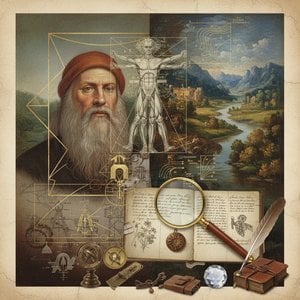
लियोनार्डो दा विंची (1452-1519) को जानें: मोना लिसा और लास्ट सपर के पीछे की पुनर्जागरण प्रतिभा! उनकी sfumato तकनीक, शारीरिक अध्ययन और क्रांतिकारी आविष्कारों की खोज करें।

गिक्ली / आर्ट प्रिंट

तेज़ उत्पादन और विभिन्न फिनिश विकल्पों के साथ म्यूजियम-क्वालिटी गिकली (giclée) या कैनवस प्रिंट। ( हाथ से बनी पेंटिंग खरीदें डिजिटल इमेज पर जाएँ)

Corner sample of the P118B picture frame: मोल्डेड पॉलीस्टायरीन, 5 cm wide and 3 cm thick
P118B ₹10
Corner sample of the P118H picture frame: मोल्डेड पॉलीस्टायरीन, 5 cm wide and 3 cm thick
P118H ₹10
Corner sample of the P118W picture frame: मोल्डेड पॉलीस्टायरीन, 5 cm wide and 3 cm thick
P118W ₹10
Corner sample of the P438Z picture frame: मोल्डेड पॉलीस्टायरीन, 5.5 cm wide and 3.5 cm thick
P438Z ₹10
Corner sample of the P508JH picture frame: मोल्डेड पॉलीस्टायरीन, 7 cm wide and 3.5 cm thick
P508JH ₹12
Corner sample of the P508YH picture frame: मोल्डेड पॉलीस्टायरीन, 7 cm wide and 3.5 cm thick
P508YH ₹12
Corner sample of the P805H picture frame: मोल्डेड पॉलीस्टायरीन, 5 cm wide and 3.5 cm thick
P805H ₹10
Corner sample of the P805Z picture frame: मोल्डेड पॉलीस्टायरीन, 5 cm wide and 3.5 cm thick
P805Z ₹10
Corner sample of the P919BZ picture frame: मोल्डेड पॉलीस्टायरीन, 7 cm wide and 3.5 cm thick
P919BZ ₹10
Corner sample of the P919G picture frame: मोल्डेड पॉलीस्टायरीन, 7 cm wide and 3.5 cm thick
P919G ₹10
Corner sample of the P919XJ picture frame: मोल्डेड पॉलीस्टायरीन, 7 cm wide and 3.5 cm thick
P919XJ ₹10
Corner sample of the P959ZH picture frame: मोल्डेड पॉलीस्टायरीन, 5 cm wide and 3 cm thick
P959ZH ₹10
Corner sample of the P968JZ picture frame: मोल्डेड पॉलीस्टायरीन, 6 cm wide and 4 cm thick
P968JZ ₹12
Corner sample of the W106C picture frame: ठोस लकड़ी, 5 cm wide and 3 cm thick
W106C ₹8
Corner sample of the W218G picture frame: ठोस लकड़ी, 5 cm wide and 3 cm thick
W218G ₹10
Corner sample of the W218JH picture frame: ठोस लकड़ी, 5 cm wide and 3 cm thick
W218JH ₹8
Corner sample of the W218Y picture frame: ठोस लकड़ी, 5 cm wide and 3 cm thick
W218Y ₹10
Corner sample of the W307PJ picture frame: ठोस लकड़ी, 6 cm wide and 3 cm thick
W307PJ ₹10
Corner sample of the W316G picture frame: ठोस लकड़ी, 6 cm wide and 3 cm thick
W316G ₹10
Corner sample of the W316PJ picture frame: ठोस लकड़ी, 6 cm wide and 3 cm thick
W316PJ ₹8
Corner sample of the W316Y picture frame: ठोस लकड़ी, 6 cm wide and 3 cm thick
W316Y ₹10
Corner sample of the W398PJ picture frame: ठोस लकड़ी, 5 cm wide and 3 cm thick
W398PJ ₹8
Corner sample of the W4111J picture frame: ठोस लकड़ी, 6.5 cm wide and 3.5 cm thick
W4111J ₹10
Corner sample of the W500HY picture frame: ठोस लकड़ी, 7 cm wide and 5 cm thick
W500HY ₹15
Corner sample of the W500JH picture frame: ठोस लकड़ी, 7 cm wide and 5 cm thick
W500JH ₹15
Corner sample of the W692G picture frame: ठोस लकड़ी, 8 cm wide and 4 cm thick
W692G ₹12
Corner sample of the W849H picture frame: ठोस लकड़ी, 5 cm wide and 3 cm thick
W849H ₹8
Corner sample of the W940BG picture frame: ठोस लकड़ी, 7.5 cm wide and 4.5 cm thick
W940BG ₹15
Corner sample of the W953PJ picture frame: ठोस लकड़ी, 6 cm wide and 3.5 cm thick
W953PJ ₹8

मानक आकार
अनुकूलित
CM
INCH

कलाकृति के मूल अनुपात से मेल खाने वाले हमारे पूर्व निर्धारित आकारों में से चुनें।

चौड़ाई
ऊँचाई

अपने फ्रेम या अपनी दीवार के अनुसार आवश्यक चौड़ाई और ऊंचाई दर्ज करें। प्रिंट को केवल काटा जा सकता है, चित्र से बड़ा कभी नहीं बनाया जा सकता, इसलिए अलग आकार का साइज चित्र का एक हिस्सा खो देता है। किसी भी चीज़ को प्रिंट करने से पहले हम आपकी स्वीकृति के लिए आपको एक डिजिटल मॉकअप भेजते हैं। इस पृष्ठ पर दिखाया गया चित्र वास्तविक कटिंग नहीं दिखाता है — केवल मॉकअप ही इसे दर्शाता है।

विश्वव्यापी डिलीवरी (), मानक 4/5 सप्ताह के बजाय मात्र 2 सप्ताह में। (30 अक्टूबर)

दुनिया भर में मुफ़्त एक्सप्रेस शिपिंग
प्रीमियम ग्रेड लिनेन कैनवास
पूर्ण शिपिंग बीमा
सीमा शुल्क और आयात कर वापसी की गारंटी
सटीक रंग मिलान की गारंटी
100 दिनों की वापसी नीति (केवल निर्माण दोष होने पर)
100% पैसे वापसी की गारंटी
थोक छूट का अवसर

कुल कीमत

₹ 6552

Equestrian Statue

गिक्ली / आर्ट प्रिंट

प्रतिकृति का आकार

-

कुल मूल्य

₹ 6552

मुख्य विवरण

  • Medium: Bronze
  • Artist: Leonardo da Vinci
  • Location: Szépmûvészeti Múzeum (Budapest, Hungary)
  • Artistic style: Neoclassical
  • Title: Equestrian Statue

कला प्रश्नोत्तरी

प्रत्येक प्रश्न का केवल एक ही सही उत्तर है।

प्रश्न 1:
What is the primary artistic significance of Leonardo da Vinci's Equestrian Statue?
प्रश्न 2:
In what historical period was the Equestrian Statue created?
प्रश्न 3:
Where is Leonardo da Vinci's Equestrian Statue currently housed?
प्रश्न 4:
What element contributes to the statue's sense of life and intrigue?
प्रश्न 5:
What is notable about Leonardo da Vinci's approach to sculpting compared to his painting?

A Symphony in Bronze: Leonardo da Vinci's Equestrian Statue

The Equestrian Statue of Lorenzo de Medici—commonly known as Il Magnifico—stands as one of Leonardo da Vinci’s most enduring achievements, yet it remains shrouded in myth and speculation. Completed in 1516 during his Milanese exile, this monumental bronze sculpture transcends mere portraiture; it embodies the spirit of Renaissance Florence and speaks to themes of power, nobility, and divine grace. Its presence at the Szépmûvészeti Múzeum (Budapest, Hungary) offers visitors a rare glimpse into the mind of arguably the greatest artist of all time.
  • Subject Matter: The statue depicts Lorenzo de Medici astride a horse—a deliberate choice reflecting the equestrian tradition prevalent in European heraldry and symbolizing royal authority.
  • Style: Da Vinci’s approach defies easy categorization, blending realism with idealized proportions characteristic of Mannerism. While meticulously studied anatomical detail informs the horse's musculature and posture, the rider is rendered with a subtle grace that elevates him beyond earthly concerns.
The sculpture’s technique represents an extraordinary feat of engineering and artistry. Da Vinci employed a complex process involving wax modeling, casting in bronze using centrifugal force—a revolutionary method at the time—and subsequent polishing to achieve a surface finish unparalleled for its era. The meticulous attention to detail extends beyond the visible form; scholars have analyzed traces of pigment within the bronze itself, suggesting that Da Vinci experimented with color—a departure from conventional sculptural practice—to imbue the statue with an ethereal luminescence.
  • Technique: Centrifugal casting was a groundbreaking innovation, allowing for greater precision and ensuring uniform distribution of metal throughout the sculpture’s structure.
  • Material Analysis: Microscopic examination revealed traces of ultramarine pigment—a vibrant blue derived from lapis lazuli—within the bronze surface, hinting at Da Vinci's desire to capture light and atmosphere.
Historically, the statue commemorates Lorenzo de Medici’s reign as Duke of Florence (1469-1492), a period marked by cultural flourishing and political stability. However, its significance extends beyond biographical commemoration. The horse—often interpreted as representing strength and nobility—is juxtaposed with the rider—symbolizing wisdom and leadership—creating a visual dialogue that encapsulates the humanist ideals of the Renaissance. Da Vinci’s intention was not merely to depict Lorenzo de Medici; he sought to capture his essence—his dignity, his intellect, and his connection to the divine order.
  • Historical Context: Florence experienced a golden age under Lorenzo's rule, fostering artistic innovation and intellectual discourse.
  • Symbolism: The horse embodies power and nobility, while the rider symbolizes wisdom and leadership—reflecting Renaissance humanist values.
The statue’s emotional impact is profound. Its serene stillness conveys a sense of majesty and contemplation, inviting viewers to contemplate themes of mortality and transcendence. Despite its unfinished state upon Da Vinci's death in 1519—a testament to the artist's relentless pursuit of perfection—the Equestrian Statue continues to captivate audiences centuries later, cementing Leonardo da Vinci’s legacy as a visionary genius who reshaped the landscape of Western art. Its enduring beauty resides not only in its technical mastery but also in its ability to evoke contemplation and inspire awe.
  • Emotional Impact: The statue's stillness conveys majesty and contemplation, prompting reflection on themes of mortality and transcendence.
  • Legacy: Da Vinci’s masterpiece continues to resonate with audiences worldwide, securing his place as one of history’s most influential artists.
Further Exploration: For high-quality reproductions and detailed scholarly analysis, visit /art/list/?Filter=8XZHYL-Leonardo-Da-Vinci-Equestrian-Statue.

प्रश्न और उत्तर

क्या "Equestrian Statue" में से एक लियोनार्डो दा विंची की सबसे लोकप्रिय कृतियों में से एक है?

लियोनार्डो दा विंची द्वारा "Equestrian Statue" के लिए दर्ज लोकप्रियता का स्तर Iconic है।

क्या लियोनार्डो दा विंची द्वारा "Equestrian Statue" एक हल्का या गहरा कलाकृति है?

"Equestrian Statue" की समग्र चमक brilliant है, और इसकी ल्यूमिनेंस (luminance) Bright Balance है।

"Equestrian Statue" किस बारे में है, और इसका वातावरण कैसा है?

"Equestrian Statue" में horse sculpture, renaissance art, leonardo da vinci, italian renaissance, bronze statue, dynamic movement, symbolism को दर्शाया गया है, और इसका भाव Elegant है।


कलाकार का परिचय

लियोनार्डो दा विंची का जीवन और विरासत।

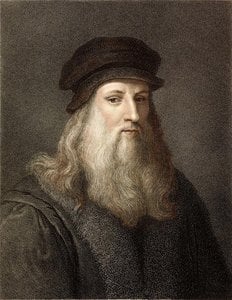
लियोनार्डो डि सेर पिएरो दा विंची, जिनका जन्म 1452 में टस्कनी के विन्ची गाँव के पास हुआ था, पुनर्जागरण काल के सबसे सर्वमान्य व्यक्तित्व बने हुए हैं—एक सच्चे बहुश्रुत (polymath) जिनकी अतृप्त जिज्ञासा ने उन्हें विभिन्न विषयों में आगे बढ़ाया और कला, विज्ञान एवं इंजीनियरिंग पर एक अमिट छाप छोड़ी। उनका नाम ही प्रतिभा का पर्याय बन गया है, जो उनकी असाधारण क्षमता और दूरदर्शी सोच का प्रमाण है। एक नोटरी पिएरो दा विंची और एक किसान महिला कैटेरिना की संतान के रूप में, लियोनार्डो का प्रारंभिक जीवन असामान्य था, फिर भी इसने उन्हें व्यावहारिक दुनिया और प्रकृति के प्रति उस समझ से जोड़ा जिसने उनकी कलात्मक दृष्टि को गहराई से आकार दिया। उन्होंने पढ़ने, लिखने और अंकगणित की बुनियादी शिक्षा प्राप्त की, लेकिन फ्लोरेंस में एंड्रिया डेल वेर्रोचियो के अधीन उनके प्रशिक्षण ने ही वास्तव में उनकी रचनात्मक चिंगारी को प्रजंतित किया। वेर्रोचियो की कार्यशाला में, लियोनार्डो केवल पेंटिंग या मूर्तिकला नहीं सीख रहे थे; वे तकनीकी कौशल की दुनिया में डूबे हुए थे, जहाँ उन्होंने धातु शिल्प, बढ़ईगिरी, रेखांकन और कलात्मक सृजन की जटिलताओं में महारत हासिल की—यही वह आधार था जिस पर उन्होंने अपनी बहुआयामी प्रतिभा का निर्माण किया। इस प्रारंभिक काल के दौरान ही उनकी असाधारण प्रतिभा की चर्चा होने लगी थी, और कुछ वृत्तांत तो यहाँ तक कहते हैं कि लियोनार्डो की श्रेष्ठ क्षमता को देखने के बाद स्वयं वेर्रोचियो ने पेंटिंग करना छोड़ दिया था।

मिलानी नवाचार और कलात्मक उत्कर्ष

1482 में, लियोनार्डो ने एक नए अध्याय की शुरुआत की और मिलान के ड्यूक लुडोविको स्फोरज़ा की सेवा में शामिल हुए। यह केवल एक कलात्मक नियुक्ति नहीं थी; लियोनलैंडो दरबार के लिए एक सैन्य इंजीनियर, वास्तुकार, मूर्तिकार और डिजाइनर के रूप में कार्य करते थे—जो उनके विविध कौशल का प्रमाण था। उन्होंने नवीन किलाबंदी की योजनाएँ बनाईं, विस्तृत मंच सज्जा तैयार की और यहाँ तक कि काल्पनिक मशीनों के रेखाचित्र भी बनाए। हालाँकि, इसी अवधि के दौरान उन्होंने अपनी सबसे प्रतिष्ठित उत्कृष्ट कृतियों में से एक पर काम करना शुरू किया: द लास्ट सपर। सांता मारिया डेले ग्राज़िए मठ के रिफेक्ट्री में भित्ति चित्र (fresco) के रूप में चित्रित यह कृति केवल एक चित्रण मात्र नहीं है; यह मानवीय भावनाओं और मनोवैज्ञानिक नाटक का एक गहरा अन्वेषण है, जो उस सटीक क्षण को कैद करता है जब मसीह अपने विश्वासघात की घोषणा करते हैं। अपने समय के लिए अभिनव रचना और परिप्रेक्ष्य (perspective) का कुशल उपयोग आने वाली सदियों तक पश्चिमी कला को गहराई से प्रभावित करने वाला था। हालाँकि उनके मिलानी काल के दौरान कई मूर्तिकला परियोजनाएँ अधूरी रह गईं, लेकिन लियोनार्डो की आविष्कारक भावना फलती-फूलती रही, जिसने भविष्य के वैज्ञानिक अन्वेषणों की नींव रखी।

फ्लोरेंटाइन वापसी और पूर्णता की खोज

1499 में मिलान पर फ्रांसीसी आक्रमण के बाद, लियोनार्डो फ्लोरेंस लौटे, जो उस समय कलात्मक विकास के शिखर का अनुभव कर रहा था। हालाँकि इस दौरान उन्होंने कम पूर्ण कार्य किए, लेकिन उनका प्रभाव अत्यधिक था। यहीं उन्होंने उस कृति पर काम शुरू किया जो दुनिया की सबसे प्रसिद्ध पेंटिंग बनने वाली थी: मोना लिसा (ला जियोकोंडा)। विषय की रहस्यमयी मुस्कान और मंत्रमुग्ध कर देने वाली दृष्टि ने पीढ़ियों से दर्शकों को आकर्षित किया है, जबकि लियोनार्डो की क्रांतिकारी *स्फुमातो* तकनीक—धुंधली रूपरेखा और वायुमंडलीय परिप्रेक्ष्य बनाने के लिए प्रकाश और छाया का सूक्ष्म मिश्रण—ने पेंटिंग की अलौकिकता में महत्वपूर्ण योगदान दिया। इस काल में उनके शारीरिक अध्ययन (anatomical studies) में भी निरंतर सुधार देखा गया, जो वैज्ञानिक सटीकता के साथ मानव रूप को समझने की उनकी अटूट इच्छा से प्रेरित था। उन्होंने शवों का विच्छेदन किया और मांसपेशियों, हड्डियों और अंगों का अत्यंत विस्तृत रेखाचित्रों में दस्तावेजीकरण किया, जो अपने समय से सदियों आगे थे।

कला से परे एक विरासत: विज्ञान, आविष्कार और स्थायी प्रभाव

लियोनार्डो के उत्तरार्द्ध के वर्ष फ्लोरेंस, मिलान और रोम के बीच यात्राओं के लिए जाने जाते हैं, जहाँ उन्हें हमेशा उनकी विशेषज्ञता के लिए खोजा जाता था, लेकिन अक्सर उनके प्रोजेक्ट अधूरे रह जाते थे—जो शायद उनकी बेचैन बुद्धि और उनके हितों के विशाल दायरे का प्रतिबिंब था। 1516 में, उन्होंने फ्रांस में एम्बोइस के पास शैटॉ डू क्लॉस लुसे में रहने और काम करने के लिए राजा फ्रांसिस प्रथम के निमंत्रण को स्वीकार किया, जहाँ उन्होंने अपने अंतिम वर्ष बिताए। 1519 में उनका निधन हो गया, पीछे एक विशाल विरासत छोड़ गए जो कला के क्षेत्र से कहीं आगे तक फैली हुई है। उनकी नोटबुक शरीर रचना विज्ञान, प्रकाशिकी (optics), हाइड्रोलिक्स, भूविज्ञान और मानचित्रकला में अग्रणी कार्य को प्रकट करती हैं—और उन्होंने उड़ने वाली मशीनों, टैंकों और उन्नत हथियारों सहित ऐसे आविष्कारों की कल्पना की जो अपने समय से सदियों आगे थे। कला के इतिहास पर लियोनार्डो दा विंची का प्रभाव अथाह है। उन्होंने कलाकारों के स्तर को कुशल शिल्पकारों से उठाकर बौद्धिक हस्तियों के रूप में स्थापित किया, यह प्रदर्शित करते हुए कि कलात्मक सृजन वैज्ञानिक जांच और प्राकृतिक दुनिया की गहरी समझ से प्रेरित हो सकता है। उनकी पेंटिंग्स अपने यथार्थवाद, मनोवैज्ञानिक गहराई और नवीन तकनीकों के लिए मनाई जाती हैं। वे मानवीय जिज्ञासा, रचनात्मकता और ज्ञान की निरंतर खोज के प्रतीक बने हुए हैं—पुनर्जागरण भावना के एक सच्चे अवतार जिनकी विरासत उनकी मृत्यु के सदियों बाद भी विस्मय और आकर्षण पैदा करती रहती है।

प्रमुख उपलब्धियाँ और स्थायी प्रभाव

  • पेंटिंग: मोना लिसा, द लास्ट सपर, वर्जिन ऑफ द रॉक्स, एननसिएशन
  • रेखांकन और स्केचिंग: व्यापक शारीरिक अध्ययन, इंजीनियरिंग डिजाइन (उड़ने वाली मशीनें, हथियार), वानस्पतिक चित्रण
  • विज्ञान और इंजीनियरिंग: शरीर रचना विज्ञान, प्रकाशिकी, हाइड्रोलिक्स, भूविज्ञान और मानचित्रकला में अग्रणी कार्य। अपने समय से सदियों आगे के आविष्कारों की कल्पना की।

संक्षिप्त जानकारी

  • Artistic Movement Or Style: उच्च पुनर्जागरण
  • Artists Or Movements Influenced By This Artist: ['पुनर्जागरण कला']
  • Artists Who Influenced This Artist: ['एंड्रिया डेल वेरोच्चियो']
  • Date Of Birth: 15 अप्रैल 1452
  • Date Of Death: 2 मई 1519
  • Full Name: लिओनार्डो दा विंची
  • Nationality: इतालवी
  • Notable Artworks:
    • मोना लिसा
    • द लास्ट सपर
    • विट्रुवियन मैन
  • Place Of Birth: विनीज़िया, इटली
विषयों, शैलियों और विशेषताओं के आधार पर व्यवस्थित कलाकृतियों का अन्वेषण करें।