पूर्वावलोकन देखें AR में देखें हाथ से बनी पेंटिंग खरीदें डिजिटल इमेज पर स्विच करें साझा करें
विस्तृत विवरण Guide पसंदीदा में जोड़ें डाउनलोड करें समान कलाकृतियाँ एक्स-रे स्लाइड शो देखें आंकड़े

Codex Madrid I, f.29r

Rare Leonardo da Vinci technical drawing of a cannon (Codex Madrid I, f.29r). Explore this exquisite Renaissance engineering masterpiece – a glimpse into Da Vinci's genius!

पुनर्जागरण के महान कलाकार लिओनार्डो दा विंची! मोना लिसा और लास्ट सपर जैसी उत्कृष्ट कृतियों से जानें उनकी कला, विज्ञान और आविष्कार में अद्वितीय प्रतिभा।

गिक्ली / आर्ट प्रिंट

तेज़ उत्पादन और विभिन्न फिनिश विकल्पों के साथ म्यूजियम-क्वालिटी गिकली (giclée) या कैनवस प्रिंट। ( हाथ से बनी पेंटिंग खरीदें डिजिटल इमेज पर स्विच करें)

P118B $10
P118H $10
P118W $10
P438Z $10
P508JH $12
P508YH $12
P805H $10
P805Z $10
P919BZ $10
P919G $10
P919XJ $10
P959ZH $10
P968JZ $12
W106C $8
W218G $10
W218JH $8
W218Y $10
W307PJ $10
W316G $10
W316PJ $8
W316Y $10
W398PJ $8
W4111J $10
W500HY $15
W500JH $15
W692G $12
W849H $8
W940BG $15
W953PJ $8

मानक
कस्टम
CM
INCH

कलाकृति के मूल अनुपात से मेल खाने वाले हमारे पूर्व निर्धारित आकारों में से चुनें।

चौड़ाई
ऊँचाई

आप किसी विशिष्ट फ्रेम या स्थान के अनुसार अपने स्वयं के आयाम (dimensions) दर्ज कर सकते हैं। यदि आपके द्वारा चुना गया आकार मूल छवि के अनुपात से मेल नहीं खाता है, तो हम कलाकृति को क्रॉप कर देंगे या मिरर किए गए या सॉलिड-फिल किनारे के साथ छवि का विस्तार करेंगे। उत्पादन शुरू होने से पहले आपकी स्वीकृति के लिए एक डिजिटल मॉकअप भेजा जाएगा।
कृपया ध्यान दें कि स्क्रीन पर दिखने वाला प्रीव्यू वास्तविक क्रॉपिंग या विस्तार को नहीं दर्शाता है। केवल मॉकअप ही अंतिम संरचना को सटीक रूप से दिखाएगा।
हालाँकि कस्टम आकार उपलब्ध हैं, फिर भी हम मूल अनुपात बनाए रखने के लिए पूर्व-निर्धारित सूची में से एक आयाम चुनने की सलाह देते हैं।

विश्वव्यापी डिलीवरी (), मानक 4/5 सप्ताह के बजाय मात्र 2 सप्ताह में। (20 सितमबर)

why_choose_icon
दुनिया भर में मुफ़्त एक्सप्रेस शिपिंग
why_choose_icon
उच्च गुणवत्ता वाला लिनेन कैनवास
why_choose_icon
पूर्ण शिपिंग बीमा
why_choose_icon
सीमा शुल्क और आयात कर वापसी की गारंटी
why_choose_icon
सटीक रंग मिलान की गारंटी
why_choose_icon
100-दिन की वापसी नीति (केवल दोषपूर्ण होने पर)
why_choose_icon
100% पैसे वापसी की गारंटी
why_choose_icon
थोक छूट का लाभ

कुल कीमत

$ 68

reproduction

Codex Madrid I, f.29r

गिक्ली / आर्ट प्रिंट

प्रतिकृति का आकार

-

कुल देय राशि

$ 68

प्रमुख विशेषताएँ

  • artist: Leonardo da Vinci
  • year: Unknown
  • medium: Pen and ink on parchment
  • subject: Cannon design
  • dimensions: 22 x 15 cm
  • notable elements: Detailed mechanical diagram, handwritten notes in Latin

कला प्रश्नोत्तरी

प्रत्येक प्रश्न का केवल एक ही सही उत्तर है।

प्रश्न 1:
What is the primary subject matter of 'Codex Madrid I, f.29r'?
प्रश्न 2:
Leonardo da Vinci functioned as more than just an artist during his time with Ludovico Sforza. What other roles did he fulfill?
प्रश्न 3:
What drawing technique is prominently used in 'Codex Madrid I, f.29r'?
प्रश्न 4:
The Codex Madrid I, f.29r is an example of Leonardo da Vinci’s fascination with what two areas?
प्रश्न 5:
What material was most likely used to create 'Codex Madrid I, f.29r'?

A Window into Genius: Leonardo da Vinci’s Cannon Design

This captivating drawing, *Codex Madrid I, f.29r*, offers a remarkable glimpse into the inventive mind of Leonardo da Vinci. Measuring 22 x 15 cm, this page from one of his notebooks isn't merely a technical illustration; it is a testament to the Renaissance’s burgeoning fascination with both art and engineering – and, perhaps more pointedly, the intersection of the two in the service of warfare.

Decoding the Design: Subject & Style

The artwork centers on a meticulously rendered cannon, presented as a detailed blueprint for its construction. Da Vinci’s approach is distinctly *technical*, prioritizing clarity and precision over purely aesthetic concerns. The composition is symmetrical, grounding the powerful weapon with supporting structures beneath it. While lacking strict three-dimensional realism – a characteristic of drawings from this period – the drawing expertly conveys form through careful linework and subtle shading. Geometric shapes—cylinders, rectangles, and circles—dominate, reflecting the mechanical nature of the subject matter. The style is undeniably Renaissance technical illustration, echoing the spirit of scientific inquiry that defined the era.

Technique & Materials

Executed with pen and ink on aged parchment, the drawing showcases Da Vinci’s mastery of draughtsmanship. The lines are crisp and deliberate, revealing an intimate understanding of mechanics and construction. The limited color palette – shades of brown, grey, and black – is dictated by the materials used, lending a sense of authenticity and historical weight to the piece. Notice the visible creases and imperfections in the parchment itself; these aren’t flaws but rather evidence of the drawing's age and journey through time. Surrounding the central image are handwritten notes in Latin, further contextualizing the design within its historical milieu.

Historical Context & Da Vinci’s World

Leonardo da Vinci (1452-1519) was a true polymath – painter, sculptor, architect, scientist, engineer, and inventor. His apprenticeship with Andrea del Verrocchio provided him with a solid foundation in both artistic and technical disciplines. During his time serving Ludovico Sforza, Duke of Milan, Da Vinci wasn’t simply an artist; he was a vital part of the court's military planning, designing fortifications and weaponry alongside his more celebrated artworks like *The Last Supper*. This drawing exemplifies that dual role, revealing his engagement with the practical demands of Renaissance warfare. The Codex Madrid I itself is one of several notebooks containing Da Vinci’s diverse studies and inventions.

Symbolism & Emotional Resonance

Beyond its technical function, this cannon design carries symbolic weight. It represents Da Vinci's relentless curiosity and his desire to understand – and ultimately control – the physical world. The weapon itself speaks to a period of political instability and military innovation. While we often associate Da Vinci with beauty and harmony, this drawing reminds us of his pragmatic side and his willingness to apply his genius to even destructive ends. There’s an undeniable power in witnessing such detailed planning for a tool of war from the mind that also conceived masterpieces like the *Mona Lisa*.

For Collectors & Designers

A reproduction of *Codex Madrid I, f.29r* offers more than just visual appeal; it’s an investment in history and intellectual curiosity. Its neutral color palette and intricate detail make it a versatile addition to any interior – from a study or library to a modern living space. The drawing's inherent sophistication lends itself well to both classic and contemporary settings, sparking conversation and inspiring contemplation. It is a powerful statement piece for those who appreciate the intersection of art, science, and history. Owning a print allows you to bring a fragment of Da Vinci’s genius into your own world.

कलाकार का जीवन परिचय

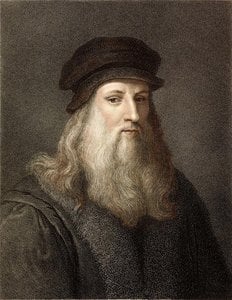
लियोनार्डो दा विंची: पुनर्जागरण के एक असाधारण प्रतिभा

विन्सी के पास, टस्कनी में स्थित एक छोटे से गाँव के निकट 1452 में जन्मे लियोनार्डो डि सेर पिएरो दा विंची, न केवल एक कलाकार थे, बल्कि एक वैज्ञानिक, इंजीनियर, आविष्कारक और विचारक भी थे। वे पुनर्जागरण काल के सबसे महान व्यक्तियों में से एक माने जाते हैं, जिनकी प्रतिभा की कोई सीमा नहीं थी। उनकी जिज्ञासा ने उन्हें कला, विज्ञान और इंजीनियरिंग के क्षेत्रों में अभूतपूर्व ऊंचाइयों पर पहुंचाया, जिससे मानव इतिहास पर एक अमिट छाप पड़ी। दा विंची का नाम ही genius का पर्याय बन गया है, जो उनकी असाधारण प्रतिभा और दूरदर्शी सोच का प्रमाण है। उनके पिता पिएरो दा विंची एक नोटरी थे, जबकि उनकी माँ कैटेरिना एक किसान महिला थीं। इस असामान्य पृष्ठभूमि ने उन्हें व्यावहारिक दुनिया और प्रकृति के प्रति गहरी समझ विकसित करने में मदद की, जिसने बाद में उनकी कलात्मक दृष्टि को आकार दिया। उन्होंने बुनियादी शिक्षा प्राप्त की, लेकिन फ्लोरेंस में एंड्रिया डेल वेर्रोचियो के अधीन प्रशिक्षुता ने वास्तव में उनकी रचनात्मक चिंगारी को प्रज्वलित किया। वेर्रोचियो के कार्यशाला में, दा विंची केवल चित्रकला या मूर्तिकला नहीं सीख रहे थे; वे धातु शिल्प, बढ़ईगीरी, ड्राइंग और कलात्मक निर्माण की बारीकियों में डूबे हुए थे - एक नींव जिस पर उन्होंने अपनी बहुमुखी प्रतिभा का निर्माण किया। इस प्रारंभिक चरण में ही उनकी असाधारण प्रतिभा के बारे में फुसफुसाहटें फैलने लगी थीं, कुछ खातों से पता चलता है कि दा विंची की श्रेष्ठता को देखकर वेर्रोचियो ने स्वयं चित्रकला छोड़ दी थी।

मिलानी नवाचार और कलात्मक विकास

1482 में, लियोनार्डो ने मिलान के ड्यूक लुडोविको स्फोर्जा की सेवा में एक नया अध्याय शुरू किया। यह केवल एक कलात्मक नियुक्ति नहीं थी; दा विंची एक सैन्य इंजीनियर, वास्तुकार, मूर्तिकार और डिजाइनर के रूप में कार्य करते थे - उनकी विविध कौशल का प्रमाण। उन्होंने अभिनव किलेबंदी की कल्पना की, विस्तृत मंच सेट डिजाइन किए, और यहां तक कि शानदार मशीनों के लिए योजनाएं भी बनाईं। हालाँकि, इसी अवधि में उन्होंने अपनी सबसे प्रतिष्ठित कृतियों में से एक पर काम शुरू किया: द लास्ट सपर। सांता मारिया डेले ग्राज़िए मठ के रिफेक्टरी में भित्ति चित्र के रूप में चित्रित, यह कार्य मात्र प्रतिनिधित्व से बढ़कर है; यह मानवीय भावनाओं और मनोवैज्ञानिक नाटक की गहन खोज है, जो यीशु द्वारा अपने विश्वासघात की घोषणा करने के सटीक क्षण को पकड़ता है। रचना, उस समय के लिए अभिनव, और परिप्रेक्ष्य का कुशल उपयोग पश्चिमी कला को सदियों तक गहराई से प्रभावित करेगा। उनकी मिलानी अवधि के दौरान कई मूर्तिकला परियोजनाएं अधूरी रह गईं, लेकिन लियोनार्डो की नवोन्मेषी भावना फलती-फूलती रही, जिससे भविष्य में वैज्ञानिक अन्वेषणों का मार्ग प्रशस्त हुआ।

फ्लोरेंस वापसी और पूर्णता की खोज

1499 में मिलान पर फ्रांसीसी आक्रमण के बाद, लियोनार्डो फ्लोरेंस लौट आए, जो एक कलात्मक विकास के चरम पर था। इस दौरान उन्होंने अपेक्षाकृत कम पूर्ण कृतियाँ बनाईं, लेकिन उनका प्रभाव बहुत बड़ा था। यहीं पर उन्होंने दुनिया की सबसे प्रसिद्ध पेंटिंगों में से एक पर काम शुरू किया: मोना लिसा (ला जियोकोंडा)। विषय की रहस्यमय मुस्कान और मनोरम नज़र ने पीढ़ियों से दर्शकों को मोहित किया है, जबकि लियोनार्डो की क्रांतिकारी स्फुमाटो तकनीक - प्रकाश और छाया के सूक्ष्म मिश्रण जो धुंधली रूपरेखाओं और वायुमंडलीय परिप्रेक्ष्य को जन्म देते हैं - पेंटिंग की अलौकिक गुणवत्ता में महत्वपूर्ण योगदान दिया। इस अवधि में उनके शरीर रचना संबंधी अध्ययनों का भी निरंतर परिशोधन हुआ, जो मानव रूप को वैज्ञानिक सटीकता के साथ समझने की अटूट इच्छा से प्रेरित था। उन्होंने शवों का विच्छेदन किया, मांसपेशियों, हड्डियों और अंगों को अविश्वसनीय रूप से विस्तृत चित्रों में सावधानीपूर्वक प्रलेखित किया जो अपने समय से बहुत आगे थे।

कला से परे एक विरासत: विज्ञान, आविष्कार और स्थायी प्रभाव

लियोनार्डो के बाद के वर्षों को फ्लोरेंस, मिलान और रोम के बीच यात्राओं द्वारा चिह्नित किया गया था, हमेशा अपनी विशेषज्ञता के लिए मांग की जाती थी लेकिन अक्सर परियोजनाओं को अधूरा छोड़ दिया जाता था - शायद उनकी बेचैन बुद्धि और उनके हितों के विशाल दायरे का प्रतिबिंब। 1516 में, उन्होंने फ्रांस के राजा फ्रांस्वा प्रथम से क्लोज़ लुसे के पास एम्बोइस में एक महल के पास रहने और काम करने के लिए निमंत्रण स्वीकार किया, जहाँ उन्होंने अपने अंतिम वर्षों को बिताया। 1519 में उनकी मृत्यु हो गई, जिससे एक विशाल विरासत पीछे छूट गई जो कला के दायरे से कहीं आगे तक फैली हुई है। उनके नोटबुक्स में शरीर रचना विज्ञान, प्रकाशिकी, जल यांत्रिकी, भूविज्ञान और मानचित्रकला में अग्रणी कार्य का खुलासा होता है - और ऐसे आविष्कार भी हैं जो सदियों पहले अपने समय से आगे थे, जिनमें उड़ान मशीनें, टैंक और उन्नत हथियार शामिल हैं। लियोनार्डो दा विंची का कला इतिहास पर प्रभाव अमूल्य है। उन्होंने कलाकारों की स्थिति को कुशल कारीगरों से बौद्धिक आंकड़ों तक बढ़ाया, यह प्रदर्शित करते हुए कि वैज्ञानिक जांच और प्राकृतिक दुनिया की गहरी समझ द्वारा सूचित किया जा सकता है। उनकी पेंटिंग अपनी यथार्थवाद, मनोवैज्ञानिक गहराई और नवीन तकनीकों के लिए मनाई जाती हैं। वह मानव जिज्ञासा, रचनात्मकता और ज्ञान की अथक खोज का प्रतीक बने हुए हैं - एक सच्ची पुनर्जागरण भावना का अवतार जिनकी विरासत उनकी मृत्यु के सदियों बाद भी विस्मय और प्रशंसा को प्रेरित करती रहती है।

प्रमुख उपलब्धियाँ और स्थायी प्रभाव

  • पेंटिंग: मोना लिसा, द लास्ट सपर, वर्जिन ऑफ द रॉक, एननसीयेशन
  • ड्राइंग और स्केचिंग: व्यापक शरीर रचना संबंधी अध्ययन, इंजीनियरिंग डिजाइन (उड़ान मशीनें, हथियार), वनस्पति चित्रण
  • विज्ञान और इंजीनियरिंग: शरीर रचना विज्ञान, प्रकाशिकी, जल यांत्रिकी, भूविज्ञान और मानचित्रकला में अग्रणी कार्य। अपने समय से सदियों पहले अवधारणाकृत आविष्कार।

मुख्य तथ्य

  • Artistic Movement Or Style: उच्च पुनर्जागरण
  • Artists Or Movements Influenced By This Artist: ['पुनर्जागरण कला']
  • Artists Who Influenced This Artist: ['एंड्रिया डेल वेरोच्चियो']
  • Date Of Birth: 15 अप्रैल 1452
  • Date Of Death: 2 मई 1519
  • Full Name: लिओनार्डो दा विंची
  • Nationality: इतालवी
  • Notable Artworks:
    • मोना लिसा
    • द लास्ट सपर
    • विट्रुवियन मैन
  • Place Of Birth: विनीज़िया, इटली
विषयों, शैलियों और विशेषताओं के आधार पर व्यवस्थित कलाकृतियों का अन्वेषण करें।