आपके आकार और फ्रेम के अनुसार कैनवास पर हाथ से बनी ऑयल पेंटिंग, हमारे कलाकारों द्वारा विशेष रूप से ऑर्डर पर तैयार। ( प्रिंट विकल्प पर जाएँ
डिजिटल इमेज पर जाएँ)
कलाकृति के मूल अनुपात से मेल खाने वाले हमारे पूर्व निर्धारित आकारों में से चुनें।
आप किसी विशिष्ट फ्रेम या स्थान के अनुसार अपने स्वयं के आयाम (dimensions) दर्ज कर सकते हैं। यदि आपके द्वारा चुना गया आकार मूल छवि के अनुपात से मेल नहीं खाता है, तो हम कलाकृति को क्रॉप करेंगे या पेंटिंग में अतिरिक्त हाथ से चित्रित तत्व जोड़कर उसका विस्तार करेंगे। उत्पादन शुरू होने से पहले आपकी स्वीकृति के लिए एक डिजिटल मॉकअप भेजा जाएगा।
कृपया ध्यान दें कि स्क्रीन पर दिखने वाला पूर्वावलोकन वास्तविक क्रॉपिंग या विस्तार को नहीं दर्शाता है। केवल मॉकअप ही अंतिम रचना को सटीक रूप से दिखाएगा।
यद्यपि कस्टम आकार उपलब्ध हैं, फिर भी हम मूल अनुपात बनाए रखने के लिए पूर्व-निर्धारित सूची से आयाम चुनने की सलाह देते हैं।
विश्वव्यापी वितरण () मानक 5 सप्ताह के बजाय मात्र 3/4 सप्ताह में। (26 सितमबर)। गुणवत्ता से कोई समझौता नहीं।
Atlantic Codex (Codex Atlanticus), f. 858 recto.
प्रतिकृति का आकार
Leonardo da Vinci's "Atlantic Codex (Codex Atlanticus), f. 858 recto," a deceptively simple black-and-white drawing, is far more than a mere study of a spiderweb. It’s a profound meditation on structure, proportion, and the intricate beauty found in nature – a cornerstone of Leonardo's relentless pursuit of understanding the universe through observation and meticulous detail. Created around 1506, during his Milanese period, this drawing exists as one fragment within the vast and extraordinary Codex Atlanticus, a collection of over 2,000 pages encompassing Leonardo’s diverse explorations across art, science, engineering, and anatomy.
The image itself is strikingly direct. A spiderweb dominates the composition, rendered with astonishing precision in charcoal or perhaps a similar medium. The lines are not merely outlines; they possess a subtle tonal variation, suggesting a layering of technique – an initial rapid sketch followed by careful refinement. Notice how Leonardo doesn’t attempt to depict the web as it appears to the naked eye. Instead, he dissects its geometry, revealing the underlying framework of intersecting strands and radiating patterns. The drawing captures not just the visual appearance but also the mathematical relationships that govern its construction – a testament to Leonardo's belief that all things could be understood through rational analysis.
This seemingly isolated study is deeply embedded within the context of Leonardo’s broader scientific investigations. During this period, there was a burgeoning interest in natural philosophy and the systematic observation of the world around us. Leonardo's meticulous drawings, like this spiderweb, were not simply artistic exercises; they served as tools for understanding and documenting the principles of nature. He frequently used such studies to explore concepts related to perspective, proportion, and the mechanics of movement – all crucial elements in his ambitious projects, including designs for flying machines and military weaponry.
The Codex Atlanticus itself is a remarkable artifact, representing the culmination of Leonardo’s lifelong intellectual journey. It reveals a mind constantly engaged in questioning, experimenting, and recording his observations. This particular page, f. 858 recto, offers a glimpse into his process – a demonstration of how he approached complex subjects with an almost obsessive attention to detail, breaking them down into their fundamental components for analysis.
The spiderweb, as a symbol, carries significant weight. It represents not only the intricate beauty of nature but also themes of entrapment, patience, and the delicate balance between order and chaos. Leonardo was fascinated by the concept of ‘divine proportion’ – the idea that mathematical ratios underpin all aspects of creation. The perfectly symmetrical structure of the spiderweb embodies this principle, suggesting a harmony and elegance derived from underlying mathematical relationships.
Furthermore, the monochrome palette—a deliberate choice—heightens the drawing's focus on form and structure. Without the distraction of color, the viewer is compelled to engage with the intricate details of the web’s geometry, appreciating its complexity and precision. It invites contemplation on the fundamental laws governing the natural world – a reflection of Leonardo’s own quest for universal understanding.
WahooArt offers meticulously hand-painted reproductions of this extraordinary drawing from the Codex Atlanticus, capturing its subtle tonal variations and intricate details with unparalleled accuracy. These reproductions are not merely copies; they are artistic interpretations that honor Leonardo’s original vision. Whether displayed in a study, gallery, or as part of an interior design scheme, a reproduction of “Atlantic Codex (Codex Atlanticus), f. 858 recto” brings the profound insights and aesthetic beauty of one of history's greatest minds into your space.

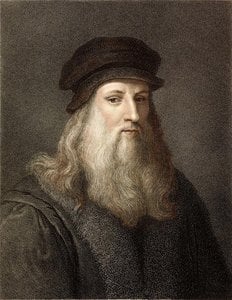
विन्सी के पास, टस्कनी में स्थित एक छोटे से गाँव के निकट 1452 में जन्मे लियोनार्डो डि सेर पिएरो दा विंची, न केवल एक कलाकार थे, बल्कि एक वैज्ञानिक, इंजीनियर, आविष्कारक और विचारक भी थे। वे पुनर्जागरण काल के सबसे महान व्यक्तियों में से एक माने जाते हैं, जिनकी प्रतिभा की कोई सीमा नहीं थी। उनकी जिज्ञासा ने उन्हें कला, विज्ञान और इंजीनियरिंग के क्षेत्रों में अभूतपूर्व ऊंचाइयों पर पहुंचाया, जिससे मानव इतिहास पर एक अमिट छाप पड़ी। दा विंची का नाम ही genius का पर्याय बन गया है, जो उनकी असाधारण प्रतिभा और दूरदर्शी सोच का प्रमाण है। उनके पिता पिएरो दा विंची एक नोटरी थे, जबकि उनकी माँ कैटेरिना एक किसान महिला थीं। इस असामान्य पृष्ठभूमि ने उन्हें व्यावहारिक दुनिया और प्रकृति के प्रति गहरी समझ विकसित करने में मदद की, जिसने बाद में उनकी कलात्मक दृष्टि को आकार दिया। उन्होंने बुनियादी शिक्षा प्राप्त की, लेकिन फ्लोरेंस में एंड्रिया डेल वेर्रोचियो के अधीन प्रशिक्षुता ने वास्तव में उनकी रचनात्मक चिंगारी को प्रज्वलित किया। वेर्रोचियो के कार्यशाला में, दा विंची केवल चित्रकला या मूर्तिकला नहीं सीख रहे थे; वे धातु शिल्प, बढ़ईगीरी, ड्राइंग और कलात्मक निर्माण की बारीकियों में डूबे हुए थे - एक नींव जिस पर उन्होंने अपनी बहुमुखी प्रतिभा का निर्माण किया। इस प्रारंभिक चरण में ही उनकी असाधारण प्रतिभा के बारे में फुसफुसाहटें फैलने लगी थीं, कुछ खातों से पता चलता है कि दा विंची की श्रेष्ठता को देखकर वेर्रोचियो ने स्वयं चित्रकला छोड़ दी थी।
1482 में, लियोनार्डो ने मिलान के ड्यूक लुडोविको स्फोर्जा की सेवा में एक नया अध्याय शुरू किया। यह केवल एक कलात्मक नियुक्ति नहीं थी; दा विंची एक सैन्य इंजीनियर, वास्तुकार, मूर्तिकार और डिजाइनर के रूप में कार्य करते थे - उनकी विविध कौशल का प्रमाण। उन्होंने अभिनव किलेबंदी की कल्पना की, विस्तृत मंच सेट डिजाइन किए, और यहां तक कि शानदार मशीनों के लिए योजनाएं भी बनाईं। हालाँकि, इसी अवधि में उन्होंने अपनी सबसे प्रतिष्ठित कृतियों में से एक पर काम शुरू किया: द लास्ट सपर। सांता मारिया डेले ग्राज़िए मठ के रिफेक्टरी में भित्ति चित्र के रूप में चित्रित, यह कार्य मात्र प्रतिनिधित्व से बढ़कर है; यह मानवीय भावनाओं और मनोवैज्ञानिक नाटक की गहन खोज है, जो यीशु द्वारा अपने विश्वासघात की घोषणा करने के सटीक क्षण को पकड़ता है। रचना, उस समय के लिए अभिनव, और परिप्रेक्ष्य का कुशल उपयोग पश्चिमी कला को सदियों तक गहराई से प्रभावित करेगा। उनकी मिलानी अवधि के दौरान कई मूर्तिकला परियोजनाएं अधूरी रह गईं, लेकिन लियोनार्डो की नवोन्मेषी भावना फलती-फूलती रही, जिससे भविष्य में वैज्ञानिक अन्वेषणों का मार्ग प्रशस्त हुआ।
1499 में मिलान पर फ्रांसीसी आक्रमण के बाद, लियोनार्डो फ्लोरेंस लौट आए, जो एक कलात्मक विकास के चरम पर था। इस दौरान उन्होंने अपेक्षाकृत कम पूर्ण कृतियाँ बनाईं, लेकिन उनका प्रभाव बहुत बड़ा था। यहीं पर उन्होंने दुनिया की सबसे प्रसिद्ध पेंटिंगों में से एक पर काम शुरू किया: मोना लिसा (ला जियोकोंडा)। विषय की रहस्यमय मुस्कान और मनोरम नज़र ने पीढ़ियों से दर्शकों को मोहित किया है, जबकि लियोनार्डो की क्रांतिकारी स्फुमाटो तकनीक - प्रकाश और छाया के सूक्ष्म मिश्रण जो धुंधली रूपरेखाओं और वायुमंडलीय परिप्रेक्ष्य को जन्म देते हैं - पेंटिंग की अलौकिक गुणवत्ता में महत्वपूर्ण योगदान दिया। इस अवधि में उनके शरीर रचना संबंधी अध्ययनों का भी निरंतर परिशोधन हुआ, जो मानव रूप को वैज्ञानिक सटीकता के साथ समझने की अटूट इच्छा से प्रेरित था। उन्होंने शवों का विच्छेदन किया, मांसपेशियों, हड्डियों और अंगों को अविश्वसनीय रूप से विस्तृत चित्रों में सावधानीपूर्वक प्रलेखित किया जो अपने समय से बहुत आगे थे।
लियोनार्डो के बाद के वर्षों को फ्लोरेंस, मिलान और रोम के बीच यात्राओं द्वारा चिह्नित किया गया था, हमेशा अपनी विशेषज्ञता के लिए मांग की जाती थी लेकिन अक्सर परियोजनाओं को अधूरा छोड़ दिया जाता था - शायद उनकी बेचैन बुद्धि और उनके हितों के विशाल दायरे का प्रतिबिंब। 1516 में, उन्होंने फ्रांस के राजा फ्रांस्वा प्रथम से क्लोज़ लुसे के पास एम्बोइस में एक महल के पास रहने और काम करने के लिए निमंत्रण स्वीकार किया, जहाँ उन्होंने अपने अंतिम वर्षों को बिताया। 1519 में उनकी मृत्यु हो गई, जिससे एक विशाल विरासत पीछे छूट गई जो कला के दायरे से कहीं आगे तक फैली हुई है। उनके नोटबुक्स में शरीर रचना विज्ञान, प्रकाशिकी, जल यांत्रिकी, भूविज्ञान और मानचित्रकला में अग्रणी कार्य का खुलासा होता है - और ऐसे आविष्कार भी हैं जो सदियों पहले अपने समय से आगे थे, जिनमें उड़ान मशीनें, टैंक और उन्नत हथियार शामिल हैं। लियोनार्डो दा विंची का कला इतिहास पर प्रभाव अमूल्य है। उन्होंने कलाकारों की स्थिति को कुशल कारीगरों से बौद्धिक आंकड़ों तक बढ़ाया, यह प्रदर्शित करते हुए कि वैज्ञानिक जांच और प्राकृतिक दुनिया की गहरी समझ द्वारा सूचित किया जा सकता है। उनकी पेंटिंग अपनी यथार्थवाद, मनोवैज्ञानिक गहराई और नवीन तकनीकों के लिए मनाई जाती हैं। वह मानव जिज्ञासा, रचनात्मकता और ज्ञान की अथक खोज का प्रतीक बने हुए हैं - एक सच्ची पुनर्जागरण भावना का अवतार जिनकी विरासत उनकी मृत्यु के सदियों बाद भी विस्मय और प्रशंसा को प्रेरित करती रहती है।
1452 - 1519 , इटली