मुफ़्त कला परामर्श सेवा

x
पेंटिंग ऑर्डर करें पेंटिंग ऑर्डर करेंछवि खरीदें छवि खरीदें साझा करेंसाझा करें
विवरणविवरण पसंदीदा में जोड़ें पसंदीदा में जोड़ें डाउनलोड करेंडाउनलोड करें समान कलाकृतियाँसमान कलाकृतियाँ एक्स-रेएक्स-रे स्लाइड शो देखेंस्लाइड शो देखें

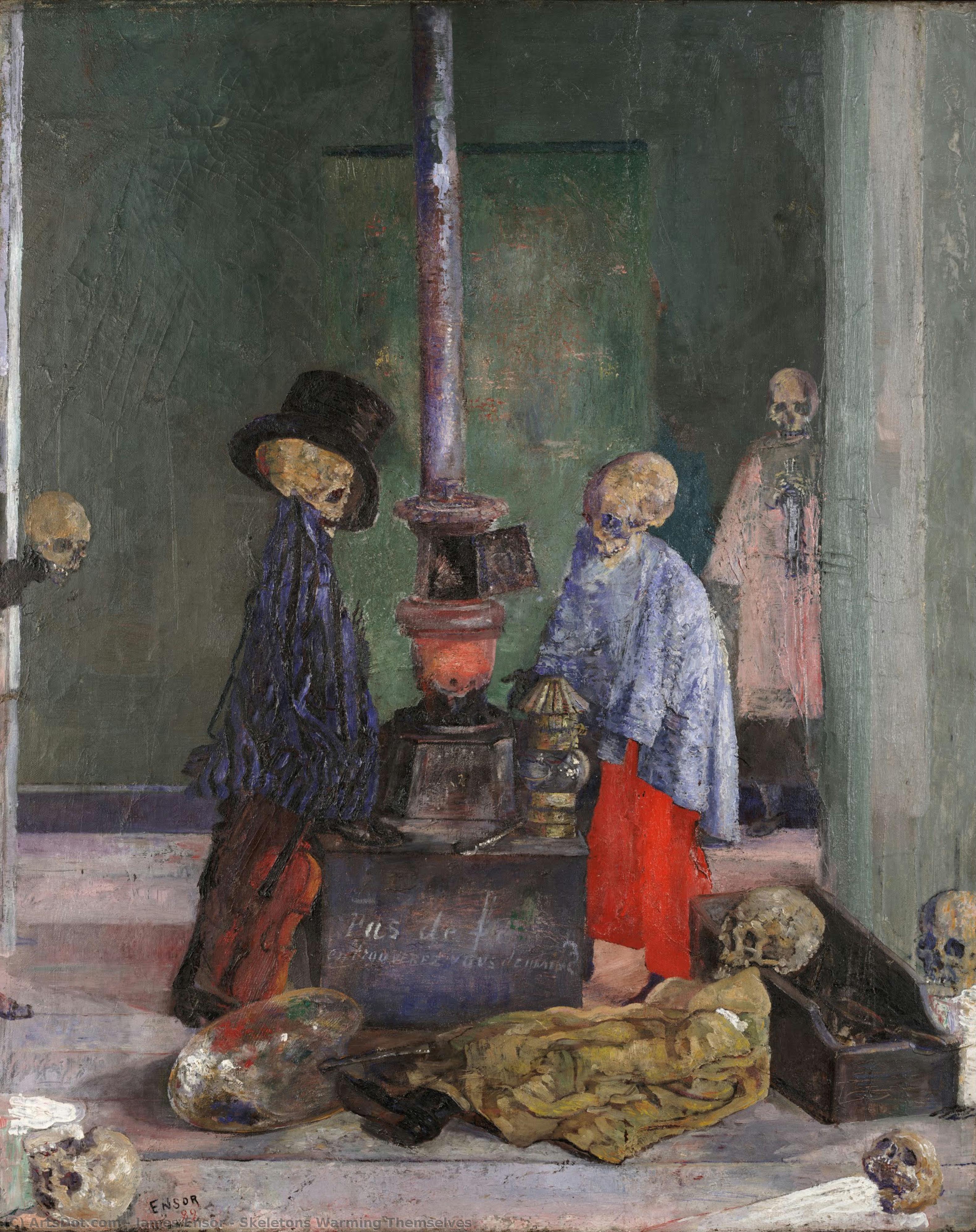
Skeletons Warming Themselves

जमैस एनसर एक बेल्जियन चित्रकार थे जिन्होंने अभिव्यक्तिवाद और अतियथार्थवाद के आंदोलन को स्थापित किया। उनके परेशान करने वाले चित्रों में मास्क, कार्निवल और कंकाल शामिल हैं। वे अपने माता-पिता की दुकान में बेल्जियम के कार्निवल संस्कृति के प्रभाव से प्रेरित थे।

गिक्ली / आर्ट प्रिंट

तेज़ उत्पादन और विभिन्न फिनिश विकल्पों के साथ म्यूजियम-क्वालिटी गिकली (giclée) या कैनवस प्रिंट।

P118B $10
P118H $10
P118W $10
P438Z $10
P508JH $12
P508YH $12
P805H $10
P805Z $10
P919BZ $10
P919G $10
P919XJ $10
P959ZH $10
P968JZ $12
W106C $8
W218G $10
W218JH $8
W218Y $10
W307PJ $10
W316G $10
W316PJ $8
W316Y $10
W398PJ $8
W4111J $10
W500HY $15
W500JH $15
W692G $12
W849H $8
W940BG $15
W953PJ $8

Standard
custom
CM
INCH

कलाकृति के मूल अनुपात से मेल खाने वाले हमारे पूर्व निर्धारित आकारों में से चुनें।

चौड़ाई
ऊँचाई

आप किसी विशिष्ट फ्रेम या स्थान के अनुसार अपने स्वयं के आयाम (dimensions) दर्ज कर सकते हैं। यदि आपके द्वारा चुना गया आकार मूल छवि के अनुपात से मेल नहीं खाता है, तो हम कलाकृति को क्रॉप कर देंगे या मिरर किए गए या सॉलिड-फिल किनारे के साथ छवि का विस्तार करेंगे। उत्पादन शुरू होने से पहले आपकी स्वीकृति के लिए एक डिजिटल मॉकअप भेजा जाएगा।
कृपया ध्यान दें कि स्क्रीन पर दिखने वाला प्रीव्यू वास्तविक क्रॉपिंग या विस्तार को नहीं दर्शाता है। केवल मॉकअप ही अंतिम संरचना को सटीक रूप से दिखाएगा।
हालाँकि कस्टम आकार उपलब्ध हैं, फिर भी हम मूल अनुपात बनाए रखने के लिए पूर्व-निर्धारित सूची में से एक आयाम चुनने की सलाह देते हैं।

विश्वव्यापी डिलीवरी (), मानक 4/5 सप्ताह के बजाय मात्र 2 सप्ताह में। (3 जुलाई)

why_choose_icon
दुनिया भर में मुफ़्त एक्सप्रेस शिपिंग
why_choose_icon
उच्च गुणवत्ता वाला लिनेन कैनवास
why_choose_icon
पूर्ण शिपिंग बीमा
why_choose_icon
सीमा शुल्क और आयात कर वापसी की गारंटी
why_choose_icon
सटीक रंग मिलान की गारंटी
why_choose_icon
60-दिन की वापसी नीति (केवल दोषों के लिए)
why_choose_icon
100% पैसे वापसी की गारंटी
why_choose_icon
थोक छूट का लाभ

कुल कीमत

-

reproduction

Skeletons Warming Themselves

गिक्ली / आर्ट प्रिंट

प्रतिकृति का आकार

-

कुल देय राशि

-

प्रमुख विशेषताएँ

  • Year: 1889
  • Notable elements: Masks, skeletons, stove
  • Medium: Oil on canvas
  • Artist: James Ensor
  • Subject or theme: Mortality, art's demise
  • Influences: Dance of Death
  • Artistic style: Macabre realism

कला प्रश्नोत्तरी

प्रत्येक प्रश्न का केवल एक ही सही उत्तर है।

प्रश्न 1:
What is the primary symbolic meaning suggested by the phrase ‘No fire. Will you find any tomorrow?’ in James Ensor’s *Skeletons Warming Themselves*?
प्रश्न 2:
The X-radiograph revealed what hidden image beneath James Ensor’s *Skeletons Warming Themselves*?
प्रश्न 3:
Considering the context of medieval and Renaissance print cycles, what is the likely allegorical purpose of depicting skeletons in *Skeletons Warming Themselves*?
प्रश्न 4:
What does the presence of a palette and brush alongside the skeletons suggest in *Skeletons Warming Themselves*?
प्रश्न 5:
James Ensor's upbringing in Ostend significantly influenced his art. What specific element of Ostendian history likely fueled his artistic vision?

संग्रहणीय वस्तु का विवरण

A Haunting Still Life: James Ensor’s *Skeletons Warming Themselves*

James Ensor's 1889 painting, *Skeletons Warming Themselves*, isn’t merely a depiction of figures around a hearth; it’s a profoundly unsettling meditation on mortality, artistic endeavor, and the lingering echoes of history. Emerging from the artist’s uniquely layered background – his English father and Belgian mother, coupled with a childhood steeped in Ostend's macabre discoveries of skeletal remains – Ensor crafts an image that simultaneously invites contemplation and evokes a chilling unease. The painting possesses a remarkable duality: on one level, it presents a domestic scene, almost banal in its arrangement of skeletons, a palette, brushes, and a violin; yet, beneath this veneer lies a complex web of symbolism and historical reference that demands careful consideration.

The Palette of Decay and Creation

Ensor’s masterful manipulation of monochrome creates an atmosphere thick with melancholy. The stark black and white palette emphasizes the skeletal forms, lending them an almost porcelain quality while simultaneously highlighting their vulnerability. Notice how the artist subtly shifts tones – a slight darkening around the edges of the skeletons, suggesting age and decay, contrasts sharply with the brighter areas where they are clustered near the stove. This careful use of value is crucial to the painting’s impact, drawing the viewer's eye across the composition and reinforcing the central theme of transience. The inclusion of the palette and brush isn’t accidental; it directly references Ensor’s own artistic practice, suggesting a cycle of creation and destruction, life and death inextricably linked.

Echoes of Ostend and the Dance of Death

The setting itself is deeply rooted in Ensor's personal history. The stove, inscribed with “Pas de feu” (“No fire”) and followed by “en trouverez vous demain?” (“Will you find any tomorrow?”), immediately evokes a sense of abandonment and uncertainty. This cryptic message resonates with the historical context of Ostend, where human bones were routinely unearthed for centuries – remnants of past conflicts and a constant reminder of mortality. Furthermore, *Skeletons Warming Themselves* aligns itself with the tradition of the “Dance of Death” prints, popular during the medieval and Renaissance periods. These allegorical images frequently depicted skeletons as symbols of universal death, often engaging in satirical commentary on various professions and social classes. Ensor’s work subtly echoes this tradition, transforming the skeletal figures into a group engaged in quiet contemplation – perhaps even a shared ritual of remembrance.

A Hidden Portrait and the Artist's Struggle

Interestingly, X-radiographs revealed that *Skeletons Warming Themselves* was created over an earlier painting: a bust-length portrait of a young girl. This layering of images speaks volumes about Ensor’s artistic process and his personal circumstances at the time. The decision to rework an existing canvas suggests a period of economic hardship, a common struggle for many artists in late 19th-century Europe. It also hints at a possible desire to move beyond a previous work, perhaps seeking a new direction or grappling with unresolved emotions. The painting becomes not just a visual statement but a window into the artist’s creative journey and his internal landscape.

A hand-painted reproduction of *Skeletons Warming Themselves* offers a unique opportunity to bring this haunting masterpiece into your home. Its evocative imagery, rich symbolism, and historical depth will undoubtedly spark conversation and serve as a poignant reminder of the ephemeral nature of life itself. The meticulous detail captured in the reproduction allows you to appreciate Ensor’s masterful technique and his profound exploration of the human condition – a truly captivating addition to any art collection or interior design scheme.

संबद्ध कलाकृतियाँ


कलाकार का जीवन परिचय

James Ensor: A Visionary of Disquiet

James Sidney Edouard, Baron Ensor (Ostend, 13 April 1860 – November 19, 1949) был бельгийским художником и гравёром, оказавшим значительное влияние на экспрессионизм и сюрреализм. Он был членом художественной группы Les XX.

Early Influences and Artistic Training

James Ensor’s father, James Frederic Ensor, родился в Брюсселе у английских родителей и был образованным человеком, изучавшим инженерию в Англии и Германии. Его мать, Мария Катерина Хаэгеман, была бельгийкой. Сам Энсор не проявлял интереса к академическому изучению и оставил школу в возрасте пятнадцати лет, чтобы начать своё художественное обучение с двух местных художников. Он посещал Академию Королевскую Бельгии в Брюсселе вместе со своим одноклассником Фернандом Хнопфом.

The Birth of Expressionism: Bold Experimentation

Энсор быстро отказался от традиционного подхода к живописи и начал разрабатывать революционный стиль, который отражал его собственное видение мира. Он особенно был очарован карнавальской культурой организованной вокруг праздника Мартра каждый год в Бельгии, что несомненно было вызвано тем, что семья Энсора в Остенде была главным поставщиком карнавальной атрибутики. Формальный метод живописи Энсора отличался от традиционных методов и был предназначен для выражения его личной позиции. Он отвергал французский импрессионизм и символизм и использовал экспрессивные средства света, линии и цвета.

Iconic Paintings and Recurring Themes

Энсор создал серию работ, которые продолжают поражать и восхищать публику сегодня. Картина «Христос входит в Брюссель» (1888–89) является одним из самых известных произведений Энсора и представляет собой сатиру религиозной неискренности и социальной безразличия. Этот тревожный образ Христа, входящего в город, наполненный гротескными масками и фигурами, является мощным комментарием о разрыве между духовными идеалами и человеческим поведением. Картина «Скелеты сражаются за повешенного человека» (1891) исследует темы смерти, разложения и абсурда жизни.

Legacy and Recognition

Несмотря на первоначальное сопротивление Энсора его художественное наследие остается свидетельством силы искусства для столкновения с неудобными истинами и исследования глубины человеческого состояния. Он является одним из ключевых фигур в переходном периоде от XIX века к началу XX века — настоящим пионером современного искусства.

जेम्स एन्सर

जेम्स एन्सर

1860 - 1949 , बेल्जियम

मुख्य तथ्य

  • Artistic Movement Or Style: अभिव्यक्तिवाद और अतिवास्तववाद
  • Artists Who Influenced This Artist:
    • पीटर पॉल रुबेन्स
    • फ्रांसिस्को गोया
    • विथ्सलर
  • Date Of Birth: अप्रैल 13, 1860
  • Date Of Death: नवंबर 19, 1949
  • Full Name: James Sidney Edouard Ensor
  • Nationality: बेल्जियम
  • Notable Artworks:
    • क्राइस्ट का ब्रुसेल्स में प्रवेश
    • संकेतित मुखौटे
    • सेंट एंथोनी के दुखों का चित्रण
  • Place Of Birth: ओस्टेंड, बेल्जियम
विषयों, शैलियों और विशेषताओं के आधार पर व्यवस्थित कलाकृतियों का अन्वेषण करें।