पूर्वावलोकन देखेंपूर्वावलोकन देखें AR में देखेंAR में देखें हाथ से बनी पेंटिंग खरीदें हाथ से बनी पेंटिंग खरीदेंSwitch to Digital Image Switch to Digital Image साझा करेंसाझा करें
विस्तृत विवरणविस्तृत विवरण पसंदीदा में जोड़ें पसंदीदा में जोड़ें डाउनलोड करेंडाउनलोड करें समान कलाकृतियाँसमान कलाकृतियाँ एक्स-रेएक्स-रे स्लाइड शो देखेंस्लाइड शो देखें StatsStats

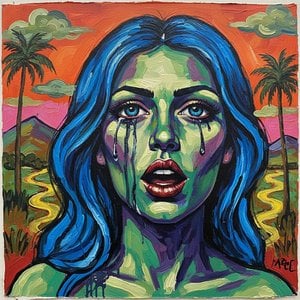
untitled (9383)

Explore Henri Matisse’s "untitled (9383)", a vibrant Fauvist portrait showcasing bold colors & expressive brushwork. Discover this iconic artwork's unique style & emotional depth.

हेनरी मटिस एक फ्रांसीसी चित्रकार थे जिन्हें आधुनिक कला के सबसे महत्वपूर्ण कलाकारों में से एक माना जाता है। वे फाउविस्ट आंदोलन के नेता थे और उन्होंने अपने पूरे करियर में रंग को अभिव्यक्ति का आधार बनाया। उनके चित्रों में शांत वातावरण और सुंदर रंगों का उपयोग किया गया था।

गिक्ली / आर्ट प्रिंट

तेज़ उत्पादन और विभिन्न फिनिश विकल्पों के साथ म्यूजियम-क्वालिटी गिकली (giclée) या कैनवस प्रिंट। (हाथ से बनी पेंटिंग खरीदें हाथ से बनी पेंटिंग खरीदेंSwitch to Digital Image Switch to Digital Image)

P118B $10
P118H $10
P118W $10
P438Z $10
P508JH $12
P508YH $12
P805H $10
P805Z $10
P919BZ $10
P919G $10
P919XJ $10
P959ZH $10
P968JZ $12
W106C $8
W218G $10
W218JH $8
W218Y $10
W307PJ $10
W316G $10
W316PJ $8
W316Y $10
W398PJ $8
W4111J $10
W500HY $15
W500JH $15
W692G $12
W849H $8
W940BG $15
W953PJ $8

मानक
कस्टम
CM
INCH

कलाकृति के मूल अनुपात से मेल खाने वाले हमारे पूर्व निर्धारित आकारों में से चुनें।

चौड़ाई
ऊँचाई

आप किसी विशिष्ट फ्रेम या स्थान के अनुसार अपने स्वयं के आयाम (dimensions) दर्ज कर सकते हैं। यदि आपके द्वारा चुना गया आकार मूल छवि के अनुपात से मेल नहीं खाता है, तो हम कलाकृति को क्रॉप कर देंगे या मिरर किए गए या सॉलिड-फिल किनारे के साथ छवि का विस्तार करेंगे। उत्पादन शुरू होने से पहले आपकी स्वीकृति के लिए एक डिजिटल मॉकअप भेजा जाएगा।
कृपया ध्यान दें कि स्क्रीन पर दिखने वाला प्रीव्यू वास्तविक क्रॉपिंग या विस्तार को नहीं दर्शाता है। केवल मॉकअप ही अंतिम संरचना को सटीक रूप से दिखाएगा।
हालाँकि कस्टम आकार उपलब्ध हैं, फिर भी हम मूल अनुपात बनाए रखने के लिए पूर्व-निर्धारित सूची में से एक आयाम चुनने की सलाह देते हैं।

विश्वव्यापी डिलीवरी (), मानक 4/5 सप्ताह के बजाय मात्र 2 सप्ताह में। (8 सितमबर)

why_choose_icon
दुनिया भर में मुफ़्त एक्सप्रेस शिपिंग
why_choose_icon
उच्च गुणवत्ता वाला लिनेन कैनवास
why_choose_icon
पूर्ण शिपिंग बीमा
why_choose_icon
सीमा शुल्क और आयात कर वापसी की गारंटी
why_choose_icon
सटीक रंग मिलान की गारंटी
why_choose_icon
100-दिन की वापसी नीति (केवल दोषपूर्ण होने पर)
why_choose_icon
100% पैसे वापसी की गारंटी
why_choose_icon
थोक छूट का लाभ

कुल कीमत

$ 68

reproduction

untitled (9383)

गिक्ली / आर्ट प्रिंट

प्रतिकृति का आकार

-

कुल देय राशि

$ 68

प्रमुख विशेषताएँ

  • title: untitled (9383)
  • movement: Fauvism
  • artist: Henri Matisse
  • style: Fauvist
  • medium: oil on canvas

कला प्रश्नोत्तरी

प्रत्येक प्रश्न का केवल एक ही सही उत्तर है।

प्रश्न 1:
To which artistic movement does 'untitled (9383)' by Henri Matisse most strongly belong?
प्रश्न 2:
What is a defining characteristic of the brushwork in this painting?
प्रश्न 3:
How would you describe the color palette used by Matisse in 'untitled (9383)'?
प्रश्न 4:
What is the primary subject matter of 'untitled (9383)'?
प्रश्न 5:
The composition of this artwork can be described as:

A Dialogue in Hues: Exploring Matisse’s Double Portrait

This captivating artwork by Henri Matisse presents a striking pair of female portraits, rendered in a style immediately recognizable as *Fauvism*. The composition, while seemingly simple – two figures side-by-side – reveals a depth of artistic exploration characteristic of Matisse's oeuvre. It’s a piece that invites contemplation on the nature of representation, emotion, and the power of color.

Subject & Composition

The artwork focuses entirely on its subjects: two women presented in bust-length portraits. The symmetrical arrangement creates an intriguing visual dialogue between them. While distinct individuals, they share a stylistic unity that suggests a deliberate connection – perhaps sisters, friends, or studies of a single model explored through varying emotional states. Their direct gazes engage the viewer, fostering a sense of intimacy and inviting us into their world.

Fauvist Style & Technique

Matisse’s mastery of *Fauvism* – meaning “wild beasts” – is on full display here. The painting abandons naturalistic color in favor of bold, expressive hues. Warm tones—rich reds, vibrant pinks, and earthy browns—dominate the figures, dramatically contrasted against a cool teal green background. This deliberate disharmony isn’t jarring but rather energizing, creating a visual tension that draws the eye. Technically, Matisse employs loose, expressive brushwork. The paint is applied with visible strokes – an *impasto* technique particularly noticeable in the hair and clothing – adding texture and physicality to the surface. Lines are used not for precise delineation but as energetic gestures defining form. Perspective is flattened, a hallmark of Fauvism, prioritizing two-dimensionality and emphasizing the decorative qualities of the painting.

Historical Context & Artistic Influences

Created during a pivotal moment in early 20th-century art (exact date unknown), this work reflects Matisse’s break from traditional artistic conventions. He was among the leading figures challenging academic norms and paving the way for modern art movements. His earlier training at the Académie Julian and École Nationale des Beaux-Arts, with influences from artists like Chardin, Poussin, and Watteau, provided a strong foundation before he embraced the radical freedom of Fauvism. This piece demonstrates his ability to synthesize classical principles with innovative color theory and expressive brushwork. He was working alongside other key Fauvist painters such as Henri Charles Manguin during this period.

Symbolism & Emotional Impact

While not overtly symbolic, the artwork evokes a sense of quiet introspection and perhaps even melancholy. The slightly downcast expressions and direct gazes suggest inner lives filled with thought and emotion. The black chokers worn by both figures add a touch of formality and mystery, hinting at hidden depths. The power of this painting lies in its ability to convey feeling through color and form. Matisse wasn’t interested in replicating reality; he sought to capture the *essence* of his subjects – their emotional state, their inner beauty – using the language of pure color and expressive line. It's a work that resonates with viewers on an intuitive level, prompting reflection and sparking imagination.

For Collectors & Designers

This artwork would be a stunning addition to any collection focused on modern art, Fauvism, or portraiture. Its bold colors and expressive style make it a captivating focal point in both contemporary and traditional interiors. A high-quality reproduction would bring the energy and emotional depth of Matisse’s vision into any space, adding a touch of artistic sophistication and intellectual intrigue.

कलाकार का जीवन परिचय

हेनरी मैटिस: रंग और रूप के जादूगर

हेनरी मैटिस, जिनका जन्म 31 दिसंबर 1869 को ले काटो-कैम्ब्रेसीस, फ्रांस में हुआ था, आधुनिक कला के इतिहास में एक अद्वितीय स्थान रखते हैं। उन्होंने अपने जीवनकाल में रंगों और आकारों के साथ जो प्रयोग किए, उन्होंने कला की दुनिया को हमेशा के लिए बदल दिया। मैटिस ने कानून की पढ़ाई शुरू की थी, लेकिन एक बीमारी के दौरान उन्हें चित्रकला का शौक लगा और फिर उन्होंने पीछे मुड़कर नहीं देखा। उनका शुरुआती जीवन बोहाइन-एन-वर्मंडोइस में बीता, जहाँ उनके माता-पिता अनाज व्यापारी थे। उनकी कला यात्रा पारंपरिक शिक्षा से शुरू हुई, लेकिन जल्द ही उन्होंने अपनी अनूठी शैली विकसित कर ली जो उन्हें अन्य कलाकारों से अलग करती थी।

फाविज़्म का उदय और रंग का विस्फोट

1905 में मैटिस के जीवन में एक महत्वपूर्ण मोड़ आया जब उन्होंने बेले आइल की यात्रा की और जॉन रसेल जैसे कलाकारों से मुलाकात की। इस मुलाकात ने उन्हें प्रभाववाद और विशेष रूप से विन्सेंट वैन गॉग के भावपूर्ण चित्रों से परिचित कराया। वैन गॉग के रंगों का प्रयोग मैटिस के मन पर गहरा प्रभाव पड़ा, जिससे वे अपने पहले के संयमित रंग पैलेट को त्यागकर अधिक साहसी और व्यक्तिपरक दृष्टिकोण अपनाने लगे। इसी खोज ने फाविज़्म नामक कला आंदोलन को जन्म दिया, जिसमें मैटिस एक प्रमुख व्यक्ति बन गए। "फाव" शब्द का अर्थ है "जंगली जानवर," जो उनके चित्रों में रंगों की तीव्र और अपरंपरागत प्रकृति को दर्शाता है। इस दौर में उन्होंने द gourds जैसे उत्कृष्ट कृतियों के माध्यम से रंगों का विस्फोट किया, जहाँ उन्होंने पारंपरिक परिप्रेक्ष्य और यथार्थवादी चित्रण को त्यागकर भावनाओं को व्यक्त करने पर ध्यान केंद्रित किया। उनकी शैली की मुख्य विशेषताओं में गहन रूप से संतृप्त रंग पैलेट, सरलीकृत आकार, अभिव्यंजक ब्रशस्ट्रोक और पारंपरिक प्रतिनिधित्व को अस्वीकार करना शामिल था।

सजावटी सामंजस्य की ओर विकास

फाविज़्म के शुरुआती उत्साह के बाद, मैटिस की शैली में एक सूक्ष्म लेकिन महत्वपूर्ण बदलाव आया। उन्होंने रंगों के प्रति अपने प्रेम को त्यागना नहीं चाहा, बल्कि उनके काम में अधिक परिष्कार और सजावटी सौंदर्यशास्त्र का समावेश किया। उन्होंने शांत वातावरण में अवकाश, घरेलू जीवन और मानव आकृति जैसे विषयों का पता लगाया, जिससे ऐसी रचनाएँ बनीं जो सामंजस्यपूर्ण और भावनात्मक रूप से गूंजती थीं। 1917 में नीस में फ्रांसीसी रिवेरा में स्थानांतरित होने से इस बदलाव को और बढ़ावा मिला, जिससे उनके काम में शांति और शास्त्रीय संतुलन की भावना आ गई। मैटिस ने विभिन्न माध्यमों, जैसे कि सिरेमिक्स और टेक्सटाइल के साथ प्रयोग करके अपनी कलात्मक दृष्टि का विस्तार किया, एक ऐसा वातावरण बनाया जो दर्शकों को सौंदर्य और शांति के अनुभव में डुबो देता था।

सीमितता से नवाचार: कट-आउट तकनीक

जैसे-जैसे बढ़ती उम्र के कारण मैटिस की शारीरिक क्षमताएँ कम होने लगीं, उन्होंने अपने कलात्मक जीवन के एक नए अध्याय की शुरुआत की - कागज के कट-आउट (découpages) का निर्माण। 1947 के आसपास शुरू हुई यह तकनीक आवश्यकता से प्रेरित थी। व्हीलचेयर पर रहने के बाद, वे पारंपरिक रूप से पेंट करने में असमर्थ थे, लेकिन कागज को कैंची से काटकर कलात्मक अभिव्यक्ति जारी रख सकते थे। इस व्यावहारिक समाधान ने एक अभूतपूर्व कलात्मक तकनीक का जन्म दिया। उन्होंने चमकीले रंगों में बड़े कागज़ की शीटें रंगा करती थीं और फिर उन्हें आकारों में काटती थीं - जैविक रूप, पत्तियाँ, आकृतियाँ - और उन्हें कैनवास पर व्यवस्थित करती थीं, जिससे गतिशील और दिखने में सरल रचनाएँ बनती थीं। ये कट-आउट पेंटिंग के लिए सिर्फ़ विकल्प नहीं थे; वे रंग, आकार और संरचना के बारे में सोचने का एक नया तरीका थे। उन्होंने अपनी कलात्मक दृष्टि को शारीरिक सीमाओं के सामने भी विकसित करने की क्षमता का प्रदर्शन किया।
  • कट-आउट तकनीक ने उन्हें ऐसे रूपों और रंगों की शुद्धता प्राप्त करने की अनुमति दी जो पेंट से हासिल करना मुश्किल था।
  • इन कार्यों में अक्सर उनके चित्रों के पहले के विषयों और रूपांकनों को संदर्भित किया जाता था, लेकिन एक नए और नवीन तरीके से प्रस्तुत किया गया था।
  • उन्होंने अपने पूरे करियर में कलाकार के रूप में अनुकूलन और विकास करने की अपनी क्षमता का प्रदर्शन किया।

आधुनिक कला पर स्थायी प्रभाव

3 नवंबर 1954 को नीस में हेनरी मैटिस का निधन हो गया, लेकिन उन्होंने एक ऐसी विरासत छोड़ दी जो दुनिया भर के दर्शकों को प्रेरित करती और मोहित करती रहती है। उनकी कलात्मक दुनिया पर प्रभाव निर्विवाद है; उन्होंने प्रतिनिधित्व की पारंपरिक धारणाओं को चुनौती दी, रंग की अभिव्यंजक शक्ति का समर्थन किया और भविष्य की पीढ़ियों के कलाकारों के लिए मार्ग प्रशस्त किया। पाब्लो पिकासो के साथ मिलकर आधुनिक कला के सबसे प्रभावशाली शख्सियतों में से एक माने जाने वाले मैटिस ने आधुनिकता को मौलिक रूप से आकार दिया है। उनकी विरासत उनके कलाकृतियों तक ही सीमित नहीं है - यह आनंद, सौंदर्य और रंग की परिवर्तनकारी क्षमता का जश्न मनाने वाली दर्शनशास्त्र को समाहित करती है। मैटिस केवल वही चित्रित नहीं कर रहे थे जो वे देखते थे; वे दर्शकों के लिए एक भावनात्मक अनुभव बना रहे थे, उन्हें अपने रंगों से भरे दुनिया के दृष्टिकोण को साझा करने के लिए आमंत्रित कर रहे थे।

हेनरी मातिस

हेनरी मातिस

1869 - 1954 , फ्रांस

मुख्य तथ्य

  • Artistic Movement Or Style: फौविज़्म, आधुनिक कला
  • Artists Or Movements Influenced By This Artist:
    • आधुनिकतावाद
    • अभिव्यक्तिवाद
  • Artists Who Influenced This Artist:
    • विनसेंट वैन गॉग
    • चार्डेन
    • जॉन रसेल
  • Date Of Birth: 31 दिसंबर 1869
  • Date Of Death: 3 नवंबर 1954
  • Full Name: हेनरी एमील बेनोइट मैटिस
  • Nationality: फ्रांसीसी
  • Notable Artworks:
    • द गर्ड्स
    • लॉरेट्टे इन अ व्हाइट टर्बन
  • Place Of Birth: ले काटो-कैम्ब्रेसीस, फ्रांस
विषयों, शैलियों और विशेषताओं के आधार पर व्यवस्थित कलाकृतियों का अन्वेषण करें।