पूर्वावलोकन देखें AR में देखें इस संग्रहणीय वस्तु की हाथ से बनी प्रतिकृति मंगवाएं डिजिटल इमेज पर स्विच करें साझा करें
विस्तृत विवरण मार्गदर्शिका पसंदीदा में जोड़ें डाउनलोड करें समान वस्तुएं एक्स-रे स्लाइड शो देखें प्रश्न और उत्तर आंकड़े

the moraccans

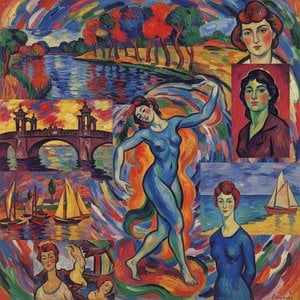
Experience Henri Matisse's 'The Moroccans,' a vibrant 1916 masterpiece showcasing his revolutionary use of color and Cubist style. Explore the exotic allure of Morocco through this iconic painting.

हेनरी मटिस एक फ्रांसीसी चित्रकार थे जिन्हें आधुनिक कला के सबसे महत्वपूर्ण कलाकारों में से एक माना जाता है। वे फाउविस्ट आंदोलन के नेता थे और उन्होंने अपने पूरे करियर में रंग को अभिव्यक्ति का आधार बनाया। उनके चित्रों में शांत वातावरण और सुंदर रंगों का उपयोग किया गया था।

गिक्ली / आर्ट प्रिंट

तेज़ उत्पादन और विभिन्न फिनिश विकल्पों के साथ म्यूजियम-क्वालिटी गिकली (giclée) या कैनवस प्रिंट। ( इस संग्रहणीय वस्तु की हाथ से बनी प्रतिकृति मंगवाएं डिजिटल इमेज पर स्विच करें)

Corner sample of the P118B picture frame: मोल्डेड पॉलीस्टायरीन, 5 cm wide and 3 cm thick
P118B ₹10
Corner sample of the P118H picture frame: मोल्डेड पॉलीस्टायरीन, 5 cm wide and 3 cm thick
P118H ₹10
Corner sample of the P118W picture frame: मोल्डेड पॉलीस्टायरीन, 5 cm wide and 3 cm thick
P118W ₹10
Corner sample of the P438Z picture frame: मोल्डेड पॉलीस्टायरीन, 5.5 cm wide and 3.5 cm thick
P438Z ₹10
Corner sample of the P508JH picture frame: मोल्डेड पॉलीस्टायरीन, 7 cm wide and 3.5 cm thick
P508JH ₹12
Corner sample of the P508YH picture frame: मोल्डेड पॉलीस्टायरीन, 7 cm wide and 3.5 cm thick
P508YH ₹12
Corner sample of the P805H picture frame: मोल्डेड पॉलीस्टायरीन, 5 cm wide and 3.5 cm thick
P805H ₹10
Corner sample of the P805Z picture frame: मोल्डेड पॉलीस्टायरीन, 5 cm wide and 3.5 cm thick
P805Z ₹10
Corner sample of the P919BZ picture frame: मोल्डेड पॉलीस्टायरीन, 7 cm wide and 3.5 cm thick
P919BZ ₹10
Corner sample of the P919G picture frame: मोल्डेड पॉलीस्टायरीन, 7 cm wide and 3.5 cm thick
P919G ₹10
Corner sample of the P919XJ picture frame: मोल्डेड पॉलीस्टायरीन, 7 cm wide and 3.5 cm thick
P919XJ ₹10
Corner sample of the P959ZH picture frame: मोल्डेड पॉलीस्टायरीन, 5 cm wide and 3 cm thick
P959ZH ₹10
Corner sample of the P968JZ picture frame: मोल्डेड पॉलीस्टायरीन, 6 cm wide and 4 cm thick
P968JZ ₹12
Corner sample of the W106C picture frame: ठोस लकड़ी, 5 cm wide and 3 cm thick
W106C ₹8
Corner sample of the W218G picture frame: ठोस लकड़ी, 5 cm wide and 3 cm thick
W218G ₹10
Corner sample of the W218JH picture frame: ठोस लकड़ी, 5 cm wide and 3 cm thick
W218JH ₹8
Corner sample of the W218Y picture frame: ठोस लकड़ी, 5 cm wide and 3 cm thick
W218Y ₹10
Corner sample of the W307PJ picture frame: ठोस लकड़ी, 6 cm wide and 3 cm thick
W307PJ ₹10
Corner sample of the W316G picture frame: ठोस लकड़ी, 6 cm wide and 3 cm thick
W316G ₹10
Corner sample of the W316PJ picture frame: ठोस लकड़ी, 6 cm wide and 3 cm thick
W316PJ ₹8
Corner sample of the W316Y picture frame: ठोस लकड़ी, 6 cm wide and 3 cm thick
W316Y ₹10
Corner sample of the W398PJ picture frame: ठोस लकड़ी, 5 cm wide and 3 cm thick
W398PJ ₹8
Corner sample of the W4111J picture frame: ठोस लकड़ी, 6.5 cm wide and 3.5 cm thick
W4111J ₹10
Corner sample of the W500HY picture frame: ठोस लकड़ी, 7 cm wide and 5 cm thick
W500HY ₹15
Corner sample of the W500JH picture frame: ठोस लकड़ी, 7 cm wide and 5 cm thick
W500JH ₹15
Corner sample of the W692G picture frame: ठोस लकड़ी, 8 cm wide and 4 cm thick
W692G ₹12
Corner sample of the W849H picture frame: ठोस लकड़ी, 5 cm wide and 3 cm thick
W849H ₹8
Corner sample of the W940BG picture frame: ठोस लकड़ी, 7.5 cm wide and 4.5 cm thick
W940BG ₹15
Corner sample of the W953PJ picture frame: ठोस लकड़ी, 6 cm wide and 3.5 cm thick
W953PJ ₹8

मानक
कस्टम
CM
INCH

कलाकृति के मूल अनुपात से मेल खाने वाले हमारे पूर्व निर्धारित आकारों में से चुनें।

चौड़ाई
ऊँचाई

अपने फ्रेम या अपनी दीवार के अनुसार आवश्यक चौड़ाई और ऊंचाई दर्ज करें। प्रिंट को केवल काटा जा सकता है, चित्र से बड़ा कभी नहीं बनाया जा सकता, इसलिए अलग आकार का साइज चित्र का एक हिस्सा खो देता है। किसी भी चीज़ को प्रिंट करने से पहले हम आपकी स्वीकृति के लिए आपको एक डिजिटल मॉकअप भेजते हैं। इस पृष्ठ पर दिखाया गया चित्र वास्तविक कटिंग नहीं दिखाता है — केवल मॉकअप ही इसे दर्शाता है।

विश्वव्यापी डिलीवरी (), मानक 4/5 सप्ताह के बजाय मात्र 2 सप्ताह में। (3 नवमबर)

दुनिया भर में मुफ़्त एक्सप्रेस शिपिंग
उच्च गुणवत्ता वाला लिनेन कैनवास
पूर्ण शिपिंग बीमा
सीमा शुल्क और आयात कर वापसी की गारंटी
सटीक रंग मिलान की गारंटी
100 दिनों की वापसी नीति (केवल दोष होने पर)
100% पैसे वापसी की गारंटी
थोक छूट का अवसर

कुल मूल्य

₹ 6650

the moraccans

गिक्ली / आर्ट प्रिंट

प्रतिकृति का आकार

-

कुल देय राशि

₹ 6650

संक्षिप्त विवरण

  • Year: 1916
  • Location: MoMA, New York
  • Artist: Henri Matisse
  • Artistic style: Fauvist, abstract
  • Title: The Moraccans
  • Medium: Oil on canvas

कला प्रश्नोत्तरी

प्रत्येक प्रश्न का केवल एक ही सही उत्तर है।

प्रश्न 1:
What artistic movement is most closely associated with Henri Matisse’s ‘The Moroccans’?
प्रश्न 2:
The painting 'The Moroccans' primarily depicts:
प्रश्न 3:
In ‘The Moroccans’, Matisse utilizes a technique that breaks down objects into geometric forms. What is this technique called?
प्रश्न 4:
What is the primary purpose of the bold, contrasting colors in ‘The Moroccans’?

The Moroccan Rhapsody: Henri Matisse’s ‘The Moroccans’

Henri Matisse's “The Moroccans,” painted in 1916 during his transformative sojourn in Morocco, isn’t merely a depiction of a street scene; it’s an immersive experience—a vibrant distillation of color, form, and the artist’s burgeoning fascination with North African culture. This captivating work, currently residing within the esteemed collection of the Museum of Modern Art (MoMA) in New York City, represents a pivotal moment in Matisse's artistic evolution, marking his transition from traditional academic painting towards the bold experimentation that would define his Fauvist period.

The scene unfolds with an almost hallucinatory intensity. A central figure, a man seated on the ground, is rendered in a simplified, almost mask-like fashion—his back turned to the viewer, inviting speculation about his thoughts and experiences. Before him lies a captivating arrangement of oranges, their brilliant hues echoing throughout the composition. These aren’t simply fruits; they become symbolic anchors, radiating warmth and vitality against the cooler tones of the surrounding architecture. Behind this tableau, glimpses of a bustling street reveal a series of buildings, hinting at a vibrant urban life, while a mosque's minaret punctuates the skyline.

Cubism and Color: A New Language

“The Moroccans” is firmly rooted in the principles of Cubism, though Matisse’s interpretation diverges significantly from Picasso’s more analytical approach. Rather than dissecting objects into geometric fragments, Matisse employs a flattened perspective and overlapping planes to create an illusion of depth—a sense of being enveloped within the scene. The colors themselves are paramount; they aren't used descriptively but rather expressively, creating a symphony of reds, yellows, greens, and browns that pulsate with energy. This deliberate departure from naturalistic representation is characteristic of Fauvism, where color becomes the primary subject matter.

Matisse’s technique is remarkably loose and gestural. He employs broad brushstrokes and vibrant washes of paint, creating a sense of movement and spontaneity. The surface of the canvas isn't meticulously rendered; instead, it’s alive with texture and visual rhythm. This tactile quality invites the viewer to engage with the painting on a visceral level, experiencing its energy directly.

Symbolism and the Exotic

The choice of subject matter—a Moroccan street scene—was deeply significant for Matisse. Morocco represented an escape from the constraints of European artistic conventions and a gateway to a world brimming with exotic beauty and sensory stimulation. The oranges themselves are laden with symbolism, representing abundance, fertility, and even sacrifice – all potent themes within Moroccan culture. The man seated on the ground could be interpreted as a contemplative figure, lost in thought or perhaps observing the vibrant life unfolding before him. The overall composition suggests a moment of quiet contemplation amidst the bustling activity of the street.

Emotional Resonance: A Window to Another World

“The Moroccans” transcends its literal subject matter to evoke a powerful emotional response. It’s not simply a representation of a place; it's an evocation of atmosphere—a feeling of warmth, vibrancy, and exotic allure. The painting’s bold colors and dynamic composition create a sense of immediacy, drawing the viewer into the scene and inviting them to lose themselves in its sensory richness. It is a testament to Matisse’s ability to capture not just what he saw, but also what he *felt*—a profound connection to the world around him.

Today, “The Moroccans” stands as a cornerstone of modern art, demonstrating Matisse's revolutionary approach to color and form. Reproductions offer a chance to bring this captivating vision into your own space, injecting a dose of vibrant energy and exotic allure into any room.

प्रश्न और उत्तर

हेनरी मातिस द्वारा "the moraccans" में कौन से रंग प्रमुखता से दिखाई देते हैं?

"the moraccans" की विशेषता Putty (#e4dfcd) के प्रभुत्व वाला एक Earthy पैलेट है।

"the moraccans" के Landscape फॉर्मेट को कहाँ प्रदर्शित करने की सलाह दी जाती है?

हेनरी मातिस द्वारा "the moraccans" का Landscape प्रारूप Living Room के लिए अनुशंसित है। प्रारूप और स्थान मिलकर एक पुनरुत्पादन (reproduction) की स्थापना में मार्गदर्शन करते हैं।

हेनरी मातिस द्वारा "the moraccans" में मुख्य रंग कौन सा है?

हेनरी मातिस द्वारा "the moraccans" का प्रमुख रंग Golden Yellow Range है। यह रंग पैलेट का आधारभूत स्वर है।


कलाकार की जीवनी

हेनरी मैटिस: रंग और रूप के जादूगर

हेनरी मैटिस, जिनका जन्म 31 दिसंबर 1869 को ले काटो-कैम्ब्रेसीस, फ्रांस में हुआ था, आधुनिक कला के इतिहास में एक अद्वितीय स्थान रखते हैं। उन्होंने अपने जीवनकाल में रंगों और आकारों के साथ जो प्रयोग किए, उन्होंने कला की दुनिया को हमेशा के लिए बदल दिया। मैटिस ने कानून की पढ़ाई शुरू की थी, लेकिन एक बीमारी के दौरान उन्हें चित्रकला का शौक लगा और फिर उन्होंने पीछे मुड़कर नहीं देखा। उनका शुरुआती जीवन बोहाइन-एन-वर्मंडोइस में बीता, जहाँ उनके माता-पिता अनाज व्यापारी थे। उनकी कला यात्रा पारंपरिक शिक्षा से शुरू हुई, लेकिन जल्द ही उन्होंने अपनी अनूठी शैली विकसित कर ली जो उन्हें अन्य कलाकारों से अलग करती थी।

फाविज़्म का उदय और रंग का विस्फोट

1905 में मैटिस के जीवन में एक महत्वपूर्ण मोड़ आया जब उन्होंने बेले आइल की यात्रा की और जॉन रसेल जैसे कलाकारों से मुलाकात की। इस मुलाकात ने उन्हें प्रभाववाद और विशेष रूप से विन्सेंट वैन गॉग के भावपूर्ण चित्रों से परिचित कराया। वैन गॉग के रंगों का प्रयोग मैटिस के मन पर गहरा प्रभाव पड़ा, जिससे वे अपने पहले के संयमित रंग पैलेट को त्यागकर अधिक साहसी और व्यक्तिपरक दृष्टिकोण अपनाने लगे। इसी खोज ने फाविज़्म नामक कला आंदोलन को जन्म दिया, जिसमें मैटिस एक प्रमुख व्यक्ति बन गए। "फाव" शब्द का अर्थ है "जंगली जानवर," जो उनके चित्रों में रंगों की तीव्र और अपरंपरागत प्रकृति को दर्शाता है। इस दौर में उन्होंने द gourds जैसे उत्कृष्ट कृतियों के माध्यम से रंगों का विस्फोट किया, जहाँ उन्होंने पारंपरिक परिप्रेक्ष्य और यथार्थवादी चित्रण को त्यागकर भावनाओं को व्यक्त करने पर ध्यान केंद्रित किया। उनकी शैली की मुख्य विशेषताओं में गहन रूप से संतृप्त रंग पैलेट, सरलीकृत आकार, अभिव्यंजक ब्रशस्ट्रोक और पारंपरिक प्रतिनिधित्व को अस्वीकार करना शामिल था।

सजावटी सामंजस्य की ओर विकास

फाविज़्म के शुरुआती उत्साह के बाद, मैटिस की शैली में एक सूक्ष्म लेकिन महत्वपूर्ण बदलाव आया। उन्होंने रंगों के प्रति अपने प्रेम को त्यागना नहीं चाहा, बल्कि उनके काम में अधिक परिष्कार और सजावटी सौंदर्यशास्त्र का समावेश किया। उन्होंने शांत वातावरण में अवकाश, घरेलू जीवन और मानव आकृति जैसे विषयों का पता लगाया, जिससे ऐसी रचनाएँ बनीं जो सामंजस्यपूर्ण और भावनात्मक रूप से गूंजती थीं। 1917 में नीस में फ्रांसीसी रिवेरा में स्थानांतरित होने से इस बदलाव को और बढ़ावा मिला, जिससे उनके काम में शांति और शास्त्रीय संतुलन की भावना आ गई। मैटिस ने विभिन्न माध्यमों, जैसे कि सिरेमिक्स और टेक्सटाइल के साथ प्रयोग करके अपनी कलात्मक दृष्टि का विस्तार किया, एक ऐसा वातावरण बनाया जो दर्शकों को सौंदर्य और शांति के अनुभव में डुबो देता था।

सीमितता से नवाचार: कट-आउट तकनीक

जैसे-जैसे बढ़ती उम्र के कारण मैटिस की शारीरिक क्षमताएँ कम होने लगीं, उन्होंने अपने कलात्मक जीवन के एक नए अध्याय की शुरुआत की - कागज के कट-आउट (découpages) का निर्माण। 1947 के आसपास शुरू हुई यह तकनीक आवश्यकता से प्रेरित थी। व्हीलचेयर पर रहने के बाद, वे पारंपरिक रूप से पेंट करने में असमर्थ थे, लेकिन कागज को कैंची से काटकर कलात्मक अभिव्यक्ति जारी रख सकते थे। इस व्यावहारिक समाधान ने एक अभूतपूर्व कलात्मक तकनीक का जन्म दिया। उन्होंने चमकीले रंगों में बड़े कागज़ की शीटें रंगा करती थीं और फिर उन्हें आकारों में काटती थीं - जैविक रूप, पत्तियाँ, आकृतियाँ - और उन्हें कैनवास पर व्यवस्थित करती थीं, जिससे गतिशील और दिखने में सरल रचनाएँ बनती थीं। ये कट-आउट पेंटिंग के लिए सिर्फ़ विकल्प नहीं थे; वे रंग, आकार और संरचना के बारे में सोचने का एक नया तरीका थे। उन्होंने अपनी कलात्मक दृष्टि को शारीरिक सीमाओं के सामने भी विकसित करने की क्षमता का प्रदर्शन किया।
  • कट-आउट तकनीक ने उन्हें ऐसे रूपों और रंगों की शुद्धता प्राप्त करने की अनुमति दी जो पेंट से हासिल करना मुश्किल था।
  • इन कार्यों में अक्सर उनके चित्रों के पहले के विषयों और रूपांकनों को संदर्भित किया जाता था, लेकिन एक नए और नवीन तरीके से प्रस्तुत किया गया था।
  • उन्होंने अपने पूरे करियर में कलाकार के रूप में अनुकूलन और विकास करने की अपनी क्षमता का प्रदर्शन किया।

आधुनिक कला पर स्थायी प्रभाव

3 नवंबर 1954 को नीस में हेनरी मैटिस का निधन हो गया, लेकिन उन्होंने एक ऐसी विरासत छोड़ दी जो दुनिया भर के दर्शकों को प्रेरित करती और मोहित करती रहती है। उनकी कलात्मक दुनिया पर प्रभाव निर्विवाद है; उन्होंने प्रतिनिधित्व की पारंपरिक धारणाओं को चुनौती दी, रंग की अभिव्यंजक शक्ति का समर्थन किया और भविष्य की पीढ़ियों के कलाकारों के लिए मार्ग प्रशस्त किया। पाब्लो पिकासो के साथ मिलकर आधुनिक कला के सबसे प्रभावशाली शख्सियतों में से एक माने जाने वाले मैटिस ने आधुनिकता को मौलिक रूप से आकार दिया है। उनकी विरासत उनके कलाकृतियों तक ही सीमित नहीं है - यह आनंद, सौंदर्य और रंग की परिवर्तनकारी क्षमता का जश्न मनाने वाली दर्शनशास्त्र को समाहित करती है। मैटिस केवल वही चित्रित नहीं कर रहे थे जो वे देखते थे; वे दर्शकों के लिए एक भावनात्मक अनुभव बना रहे थे, उन्हें अपने रंगों से भरे दुनिया के दृष्टिकोण को साझा करने के लिए आमंत्रित कर रहे थे।
हेनरी मातिस

हेनरी मातिस

1869 - 1954 , फ्रांस

प्रमुख तथ्य

  • Artistic Movement Or Style: फौविज़्म, आधुनिक कला
  • Artists Or Movements Influenced By This Artist:
    • आधुनिकतावाद
    • अभिव्यक्तिवाद
  • Artists Who Influenced This Artist:
    • विनसेंट वैन गॉग
    • चार्डेन
    • जॉन रसेल
  • Date Of Birth: 31 दिसंबर 1869
  • Date Of Death: 3 नवंबर 1954
  • Full Name: हेनरी एमील बेनोइट मैटिस
  • Nationality: फ्रांसीसी
  • Notable Artworks:
    • द गर्ड्स
    • लॉरेट्टे इन अ व्हाइट टर्बन
  • Place Of Birth: ले काटो-कैम्ब्रेसीस, फ्रांस
विषयों, शैलियों और विशेषताओं के आधार पर व्यवस्थित कलाकृतियों का अन्वेषण करें।