तेज़ उत्पादन और विभिन्न फिनिश विकल्पों के साथ म्यूजियम-क्वालिटी गिकली (giclée) या कैनवस प्रिंट। ( इस संग्रहणीय वस्तु की हाथ से बनी प्रतिकृति मंगवाएं डिजिटल इमेज पर स्विच करें)





























कलाकृति के मूल अनुपात से मेल खाने वाले हमारे पूर्व निर्धारित आकारों में से चुनें।

अपने फ्रेम या अपनी दीवार के अनुसार आवश्यक चौड़ाई और ऊंचाई दर्ज करें। प्रिंट को केवल काटा जा सकता है, चित्र से बड़ा कभी नहीं बनाया जा सकता, इसलिए अलग आकार का साइज चित्र का एक हिस्सा खो देता है। किसी भी चीज़ को प्रिंट करने से पहले हम आपकी स्वीकृति के लिए आपको एक डिजिटल मॉकअप भेजते हैं। इस पृष्ठ पर दिखाया गया चित्र वास्तविक कटिंग नहीं दिखाता है — केवल मॉकअप ही इसे दर्शाता है।
विश्वव्यापी डिलीवरी (), मानक 4/5 सप्ताह के बजाय मात्र 2 सप्ताह में। (10 नवमबर)
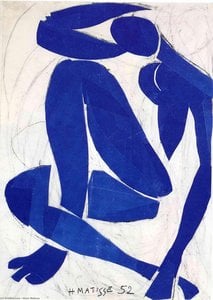
Nude
प्रतिकृति का आकार
In the pantheon of modern art, few works capture the raw essence of human presence as poignantly as Henri Matisse’s “Nude.” Executed during the transformative years between 1928 and 1930, this masterpiece serves as a profound testament to the Fauvist spirit—a movement that dared to shatter the constraints of Impressionism to embrace a more visceral, emotional reality. Rather than striving for the photographic precision of academic realism, Matisse invites us into a world where color functions as a language of its own. The painting is not merely a depiction of a human figure; it is an exploration of the delicate balance between strength and fragility, rendered through a palette that vibrates with life.
The composition centers on a seated woman, her legs crossed in a posture that suggests a quiet moment of repose layered with a subtle, underlying tension. Her gaze, direct and unblinking, confronts the viewer with an assertive intimacy. This is not a passive subject to be observed from a distance; she is a participant in a silent dialogue, drawing the observer into her private sanctuary. The surrounding environment—a glimpse of beds and a couch—adds a layer of domestic intimacy, suggesting a space of profound privacy where the boundaries between the external world and the internal self begin to blur.
To behold this work is to witness Matisse at the height of his expressive powers. The technique is characterized by an unrestrained use of pigment, where thick, textured strokes create a palpable physicality on the canvas. Unlike the soft, atmospheric blending favored by the Impressionists, Matisse utilizes bold, saturated hues of red, yellow, and blue to sculpt form and evoke mood. This approach priorits the expressive gesture over anatomical perfection, allowing the energy of the brushwork to communicate the subject's emotional state.
Influenced by the geometric simplifications of Cézanne, Matisse distills complex shapes into their most fundamental components. This stylistic choice lends the painting a modern, structural integrity that remains timeless. For the discerning collector or interior designer, this piece offers a sophisticated interplay of texture and tone. The way the vibrant colors interact with the simplified forms creates a visual rhythm that can serve as a commanding focal point in any curated space, bringing both warmth and intellectual depth to a room.
The historical significance of “Nude” cannot be overstated. Emerging from the revolutionary era of early 20th-century modernism, the work reflects Matisse’s departure from traditional academic constraints. Following the groundbreaking Cubist experiments of his contemporary, Pablo Picasso, Matisse sought a different kind of liberation—one found in the liberation of color and the celebration of the classical tradition through a modern lens. He transformed the canvas into a space where light is replaced by emotion, and shadow is replaced by shade.
Ultimately, the enduring appeal of this painting lies in its profound emotional impact. It captures a sense of vulnerability that is both haunting and beautiful. For those seeking to adorn their homes with art that inspires contemplation, a high-quality reproduction of this work offers more than just decoration; it provides an entry point into the soul of Matisse’s philosophy. It is a piece that speaks of the beauty found in simplicity, the power of color to move the spirit, and the eternal allure of the human form in its most honest state.
ऐतिहासिक रूप से, "Nude" व्यापक Modern युग की एक fauve कृति है।
हेनरी मैटिस द्वारा "Nude" के लिए कॉपीराइट संबंधी जानकारी: यह कृति सार्वजनिक डोमेन में - इसका कॉपीराइट समाप्त हो चुका है है। इससे यह निर्धारित होता है कि क्या इस छवि की प्रतियां स्वतंत्र रूप से बनाई जा सकती हैं।
हेनरी मैटिस द्वारा "Nude" का आंकड़े पेज सार्वजनिक विज़िट के आँकड़े प्रस्तुत करता है: इस कलाकृति की मासिक विज़िट, कलाकार की सबसे अधिक देखी जाने वाली कृतियों के साथ तुलना, और इसके दर्शकों का मूल स्थान।

हेनरी मैटिस का जन्म 31 दिसंबर, 1869 को 'रिए ड्यू शेन अर्नो' की एक बुनकर कुटिया में हुआ था। फ्रांस के ले काटो-कैम्ब्रेसीस का यह छोटा सा घर एक ऐसे जीवन का शुरुआती बिंदु था, जो आगे चलकर नॉर्ड विभाग की शांति से बहुत दूर निकल जाएगा। वे एक धनी अनाज व्यापारी के सबसे बड़े पुत्र थे, जिनका जन्म एक ऐसे परिवार में हुआ था जो भूमि के स्थिर और व्यावहारिक व्यापार से जुड़ा था। उनके शुरुआती वर्ष फ्रांस के पिकार्डी क्षेत्र के बोहाइन-एन-वर्मंडोइस में बीते, एक ऐसी जगह जहाँ जीवन की लय ऋतुओं और पारिवारिक व्यवसाय की जरूरतों से निर्धारित होती थी।
उनके पालन-पोषण का वातावरण कला स्टूडियो से कोसों दूर था। पिकार्डी क्षेत्र में बड़े होते हुए, वे एक व्यापारी के घर की व्यावहारिकताओं से घिरे हुए थे। उन शुरुआती वर्षों में ब्रश या रंगों का कोई संकेत नहीं था। इसके बजाय, उनका अस्तित्व उनके परिवार की अपेक्षाओं और उत्तरी फ्रांसीसी शहर में एक अनाज व्यापारी के बेटे के स्थिर और बिना किसी जल्दबाजी वाले जीवन से आकार ले रहा था।
अपनी माध्यमिक शिक्षा पूरी करने के बाद, हेनरी मैटिस कानून की पढ़ाई करने के लिए पेरिस चले गए। उन्होंने 1887 में वहां अपना समय कानूनी सिद्धांत की कठोर संरचनाओं पर ध्यान केंद्रित करते हुए बिताया। यह दौर शहर में एक छात्र के लिए आवश्यक शांत और अनुशासित कार्य से चिह्नित था। उन्होंने तुरंत किसी कला स्टूडियो का रास्ता नहीं खोजा, बल्कि इसके बजाय पेशेवर प्रशिक्षण के उस मार्ग का अनुसरण किया जो कैनवास की दुनिया से बहुत दूर प्रतीत होता था।
उनका जीवन अंततः उन्हें वापस ले काटो-कैम्ब्रेसीस ले आया। वहां, उन्होंने एक अदालती प्रशासक के रूप में काम किया, जहाँ उन्होंने स्थानीय कानूनी प्रणाली के प्रशासनिक भार को संभाला। उन्होंने एक नोटरी के लिए कानूनी क्लर्क के रूप में भी समय बिताया, एक ऐसी भूमिका जिसमें सटीकता और स्थिर हाथों की आवश्यकता होती थी। ये वर्ष दस्तावेजों और आधिकारिक कर्तव्यों के बीच बीते, उन रंगों से कोसों दूर जिन्हें उन्होंने बाद में अपनाया। ब्रश के जादूगर बनने से पहले, वे कानून के एक समर्पित व्यक्ति थे।
कानून के अध्ययन से कला के स्टूडियो तक का यह सफर पेरिस की शास्त्रीय परंपराओं में एक औपचारिक आधार की मांग करता था। इस प्रक्रिया को शुरू करने के लिए उन्होंने विलियम-एडोल्फ बुगुएरो और गुस्ताव मोरो जैसे महान गुरुओं के सानिध्य में समय बिताया। इन शिक्षकों ने उन्हें वह तकनीकी नींव प्रदान की, जिसने भविष्य में परंपराओं से उनके साहसी विचलन को सहारा दिया। उन्होंने अपना कीमती समय इन प्रशिक्षकों की पद्धतियों को आत्मसात करने, रेखांकन के अनुशासन और रूप की संरचना को समझने में व्यतीत किया।
उनकी दृष्टि पुराने उस्तादों की शांति और सौम्यता की ओर आकर्षित थी। उन्होंने जीन-बैप्टिस्ट-सिमियोन चार्दिन, निकोलस पुसिन और एंटोनी वाटो की कृतियों का गहन अध्ययन किया। इन कलाकारों ने देखने का एक बिल्कुल अलग नजरिया पेश किया, जो वस्तुओं के संयोजन और एक रचना के भार पर केंद्रित था। उन्होंने गौर किया कि ये कलाकार प्रकाश का उपयोग कैसे करते हैं और अपने विषयों की सूक्ष्म बनावट को कैसे उभारते हैं। यह दौर रंगों के अचानक विस्फोट का नहीं, बल्कि एक सुव्यवस्थित छवि के अंतर्निहित तर्क को समझने का था। इन अवलोकनों के माध्यम से वे रेखा और आकार की अपनी एक अनूठी शब्दावली का निर्माण कर रहे थे।
ब्रश की ओर उनका झुकाव शांति के एक दौर से शुरू हुआ। 1889 में, अपेंडिक्स के हमले ने उन्हें लंबे समय तक आराम करने के लिए मजबूर कर दिया, और इसी एकांत के दौरान चित्रकला का कार्य उनके मन में बस गया। उनकी माँ द्वारा दिए गए कला के सामानों के एक साधारण सेट से शुरू हुआ यह सफर, देखने के एक ऐसे नए नजरिए में बदल गया जिसने कानून के प्रति उनकी पुरानी रुचि को पूरी तरह विस्थापित कर दिया। वे स्वास्थ्य लाभ की शांति से निकलकर एक नई दृश्य भाषा की खोज में निकल पड़े, एक ऐसी भाषा जो अंततः उन पारंपरिक तरीकों से कहीं आगे निकल गई जिन्हें उन्होंने पेरिस में सीखा था।
उनके रंगों के चयन में एक बड़ा बदलाव 1896 में बेले आइल की यात्रा के दौरान आया। वहाँ उनकी मुलाकात ऑस्ट्रेलियाई चित्रकार जॉन रसेल से हुई, जिन्होंने उन्हें प्रभाववाद के प्रकाश और विन्सेंट वैन गॉग के कार्यों में पाए जाने वाले रंगों के अभिव्यंजक और सघन प्रयोग से परिचित कराया। इन मुलाकातों ने फीके और मिट्टी जैसे रंगों वाले यथार्थवाद की आवश्यकता को समाप्त कर दिया। उन्होंने रंग को अभिव्यक्ति के एक सीधे उपकरण के रूप में उपयोग करना शुरू किया, जहाँ वे विषय के वास्तविक स्वरूप के बजाय भावनाओं के प्रति प्रतिक्रिया देने वाले रंगों को प्राथमिकता देने लगे। लगभग 1905 तक, यह दृष्टिकोण फाविस्ट आंदोलन के रूप में संगठित हो गया। हेनरी मैटिस और उनके कुछ साथियों ने इतने तीव्र और अस्वाभाविक रंगों का उपयोग किया कि वे लोग भी दंग रह गए जो अधिक संयमित और अकादमिक शैलियों के अभ्यस्त थे।
हेनरी मैटिस के हाथ कला के कई विविध रूपों के बीच कुशलता से चलते थे। वे एक रेखाचित्रकार, एक प्रिंटमेकर और एक मूर्तिकार के रूप में भी सक्रिय रहे, जहाँ वे अक्सर मिट्टी को इस तरह आकार देते थे कि बाद में उन्हें कांसे में ढाला जा सके। अपने शुरुआती वर्षों में, उन्होंने डिवीज़ननिस्ट (Divisionist) तकनीक के साथ प्रयोग किया, यह एक ऐसी विधि थी जिसे उन्होंने पॉल साइनैक के एक निबंध को पढ़ने के बाद अपनाया था। इस दृष्टिकोण ने उन्हें रंगों को आपस में मिलाने के बजाय, उन्हें अलग-अलग और स्पष्ट परतों के माध्यम से उभारने की अनुमति दी, जिससे उनके चित्रों में एक अनूठी जीवंतता आ गई।
जैसे-जैसे उनकी कलात्मक साधना विकसित हुई, उनके माध्यम और उपकरण भी बदलते गए। नक्काशी (etchings) पर काम करते समय, उन्होंने सामग्रियों की परतों को सजाने के लिए 'चिन-कोले' (chine-collé) तकनीक का उपयोग किया। बाद में, कट-पेपर कोलाज बनाने की उनकी अनूठी विधि में विशिष्ट प्रभाव पैदा करने के लिए 'पोचोइर' (pochoir) स्टेंसिल प्रक्रिया का समावेश हुआ। ये चुनाव उनके काम की सतह के प्रति उनके निरंतर बदलते दृष्टिकोण को दर्शाते हैं, जहाँ वे प्रिंटमेकिंग की सूक्ष्म सटीकता से निकलकर आकारों को काटने और उन्हें व्यवस्थित करने की एक भौतिक और सहज प्रक्रिया की ओर बढ़े।
वर्ष 1941 में, पेट के कैंसर के निदान ने उनके काम की शारीरिक माँगों को पूरी तरह से बदल दिया। 1941 और 1942 में दो प्रमुख ऑपरेशनों के बाद, उनके लिए ईज़ल (easel) के सामने खड़े होकर पेंटिंग करना कठिन हो गया। लेकिन एक कलाकार की रचनात्मकता कभी हार नहीं मानती; हेनरी मैटिस ने कैंची और रंगीन कागज का उपयोग करके काम करने का एक नया तरीका खोज लिया। 'कट-पेपर कोलाज' के रूप में जानी जाने वाली इस अनूठी विधि ने उन्हें बैठे-बैठे ही आकारों और रंगों के साथ खेलने की स्वतंत्रता दी। वे कागज की बड़ी चादरों पर रंग भरते थे और फिर उन्हें पत्तियों या मानव आकृतियों जैसे जैविक रूपों में काटते थे, जिससे पूरी तरह से नई और जीवंत रचनाएँ तैयार होती थीं।
ये कृतियाँ अक्सर उनके पिछले चित्रों के विषयों और रूपांकनों (motifs) को फिर से जीवंत करती थीं, लेकिन इन्हें एक अलग तरह की संरचनात्मक स्पष्टता के साथ प्रस्तुत किया गया था। 1947 में, उन्होंने Jazz नामक एक पुस्तक प्रकाशित की, जिसमें इन रंगीन कट-पेपर कोलाजों का प्रदर्शन किया गया था। यह प्रक्रिया उनके लिए रूप और रंग की खोज को जारी रखने का एक माध्यम बन गई, भले ही उनकी शारीरिक शक्ति सीमित होती जा रही थी। उन्होंने आकारों और उनके आसपास के स्थान के बीच के संबंध पर ध्यान केंद्रित किया, और काटने और व्यवस्थित करने के सरल कार्य के माध्यम से गति (movement) को व्यक्त करने का एक जादुई तरीका खोज निकाला।
सेंट पीटर्सबर्ग के हर्मिटेज संग्रहालय के गलियारों में टहलते हुए, आप उनके संग्रह में मौजूद उनकी कलाकृतियों का अनुभव कर सकते हैं। इसमें 1909 की उनकी विशाल कृति, द डांस शामिल है, जिसे एक रूसी संग्रहकर्ता द्वारा बनवाया गया था। वहीं पेरिस के मुसी डी'ऑर्से (Musée d’Orsay) में उनकी पेंटिंग्स की उपस्थिति, शहर में अपने शुरुआती वर्षों के दौरान उनके द्वारा रंग और रूप को संभालने के अनूठे तरीके पर करीब से नज़र डालने का अवसर देती है।
न्यूयॉर्क शहर में, म्यूजियम ऑफ मॉडर्न आर्ट में उनकी कई कृतियाँ सुरक्षित हैं। ये रचनाएँ यह देखने का एक माध्यम प्रदान करती हैं कि दशकों के दौरान उनकी शैली में कैसे बदलाव आया। इसी तरह, लंदन की नेशनल गैलरी में भी उनके चित्र मौजूद हैं, जो उनके विकास के बारे में एक अलग दृष्टिकोण प्रदान करते हैं। इन प्रतिष्ठित संस्थानों में उनकी उपस्थिति, इस बात का शांत अवलोकन करने की अनुमति देती है कि उन्होंने स्थान को परिभाषित करने के लिए रंगों का उपयोग किस प्रकार किया।

1869 - 1954 , फ्रांस
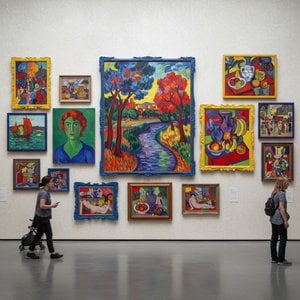
फ़ॉविज़्म के 10 उत्कृष्ट कृतियाँ जानें! हेनरी मातीस और आंद्रे डेरैन जैसे कलाकारों की रंगीन दुनिया में डूबें। कला इतिहास, आधुनिक कला और घर की सजावट के लिए प्रेरणा पाएं। WahooArt.com पर सभी उत्कृष्ट कृतियाँ देखें!

अमूर्त अभिव्यंजनावाद की 10 उत्कृष्ट कृतियाँ जानें! पोलक, रोथको जैसे कलाकारों के अनूठे रंगों और भावनाओं का अनुभव करें। WahooArt.com पर कला इतिहास की गहराई में जाएँ और अपने घर के लिए अद्वितीय सजावट खोजें। ऑनलाइन संग्रह देखें!

Explore 25 iconic Kandinsky masterpieces and the birth of abstraction. Discover the full collection online at WahooArt.com.

हेनरी मैटिस की शीर्ष 25 उत्कृष्ट कृतियों का अन्वेषण करें! फ़ौविज़्म, आधुनिक कला और रंगीन चित्रों के माध्यम से उनकी जीवन यात्रा जानें। WahooArt.com पर उच्च गुणवत्ता वाले आर्ट प्रिंट और दीवार सजावट खरीदें।
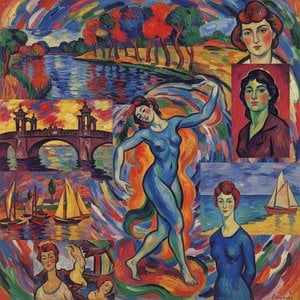
Explore 10 Fauvist masterpieces by Matisse, Derain & Vlaminck that ignited Modern Art! Discover bold colors, expressionist landscapes & the history of this revolutionary movement. Find museum-quality prints at WahooArt.com.
 पूर्वावलोकन देखें
 साझा करें
 साझा करें
 विस्तृत विवरण
 मार्गदर्शिका

 डाउनलोड करें
 समान वस्तुएं
 एक्स-रे
 स्लाइड शो देखें
 प्रश्न और उत्तर
 आंकड़े

 पूरा देखें









 ग्लास का विकल्प केवल 110 सेमी से कम आकार में ही उपलब्ध है।