

तेज़ उत्पादन और विभिन्न फिनिश विकल्पों के साथ म्यूजियम-क्वालिटी गिकली (giclée) या कैनवस प्रिंट। ( इस संग्रहणीय वस्तु की हाथ से बनी प्रतिकृति मंगवाएं डिजिटल इमेज पर स्विच करें)





























कलाकृति के मूल अनुपात से मेल खाने वाले हमारे पूर्व निर्धारित आकारों में से चुनें।

अपने फ्रेम या अपनी दीवार के अनुसार आवश्यक चौड़ाई और ऊंचाई दर्ज करें। प्रिंट को केवल काटा जा सकता है, चित्र से बड़ा कभी नहीं बनाया जा सकता, इसलिए अलग आकार का साइज चित्र का एक हिस्सा खो देता है। किसी भी चीज़ को प्रिंट करने से पहले हम आपकी स्वीकृति के लिए आपको एक डिजिटल मॉकअप भेजते हैं। इस पृष्ठ पर दिखाया गया चित्र वास्तविक कटिंग नहीं दिखाता है — केवल मॉकअप ही इसे दर्शाता है।
विश्वव्यापी डिलीवरी (), मानक 4/5 सप्ताह के बजाय मात्र 2 सप्ताह में। (11 नवमबर)
Apple Tree01
प्रतिकृति का आकार
"Apple Tree01" का रंग पैलेट स्पष्ट रंग प्रभाव की संतृप्ति (saturation) वाला है।
गुस्ताव क्लिमिट द्वारा "Apple Tree01" का संबंध आधुनिक युग काल से है। यह काल इस कृति के ऐतिहासिक संदर्भ को दर्शाता है।
गुस्ताव क्लिमिट द्वारा "Apple Tree01" का प्रमुख रंग तैरती लकड़ी जैसा भूरा (#aca14c) है।

वियना के पास बामगार्टन के छोटे से शहर में, गुस्ताव क्लिमिट एक ऐसी दुनिया में पैदा हुए जहाँ धातुओं की चमक एक निरंतर उपस्थिति थी। उनके पिता, अर्न्स्ट क्लिमिट, एक स्वर्ण नक्काशीकार के रूप में अपने दिन बिताते थे, एक ऐसा शिल्प जिसके लिए स्थिर हाथों और सूक्ष्म विवरणों पर पैनी नज़र की आवश्यकता होती थी। कीमती धातुओं के साथ यह प्रारंभिक आत्मीयता और नक्काशी की सटीकता अंततः उनकी बाद की रचनाओं की आत्मा में समाहित हो गई। फिर भी, जीवन हमेशा चमक-धमक और सहजता का विषय नहीं था। परिवार को बार-बार वित्तीय कठिनाइयों का सामना करना पड़ा, जिसने उन्हें वियना की गलियों में बार-बार स्थानांतरित होने के लिए मजबूर किया। इन बदलावों और स्थिरता खोजने के संघर्ष ने एक ऐसे युवा व्यक्ति को आकार दिया जो गरीबी के बोझ और अलंकरण के आकर्षण, दोनों को गहराई से समझता था।
चौदह वर्ष की आयु तक, उनकी प्रतिभा इतनी स्पष्ट हो चुकी थी कि उसे अनदेखा करना असंभव था। 1876 में, उन्होंने अपनी जन्मजात क्षमता को एक औपचारिक अनुशासन में बदलने के उद्देश्य से वियना कुन्स्टगेवेरबे Schule (अनुप्रयुक्त कला विद्यालय) में प्रवेश लिया। उन्होंने अपनी यात्रा मानव रूप की जटिलताओं को चित्रित करने से शुरू नहीं की, बल्कि वास्तुकला चित्रकला की संरचित दुनिया में महारत हासिल करके की। फर्डीनेंड लाउफबर्गर के मार्गदर्शन में, उन्होंने उस युग की सजावटी आवश्यकताओं पर ध्यान केंद्रित करते हुए इमारतों के भव्य स्थानों को सजाना सीखा। इस कठोर प्रशिक्षण ने वह तकनीकी आधार प्रदान किया, जिस पर उन्होंने बाद में अपने अधिक व्यक्तिगत और प्रयोगात्मक दृष्टिकोणों का निर्माण किया।
1890 के दशक के अंत तक, गुस्ताव क्लिमिट के औपचारिक प्रशिक्षण की सतह के नीचे एक बेचैन ऊर्जा पनपने लगी थी। वियना के कला प्रतिष्ठान पर लंबे समय से हावी भारी, ऐतिहासिक अकादमिकता उन्हें लगातार घुटन भरी महसूस होती थी। वे एक ऐसे स्थान की तलाश में थे जहाँ नवाचार परंपरा के इन कठोर आदेशों से बाहर अस्तित्व में आ सके, एक ऐसी जगह जहाँ कलाकार अंततः खुलकर सांस ले सके। रचनात्मक स्वतंत्रता की इसी इच्छा ने उन्हें वियना सेसेशन का संस्थापक सदस्य बना दिया, जो आर्ट नोव्यू, प्रतीकवाद और जापानीवाद जैसी नई धाराओं को अपनाने की आवश्यकता से जन्मा एक आंदोलन था। 1897 में, उन्हें इस विद्रोही समूह के पहले अध्यक्ष के रूप में चुना गया, जिससे शहर की कलात्मक आत्मा को एक नई दिशा देने में मदद मिली।
यह विद्रोह केवल शैली का मामला नहीं था, बल्कि देखने के पुराने तरीकों का त्याग था। गुस्ताव क्लिमिट ने अतीत के पूर्वानुमेय और भव्य आख्यानों से मुंह मोड़ लिया, और इसके बजाय जैविक रेखाओं और गहन प्रतीकात्मक गहराई को प्राथमिकता दी। उन्होंने ललित चित्रकला और सजावटी डिजाइन के बीच की सीमाओं को मिटाने का प्रयास किया, जिसके लिए उन्होंने जापानी कला में पाए जाने वाले सपाट परिप्रेक्ष्य और पैटर्न वाली सौंदर्यशास्त्र से भारी प्रेरणा ली। इस बदलाव ने उन्हें मानवीय अंतरंगता और मृत्यु की जटिलताओं को उस स्पष्टता के साथ तलाशने की अनुमति दी, जिसने अक्सर रूढ़िवादी जनता को विचलित कर दिया। उनका काम एक अधिक व्यक्तिगत, सजावटी भाषा की ओर बढ़ने लगा जिसने केवल शारीरिक समानता के बजाय विषय के मनोवैज्ञानिक महत्व को प्राथमिकता दी।
जैसे-जैसे गुस्ताव क्लिमिट की प्रतिष्ठा बढ़ती गई, उन्होंने एक सहयोगात्मक भावना के साथ काम करना शुरू किया, जिसमें उन्होंने अपने भाई अर्न्स्ट और फ्रांज वॉन मात्स के साथ एक साझेदारी बनाई। कलाकारों की इस तिकड़ी ने एक साझा उद्देश्य के साथ काम किया, जिससे उन्हें वियना के भव्य स्थानों को सजाने के लिए महत्वपूर्ण कमीशन प्राप्त हुए। उन्होंने अपने पेशेवर जीवन के शुरुआती वर्षों का एक बड़ा हिस्सा विशाल सजावटी भित्ति चित्रों और छतों पर ध्यान केंद्रित करते हुए बिताया, ऐसे कार्य जिनमें एक अनुशासित हाथ और अलंकरण की सूक्ष्म दृष्टि की आवश्यकता होती थी। इन सार्वजनिक स्थानों में उनके काम ने उन्हें शाही दरबार के सीधे संपर्क में ला दिया। बर्गथिएटर के भित्ति चित्रों में उनके योगदान के लिए ही सम्राट फ्रांज जोसेफ प्रथम ने उन्हें 'गोल्ड क्रॉस ऑफ मेरिट' से सम्मानित किया, जो एक उच्च सम्मान था और इसने ऑस्ट्रियाई समाज के उच्च स्तरों में उनके स्वीकार किए जाने का संकेत दिया।
हालाँकि, इन भव्य परियोजनाओं की सार्वजनिक प्रकृति ने अंततः घर्षण भी पैदा किया। उनके विकसित होते, अधिक उत्तेजक दृष्टिकोण और राज्य की अपेक्षाओं के बीच का तनाव एक भारी बोझ बन गया। वियना विश्वविद्यालय के लिए उनके छत के चित्रों से जुड़े विवाद के बाद, गुस्ताव क्लिमिट ने अपने पेशेवर जीवन में एक निर्णायक परिवर्तन किया। उन्होंने आगे के सार्वजनिक कमीशनों से हटने का फैसला किया और राज्य-प्रायोजित कला के कठोर आदेशों से मुंह मोड़ लिया। इसके बजाय, उन्होंने निजी संरक्षण का सहारा लिया। इस बदलाव ने उन्हें अकादमिक परंपराओं की सीमाओं से दूर जाने और एक अधिक व्यक्तिगत, अंतरंग शैली पर ध्यान केंद्रित करने की अनुमति दी, जिसने उनके सबसे प्रसिद्ध वर्षों को परिभाषित किया।
लगभग 1900 के आसपास, गुस्ताव क्लिमिट के ब्रश में एक ऐसा परिवर्तन आया जिसने उनके जीवन की विरासत को परिभाषित किया। उन्होंने अपने युवावस्था के भारी, अकादमिक छायाचित्रों को पीछे छोड़ते हुए एक चमकदार और सजावटी भाषा को अपनाया। यह वह समय था जब उनके कैनवस स्वयं का प्रकाश बिखेरने लगे थे, मानो रंगों में ही कोई दिव्य चमक समाहित हो। उन्होंने सोने की परतों (gold leaf) के सूक्ष्म अनुप्रयोग के माध्यम से इस जादुई प्रभाव को प्राप्त किया, एक ऐसी तकनीक जिसने उनके पात्रों को एक झिलमिलाती और अलौकिक उपस्थिति प्रदान की। प्रकाश और सतह के प्रति यह जुनून अचानक पैदा नहीं हुआ था; उन्होंने रावेना के प्राचीन मोज़ेक और मध्ययुगीन पांडुलिपियों में पाए जाने वाले जटिल, पवित्र पैटर्न से गहरी प्रेरणा ली थी। इन बहुमूल्य और परावर्तक सामग्रियों के माध्यम से उन्होंने शाश्वतता के अहसास को पकड़ने का प्रयास किया।
उनकी दृष्टि को जापानी कला की शांत भव्यता ने और भी निखारा। उन्होंने उकियो-ए (ukiyo-e) प्रिंटों के समतल परिप्रेक्ष्य और लयबद्ध, पैटर्न वाली सौंदर्यशास्त्र को अपनाया और इन तत्वों को अपनी रचनाओं में पिरो दिया। इस संगम ने उन्हें भौतिक दुनिया और एक अधिक प्रतीकात्मक, अलंकृत क्षेत्र के बीच की रेखाओं को धुंधला करने की अनुमति दी। उनके चित्रों के पात्र अक्सर ज्यामितीय आकृतियों और जैविक घुमावदार आकृतियों के समुद्र से उभरते हुए प्रतीत होते थे, जो बनावट और रंग के नृत्य में मग्न थे। उन्होंने केवल किसी विषय का चित्रण नहीं किया; बल्कि उन्होंने उसे एक जटिल, मोज़ेक जैसी दुनिया में लपेट दिया जो दर्शक की गहराई और स्थान की समझ को चुनौती देती थी।
कलाकार के ब्रश ने तब अपनी सबसे गहरी अभिव्यक्ति पाई जब उन्होंने सोने को अपने विषयों का एक जीवंत हिस्सा बनने दिया। 1907 और 1908 के वर्षों के बीच, उन्होंने द किस (The Kiss) का निर्माण किया, एक ऐसी कृति जहाँ एक जोड़ा चमकते हुए, पैटर्न वाले प्रभामंडल में लिपटा हुआ है। आकृतियाँ एक फूलों के मैदान से उभरती हुई प्रतीत होती हैं, उनके रूप एक अंतरंग आलिंगन में इस तरह गुंथे हुए हैं जो कैनवास की सरल सीमाओं को चुनौती देते हैं। गहन अलंकरण का यह दौर केवल एक सजावटी विकल्प नहीं था, बल्कि मानवीय संबंधों के मनोवैज्ञानिक भार को पकड़ने का एक तरीका था। उन्होंने 1905 में चित्रित द थ्री एजेस ऑफ वुमन में एक समान, हालांकि अधिक गंभीर प्रभाव पैदा किया। यहाँ, उन्होंने जीवन के अपरिहार्य चक्र और उम्र बढ़ने की भौतिक वास्तविकता को दर्शाने के लिए विपरीत आभाओं का उपयोग किया—युवा आकृतियों के लिए नीले, तरल पैटर्न और वृद्ध महिला के लिए गर्म, मिट्टी के रंग के स्वर।
जटिल, मोज़ेक जैसी बनावट के साथ मानवीय रूप को मिलाने की उनकी क्षमता उनके पोर्ट्रेट्स में अपने चरम पर पहुँच गई। पोर्ट्रेट ऑफ एडेले ब्लॉच-बाउर I उनकी विरासत का एक केंद्रीय हिस्सा बना हुआ है, जो जटिल, चमकती हुई सतहों के माध्यम से उपस्थिति का अहसास कराता है। उन्होंने इन रचनाओं को आकार देने के लिए अक्सर जापानी कला के सपाट परिप्रेक्ष्य की ओर देखा, जिससे पारंपरिक छाया के बजाय पैटर्न के माध्यम से गहराई का अहसास पैदा हुआ। जैविक, घूमती हुई रेखाओं के प्रति यह आकर्षण शायद द ट्री ऑफ लाइफ में सबसे अधिक स्पष्ट है, जिसे उन्होंने 1909 में पूरा किया था। यह कृति निरंतर विकास और गति का अहसास कराने के लिए सर्पिल और सोने का उपयोग करती है, एक ऐसा विषय जो आत्मा के रहस्यों में उनकी रुचि को प्रतिध्वनित करता है।
जैसे-जैसे वर्ष बीतते गए, वह भारी और चमकता हुआ अलंकरण, जिसने कभी उनकी पहचान बनाई थी, धीरे-धीरे कम होने लगा। एक नया और अधिक संयमित सौंदर्य उभर कर आया, जिसने उनके शुरुआती सफलताओं के घने स्वर्ण पत्र के स्थान पर कोणीयता और अभिव्यंजक सरलीकरण वाली शैली को अपनाया। यह बदलाव एक ऐसे व्यक्ति की ओर संकेत करता था जो दुनिया को देखने के अधिक प्रत्यक्ष और शायद अधिक स्पष्ट तरीके की ओर देख रहा था। उनके ब्रश के स्ट्रोक्स अधिक तीव्र और स्वतंत्र हो गए, जो उनके युवावस्था की सूक्ष्म सटीकता से दूर, रंग के एक अधिक तरल और लगभग तत्काल अनुप्रयोग की ओर बढ़ रहे थे।
शैलीगत विकास का यह दौर गहरे व्यक्तिगत और वैश्विक कष्टों के समय के साथ मेल खाता था। दुनिया स्पेनिश फ्लू महामारी की चपेट में थी, एक ऐसा साया जिसने उनके अपने जीवन सहित कई जीवनों पर भारी प्रभाव डाला। उस युग की शारीरिक थकावट से जूझते हुए भी, उनकी रचनात्मक आत्मा नए रूपों की तलाश में जारी रही। 1918 में, उन्होंने The Jurisprudence को पूरा किया, एक ऐसी कृति जो निर्णय और भाग्य के एक जटिल, लगभग व्याकुल अन्वेषण को दर्शाती थी। यह एक ऐसा चित्र था जो सजावट से हटकर कुछ अधिक गंभीर और मनोवैज्ञानिक रूप से भारित विषय की ओर मुड़ गया था।
अंत 1918 के शुरुआती महीनों में तेजी से आया। स्ट्रोक और निमोनिया की शुरुआत का सामना करने के बाद, 6 फरवरी, 1918 को उनका निधन हो गया। वे अपने पीछे परिवर्तन के दौर में चल रही कृतियों से भरा एक स्टूडियो छोड़ गए, जिसमें ऐसे चित्र भी शामिल थे जिन्होंने शांत आत्मनिरीक्षण और स्त्री रहस्य के नाजुक विवरणों के प्रति आकर्षण को कैद किया था। उनके अंतिम वर्ष निरंतर गति का काल थे, एक नई दृश्य भाषा की अशांत खोज, जिसे मृत्यु भी पूरी तरह से शांत नहीं कर सकी।
गुस्ताव क्लिमिट के रचनात्मक विद्रोह की लहरें ऑस्ट्रिया की सीमाओं से कहीं आगे तक गईं, जिससे पूरे यूरोप में आर्ट नोव्यू शैली को परिभाषित करने में मदद मिली। अतीत के भारी और ऐतिहासिक अकादमिकवाद से अलग होकर, उन्होंने एक नई दृश्य भाषा के लिए द्वार खोल दिए, जिसने जैविक रेखाओं और प्रतीकात्मक गहराई को अपनाया। इस बदलाव ने ऑस्ट्रियाई आधुनिकतावाद के प्रक्षेपवक्र को मौलिक रूप से बदल दिया, जिससे ध्यान कठोर परंपरा से हटकर मानवीय अनुभव के अधिक व्यक्तिगत और मनोवैज्ञानिक अन्वेषण की ओर चला गया। उनका प्रभाव उन लोगों द्वारा सबसे तीव्रता से महसूस किया गया जो उनके पदचिन्हों पर चले, जैसे कि उनके समकालीन एगॉन शिलीले, जिन्होंने उन अभिव्यंजक संभावनाओं से प्रेरणा ली जिन्हें क्लिमिट ने तराशा था।
उनके निधन के लंबे समय बाद भी, उनके दृष्टिकोण का मूल्य अत्यधिक बना हुआ है। उनके चित्रों ने नीलामी में दर्ज की गई कुछ सबसे ऊंची कीमतें प्राप्त की हैं, जो सजावटी पैटर्न और गहन भावना के मिलन की उनकी अनूठी क्षमता के प्रति एक स्थायी आकर्षण को दर्शाती हैं। जिस तरह से उन्होंने आत्मा के अनदेखे परिदृश्यों को चित्रित करने के लिए सोने और बनावट का उपयोग किया, उसने यह सुनिश्चित किया कि उनका नाम आधुनिक कला के इतिहास के केंद्र में बना रहे। भौतिक और आध्यात्मिक के बीच के तनाव को कलाकार जिस तरह से देखते हैं, उसमें उनकी उपस्थिति आज भी महसूस की जाती है।
गुस्ताव क्लिमिट के विजन की भौतिक उपस्थिति का अनुभव करने के लिए, व्यक्ति को वियना के हृदय तक की यात्रा करनी होगी, जहाँ ऑस्ट्रियाई गैलरी बेलवेडेरे उनके प्रकाशमय कार्यों का एक बड़ा हिस्सा संजोए हुए है। उन दीवारों के भीतर, सोने की परतें एक ऐसी गर्माहट को बनाए रखती हुई प्रतीत होती हैं जो समय के बीतने को चुनौती देती है। वहीं पास में, लियोपोल्ड म्यूजियम में भी महत्वपूर्ण कृतियाँ मौजूद हैं, जो उनके विकास पर एक अलग दृष्टिकोण प्रदान करती हैं। ये संग्रह एक दर्शक को उनके प्रारंभिक अकादमिक प्रशिक्षण से लेकर उस सजावटी तीव्रता तक के बदलाव को समझने का अवसर देते हैं, जिसने उनके सबसे प्रसिद्ध वर्षों को परिभाषित किया था।
उनके प्रभाव का विस्तार ऑस्ट्रिया की सीमाओं से कहीं आगे तक फैला हुआ है। रोम में, गैलरिया नज़ियोनाले डी'आर्टे मॉडर्ना में ऐसी कृतियाँ हैं जो उनकी गहन मनोवैज्ञानिक गहराई को बयां करती हैं। इस बीच, प्राग में नेशनल गैलरी उनके बाद के, अधिक संयमित सौंदर्यशास्त्र से रूबरू होने के लिए एक स्थान प्रदान करती है। ये विभिन्न संग्रह यह सुनिश्चित करते हैं कि मानव रूप और जीवन की जटिलताओं के उनके अन्वेषण उन लोगों के लिए सुलभ बने रहें जो इसकी तलाश में आते हैं।

1862 - 1918 , ऑस्ट्रिया

Explore the profound tension between Impressionism's light-drenched realism and Symbolism's evocative dreamscapes. An expert art-historical journey into how 19th-century masters captured both the visible world and the unseen human psyche through myth, metaphor, and emotion.
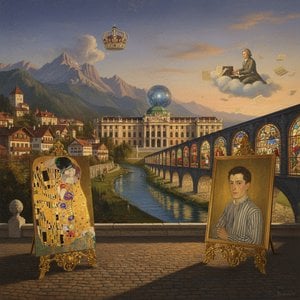
Embark on a sophisticated journey through Austrian art history. Explore the golden brilliance of Gustav Klimt and the elegance of the Vienna Secession through an expert lens, celebrating the enduring soul of Central European masterpieces.

Explore the profound impact of the Vienna Secession movement. Discover how visionaries like Gustav Klimt revolutionized modern art through symbolism, gold leaf, and bold ornamentation in this deep dive into the aesthetic revolution that redefined the visual landscape of Europe.

Explore the imperial grandeur of Vienna through art history. Discover the architectural mastery of Otto Wagner and the elegance of the Secessionist movement in this sophisticated guide to Austria's timeless aesthetic legacy.

Embark on a sophisticated journey through the splendor of Austrian art. From Gustav Klimt’s golden masterpieces to the elegance of the Viennese Secession, discover the history and symbolism behind Europe's most iconic works for the discerning collector.
 पूर्वावलोकन देखें
 साझा करें
 साझा करें
 विस्तृत विवरण
 मार्गदर्शिका

 डाउनलोड करें
 समान वस्तुएं
 एक्स-रे
 स्लाइड शो देखें
 प्रश्न और उत्तर
 आंकड़े

 पूरा देखें









 ग्लास का विकल्प केवल 110 सेमी से कम आकार में ही उपलब्ध है।


