गेरार्ड वैन होन्थोर्स्ट: प्रकाश और छाया के उस्ताद
गेरार्ड वैन होन्थोर्स्ट, जिनका जन्म 1590 में यूट्रेक्ट, नीदरलैंड्स में हुआ था, डच गोल्डन एज की कला जगत में एक महत्वपूर्ण व्यक्ति थे। उनकी नाटकीय शैली ने उस युग को रोशन किया। शुरुआती शिक्षा उनके पिता, जो एक सजावटी चित्रकार थे, से मिली, लेकिन असली प्रतिभा का विकास अब्राहम ब्लॉमैर्ट के मार्गदर्शन में हुआ, जिसने उन्हें रेखाचित्र और रचना की ठोस नींव प्रदान की। हालांकि, रोम की यात्रा ने उनकी कलात्मक विकास की दिशा बदल दी। इटली के जीवंत माहौल में, उन्होंने कारावागियो के अभूतपूर्व कार्यों का सामना किया – एक ऐसा अनुभव जिसने उनकी विशिष्ट शैली को परिभाषित किया और उन्हें “घेराardo delle Notti” या रातों के गेरार्ड की उपाधि दिलाई।
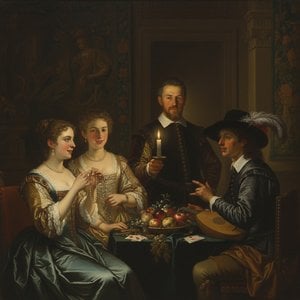
टेनेब्रिज्म, प्रकाश और अंधेरे के तीव्र विरोधाभासों का उपयोग करने की तकनीक, होन्थोर्स्ट का ट्रेडमार्क बन गया, जिसने उनके कैनवस को एक स्पष्ट नाटकीयता और भावनात्मक तीव्रता प्रदान की। उन्होंने केवल कारावागियो की नकल नहीं की; बल्कि, उन्होंने इतालवी मास्टर के नवाचारों को एक विशिष्ट डच संवेदनशीलता में अनुवादित किया, कृत्रिम प्रकाश स्रोतों – मोमबत्तियों, लैंप और आग – से प्रकाशित अंतरंग दृश्यों पर ध्यान केंद्रित किया, जिससे एक वातावरण बना जो यथार्थवादी और गहरा नाटकीय दोनों था। यह प्रकाश पर महारत केवल तकनीकी कौशल नहीं थी; बल्कि, यह चरित्र को उजागर करने का एक माध्यम था, प्रत्येक दृश्य के भावनात्मक मूल में दर्शक को खींचने का एक तरीका था।
रोम की प्रशंसा से डच दक्षता तक
होन्थोर्स्ट का रोम प्रवास महत्वपूर्ण सफलता और संरक्षण द्वारा चिह्नित किया गया था। उन्होंने शहर के अभिजात वर्ग के बीच अनुकूलता पाई, जिसमें विन्सेन्जो जिउस्टिनियानी शामिल थे, जिनके लिए उन्होंने शक्तिशाली “पुजारी के सामने मसीह” बनाया, जो प्रकाश और छाया पर उनकी कुशल कमांड का उदाहरण है। यह पेंटिंग, अब लंदन के नेशनल गैलरी में स्थित है, न केवल उनके तकनीकी कौशल को प्रदर्शित करती है बल्कि उनकी आकृतियों के भीतर गहन मनोवैज्ञानिक गहराई व्यक्त करने की क्षमता को भी दर्शाती है। उन्होंने टस्कनी के ग्रैंड ड्यूक, कोसिमो द्वितीय डी' मेडीची के लिए काम करके अपनी प्रतिष्ठा को और मजबूत किया, जो उनकी अनुकूलनशीलता और बहुमुखी प्रतिभा का प्रदर्शन करता था जो उनके पूरे करियर में उनकी सेवा करेगी। लगभग 1620 के आसपास यूट्रेक्ट लौटने पर, होन्थोर्स्ट जल्दी ही डच गणराज्य में एक प्रमुख चित्रकार के रूप में स्थापित हो गए। धनी व्यापारियों, कुलीन वर्ग और यहां तक कि शाही परिवार द्वारा उनकी तलाश की गई क्योंकि वे शारीरिक समानता को पकड़ने की उनकी क्षमता नहीं, बल्कि उनके विषयों के चरित्र और सामाजिक कद को पकड़ने की क्षमता थी। 1623 में, वह सेंट ल्यूक गिल्ड के अध्यक्ष बने, जो कला समुदाय के भीतर उनके बढ़ते प्रभाव का प्रमाण था। इस अवधि ने कमीशनों में वृद्धि देखी, जिससे होन्थोर्स्ट अपनी शैली को परिष्कृत कर सके और डच पेंटिंग के भीतर एक विशिष्ट आवाज स्थापित कर सके।
एक शाही कलाकार: कमीशन और सहयोग
होन्थोर्स्ट की प्रतिभा की पहुंच नीदरलैंड से परे तक फैली हुई थी। उनके काम ने सर डडले कार्लटन का ध्यान आकर्षित किया, जिन्होंने उन्हें प्रमुख अंग्रेजी अभिजात वर्ग जैसे अर्ल ऑफ अरंडेल और लॉर्ड डोरचेस्टर को उत्साहपूर्वक सिफारिश की। इसके परिणामस्वरूप रानी एलिजाबेथ ऑफ़ बोहेमिया से कमीशन मिले, जिन्होंने अपने बच्चों के लिए उन्हें चित्रकार और ड्राइंग मास्टर दोनों के रूप में नियुक्त किया। इन शाही कनेक्शनों ने महत्वपूर्ण कार्यों को जन्म दिया, जैसे कि चार्ल्स और हेन्रिएटा मारिया का डायना और अपोलो के रूप में प्रतीकात्मक चित्रण, जो अब हैम्पटन कोर्ट पैलेस में रखा गया है। होन्थोर्स्ट की अन्य कलाकारों के साथ सहयोग करने की इच्छा उनकी खुले विचारों वाली प्रकृति और कलात्मक उदारता को भी दर्शाती है। उन्होंने प्रसिद्ध रूप से पीटर पॉल रूबेन्स की यूट्रेक्ट यात्रा के दौरान मेजबानी की, यहां तक कि उन्हें एक चंचल दृश्य में चित्रित किया जिसमें डायोजेनीज एक ईमानदार आदमी की तलाश कर रहा था – इन दो बारोक दिग्गजों के बीच आपसी सम्मान का प्रमाण। जबकि कुछ सहयोगी कार्यों, जैसे कि “मसीह को पकड़ना”, को शुरू में केवल होन्थोर्स्ट द्वारा जिम्मेदार ठहराया गया था, आधुनिक छात्रवृत्ति ने अन्य कलाकारों के योगदान का खुलासा किया है, जो इस अवधि के दौरान कलात्मक उत्पादन की जटिल गतिशीलता पर प्रकाश डालती है।
ये सहयोग केवल कार्यभार साझा करने के बारे में नहीं थे; बल्कि, वे बौद्धिक आदान-प्रदान थे जिन्होंने कलात्मक परिदृश्य को समृद्ध किया।
विरासत और यूट्रेक्ट कारावागिस्ती
गेरार्ड वैन होन्थोर्स्ट का प्रभाव उनके जीवनकाल से परे गूंजा। वह *यूट्रेक्ट कारावागिस्ती* आंदोलन के एक प्रमुख व्यक्ति थे – डच चित्रकारों का एक समूह जिसने कारावागियो की नाटकीय यथार्थवाद और
टेनेब्रिज्म को अपनाया। हेन्ड्रिक टेर ब्रुग्गेन और डिर्क वैन बाबुरन जैसे कलाकारों के साथ, उन्होंने इतालवी बारोक शैली की एक विशिष्ट डच व्याख्या स्थापित करने में मदद की। कृत्रिम प्रकाश से प्रकाशित शैलीगत दृश्यों पर उनका जोर, उनके कुशल चित्र और कुशलतापूर्वक किया गया चियारोस्कोरो के माध्यम से भावनात्मक गहराई व्यक्त करने की उनकी क्षमता ने डच गोल्डन एज पेंटिंग के विकास पर एक अमिट छाप छोड़ी। यहां तक कि उनके भाई, विलेम वैन होन्थोर्स्ट, भी उनके पदचिन्हों का अनुसरण करते हुए, अक्सर ऐसे कार्य किए जो शैलीगत समानता के कारण शुरू में गेरार्ड को जिम्मेदार ठहराए गए थे।
- होन्थोर्स्ट की पेंटिंग आज भी दर्शकों को मोहित करती है।
- उनकी नाटकीय सुंदरता और मनोवैज्ञानिक अंतर्दृष्टि स्थायी गुण हैं।
- उन्होंने कला इतिहास में एक महत्वपूर्ण व्यक्ति के रूप में अपना स्थान मजबूत किया।
वैन होन्थोर्स्ट की इतालवी प्रभावों को डच संवेदनशीलता के साथ निर्बाध रूप से मिलाने की क्षमता ने उनकी स्थायी विरासत सुनिश्चित की, जिससे कलाकारों की पीढ़ियों को प्रेरित किया गया जो उनके बाद आए। उनका 1656 में यूट्रेक्ट में निधन हो गया, उन्होंने एक ऐसा काम छोड़ दिया जो कलात्मक परिदृश्य को रोशन करता रहता है और हमें प्रकाश और छाया की मानवीय स्थिति को प्रकट करने की शक्ति की याद दिलाता है।



 पूर्वावलोकन देखें
 प्रिंट पर स्विच करें
 साझा करें
 साझा करें
 विस्तृत विवरण

 डाउनलोड करें
 समान कलाकृतियाँ
 एक्स-रे
 स्लाइड शो देखें
 आंकड़े

 पूरा देखें






































 ग्लास का विकल्प केवल 110 सेमी से कम आकार में ही उपलब्ध है।