पूर्वावलोकन देखें AR में देखें हाथ से बनी पेंटिंग खरीदें डिजिटल इमेज पर स्विच करें साझा करें
विस्तृत विवरण मार्गदर्शिका पसंदीदा में जोड़ें डाउनलोड करें समान कलाकृतियाँ एक्स-रे स्लाइड शो देखें आंकड़े

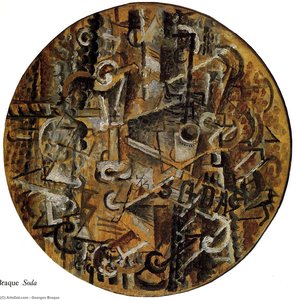
Violin and Musical Score

Explore Georges Braque’s ‘Violin & Musical Score’ (1910). A Cubist masterpiece featuring fragmented forms, earthy tones, and a symbolic representation of music & freedom. #Cubism #Braque #ArtHistory

जॉर्ज ब्राक (1882-1963) एक फ्रांसीसी चित्रकार थे जिन्होंने पिकासो के साथ मिलकर क्यूबिज्म आंदोलन को जन्म दिया। 'हाउसेस एट ल'एस्ताक' जैसी उत्कृष्ट कृतियों के लिए जाने जाते हैं, उन्होंने कला में परिप्रेक्ष्य और प्रतिनिधित्व की पारंपरिक धारणाओं को चुनौती दी।

गिक्ली / आर्ट प्रिंट

तेज़ उत्पादन और विभिन्न फिनिश विकल्पों के साथ म्यूजियम-क्वालिटी गिकली (giclée) या कैनवस प्रिंट। ( हाथ से बनी पेंटिंग खरीदें डिजिटल इमेज पर स्विच करें)

P118B $10
P118H $10
P118W $10
P438Z $10
P508JH $12
P508YH $12
P805H $10
P805Z $10
P919BZ $10
P919G $10
P919XJ $10
P959ZH $10
P968JZ $12
W106C $8
W218G $10
W218JH $8
W218Y $10
W307PJ $10
W316G $10
W316PJ $8
W316Y $10
W398PJ $8
W4111J $10
W500HY $15
W500JH $15
W692G $12
W849H $8
W940BG $15
W953PJ $8

मानक
कस्टम
CM
INCH

कलाकृति के मूल अनुपात से मेल खाने वाले हमारे पूर्व निर्धारित आकारों में से चुनें।

चौड़ाई
ऊँचाई

आप किसी विशिष्ट फ्रेम या स्थान के अनुसार अपने स्वयं के आयाम (dimensions) दर्ज कर सकते हैं। यदि आपके द्वारा चुना गया आकार मूल छवि के अनुपात से मेल नहीं खाता है, तो हम कलाकृति को क्रॉप कर देंगे या मिरर किए गए या सॉलिड-फिल किनारे के साथ छवि का विस्तार करेंगे। उत्पादन शुरू होने से पहले आपकी स्वीकृति के लिए एक डिजिटल मॉकअप भेजा जाएगा।
कृपया ध्यान दें कि स्क्रीन पर दिखने वाला प्रीव्यू वास्तविक क्रॉपिंग या विस्तार को नहीं दर्शाता है। केवल मॉकअप ही अंतिम संरचना को सटीक रूप से दिखाएगा।
हालाँकि कस्टम आकार उपलब्ध हैं, फिर भी हम मूल अनुपात बनाए रखने के लिए पूर्व-निर्धारित सूची में से एक आयाम चुनने की सलाह देते हैं।

विश्वव्यापी डिलीवरी (), मानक 4/5 सप्ताह के बजाय मात्र 2 सप्ताह में। (25 सितमबर)

why_choose_icon
दुनिया भर में मुफ़्त एक्सप्रेस शिपिंग
why_choose_icon
उच्च गुणवत्ता वाला लिनेन कैनवास
why_choose_icon
पूर्ण शिपिंग बीमा
why_choose_icon
सीमा शुल्क और आयात कर वापसी की गारंटी
why_choose_icon
सटीक रंग मिलान की गारंटी
why_choose_icon
100-दिन की वापसी नीति (केवल दोषपूर्ण होने पर)
why_choose_icon
100% पैसे वापसी की गारंटी
why_choose_icon
थोक छूट का लाभ

कुल कीमत

$ 68

reproduction

Violin and Musical Score

गिक्ली / आर्ट प्रिंट

प्रतिकृति का आकार

-

कुल देय राशि

$ 68

प्रमुख विशेषताएँ

  • movement: Cubism
  • year: 1910
  • title: Violin and Musical Score
  • subject: Still life with violin, sheet music, and bird
  • notable elements: Fragmented forms, overlapping planes, earthy tones
  • medium: Oil on canvas

कला प्रश्नोत्तरी

प्रत्येक प्रश्न का केवल एक ही सही उत्तर है।

प्रश्न 1:
To which art movement does Georges Braque's 'Violin and Musical Score' (1910) most closely belong?
प्रश्न 2:
What is a prominent characteristic of the style used in 'Violin and Musical Score'?
प्रश्न 3:
The color palette of 'Violin and Musical Score' is predominantly composed of what tones?
प्रश्न 4:
What symbolic meaning might be associated with the inclusion of a bird in 'Violin and Musical Score'?
प्रश्न 5:
Approximately what are the dimensions of 'Violin and Musical Score'?

A Cubist Symphony: Deconstructing Reality in Braque’s ‘Violin and Musical Score’

Georges Braque's *Violin and Musical Score*, painted in 1910, is a pivotal work within the nascent stages of Cubism. Measuring 54 x 65 cm, this oil on canvas isn’t merely a depiction of musical instruments; it’s a radical exploration of form, space, and perception that challenged traditional artistic conventions. This piece exemplifies Braque's collaborative journey with Pablo Picasso in dismantling representational art and forging a new visual language.

Subject & Composition: A Fragmented Still Life

The artwork presents a classic still life subject – a violin, sheet music, and the fleeting image of a bird – but rendered through a distinctly Cubist lens. The composition isn’t arranged for pleasing aesthetics; instead, objects are fractured into geometric shapes and overlapping planes. The violin dominates the canvas, yet it's not presented as a unified whole. Rather, we see multiple perspectives simultaneously—a curve of its body here, the scroll there—as if viewed from various angles at once. The sheet music is similarly deconstructed, becoming an integral part of the overall abstract design. A bird in flight adds a dynamic element, suggesting freedom and perhaps the ephemeral nature of musical inspiration. The circular arrangement contributes to a sense of contained energy, almost as if the objects are orbiting within their own fragmented world.

Style & Technique: The Birth of Analytical Cubism

*Violin and Musical Score* is a prime example of *Analytical Cubism*. This early phase of the movement focused on breaking down natural forms into essential geometric components. Braque achieves this through a muted, earthy palette – predominantly browns, grays, and blacks—punctuated by strategic white highlights. The brushwork is deliberate and layered, creating a textured surface that emphasizes the painting’s physicality. Lines are angular and broken, contributing to the overall sense of fragmentation. The technique isn't about replicating reality but analyzing it, dissecting objects into their fundamental shapes, and reassembling them on the canvas in a non-illusionistic manner.

Historical Context: A Revolutionary Moment

1910 was a watershed year for modern art. Braque and Picasso were actively exchanging ideas and pushing the boundaries of representation. Influenced by Paul Cézanne’s emphasis on geometric forms, they began to reject traditional perspective and embrace multiple viewpoints. This work emerged during a period of intense artistic experimentation, challenging the established norms of the Parisian Salon and paving the way for abstract art. It represents a conscious break from centuries of Western painting tradition.

Symbolism & Emotional Impact: Music, Freedom, and Disorientation

The symbolism within *Violin and Musical Score* is open to interpretation. The violin itself universally represents artistry, expression, and the beauty of sound. The sheet music reinforces this musical theme, suggesting composition and structure. The bird, often a symbol of freedom and aspiration, adds another layer of meaning—perhaps representing the liberating power of artistic creation or the desire for escape. However, the fragmented nature of the painting also evokes a sense of unease and disorientation. The lack of clear spatial relationships challenges our perception, forcing us to actively engage with the artwork and reconstruct its meaning. This isn’t a comforting image; it's intellectually stimulating and emotionally provocative.

For Collectors & Designers: A Timeless Investment

*Violin and Musical Score* is not just an important historical artifact but also a visually compelling work of art that continues to resonate with contemporary audiences. Its muted color palette and abstract composition make it surprisingly versatile for interior design, lending sophistication and intellectual depth to any space. A high-quality reproduction captures the essence of Braque’s innovative technique and serves as a powerful statement piece—a testament to the enduring legacy of Cubism and its profound impact on modern art.

कलाकार का जीवन परिचय

जॉर्जेस ब्राक: आधुनिक कला के एक पथप्रदर्शक

जॉर्जेस ब्राक, जिनका जन्म 1882 में अर्जेंटीनाइल, फ्रांस में हुआ था, बीसवीं सदी के सबसे प्रभावशाली कलाकारों में से एक थे। उनकी यात्रा एक साधारण घर-चित्रकार के बेटे से शुरू हुई, लेकिन जल्द ही उन्होंने कला की दुनिया में अपनी पहचान बनाई। शुरुआती दिनों में, ब्राक ने इंप्रेशनिस्ट शैली का अनुसरण किया, लेकिन 1905 में फाविज़्म (Fauvism) के प्रभाव में आने के बाद उनका काम एक नया मोड़ ले गया। हेनरी मैटिस और आंद्रे डेरेन जैसे कलाकारों के साथ काम करते हुए, उन्होंने रंगों के प्रयोग से कला को नई ऊंचाइयों पर पहुंचाया। हालांकि, ब्राक की रचनात्मकता यहीं नहीं रुकी; उन्होंने पॉल सेज़ान के कार्यों का गहन अध्ययन किया, जिससे उन्हें ज्यामितीय रूपों और बहु-दृष्टिकोणों में रुचि पैदा हुई – यह एक ऐसा मोड़ था जिसने उन्हें पाब्लो पिकासो के साथ मिलकर क्यूबिज्म (Cubism) नामक एक क्रांतिकारी कला आंदोलन की शुरुआत करने के लिए प्रेरित किया।

क्यूबिज्म का जन्म: पिकासो के साथ साझेदारी

ब्राक और पिकासो की साझेदारी आधुनिक कला के इतिहास में एक महत्वपूर्ण अध्याय है। 1907 से लेकर प्रथम विश्व युद्ध तक, इन दोनों कलाकारों ने मिलकर काम किया और क्यूबिज्म को आकार दिया। उन्होंने वस्तुओं को खंडों में विभाजित करके उन्हें विभिन्न दृष्टिकोणों से चित्रित करना शुरू कर दिया, जिससे पारंपरिक परिप्रेक्ष्य का भ्रम टूट गया। उनके शुरुआती कार्यों में "हाउस एट ल'एस्ताक" (Houses at L'Estaque) जैसे चित्रों में भूरे और हरे रंग के सीमित उपयोग ने उनकी कला में एक विशेष आकर्षण जोड़ा। 1909 के आसपास, उन्होंने मिलकर काम करते हुए एक-दूसरे की शैलियों को इतना प्रभावित किया कि उनके कार्यों को अलग करना मुश्किल हो गया था। यह साझेदारी न केवल कलात्मक रूप से महत्वपूर्ण थी, बल्कि इसने क्यूबिज्म को एक नई दिशा दी और इसे दुनिया भर में फैलाया।

कोलाज का नवाचार: कला में वास्तविकता का समावेश

क्यूबिज्म के विकास में ब्राक का सबसे महत्वपूर्ण योगदान कोलाज (collage) का प्रयोग था। 1912 में, उन्होंने अखबार की क्लिपिंग और अन्य रोजमर्रा की वस्तुओं को अपने चित्रों में शामिल करना शुरू कर दिया। यह नवाचार कला और जीवन के बीच की रेखाओं को धुंधला करता है और पारंपरिक चित्रकला की सीमाओं को चुनौती देता है। *पापियर कॉले* (papier collé) नामक तकनीक का उपयोग करके, ब्राक ने अपनी रचनाओं में बनावट और गहराई जोड़ी, जिससे दर्शक वास्तविकता और प्रतिनिधित्व के बीच के संबंध पर विचार करने के लिए मजबूर हो गए। यह प्रयोग न केवल क्यूबिज्म को आगे बढ़ाया बल्कि पॉप आर्ट जैसे भविष्य के कला आंदोलनों के लिए भी मार्ग प्रशस्त किया।

युद्ध के बाद का विकास: शांत चिंतन और व्यक्तिगत अभिव्यक्ति

प्रथम विश्व युद्ध ने ब्राक की रचनात्मक यात्रा में एक महत्वपूर्ण विराम दिया। युद्ध में उनकी भागीदारी ने उन्हें गहरे रूप से प्रभावित किया, जिसके परिणामस्वरूप उनके बाद के कार्यों में अधिक व्यक्तिगत और चिंतनशील विषयों का उदय हुआ। युद्ध के बाद, उन्होंने शास्त्रीय रचनाओं और स्थिर जीवन (still life) में रुचि दिखाई। उनके परिदृश्य और आंतरिक दृश्य शांत वातावरण और रंगों के सूक्ष्म सामंजस्य द्वारा चिह्नित थे। ब्राक ने अपनी कला में ज्यामितीय प्रभावों को बनाए रखा, लेकिन उन्होंने अधिक भावनात्मक गहराई और व्यक्तिगत अभिव्यक्ति को जोड़ा। उनकी कला अब केवल एक बौद्धिक प्रयोग नहीं थी, बल्कि यह मानवीय अनुभव की गहरी समझ का प्रतिबिंब भी थी।

विरासत: आधुनिक कला पर प्रभाव

जॉर्जेस ब्राक की विरासत आधुनिक कला पर उनके गहरे प्रभाव में निहित है। उन्होंने न केवल क्यूबिज्म के विकास में महत्वपूर्ण भूमिका निभाई, बल्कि उन्होंने कलात्मक अभिव्यक्ति के नए तरीकों को भी खोजा। उनकी साझेदारी पाब्लो पिकासो के साथ और कोलाज का उनका नवाचार कला इतिहास में हमेशा याद किया जाएगा। ब्राक की कला ने अनगिनत कलाकारों को प्रेरित किया है और आधुनिक कला के पाठ्यक्रम को आकार दिया है। वे एक सच्चे पथप्रदर्शक थे जिन्होंने कला को नई ऊंचाइयों पर पहुंचाया और हमें दुनिया को देखने के नए तरीके सिखाए।

प्रमुख कृतियाँ

  • हाउस एट ल'एस्ताक (Houses at L'Estaque)
  • द पेशेंस (The Patience)
  • वायोलिन एंड पैलेट (Violin and Palette)
  • मंडोला (Mandola)

प्रभाव और प्रेरणाएँ

  • प्रभावित: हेनरी मैटिस, आंद्रे डेरेन
  • प्रेरणा: पॉल सेज़ान
  • कलात्मक आंदोलन: क्यूबिज्म, फाविज़्म
जॉर्ज ब्राक

जॉर्ज ब्राक

1882 - 1963 , फ्रांस

मुख्य तथ्य

  • कलात्मक शैली: घनवाद, प्रभाववाद
  • जन्म तिथि: 13 मई 1882
  • जन्म स्थान: आर्गेंत्यूइल, फ्रांस
  • पूरा नाम: जॉर्ज ब्राक
  • प्रभावित आंदोलन:
    • पाब्लो पिकासो
    • आधुनिक कला
  • प्रभावित कलाकार:
    • हेनरी मैटिस
    • आंद्रे डेरेन
    • पॉल सेज़ान
  • प्रमुख कलाकृतियाँ:
    • ल'एस्ताक के घर
    • धैर्य
    • वायलिन और पैलेट
  • मृत्यु तिथि: 31 अगस्त 1963
  • राष्ट्रीयता: फ्रांसीसी
विषयों, शैलियों और विशेषताओं के आधार पर व्यवस्थित कलाकृतियों का अन्वेषण करें।