पूर्वावलोकन देखें AR में प्रीव्यू देखें हाथ से बनी पेंटिंग खरीदें डिजिटल इमेज पर जाएँ भेजें
विवरण देखें मार्गदर्शिका पसंदीदा में जोड़ें डाउनलोड करें समान वस्तुएं एक्स-रे स्लाइड शो देखें आंकड़े

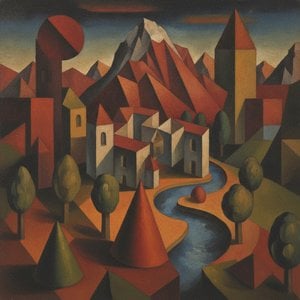
The Plain

Explore Georges Braque's 'The Plain,' a captivating landscape painting showcasing contrasting orange earth and lush green fields. Discover Cubism’s roots through this iconic work by a master of modern art.

जॉर्ज ब्राक (1882-1963) एक फ्रांसीसी चित्रकार थे जिन्होंने पिकासो के साथ मिलकर क्यूबिज्म आंदोलन को जन्म दिया। 'हाउसेस एट ल'एस्ताक' जैसी उत्कृष्ट कृतियों के लिए जाने जाते हैं, उन्होंने कला में परिप्रेक्ष्य और प्रतिनिधित्व की पारंपरिक धारणाओं को चुनौती दी।

इस पृष्ठ पर प्रदर्शित कलाकृति कॉपीराइट कानून द्वारा संरक्षित है, जिसका अर्थ है कि हम कानूनी रूप से इसकी हूबहू प्रतिलिपि बनाने या बेचने का अधिकार नहीं रखते हैं। यह संरक्षण अंतर्राष्ट्रीय समझौतों के तहत लागू किया जाता है, जैसे कि बर्न कन्वेंशन और राष्ट्रीय कानूनों द्वारा, जिनमें % द्वारा निर्धारित कानून भी शामिल हैं। अमेरिकी कॉपीराइट कानून - शीर्षक 17।

यह विधि कॉपीराइट नियमों का पूरी तरह से पालन करती है क्योंकि इसमें संरक्षित कलाकृति की नकल या प्रतिलिपि बनाना शामिल नहीं है। इसके बजाय, यह एक रचनात्मक पुनर्व्याख्या है - एक ऐसी नई पेंटिंग जो मूल कृति से प्रेरित तो है, लेकिन उसके समान नहीं है।

गिक्ली / आर्ट प्रिंट

तेज़ उत्पादन और विभिन्न फिनिश विकल्पों के साथ म्यूजियम-क्वालिटी गिकली (giclée) या कैनवस प्रिंट। ( हाथ से बनी पेंटिंग खरीदें डिजिटल इमेज पर जाएँ)

Corner sample of the P118B picture frame: मोल्डेड पॉलीस्टायरीन, 5 cm wide and 3 cm thick
P118B ₹10
Corner sample of the P118H picture frame: मोल्डेड पॉलीस्टायरीन, 5 cm wide and 3 cm thick
P118H ₹10
Corner sample of the P118W picture frame: मोल्डेड पॉलीस्टायरीन, 5 cm wide and 3 cm thick
P118W ₹10
Corner sample of the P438Z picture frame: मोल्डेड पॉलीस्टायरीन, 5.5 cm wide and 3.5 cm thick
P438Z ₹10
Corner sample of the P508JH picture frame: मोल्डेड पॉलीस्टायरीन, 7 cm wide and 3.5 cm thick
P508JH ₹12
Corner sample of the P508YH picture frame: मोल्डेड पॉलीस्टायरीन, 7 cm wide and 3.5 cm thick
P508YH ₹12
Corner sample of the P805H picture frame: मोल्डेड पॉलीस्टायरीन, 5 cm wide and 3.5 cm thick
P805H ₹10
Corner sample of the P805Z picture frame: मोल्डेड पॉलीस्टायरीन, 5 cm wide and 3.5 cm thick
P805Z ₹10
Corner sample of the P919BZ picture frame: मोल्डेड पॉलीस्टायरीन, 7 cm wide and 3.5 cm thick
P919BZ ₹10
Corner sample of the P919G picture frame: मोल्डेड पॉलीस्टायरीन, 7 cm wide and 3.5 cm thick
P919G ₹10
Corner sample of the P919XJ picture frame: मोल्डेड पॉलीस्टायरीन, 7 cm wide and 3.5 cm thick
P919XJ ₹10
Corner sample of the P959ZH picture frame: मोल्डेड पॉलीस्टायरीन, 5 cm wide and 3 cm thick
P959ZH ₹10
Corner sample of the P968JZ picture frame: मोल्डेड पॉलीस्टायरीन, 6 cm wide and 4 cm thick
P968JZ ₹12
Corner sample of the W106C picture frame: ठोस लकड़ी, 5 cm wide and 3 cm thick
W106C ₹8
Corner sample of the W218G picture frame: ठोस लकड़ी, 5 cm wide and 3 cm thick
W218G ₹10
Corner sample of the W218JH picture frame: ठोस लकड़ी, 5 cm wide and 3 cm thick
W218JH ₹8
Corner sample of the W218Y picture frame: ठोस लकड़ी, 5 cm wide and 3 cm thick
W218Y ₹10
Corner sample of the W307PJ picture frame: ठोस लकड़ी, 6 cm wide and 3 cm thick
W307PJ ₹10
Corner sample of the W316G picture frame: ठोस लकड़ी, 6 cm wide and 3 cm thick
W316G ₹10
Corner sample of the W316PJ picture frame: ठोस लकड़ी, 6 cm wide and 3 cm thick
W316PJ ₹8
Corner sample of the W316Y picture frame: ठोस लकड़ी, 6 cm wide and 3 cm thick
W316Y ₹10
Corner sample of the W398PJ picture frame: ठोस लकड़ी, 5 cm wide and 3 cm thick
W398PJ ₹8
Corner sample of the W4111J picture frame: ठोस लकड़ी, 6.5 cm wide and 3.5 cm thick
W4111J ₹10
Corner sample of the W500HY picture frame: ठोस लकड़ी, 7 cm wide and 5 cm thick
W500HY ₹15
Corner sample of the W500JH picture frame: ठोस लकड़ी, 7 cm wide and 5 cm thick
W500JH ₹15
Corner sample of the W692G picture frame: ठोस लकड़ी, 8 cm wide and 4 cm thick
W692G ₹12
Corner sample of the W849H picture frame: ठोस लकड़ी, 5 cm wide and 3 cm thick
W849H ₹8
Corner sample of the W940BG picture frame: ठोस लकड़ी, 7.5 cm wide and 4.5 cm thick
W940BG ₹15
Corner sample of the W953PJ picture frame: ठोस लकड़ी, 6 cm wide and 3.5 cm thick
W953PJ ₹8

मानक आकार
अनुकूलित
CM
INCH

कलाकृति के मूल अनुपात से मेल खाने वाले हमारे पूर्व निर्धारित आकारों में से चुनें।

चौड़ाई
ऊँचाई

अपने फ्रेम या अपनी दीवार के अनुसार आवश्यक चौड़ाई और ऊंचाई दर्ज करें। प्रिंट को केवल काटा जा सकता है, चित्र से बड़ा कभी नहीं बनाया जा सकता, इसलिए अलग आकार का साइज चित्र का एक हिस्सा खो देता है। किसी भी चीज़ को प्रिंट करने से पहले हम आपकी स्वीकृति के लिए आपको एक डिजिटल मॉकअप भेजते हैं। इस पृष्ठ पर दिखाया गया चित्र वास्तविक कटिंग नहीं दिखाता है — केवल मॉकअप ही इसे दर्शाता है।

विश्वव्यापी डिलीवरी (), मानक 4/5 सप्ताह के बजाय मात्र 2 सप्ताह में। (22 अक्टूबर)

दुनिया भर में मुफ़्त एक्सप्रेस शिपिंग
प्रीमियम ग्रेड लिनेन कैनवास
पूर्ण शिपिंग बीमा
सीमा शुल्क और आयात कर वापसी की गारंटी
सटीक रंग मिलान की गारंटी
100 दिनों की वापसी नीति (केवल निर्माण दोष होने पर)
100% पैसे वापसी की गारंटी
थोक छूट का अवसर

कुल कीमत

₹ 6515

The Plain

गिक्ली / आर्ट प्रिंट

प्रतिकृति का आकार

-

कुल मूल्य

₹ 6515

मुख्य विवरण

  • Subject or theme: Landscape, human figure
  • Movement: Cubism
  • Artist: Georges Braque
  • Location: MoMA

कला प्रश्नोत्तरी

प्रत्येक प्रश्न का केवल एक ही सही उत्तर है।

प्रश्न 1:
What is the primary visual contrast depicted in ‘The Plain’?
प्रश्न 2:
According to the description, what element is present in the painting that adds a human element?
प्रश्न 3:
Georges Braque is best known for his involvement in which artistic movement?
प्रश्न 4:
What was a key influence on Braque's work during the period leading up to his development of Cubism?

A Landscape of Dichotomy: Unveiling “The Plain”

Georges Braque’s “The Plain,” painted around 1908-1909, isn't merely a depiction of a field; it’s a carefully constructed dialogue between earth and sky, stillness and potential. Born in Argenteuil, France, in 1882, Braque’s artistic journey was deeply rooted in the practicalities of his family’s profession – house painting and decoration – an experience that instilled within him a profound understanding of form, structure, and material. This foundational knowledge, combined with his formal training at the École des Beaux-Arts, provided the bedrock for his later revolutionary explorations into Cubism. “The Plain” exemplifies this evolution, showcasing Braque’s nascent interest in deconstructing traditional perspective and presenting multiple viewpoints simultaneously.

The Plain by Georges Braque

The Palette of Earth and Sky

The painting immediately commands attention through its striking contrast. A vast expanse of ochre-toned earth dominates the left side, a rich, almost terracotta hue that speaks to the dry heat of the landscape. This isn’t simply a representation of dirt; it's imbued with a sense of ancientness, of time and weathering. Juxtaposed against this is a vibrant field of emerald green grass on the right, punctuated by patches of blue sky – an area of lightness and openness. The color choices are deliberate, creating a powerful visual tension that draws the eye across the canvas. Braque’s use of broken color, characteristic of his early Fauvist period, subtly blends these hues, suggesting a merging of earth and sky, a hint of the ephemeral nature of light and shadow.

Cubist Foundations: Fragmented Reality

While “The Plain” predates the fully realized tenets of Cubism, it’s undeniably a crucial stepping stone in Braque's development. Notice how he breaks down the forms – both the earth and the grass – into geometric shapes. The dirt isn’t rendered as a continuous mass; instead, it’s composed of angular planes and fragmented textures. Similarly, the grass is depicted with sharp edges and overlapping layers, creating an illusion of depth and volume without relying on traditional perspective. This fragmentation reflects Braque's interest in representing multiple viewpoints at once – a core principle of Cubism. The figure standing within the scene further reinforces this concept, appearing as a simplified form integrated into the fractured landscape.

Symbolic Resonance: A Quiet Contemplation

Beyond its formal innovations, “The Plain” carries a subtle symbolic weight. The vastness of the earth suggests a connection to the land, to history and tradition. The bright blue sky represents hope, freedom, and perhaps even spirituality. The solitary figure in the foreground invites contemplation – is it a shepherd, a traveler, or simply an observer? Its presence adds a human element to this otherwise serene landscape, prompting us to consider our place within the natural world. The painting’s title itself—"The Plain"—suggests a state of simplicity and openness, inviting viewers to find their own meaning within its quiet beauty.

A Reproduction for Your Space

WahooArt offers meticulously hand-painted reproductions of “The Plain” by Georges Braque, capturing the essence of this pivotal work. Each reproduction is created using traditional oil painting techniques and archival quality materials, ensuring that it will retain its vibrancy and beauty for generations to come. Whether you’re seeking a striking statement piece for your living room or a contemplative addition to your study, our reproductions provide an authentic representation of Braque's groundbreaking vision – a testament to the power of form, color, and perspective.

प्रश्न और उत्तर

मैं जॉर्ज ब्राक द्वारा "The Plain" की डिजिटल इमेज कहाँ से खरीद सकता हूँ?

जॉर्ज ब्राक द्वारा "The Plain" की डिजिटल फ़ाइल प्राप्त करने के लिए, इसके डिजिटल छवि पेज पर एक उच्च-रिज़ॉल्यूशन वाली डिजिटल इमेज डाउनलोड करें।

जॉर्ज ब्राक द्वारा "The Plain" के लिए किस पुनरुत्पादन (reproduction) आकार का सुझाव दिया गया है?

"The Plain" के लिए Large प्रिंट आकार की सिफारिश की जाती है। समान अनुपात में अन्य आकार भी उपलब्ध हैं।

Cubism की कृति "The Plain" किस भावना को व्यक्त करती है?

"The Plain" की Reflective भावना इसकी Cubism शैली के साथ समाहित है।


कलाकार का परिचय

जॉर्जेस ब्राक: आधुनिक कला के एक पथप्रदर्शक

जॉर्जेस ब्राक, जिनका जन्म 1882 में अर्जेंटीनाइल, फ्रांस में हुआ था, बीसवीं सदी के सबसे प्रभावशाली कलाकारों में से एक थे। उनकी यात्रा एक साधारण घर-चित्रकार के बेटे से शुरू हुई, लेकिन जल्द ही उन्होंने कला की दुनिया में अपनी पहचान बनाई। शुरुआती दिनों में, ब्राक ने इंप्रेशनिस्ट शैली का अनुसरण किया, लेकिन 1905 में फाविज़्म (Fauvism) के प्रभाव में आने के बाद उनका काम एक नया मोड़ ले गया। हेनरी मैटिस और आंद्रे डेरेन जैसे कलाकारों के साथ काम करते हुए, उन्होंने रंगों के प्रयोग से कला को नई ऊंचाइयों पर पहुंचाया। हालांकि, ब्राक की रचनात्मकता यहीं नहीं रुकी; उन्होंने पॉल सेज़ान के कार्यों का गहन अध्ययन किया, जिससे उन्हें ज्यामितीय रूपों और बहु-दृष्टिकोणों में रुचि पैदा हुई – यह एक ऐसा मोड़ था जिसने उन्हें पाब्लो पिकासो के साथ मिलकर क्यूबिज्म (Cubism) नामक एक क्रांतिकारी कला आंदोलन की शुरुआत करने के लिए प्रेरित किया।

क्यूबिज्म का जन्म: पिकासो के साथ साझेदारी

ब्राक और पिकासो की साझेदारी आधुनिक कला के इतिहास में एक महत्वपूर्ण अध्याय है। 1907 से लेकर प्रथम विश्व युद्ध तक, इन दोनों कलाकारों ने मिलकर काम किया और क्यूबिज्म को आकार दिया। उन्होंने वस्तुओं को खंडों में विभाजित करके उन्हें विभिन्न दृष्टिकोणों से चित्रित करना शुरू कर दिया, जिससे पारंपरिक परिप्रेक्ष्य का भ्रम टूट गया। उनके शुरुआती कार्यों में "हाउस एट ल'एस्ताक" (Houses at L'Estaque) जैसे चित्रों में भूरे और हरे रंग के सीमित उपयोग ने उनकी कला में एक विशेष आकर्षण जोड़ा। 1909 के आसपास, उन्होंने मिलकर काम करते हुए एक-दूसरे की शैलियों को इतना प्रभावित किया कि उनके कार्यों को अलग करना मुश्किल हो गया था। यह साझेदारी न केवल कलात्मक रूप से महत्वपूर्ण थी, बल्कि इसने क्यूबिज्म को एक नई दिशा दी और इसे दुनिया भर में फैलाया।

कोलाज का नवाचार: कला में वास्तविकता का समावेश

क्यूबिज्म के विकास में ब्राक का सबसे महत्वपूर्ण योगदान कोलाज (collage) का प्रयोग था। 1912 में, उन्होंने अखबार की क्लिपिंग और अन्य रोजमर्रा की वस्तुओं को अपने चित्रों में शामिल करना शुरू कर दिया। यह नवाचार कला और जीवन के बीच की रेखाओं को धुंधला करता है और पारंपरिक चित्रकला की सीमाओं को चुनौती देता है। *पापियर कॉले* (papier collé) नामक तकनीक का उपयोग करके, ब्राक ने अपनी रचनाओं में बनावट और गहराई जोड़ी, जिससे दर्शक वास्तविकता और प्रतिनिधित्व के बीच के संबंध पर विचार करने के लिए मजबूर हो गए। यह प्रयोग न केवल क्यूबिज्म को आगे बढ़ाया बल्कि पॉप आर्ट जैसे भविष्य के कला आंदोलनों के लिए भी मार्ग प्रशस्त किया।

युद्ध के बाद का विकास: शांत चिंतन और व्यक्तिगत अभिव्यक्ति

प्रथम विश्व युद्ध ने ब्राक की रचनात्मक यात्रा में एक महत्वपूर्ण विराम दिया। युद्ध में उनकी भागीदारी ने उन्हें गहरे रूप से प्रभावित किया, जिसके परिणामस्वरूप उनके बाद के कार्यों में अधिक व्यक्तिगत और चिंतनशील विषयों का उदय हुआ। युद्ध के बाद, उन्होंने शास्त्रीय रचनाओं और स्थिर जीवन (still life) में रुचि दिखाई। उनके परिदृश्य और आंतरिक दृश्य शांत वातावरण और रंगों के सूक्ष्म सामंजस्य द्वारा चिह्नित थे। ब्राक ने अपनी कला में ज्यामितीय प्रभावों को बनाए रखा, लेकिन उन्होंने अधिक भावनात्मक गहराई और व्यक्तिगत अभिव्यक्ति को जोड़ा। उनकी कला अब केवल एक बौद्धिक प्रयोग नहीं थी, बल्कि यह मानवीय अनुभव की गहरी समझ का प्रतिबिंब भी थी।

विरासत: आधुनिक कला पर प्रभाव

जॉर्जेस ब्राक की विरासत आधुनिक कला पर उनके गहरे प्रभाव में निहित है। उन्होंने न केवल क्यूबिज्म के विकास में महत्वपूर्ण भूमिका निभाई, बल्कि उन्होंने कलात्मक अभिव्यक्ति के नए तरीकों को भी खोजा। उनकी साझेदारी पाब्लो पिकासो के साथ और कोलाज का उनका नवाचार कला इतिहास में हमेशा याद किया जाएगा। ब्राक की कला ने अनगिनत कलाकारों को प्रेरित किया है और आधुनिक कला के पाठ्यक्रम को आकार दिया है। वे एक सच्चे पथप्रदर्शक थे जिन्होंने कला को नई ऊंचाइयों पर पहुंचाया और हमें दुनिया को देखने के नए तरीके सिखाए।

प्रमुख कृतियाँ

  • हाउस एट ल'एस्ताक (Houses at L'Estaque)
  • द पेशेंस (The Patience)
  • वायोलिन एंड पैलेट (Violin and Palette)
  • मंडोला (Mandola)

प्रभाव और प्रेरणाएँ

  • प्रभावित: हेनरी मैटिस, आंद्रे डेरेन
  • प्रेरणा: पॉल सेज़ान
  • कलात्मक आंदोलन: क्यूबिज्म, फाविज़्म
जॉर्ज ब्राक

जॉर्ज ब्राक

1882 - 1963 , फ्रांस

संक्षिप्त जानकारी

  • कलात्मक शैली: घनवाद, प्रभाववाद
  • जन्म तिथि: 13 मई 1882
  • जन्म स्थान: आर्गेंत्यूइल, फ्रांस
  • पूरा नाम: जॉर्ज ब्राक
  • प्रभावित आंदोलन:
    • पाब्लो पिकासो
    • आधुनिक कला
  • प्रभावित कलाकार:
    • हेनरी मैटिस
    • आंद्रे डेरेन
    • पॉल सेज़ान
  • प्रमुख कलाकृतियाँ:
    • ल'एस्ताक के घर
    • धैर्य
    • वायलिन और पैलेट
  • मृत्यु तिथि: 31 अगस्त 1963
  • राष्ट्रीयता: फ्रांसीसी
विषयों, शैलियों और विशेषताओं के आधार पर व्यवस्थित कलाकृतियों का अन्वेषण करें।