x
पूर्वावलोकन देखेंपूर्वावलोकन देखें AR में देखेंAR में देखें प्रिंट खरीदें प्रिंट खरीदेंछवि खरीदें छवि खरीदें साझा करेंसाझा करें
विस्तृत विवरणविस्तृत विवरण पसंदीदा में जोड़ें पसंदीदा में जोड़ें डाउनलोड करेंडाउनलोड करें समान कलाकृतियाँसमान कलाकृतियाँ एक्स-रेएक्स-रे स्लाइड शो देखेंस्लाइड शो देखें

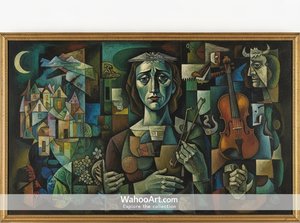
The Packing Case

Experience the profound beauty of Cubist fragmentation in Georges Braque's 1947 masterpiece The Packing Case, a mesmerizing still life that invites you to explore the intricate layers of modern art history.

जॉर्ज ब्राक (1882-1963) एक फ्रांसीसी चित्रकार थे जिन्होंने पिकासो के साथ मिलकर क्यूबिज्म आंदोलन को जन्म दिया। 'हाउसेस एट ल'एस्ताक' जैसी उत्कृष्ट कृतियों के लिए जाने जाते हैं, उन्होंने कला में परिप्रेक्ष्य और प्रतिनिधित्व की पारंपरिक धारणाओं को चुनौती दी।

हाथ से बनी ऑयल रिप्रोडक्शन

आपके आकार और फ्रेम के अनुसार कैनवास पर हाथ से बनी ऑयल पेंटिंग, हमारे कलाकारों द्वारा विशेष रूप से ऑर्डर पर तैयार। (प्रिंट खरीदें प्रिंट खरीदेंछवि खरीदें छवि खरीदें)

P118B $10
P118H $10
P118W $10
P438Z $10
P508JH $12
P508YH $12
P805H $10
P805Z $10
P919BZ $10
P919G $10
P919XJ $10
P959ZH $10
P968JZ $12
W106C $8
W218G $10
W218JH $8
W218Y $10
W307PJ $10
W316G $10
W316PJ $8
W316Y $10
W398PJ $8
W4111J $10
W500HY $15
W500JH $15
W692G $12
W849H $8
W940BG $15
W953PJ $8

मानक
कस्टम
CM
INCH

कलाकृति के मूल अनुपात से मेल खाने वाले हमारे पूर्व निर्धारित आकारों में से चुनें।

चौड़ाई
ऊँचाई

आप किसी विशिष्ट फ्रेम या स्थान के अनुसार अपने स्वयं के आयाम (dimensions) दर्ज कर सकते हैं। यदि आपके द्वारा चुना गया आकार मूल छवि के अनुपात से मेल नहीं खाता है, तो हम कलाकृति को क्रॉप करेंगे या पेंटिंग में अतिरिक्त हाथ से चित्रित तत्व जोड़कर उसका विस्तार करेंगे। उत्पादन शुरू होने से पहले आपकी स्वीकृति के लिए एक डिजिटल मॉकअप भेजा जाएगा।
कृपया ध्यान दें कि स्क्रीन पर दिखने वाला पूर्वावलोकन वास्तविक क्रॉपिंग या विस्तार को नहीं दर्शाता है। केवल मॉकअप ही अंतिम रचना को सटीक रूप से दिखाएगा।
यद्यपि कस्टम आकार उपलब्ध हैं, फिर भी हम मूल अनुपात बनाए रखने के लिए पूर्व-निर्धारित सूची से आयाम चुनने की सलाह देते हैं।

बदलाव के कुछ उदाहरण: चेहरे को ग्राहक की फोटो से बदलें; पालतू जानवर जोड़ें (जैसे बिल्ली की जगह कुत्ता); बैकग्राउंड में कोई छिपा हुआ संदेश शामिल करें; बैकग्राउंड का परिदृश्य या तत्व बदलें।
ऑर्डर देने के बाद, WahooArt.com टीम निर्देशों के लिए क्लाइंट को ईमेल करेगी और एक मॉकअप प्रीव्यू प्रदान करेगी

विश्वव्यापी वितरण () मानक 5 सप्ताह के बजाय मात्र 3/4 सप्ताह में। (3 सितमबर)। गुणवत्ता से कोई समझौता नहीं।

why_choose_icon
दुनिया भर में मुफ़्त एक्सप्रेस शिपिंग
why_choose_icon
उच्च गुणवत्ता वाला लिनेन कैनवास
why_choose_icon
पूर्ण शिपिंग बीमा
why_choose_icon
सीमा शुल्क और आयात कर वापसी की गारंटी
why_choose_icon
सटीक रंग मिलान की गारंटी
why_choose_icon
60-दिन की वापसी नीति (केवल दोषों के लिए)
why_choose_icon
100% पैसे वापसी की गारंटी
why_choose_icon
थोक छूट का लाभ

कुल कीमत

$ 272

reproduction

The Packing Case

प्रतिकृति की विधि

प्रतिकृति का आकार

-

कुल देय राशि

$ 272

प्रमुख विशेषताएँ

  • Subject or theme: Still Life
  • Location: Private Collection
  • Artistic style: Analytical Cubism
  • Influences: Pablo Picasso
  • Movement: Cubism
  • Medium: Oil on canvas
  • Artist: Georges Braque

A Symphony of Fragments: Rediscovering Braque’s The Packing Case

To gaze upon Georges Braque’s “The Packing Case” is to witness a quiet revolution captured in oil and canvas. Painted in 1947, this masterpiece serves as a profound meditation on the enduring legacy of Cubism, long after its initial, explosive arrival on the Parisian scene. At first glance, the composition appears to be a humble still life—a collection of everyday objects resting upon a weathered wooden surface. Yet, beneath this deceptive simplicity lies a complex architectural feat of the mind. Braque does not merely present us with a box and its contents; he invites us into a space where the boundaries between object and atmosphere dissolve, replaced by a rhythmic dance of geometric truth.

The centerpiece of this evocative work is the packing case itself, a commonplace item transformed through the artist's meticulous gaze. Its textured wood grain speaks to a sense of history and tactile reality, providing a grounded foundation for the more ethereal elements resting atop it. Vases brimming with delicate floral arrangements, bowls cradling fruit, and a solitary cup tucked into the corner create a domestic intimacy that is simultaneously disrupted and enriched by Braque's signature style. This juxtaposition of the mundane and the monumental is what makes the piece so captivating for the modern collector; it finds extraordinary beauty within the ordinary.

The Architecture of Perception

Braque’s mastery of the Cubist technique is on full display through his use of fractured planes and multifaceted perspectives. Eschewing the traditional, single-point perspective that had dominated Western art for centuries, he dismantively deconstructs his subjects into a sophisticated arrangement of cubes, cylinders, and cones. This method allows the viewer to experience multiple viewpoints simultaneously, challenging our very notion of how we perceive reality. The eye does not simply rest on a single point but is instead encouraged to wander through a labyrinth of overlapping shapes and subtle tonal shifts.

The technique employed here is one of deliberate layering and controlled energy. Using oil paint, Braque built up colors gradually, creating a sense of depth that feels both structural and atmospheric. His brushstrokes are not mere marks but are purposeful interventions that convey a sense of precision and expressive vitality. For the interior designer or art enthusiast, this creates a piece that possesses immense visual weight; it is an artwork that demands attention through its complexity while maintaining a harmonious, balanced aesthetic that can anchor a sophisticated living space.

A Legacy of Modern Vision

Historically, “The Packing Case” represents the mature period of an artist who had already fundamentally altered the course of art history alongside Pablo Picasso. Emerging from the radical experiments of Analytical Cubism, this later work reflects a more settled, yet no less intellectually stimulating, approach to form and space. It stands as a sophisticated response to the fleeting impressions of the Impressionist era, seeking instead a permanent, structural rhythm that reveals the hidden geometry of our world.

Beyond its formal brilliance, the painting carries an emotional resonance that is deeply moving. There is a certain nostalgia in the weathered textures and the quiet arrangement of the still life, yet there is also a forward-looking courage in its fragmented form. It is a piece that celebrates the resilience of structure amidst change. For those seeking to adorn their homes with art that inspires contemplation and intellectual engagement, a high-quality reproduction of “The Packing Case” offers more than just decoration; it offers a window into the very soul of modernism.


कलाकार का जीवन परिचय

जॉर्जेस ब्राक: आधुनिक कला के एक पथप्रदर्शक

जॉर्जेस ब्राक, जिनका जन्म 1882 में अर्जेंटीनाइल, फ्रांस में हुआ था, बीसवीं सदी के सबसे प्रभावशाली कलाकारों में से एक थे। उनकी यात्रा एक साधारण घर-चित्रकार के बेटे से शुरू हुई, लेकिन जल्द ही उन्होंने कला की दुनिया में अपनी पहचान बनाई। शुरुआती दिनों में, ब्राक ने इंप्रेशनिस्ट शैली का अनुसरण किया, लेकिन 1905 में फाविज़्म (Fauvism) के प्रभाव में आने के बाद उनका काम एक नया मोड़ ले गया। हेनरी मैटिस और आंद्रे डेरेन जैसे कलाकारों के साथ काम करते हुए, उन्होंने रंगों के प्रयोग से कला को नई ऊंचाइयों पर पहुंचाया। हालांकि, ब्राक की रचनात्मकता यहीं नहीं रुकी; उन्होंने पॉल सेज़ान के कार्यों का गहन अध्ययन किया, जिससे उन्हें ज्यामितीय रूपों और बहु-दृष्टिकोणों में रुचि पैदा हुई – यह एक ऐसा मोड़ था जिसने उन्हें पाब्लो पिकासो के साथ मिलकर क्यूबिज्म (Cubism) नामक एक क्रांतिकारी कला आंदोलन की शुरुआत करने के लिए प्रेरित किया।

क्यूबिज्म का जन्म: पिकासो के साथ साझेदारी

ब्राक और पिकासो की साझेदारी आधुनिक कला के इतिहास में एक महत्वपूर्ण अध्याय है। 1907 से लेकर प्रथम विश्व युद्ध तक, इन दोनों कलाकारों ने मिलकर काम किया और क्यूबिज्म को आकार दिया। उन्होंने वस्तुओं को खंडों में विभाजित करके उन्हें विभिन्न दृष्टिकोणों से चित्रित करना शुरू कर दिया, जिससे पारंपरिक परिप्रेक्ष्य का भ्रम टूट गया। उनके शुरुआती कार्यों में "हाउस एट ल'एस्ताक" (Houses at L'Estaque) जैसे चित्रों में भूरे और हरे रंग के सीमित उपयोग ने उनकी कला में एक विशेष आकर्षण जोड़ा। 1909 के आसपास, उन्होंने मिलकर काम करते हुए एक-दूसरे की शैलियों को इतना प्रभावित किया कि उनके कार्यों को अलग करना मुश्किल हो गया था। यह साझेदारी न केवल कलात्मक रूप से महत्वपूर्ण थी, बल्कि इसने क्यूबिज्म को एक नई दिशा दी और इसे दुनिया भर में फैलाया।

कोलाज का नवाचार: कला में वास्तविकता का समावेश

क्यूबिज्म के विकास में ब्राक का सबसे महत्वपूर्ण योगदान कोलाज (collage) का प्रयोग था। 1912 में, उन्होंने अखबार की क्लिपिंग और अन्य रोजमर्रा की वस्तुओं को अपने चित्रों में शामिल करना शुरू कर दिया। यह नवाचार कला और जीवन के बीच की रेखाओं को धुंधला करता है और पारंपरिक चित्रकला की सीमाओं को चुनौती देता है। *पापियर कॉले* (papier collé) नामक तकनीक का उपयोग करके, ब्राक ने अपनी रचनाओं में बनावट और गहराई जोड़ी, जिससे दर्शक वास्तविकता और प्रतिनिधित्व के बीच के संबंध पर विचार करने के लिए मजबूर हो गए। यह प्रयोग न केवल क्यूबिज्म को आगे बढ़ाया बल्कि पॉप आर्ट जैसे भविष्य के कला आंदोलनों के लिए भी मार्ग प्रशस्त किया।

युद्ध के बाद का विकास: शांत चिंतन और व्यक्तिगत अभिव्यक्ति

प्रथम विश्व युद्ध ने ब्राक की रचनात्मक यात्रा में एक महत्वपूर्ण विराम दिया। युद्ध में उनकी भागीदारी ने उन्हें गहरे रूप से प्रभावित किया, जिसके परिणामस्वरूप उनके बाद के कार्यों में अधिक व्यक्तिगत और चिंतनशील विषयों का उदय हुआ। युद्ध के बाद, उन्होंने शास्त्रीय रचनाओं और स्थिर जीवन (still life) में रुचि दिखाई। उनके परिदृश्य और आंतरिक दृश्य शांत वातावरण और रंगों के सूक्ष्म सामंजस्य द्वारा चिह्नित थे। ब्राक ने अपनी कला में ज्यामितीय प्रभावों को बनाए रखा, लेकिन उन्होंने अधिक भावनात्मक गहराई और व्यक्तिगत अभिव्यक्ति को जोड़ा। उनकी कला अब केवल एक बौद्धिक प्रयोग नहीं थी, बल्कि यह मानवीय अनुभव की गहरी समझ का प्रतिबिंब भी थी।

विरासत: आधुनिक कला पर प्रभाव

जॉर्जेस ब्राक की विरासत आधुनिक कला पर उनके गहरे प्रभाव में निहित है। उन्होंने न केवल क्यूबिज्म के विकास में महत्वपूर्ण भूमिका निभाई, बल्कि उन्होंने कलात्मक अभिव्यक्ति के नए तरीकों को भी खोजा। उनकी साझेदारी पाब्लो पिकासो के साथ और कोलाज का उनका नवाचार कला इतिहास में हमेशा याद किया जाएगा। ब्राक की कला ने अनगिनत कलाकारों को प्रेरित किया है और आधुनिक कला के पाठ्यक्रम को आकार दिया है। वे एक सच्चे पथप्रदर्शक थे जिन्होंने कला को नई ऊंचाइयों पर पहुंचाया और हमें दुनिया को देखने के नए तरीके सिखाए।

प्रमुख कृतियाँ

  • हाउस एट ल'एस्ताक (Houses at L'Estaque)
  • द पेशेंस (The Patience)
  • वायोलिन एंड पैलेट (Violin and Palette)
  • मंडोला (Mandola)

प्रभाव और प्रेरणाएँ

  • प्रभावित: हेनरी मैटिस, आंद्रे डेरेन
  • प्रेरणा: पॉल सेज़ान
  • कलात्मक आंदोलन: क्यूबिज्म, फाविज़्म
जॉर्ज ब्राक

जॉर्ज ब्राक

1882 - 1963 , फ्रांस

मुख्य तथ्य

  • कलात्मक शैली: घनवाद, प्रभाववाद
  • जन्म तिथि: 13 मई 1882
  • जन्म स्थान: आर्गेंत्यूइल, फ्रांस
  • पूरा नाम: जॉर्ज ब्राक
  • प्रभावित आंदोलन:
    • पाब्लो पिकासो
    • आधुनिक कला
  • प्रभावित कलाकार:
    • हेनरी मैटिस
    • आंद्रे डेरेन
    • पॉल सेज़ान
  • प्रमुख कलाकृतियाँ:
    • ल'एस्ताक के घर
    • धैर्य
    • वायलिन और पैलेट
  • मृत्यु तिथि: 31 अगस्त 1963
  • राष्ट्रीयता: फ्रांसीसी
विषयों, शैलियों और विशेषताओं के आधार पर व्यवस्थित कलाकृतियों का अन्वेषण करें।