


तेज़ उत्पादन और विभिन्न फिनिश विकल्पों के साथ म्यूजियम-क्वालिटी गिकली (giclée) या कैनवस प्रिंट। ( इस संग्रहणीय वस्तु की हाथ से बनी प्रतिकृति मंगवाएं डिजिटल इमेज पर स्विच करें)





























कलाकृति के मूल अनुपात से मेल खाने वाले हमारे पूर्व निर्धारित आकारों में से चुनें।

अपने फ्रेम या अपनी दीवार के अनुसार आवश्यक चौड़ाई और ऊंचाई दर्ज करें। प्रिंट को केवल काटा जा सकता है, चित्र से बड़ा कभी नहीं बनाया जा सकता, इसलिए अलग आकार का साइज चित्र का एक हिस्सा खो देता है। किसी भी चीज़ को प्रिंट करने से पहले हम आपकी स्वीकृति के लिए आपको एक डिजिटल मॉकअप भेजते हैं। इस पृष्ठ पर दिखाया गया चित्र वास्तविक कटिंग नहीं दिखाता है — केवल मॉकअप ही इसे दर्शाता है।
विश्वव्यापी डिलीवरी (), मानक 4/5 सप्ताह के बजाय मात्र 2 सप्ताह में। (18 नवमबर)
Broken Forms
प्रतिकृति का आकार
Franz Marc's "Broken Forms," painted in 1914, isn’t merely a depiction of shapes and colors; it’s an intensely felt expression of the artist’s profound connection to the natural world. Created during a period of seismic shifts in artistic thought – the burgeoning Cubism and the nascent Expressionist movements – this work represents a radical departure from traditional representation, choosing instead to distill the essence of existence into its most fundamental components. Measuring 112 x 84 cm, the canvas vibrates with an almost palpable energy, born from Marc’s deliberate fragmentation and reassembly of forms. The painting immediately draws the eye to the dominant circles, a visual anchor amidst the dynamic interplay of geometric shapes – triangles, squares, and rectangles – that cascade across the surface. These aren't simply decorative elements; they are building blocks, mirroring the artist’s belief in a deeper, underlying order within nature, an order he sought to capture through abstraction.
Marc’s palette is both bold and restrained, utilizing vibrant hues – reds, blues, yellows, greens, and oranges – that clash and harmonize simultaneously. This deliberate tension isn't accidental; it mirrors the emotional complexity he aimed to convey. The large circle in the top left corner, a luminous beacon, seems to draw the viewer into the heart of the composition, while the smaller circles scattered throughout create a sense of movement and interconnectedness. The geometric forms themselves aren’t presented as static objects but rather as dynamic entities, suggesting a world perpetually in flux – a sentiment deeply rooted in Marc's spiritual explorations. His technical mastery is evident in the confident application of paint, creating a textured surface that invites close inspection, revealing layers of color and brushstroke.
“Broken Forms” stands as a pivotal work within Marc’s artistic journey, reflecting the profound influences shaping his vision. The painting is undeniably indebted to the revolutionary ideas of Pablo Picasso and Georges Braque, pioneers of Cubism, whose techniques of dissecting objects into geometric fragments served as a crucial starting point. However, Marc transcends mere imitation; he infuses the Cubist approach with his own distinct sensibility, imbuing it with an emotional depth characteristic of Expressionism. Furthermore, one can discern echoes of African tribal masks – particularly their simplified forms and symbolic power – alongside the proto-Cubist explorations of contemporary artists. This confluence of influences creates a uniquely powerful visual language, bridging the gap between intellectual innovation and intuitive feeling.
Born in Munich in 1880, Franz Marc’s life was inextricably linked to his art. His early fascination with theology, coupled with his deep reverence for nature, fueled a lifelong quest to understand the spiritual dimension of existence. This search is powerfully articulated in “Broken Forms,” where the fragmentation of forms isn't simply an aesthetic choice but a metaphor for the breakdown of conventional perception and the unveiling of a more fundamental reality. Marc believed that art could be a vehicle for accessing this deeper truth, and this conviction permeates every aspect of his work. The painting’s emotional impact is profound – it evokes a sense of both unease and wonder, inviting viewers to contemplate their own place within the vastness of the universe.
WahooArt offers meticulously crafted hand-painted reproductions of Franz Marc’s "Broken Forms," allowing you to experience the power and beauty of this seminal artwork in your own space. Each reproduction is created by skilled artisans who painstakingly recreate Marc's vibrant colors, dynamic composition, and emotional intensity. Whether adorning a gallery wall or adding a touch of artistic flair to an interior design scheme, this reproduction serves as a constant reminder of Marc’s profound vision – a testament to the transformative power of art and its ability to connect us to something larger than ourselves. Explore our collection today and bring the fractured beauty of “Broken Forms” into your world.
"Broken Forms" फ्रांज मार्क की Cubist Expressionism शैली की रचना है, जिनके प्रमुख विषयों में fauvist, african masks, proto-cubism, spiritual seeking, nature’s essence, early 20th century, avant-garde, animal symbolism शामिल हैं।
"Broken Forms" के लिए Large प्रिंट आकार की सिफारिश की जाती है। समान अनुपात में अन्य आकार भी उपलब्ध हैं।
एक स्लाइडशो उपलब्ध है: फ्रांज मार्क द्वारा "Broken Forms" का स्लाइडशो पेज।

फ्रांज मर्क का जन्म जर्मनी के म्यूनिख में एक ऐसे घर में हुआ था, जहाँ परिदृश्य चित्रण (landscape) की दृश्य भाषा पहले से ही स्थापित थी। उनके पिता, विल्हेम मार्क, एक पेशेवर परिदृश्य चित्रकार के रूप में कार्यरत थे, जिन्होंने उन्हें कला की बारीकियों से सीधे तौर पर परिचित कराया, भले ही उनका भविष्य पूरी तरह से निश्चित न हो। इस पारिवारिक संबंध का अर्थ यह था कि कला के उपकरण उनके पास शुरुआत से ही मौजूद थे, फिर भी मर्क का मार्ग विरासत से सीधे कैनवास तक पहुँचने वाली कोई सीधी रेखा नहीं थी। चित्रकला के जीवन के प्रति समर्पित होने से पहले, उन्होंने धर्मशास्त्र के गहन अध्ययन में समय बिताया—आध्यात्मिक अन्वेषण का यह दौर उनके भविष्य के कलात्मक कार्यों की तीव्रता को निर्धारित करने वाला बना। पवित्रता और भौतिकता के बीच का यही तनाव उनके बाद के कार्यों को एक विशिष्ट और गहरा अर्थ प्रदान करता है।
उनका औपचारिक प्रशिक्षण वर्ष 1900 में शुरू हुआ जब उन्होंने लुडविग-मैक्सिमिलियन-यूनिवर्सिटी म्यूनिख में कला कार्यक्रम में प्रवेश लिया। यह शैक्षणिक आधार केवल एक औपचारिकता नहीं थी; इसने उन्हें वह तकनीकी सुदृढ़ता प्रदान की जो अंततः पारंपरिक चित्रण के बंधनों को तोड़ने के लिए आवश्यक थी। म्यूनिख विश्वविद्यालय में अध्ययन के बाद, वे म्यूनिख की एकेडमी ऑफ फाइन आर्ट्स में चले गए। अध्ययन के इस क्रम ने उन्हें सामान्य शैक्षणिक सिद्धांतों से हटाकर उस विशेष और गहन ध्यान की ओर अग्रसर किया, जो उन क्रांतिकारी परिवर्तनों के लिए आवश्यक था जिनका नेतृत्व वे भविष्य में करने वाले थे। वे केवल आकस्मिक प्रतिभा के परिणाम नहीं थे, बल्कि म्यूनिख की औपचारिक परंपराओं में एक सुविचारित और संरचित तल्लीनता का परिणाम थे।
फ्रांज मर्क की शुरुआती कृतियाँ अकादमिक चित्रकला और प्रभाववाद (Impressionism) के गहरे प्रभाव को दर्शाती हैं। ये पारंपरिक आधार उन्हें वह तकनीकी संरचना प्रदान करते थे जिसे उन्होंने आगे चलकर पूरी तरह से ध्वस्त कर दिया। फ्रांस में बिताया गया उनका समय, विशेष रूप से 1903 और 1907 में पेरिस की उनकी यात्राएं, उनकी कलात्मक दिशा में एक क्रांतिकारी बदलाव के उत्प्रेरक बनीं। पेरिस में ही उनका सामना विन्सेंट वैन गॉग के कार्यों से हुआ। इस मुलाकात ने उनके प्रशिक्षण की कठोर संरचनाओं के सामने एक आवश्यक विकल्प प्रस्तुत किया, जिससे उन्हें रंगों का उपयोग केवल वर्णन के लिए नहीं, बल्कि भावनात्मक अभिव्यक्ति के एक सीधे माध्यम के रूप में करने का मार्ग मिला।
अमूर्तता (Abstraction) की ओर उनका झुकाव कोई अचानक लिया गया निर्णय नहीं था, बल्कि 20वीं सदी की शुरुआत की विकसित होती दृश्य भाषा के प्रति एक सुविचारित प्रतिक्रिया थी। रॉबर्ट डेलने" द्वारा अमूर्त रूपों और तीव्र रंग पैलेट के अन्वेषण ने मर्क के सरलीकरण की ओर बढ़ते कदमों के लिए एक खाका तैयार किया। उन्होंने परिदृश्य के शाब्दिक चित्रण से दूरी बना ली और इसके बजाय विषयों को उनके आवश्यक आकारों में ढालने का प्रयास किया। इस प्रक्रिया ने उन्हें प्राकृतिक दुनिया की सतह से परे जाकर अभिव्यक्ति की एक अधिक व्यक्तिपरक और ऊर्जावान शैली तक पहुँचने में मदद की।
केवल चित्रण से हटकर आध्यात्मिक सत्य की खोज की ओर बढ़ना ही आधुनिकतावाद में फ्रांज मर्क का सबसे महत्वपूर्ण योगदान है। अपना स्वयं का आंदोलन स्थापित करने से पहले, उन्होंने 'न्यूई कुन्स्टलरवेरिनुंग म्यूनिख' के साथ प्रयोग किए। समय की अकादमिक सीमाओं को तोड़ने के लिए परीक्षण और त्रुटि का यह दौर अत्यंत आवश्यक था। 1911 तक, मर्क ने वासिली कांडिंस्की के साथ मिलकर 'डेर ब्लाउ रीटर' (द ब्लू राइडर) की सह-स्थापना की। यह केवल एक सामाजिक क्लब नहीं था; बल्कि यह तत्कालीन यथास्थिति से एक क्रांतिकारी विचलन था। इस समूह ने 'डेर ब्लाउ रीटर' पत्रिका का उपयोग एक विशिष्ट एजेंडे को आगे बढ़ाने के लिए किया: आंतरिक आध्यात्मिक वास्तविकताओं को व्यक्त करने के लिए अमूर्तता और प्रतीकात्मक रंगों का उपयोग करना। वे भौतिक दुनिया की सतह से परे जाकर किसी अधिक मौलिक और सारभूत तत्व तक पहुँचना चाहते थे।
यह आंदोलन 20वीं सदी की शुरुआत की औद्योगिक और धूसर वास्तविकता के लिए एक सीधी चुनौती था। मर्क और उनके सहयोगियों ने एक ऐसी दृश्य भाषा की तलाश की जो केवल आँखों को ही नहीं, बल्कि आत्मा को भी संवाद कर सके। वे एक ऐसी शैली की ओर बढ़े जहाँ रंग एक आध्यात्मिक आवृत्ति (frequency) के रूप में कार्य करते थे। यह केवल वह चित्रित करने के बारे में नहीं था जो देखा गया है, बल्कि किसी विषय के आंतरिक सार को पकड़ने के बारे में था। ध्यान बाहरी परिदृश्य से हटकर जीवन की एक लयबद्ध और प्रतीकात्मक व्याख्या की ओर स्थानांतरित हो गया। यह वह काल था जब जर्मन अभिव्यक्तिवाद को उसकी सबसे शक्तिशाली और गैर-शाब्दिक आवाज़ मिली।
फ्रांज मर्क की दृश्य भाषा रंग प्रतीकात्मकता की एक ऐसी कठोर और सुविचारित प्रणाली पर आधारित है, जो वर्णनात्मक सटीकता को पूरी तरह से नकार देती है। उन्होंने रंगों का उपयोग प्राकृतिक दुनिया की नकल करने के लिए नहीं, बल्कि एक आध्यात्मिक पदानुक्रम को चित्रित करने के लिए किया था। उनके रंग-पैलेट में, नीला रंग पुरुषत्व और आध्यात्मिकता का प्रतिनिधित्व करता है, जबकि पीला रंग स्त्रीत्व और आनंद का प्रतीक है। वहीं, लाल रंग भौतिकता और हिंसा को समाहित करता है। यह कोई आकस्मिक सौंदर्यपरक चुनाव नहीं था, बल्कि बाहरी रंगों के माध्यम से आंतरिक सत्यों को संप्रेषित करने का एक सुव्यवस्थित प्रयास था। यथार्थवाद को त्यागकर, उन्होंने दर्शकों को स्वयं रंग के भावनात्मक भार से जुड़ने के लिए विवश कर दिया।
उनकी तकनीक रूप के एक क्रांतिकारी सरलीकरण की ओर अग्रसर थी। उन्होंने जटिल जैविक संरचनाओं को आवश्यक और लयबद्ध आकृतियों में बदल दिया। इस न्यूनतावाद ने, साहसी और अप्राकृतिक रंगों के साथ मिलकर, विषय और उसके परिवेश के बीच एक तनाव की भावना पैदा की। उन्होंने बनावट (texture) बनाने के लिए छोटे, सचेत ब्रशस्ट्रोक और इम्पैस्टो (impasto) तकनीक का उपयोग किया, जिससे उनकी रचनाओं को एक ऐसा भौतिक अस्तित्व मिला जो उनके विषयों के अमूर्त स्वरूप के बिल्कुल विपरीत था। इसका परिणाम एक ऐसी शैली के रूप में सामने आया जहाँ पशु अब केवल मांस-रक्त का प्राणी नहीं रह गया, बल्कि एक विशिष्ट और कूटबद्ध ऊर्जा का वाहक बन गया।
फ्रांज मर्क की परिपक्व कला का केंद्र बिंदु पशु जगत रहा है। उन्होंने स्थिर परिदृश्यों के चित्रण से हटकर घोड़ों, हिरणों और लोमड़ियों जैसे जीवों पर अपना ध्यान केंद्रित किया। उनके लिए ये विषय केवल जैविक अध्ययन मात्र नहीं थे, बल्कि आध्यात्मिक ऊर्जा के वाहक थे। वर्ष 1911 में, उन्होंने The Large Blue Horses जैसी कृति का सृजन किया, जिसने गैर-प्राकृतिक रंगों के प्रति उनकी विशेष पसंद को स्थापित किया। 1912 तक आते-आते, उनकी रचनाएँ अधिक आक्रामक और सुव्यवस्थित होने लगीं, जिसका प्रमाण Tiger और Red Deer में मिलता है। ये चित्र सरल और लयबद्ध रूपों के माध्यम से अपने विषयों के अंतर्निहित गुणों को पकड़ने की ओर उनके बढ़ते झुकाव को दर्शाते हैं।
उनकी शैली का विकास अमूर्तता (abstraction) की ओर एक स्पष्ट यात्रा को प्रदर्शित करता है। 1913 की उनकी कृति The Foxes में फ्रांसीसी घनवाद (Cubism) का प्रभाव झलकता है, जहाँ उन्होंने रूप को तोड़ने के लिए एक क्रिस्टलीय संरचना का उपयोग किया है। यह दृष्टिकोण 1913 में चित्रित The World-Cow में अपने चरमोत्कर्ष पर पहुँचता है, जहाँ विषय ब्रह्मांडीय अस्तित्व का प्रतीक बन जाता है। उनका कार्य एक विशिष्ट रंग-तर्क पर आधारित है: नीला रंग पुरुषत्व और आध्यात्मिकता के लिए, पीला रंग स्त्रीत्व और आनंद के लिए, और लाल रंग हिंसा और भौतिकता के लिए। इस प्रणाली ने प्रत्येक पशु चित्र को एक शाब्दिक चित्रण के बजाय एक दार्शनिक वक्तव्य में बदल दिया।
1914 में प्रथम विश्व युद्ध के शुरू होने से फ्रांज मर्क के करियर की दिशा अचानक और दुखद रूप से बदल गई। एक कलाकार के रूप में उनकी पहचान के बावजूद, उन्हें जर्मन सेना में एक घुड़सवार के रूप में सेवा देने के लिए ड्राफ्ट कर लिया गया। इस संघर्ष ने उन्हें आध्यात्मिक अमूर्तता की उनकी खोज से हटाकर सैन्य सेवा की कठोर और वीभत्स वास्तविकताओं की ओर धकेल दिया। युद्ध की इस उथल-पुथल के बीच भी, उन्होंने चित्रकारी जारी रखी, और अपने चारों ओर बिखरती दुनिया के बीच अपने ब्रश के माध्यम से अर्थ खोजने का प्रयास करते रहे।
उनका जीवन 4 मार्च, 1916 को वर्दुन के युद्ध (Battle of Verdun) में समाप्त हो गया। युद्ध के शुरू होने के मात्र दो साल बाद ही उनका निधन हो गया। एक शेल के टुकड़े से उनकी मृत्यु हुई—एक ऐसा हिंसक अंत जिसने शुद्धता की खोज के लिए समर्पित उनके करियर को बीच में ही काट दिया। वर्दुन में उनकी मृत्यु की इस आकस्मिकता ने जर्मन अभिव्यक्तिवाद के विकास में एक शून्य छोड़ दिया, और उनके आंदोलन को और भी अधिक कट्टरपंथी अमूर्तता की ओर बढ़ने से पहले ही रोक दिया, इससे पहले कि वे इसके तार्किक निष्कर्ष तक पहुँच पाते।
फ्रांज मर्क जर्मन अभिव्यक्तिवाद के इतिहास में एक केंद्रीय स्तंभ बने हुए हैं। उनके प्रभाव को इस बात से मापा जा सकता है कि कैसे रंग और रूप के प्रति उनके दृष्टिकोण ने आधुनिक कला के केंद्र को बाहरी अवलोकन से हटाकर आंतरिक आध्यात्मिक सत्य की ओर मोड़ दिया। हालाँकि उनका करियर समय से पहले ही थम गया, लेकिन दुनिया भर के प्रमुख संग्रहालयों में उनकी कृतियों की निरंतर उपस्थिति उनके प्रभाव को जीवित रखती है। जानवरों के सार को प्रतीकात्मक और गैर-प्राकृतिक आकारों में ढालने की उनकी अद्भुत क्षमता ने 20वीं सदी की शुरुआत की चित्रकला की दिशा को हमेशा के लिए बदल दिया।
1930 के दशक के राजनीतिक परिदृश्य ने इस अमूल्य योगदान को मिटाने का प्रयास किया। नाजी शासन ने आधुनिकतावाद को दबाने के व्यापक प्रयासों के तहत मर्क को एक 'पतित कलाकार' (degenerate artist) घोषित कर दिया। इस व्यवस्थित अभियान के बावजूद, उनकी अधिकांश कृतियाँ द्वितीय विश्व युद्ध के विनाश से बच निकलने में सफल रहीं। यही अस्तित्व आज यह सुनिश्चित करता है कि उनकी दृश्य भाषा समकालीन दर्शकों के लिए सुलभ बनी हुई है। उनका कार्य आज भी हमारे दिलों में गूँजता है क्योंकि यह प्राकृतिक दुनिया के प्रति एक सीधा और भावनात्मक उत्तर प्रदान करता है, जो शाब्दिक चित्रण की सीमाओं से मुक्त है।
फ्रांज मर्क के दृष्टिकोण की भौतिक वास्तविकता का अनुभव करने के लिए, हमें उन विशिष्ट संस्थागत संग्रहों की ओर देखना होगा जिन्होंने 20वीं सदी की उथल-पुथल के दौरान उनकी कलाकृतियों को सहेज कर रखा। जर्मनी के कोचल एम सी (Kochel am See) में स्थित फ्रांज मर्क संग्रहालय उनकी विरासत के एक प्रमुख केंद्र के रूप में कार्य करता है, जहाँ उनके 150 से अधिक कार्यों को संजोया गया है। यह संग्रह बवेरियन परिदृश्य के बीच एक कलाकार के विकास का सीधा दर्शन कराता है। म्यूनिख में, लेनबाकहाउस (Lenbachhaus) के पास एक विस्तृत संग्रह है, जो जर्मन अभिव्यक्तिवाद में उनके योगदान का एक केंद्रित अवलोकन प्रदान करता है। म्यूनिख की स्टेट्सगैलरी मॉडर्न आर्ट में भी महत्वपूर्ण कृतियाँ मौजूद हैं, जो यह सुनिश्चित करती हैं कि शहर के कला इतिहास में उनकी उपस्थिति सदैव केंद्रीय बनी रहे।
उनकी कलात्मक पहुँच जर्मनी की सीमाओं से कहीं आगे तक फैली हुई है, जहाँ दुनिया के प्रमुख अंतर्राष्ट्रीय संग्रहालयों में उनके कैनवस सुरक्षित हैं। संयुक्त राज्य अमेरिका में, आर्ट इंस्टीट्यूट ऑफ शिकागो के पास द एनचेंटेड मिल मौजूद है। ये बिखरे हुए स्थान आधुनिक अमूर्तता पर उनके प्रभाव की वैश्विक समझ विकसित करने में मदद करते हैं। इन कृतियों को व्यक्तिगत रूप से देखना उनके ब्रशवर्क की वास्तविक बनावट और उनके रंगों के चयन की उस विशिष्ट तीव्रता को प्रकट करता है, जो अक्सर डिजिटल प्रतियों में अपना प्रभाव खो देती है।
उनकी कुछ कालजयी कृतियाँ इस प्रकार हैं:

1880 - 1916 , जर्मनी

Immerse yourself in the vibrant world of German Expressionism with our curated guide to Franz Marc's top 25 masterpieces. Explore the spiritual energy and symbolic colors of The Blue Rider movement. Find museum-quality art reproductions for your decor. Discover all masterpieces on WahooArt.com

Elevate your hospitality projects with expert guidance on color harmony. Discover how to master palettes through the lens of fine art, from Impressionist light to Post-Impressionist depth, creating sophisticated, cohesive, and luxurious interior environments.

Explore 25 iconic Marc Duvallier reinterpretations of the Old Masters. Discover museum-quality art on WahooArt.com.
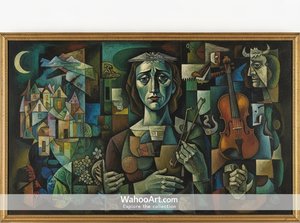
Journey through the vibrant world of Cubist Expressionism. Explore 10 iconic masterpieces, their bold techniques, and the stories behind these timeless works. Find museum-quality art reproductions and decor inspiration for your space. Discover all masterpieces on WahooArt.com.
 पूर्वावलोकन देखें
 साझा करें
 साझा करें
 विस्तृत विवरण
 मार्गदर्शिका

 डाउनलोड करें
 समान वस्तुएं
 एक्स-रे
 स्लाइड शो देखें
 प्रश्न और उत्तर
 आंकड़े


 पूरा देखें









 ग्लास का विकल्प केवल 110 सेमी से कम आकार में ही उपलब्ध है।


