पूर्वावलोकन देखें AR में प्रीव्यू देखें हाथ से बनी पेंटिंग खरीदें डिजिटल इमेज पर जाएँ भेजें
विवरण देखें मार्गदर्शिका पसंदीदा में जोड़ें डाउनलोड करें समान वस्तुएं एक्स-रे स्लाइड शो देखें आंकड़े

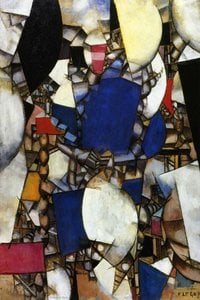
The Staircase

Fernand Léger Fernand Léger was born Joseph Fernand Henri Léger in 1881 amidst the rural landscapes of Argentan, Normandy. He pursued architecture initially but transitioned to painting around 1900, establishing himself in Paris and supporting fellow artists. Argentan France 1881 1914 1955 A painting depicting a staircase filled with people moving upwards. The figures are adorned with helme

फ़र्नांद लेगर (1881-1955) एक फ्रांसीसी चित्रकार थे जिन्होंने क्यूबिज्म और 'ट्यूबिज्म' में अद्वितीय योगदान दिया। उनकी आधुनिक जीवन, मशीनरी और मानव रूप को दर्शाने वाली बोल्ड पेंटिंग पॉप आर्ट के अग्रदूत माने जाते हैं।

गिक्ली / आर्ट प्रिंट

तेज़ उत्पादन और विभिन्न फिनिश विकल्पों के साथ म्यूजियम-क्वालिटी गिकली (giclée) या कैनवस प्रिंट। ( हाथ से बनी पेंटिंग खरीदें डिजिटल इमेज पर जाएँ)

Corner sample of the P118B picture frame: मोल्डेड पॉलीस्टायरीन, 5 cm wide and 3 cm thick
P118B ₹10
Corner sample of the P118H picture frame: मोल्डेड पॉलीस्टायरीन, 5 cm wide and 3 cm thick
P118H ₹10
Corner sample of the P118W picture frame: मोल्डेड पॉलीस्टायरीन, 5 cm wide and 3 cm thick
P118W ₹10
Corner sample of the P438Z picture frame: मोल्डेड पॉलीस्टायरीन, 5.5 cm wide and 3.5 cm thick
P438Z ₹10
Corner sample of the P508JH picture frame: मोल्डेड पॉलीस्टायरीन, 7 cm wide and 3.5 cm thick
P508JH ₹12
Corner sample of the P508YH picture frame: मोल्डेड पॉलीस्टायरीन, 7 cm wide and 3.5 cm thick
P508YH ₹12
Corner sample of the P805H picture frame: मोल्डेड पॉलीस्टायरीन, 5 cm wide and 3.5 cm thick
P805H ₹10
Corner sample of the P805Z picture frame: मोल्डेड पॉलीस्टायरीन, 5 cm wide and 3.5 cm thick
P805Z ₹10
Corner sample of the P919BZ picture frame: मोल्डेड पॉलीस्टायरीन, 7 cm wide and 3.5 cm thick
P919BZ ₹10
Corner sample of the P919G picture frame: मोल्डेड पॉलीस्टायरीन, 7 cm wide and 3.5 cm thick
P919G ₹10
Corner sample of the P919XJ picture frame: मोल्डेड पॉलीस्टायरीन, 7 cm wide and 3.5 cm thick
P919XJ ₹10
Corner sample of the P959ZH picture frame: मोल्डेड पॉलीस्टायरीन, 5 cm wide and 3 cm thick
P959ZH ₹10
Corner sample of the P968JZ picture frame: मोल्डेड पॉलीस्टायरीन, 6 cm wide and 4 cm thick
P968JZ ₹12
Corner sample of the W106C picture frame: ठोस लकड़ी, 5 cm wide and 3 cm thick
W106C ₹8
Corner sample of the W218G picture frame: ठोस लकड़ी, 5 cm wide and 3 cm thick
W218G ₹10
Corner sample of the W218JH picture frame: ठोस लकड़ी, 5 cm wide and 3 cm thick
W218JH ₹8
Corner sample of the W218Y picture frame: ठोस लकड़ी, 5 cm wide and 3 cm thick
W218Y ₹10
Corner sample of the W307PJ picture frame: ठोस लकड़ी, 6 cm wide and 3 cm thick
W307PJ ₹10
Corner sample of the W316G picture frame: ठोस लकड़ी, 6 cm wide and 3 cm thick
W316G ₹10
Corner sample of the W316PJ picture frame: ठोस लकड़ी, 6 cm wide and 3 cm thick
W316PJ ₹8
Corner sample of the W316Y picture frame: ठोस लकड़ी, 6 cm wide and 3 cm thick
W316Y ₹10
Corner sample of the W398PJ picture frame: ठोस लकड़ी, 5 cm wide and 3 cm thick
W398PJ ₹8
Corner sample of the W4111J picture frame: ठोस लकड़ी, 6.5 cm wide and 3.5 cm thick
W4111J ₹10
Corner sample of the W500HY picture frame: ठोस लकड़ी, 7 cm wide and 5 cm thick
W500HY ₹15
Corner sample of the W500JH picture frame: ठोस लकड़ी, 7 cm wide and 5 cm thick
W500JH ₹15
Corner sample of the W692G picture frame: ठोस लकड़ी, 8 cm wide and 4 cm thick
W692G ₹12
Corner sample of the W849H picture frame: ठोस लकड़ी, 5 cm wide and 3 cm thick
W849H ₹8
Corner sample of the W940BG picture frame: ठोस लकड़ी, 7.5 cm wide and 4.5 cm thick
W940BG ₹15
Corner sample of the W953PJ picture frame: ठोस लकड़ी, 6 cm wide and 3.5 cm thick
W953PJ ₹8

मानक आकार
अनुकूलित
CM
INCH

कलाकृति के मूल अनुपात से मेल खाने वाले हमारे पूर्व निर्धारित आकारों में से चुनें।

चौड़ाई
ऊँचाई

अपने फ्रेम या अपनी दीवार के अनुसार आवश्यक चौड़ाई और ऊंचाई दर्ज करें। प्रिंट को केवल काटा जा सकता है, चित्र से बड़ा कभी नहीं बनाया जा सकता, इसलिए अलग आकार का साइज चित्र का एक हिस्सा खो देता है। किसी भी चीज़ को प्रिंट करने से पहले हम आपकी स्वीकृति के लिए आपको एक डिजिटल मॉकअप भेजते हैं। इस पृष्ठ पर दिखाया गया चित्र वास्तविक कटिंग नहीं दिखाता है — केवल मॉकअप ही इसे दर्शाता है।

विश्वव्यापी डिलीवरी (), मानक 4/5 सप्ताह के बजाय मात्र 2 सप्ताह में। (19 अक्टूबर)

दुनिया भर में मुफ़्त एक्सप्रेस शिपिंग
प्रीमियम ग्रेड लिनेन कैनवास
पूर्ण शिपिंग बीमा
सीमा शुल्क और आयात कर वापसी की गारंटी
सटीक रंग मिलान की गारंटी
100 दिनों की वापसी नीति (केवल निर्माण दोष होने पर)
100% पैसे वापसी की गारंटी
थोक छूट का अवसर

कुल कीमत

₹ 6531

The Staircase

गिक्ली / आर्ट प्रिंट

प्रतिकृति का आकार

-

कुल मूल्य

₹ 6531

मुख्य विवरण

  • Medium: Oil paint
  • Artist: Fernand Léger
  • Notable elements or techniques: Geometric abstraction; Repetition of forms
  • Subject or theme: Urban landscape; Industrial imagery
  • Artistic style: Analytical Cubism

कला प्रश्नोत्तरी

प्रत्येक प्रश्न का केवल एक ही सही उत्तर है।

प्रश्न 1:
What artistic movement is Fernand Léger primarily associated with?
प्रश्न 2:
The painting depicts a staircase populated by figures wearing helmets. What does this imagery symbolize in relation to the artistic context of 1914?
प्रश्न 3:
Fernand Léger’s technique involved incorporating elements of what visual style into his paintings?
प्रश्न 4:
What is a notable characteristic of Léger's approach to representing human figures?
प्रश्न 5:
In what year was “The Staircase” created?

Fernand Léger’s Staircase: A Symphony of Form and Movement

The painting “Staircase” by Fernand Léger, completed in 1914, isn't merely an image of ascending steps; it’s a profound exploration of the relationship between human experience and industrial progress. Léger, already establishing himself as a champion of geometric abstraction alongside artists like Piet Mondrian and Kazimir Malevich, sought to distill the frenetic energy of the burgeoning machine age into a visual form that transcended literal representation. This ambition is brilliantly realized in “Staircase,” where Léger abandons traditional perspective and employs bold, interlocking planes of color—primarily reds, yellows, and blues—to convey a sense of relentless upward movement.
  • Style: Léger’s style can be characterized as Constructivist, albeit infused with a distinctly lyrical quality. He rejects illusionistic painting altogether, prioritizing the structural integrity of his compositions over any attempt to create an illusion of depth.
  • Technique: Léger meticulously applied pigment onto canvas using a palette knife—a technique he championed—creating textured surfaces that resemble fractured blocks of color. This method deliberately disrupts conventional artistic conventions and emphasizes the materiality of the artwork itself.
The historical context surrounding “Staircase” is crucial to understanding its significance. Created during the height of World War I, Léger’s painting reflects a broader cultural preoccupation with technological innovation and its impact on human society. The staircase itself serves as a powerful symbol—representing aspiration, progress, but also perhaps the arduous climb towards overcoming obstacles. However, Léger doesn't portray the staircase as simply a pathway to achievement; instead, he presents it as an embodiment of dynamism and interconnectedness. Each step is treated as an independent geometric form that contributes to the overall visual rhythm of the composition.
  • Symbolism: The fractured planes of color—particularly the reds—evoke associations with both passion and danger, mirroring the anxieties of wartime Europe. Simultaneously, Léger’s deliberate simplification of forms speaks to a desire to capture the essence of reality without succumbing to sentimentalism.
Ultimately, “Staircase” resonates deeply with viewers due to its ability to evoke a visceral emotional response. The painting's energetic movement and bold color palette compel us to confront the complexities of modernity—its triumphs and tribulations—while simultaneously celebrating the transformative power of artistic innovation. Léger’s masterpiece remains an enduring testament to his unwavering belief that art could serve as both a reflection of its time and a catalyst for envisioning a brighter future, cementing his place among the most influential artists of the early 20th century.

प्रश्न और उत्तर

फर्मान लेजर अन्य किन नामों से जाने जाते हैं?

फर्मान लेजर को जोसेफ फर्नांद हेनरी लेजर, फ़र्नांद लेगर के नाम से भी जाना जाता है।

"The Staircase" किस रंग की ओर झुका हुआ है?

फर्मान लेजर द्वारा "The Staircase" में Ochre to Sepia रंग की प्रधानता है।

फर्मान लेजर द्वारा "The Staircase" किस कमरे के लिए उपयुक्त है?

"The Staircase" की एक प्रतिकृति Living Room के लिए बिल्कुल उपयुक्त है।


कलाकार का परिचय

फ़र्नांद लेजर: आधुनिकता के चित्रकार

फ़र्नांद लेजर, जिनका जन्म 1881 में अर्जेंटीना, नॉर्मंडी में हुआ था, आधुनिक कला के इतिहास में एक महत्वपूर्ण नाम हैं। उनकी यात्रा ग्रामीण इलाकों से लेकर पेरिस के अत्याधुनिक कला जगत तक फैली हुई है, जो दृढ़ संकल्प और मशीन युग की आत्मा को पकड़ने की अथक खोज का प्रमाण है। जहाँ कई समकालीन कलाकारों ने प्रतिनिधित्व से दूर जाने के लिए अमूर्तता को अपनाया, लेजर ने आधुनिकता – इसकी गतिशीलता, यांत्रिक रूपों और सार – को एक नई दृश्य भाषा में एकीकृत करने की कोशिश की जो शक्तिशाली रूप से अमूर्त होने के साथ-साथ देखने योग्य दुनिया में गहराई से निहित भी थी। कृषि श्रम के गहन शारीरिक अनुभव से लेकर औद्योगिक भविष्य के प्रति उनके जुनून तक, लेजर का जीवन कलात्मक परिवर्तन का एक आकर्षक चित्रण है। उन्होंने वास्तुकला में प्रशिक्षण शुरू किया, लेकिन जल्द ही चित्रकला की ओर आकर्षित हो गए, पेरिस में खुद को स्थापित करते हुए और अपने कौशल को निखारते हुए। पॉल सेज़ेन के काम से उनका सामना एक निर्णायक क्षण था, जिसने उन्हें पारंपरिक प्रतिनिधित्व से मुक्त कर दिया और उन्हें अधिक ज्यामितीय और संरचनात्मक दृष्टिकोण की ओर धकेला।

ट्यूबिज़्म का जन्म और स्वर्ण खंड

सेज़ेन के प्रभाव ने लेजर को रूपों को विघटित करने, उनके अंतर्निहित ढांचे का विश्लेषण करने और उन्हें कैनवास पर फिर से बनाने के लिए प्रेरित किया, जिससे ठोसता और मात्रा पर जोर दिया गया। यह खोज उन्हें क्यूबिज्म की दुनिया में ले गई, लेकिन लेजर केवल पिकासो या ब्राक की शैलियों की नकल करने से संतुष्ट नहीं थे। उन्होंने अपना एक विशिष्ट मुहावरा विकसित किया – क्यूबिज्म का एक व्यक्तिगत रूप जिसे आलोचकों ने चंचल रूप से "ट्यूबिज़्म" करार दिया। बेलनाकार रूपों, सपाट प्लेन और बोल्ड रंग कंट्रास्ट द्वारा चिह्नित, ट्यूबिज़्म ने व्यापक कलात्मक चिंता बनने से पहले ही मशीन सौंदर्यशास्त्र का जश्न मनाया। यह औद्योगिक दुनिया को देखकर पैदा हुई एक कला थी, जो इसके कार्यात्मक आकृतियों और यांत्रिक लय में सुंदरता को पहचानती है। इस अवधि के दौरान, लेजर सक्रिय रूप से अत्याधुनिक दृश्य में भाग लेते थे, जीन मेटज़िंगर, हेनरी लाउरेन्सिस, जैक्स लिप्सिट्ज़, चाएम सूटीन, रॉबर्ट डेलाने और लेखकों गुस्तावो अपोलिनेयर, मैक्स जैकब, मॉरिस रेनाल और ब्लेज़ सेंडर्स जैसे कलाकारों के साथ जुड़ते थे। उन्होंने स्वर्ण खंड (गोल्डन सेक्शन) नामक पुटॉउ समूह में भी भाग लिया, जहाँ कलाकार सद्भाव और अनुपात की गणितीय सिद्धांतों का पता लगाते थे।

युद्ध, यांत्रिकी और एक नई सौंदर्यशास्त्र

प्रथम विश्व युद्ध का लेजर के जीवन और कार्य पर गहरा प्रभाव पड़ा। 1914 से 1916 तक मोर्चे पर सेवा करने से उन्हें आधुनिक युद्ध की क्रूर वास्तविकताओं – तोपखाने की बमबारी, हवाई लड़ाई और मशीनीकृत संघर्ष के अमानवीय प्रभावों का पता चला। इस अनुभव ने मोहभंग या आधुनिकता के अस्वीकरण को जन्म नहीं दिया; इसके बजाय, इसने मशीनों और उनकी शक्ति में उनकी रुचि को मजबूत किया। उनके द्वारा बनाई गई स्केच सैन्य प्रौद्योगिकी की कठोर सुंदरता को दर्शाती हैं, विनाश के उपकरणों को कलात्मक चिंतन के विषयों में बदल देती हैं। नागरिक जीवन में लौटने पर, लेजर का सौंदर्यशास्त्र और विकसित हुआ। उनके चित्रों ने औद्योगिक दुनिया की गतिशीलता और दक्षता का जश्न मनाते हुए अधिक सुव्यवस्थित, यांत्रिक संवेदनशीलता को प्रतिबिंबित करना शुरू कर दिया। *सैनिक एक पाइप के साथ* (1916) इस बदलाव को दर्शाता है, सरलीकृत रूपों और बोल्ड रंगों को प्रदर्शित करता है जो यांत्रिक परिशुद्धता की भावना पैदा करते हैं। यह सिर्फ एक सौंदर्य पसंद नहीं थी; यह एक दार्शनिक बयान था – प्रगति और नवीनीकरण की आधुनिकता की क्षमता की पुष्टि, यहां तक कि विनाशकारी संघर्ष के बीच भी।

विरासत और स्थायी प्रभाव

अपने युद्ध के बाद के वर्षों में, लेजर ने कला और उद्योग के चौराहे का पता लगाना जारी रखा, ऐसे काम बनाए जो अमूर्तता और चित्रात्मकता के अनूठे मिश्रण के साथ आधुनिक जीवन का जश्न मनाते थे। उनकी *एनिमेटेड लैंडस्केप्स* श्रृंखला (1921) ने आंकड़ों और जानवरों को सुव्यवस्थित रचनाओं में निर्बाध रूप से एकीकृत किया, कार्बनिक और अकार्बनिक रूपों के बीच की सीमाओं को धुंधला कर दिया। उन्होंने मूर्तिकला और फिल्म निर्माण के साथ भी प्रयोग किया, अपनी कलात्मक प्रथा को पारंपरिक पेंटिंग की सीमाओं से परे बढ़ाया। लेजर का बाद की पीढ़ियों के कलाकारों पर प्रभाव निर्विवाद है। उनके रूपों का बोल्ड सरलीकरण, औद्योगिक कल्पना को अपनाना और लोकप्रिय संस्कृति का जश्न मनाना पॉप आर्ट के उद्भव से पहले ही हुआ था। रॉय लाइचेनस्टीन और एंडी वारहोल जैसे कलाकारों ने स्पष्ट रूप से लेजर के अग्रणी कार्य के प्रति ऋण व्यक्त किया है। उन्होंने अमूर्त कला और चित्रात्मक प्रतिनिधित्व के बीच की खाई को पाटने में महत्वपूर्ण भूमिका निभाई, यह प्रदर्शित करते हुए कि बौद्धिक रूप से कठोर और नेत्रहीन आकर्षक दोनों तरह के काम बनाना संभव है। आज, फ़र्नांद लेजर के चित्रों को दुनिया भर के प्रमुख संग्रहालयों में रखा गया है, जिसमें फ्रांस के म्यूज़ डी आर्ट एट डी'हिस्टोइर और विशेष रूप से उनके कार्य को समर्पित म्यूज़ नेशनल फ़र्नांद लेजर शामिल हैं। वह 20वीं सदी की कला के एक महान व्यक्ति बने हुए हैं – एक दूरदर्शी जिसने विनाशकारी संघर्ष के बीच भी मशीन युग में सुंदरता खोजने का साहस किया और इसे अद्वितीय बोल्डनेस और मौलिकता के साथ कैनवास पर अनुवादित किया। उनकी विरासत केवल एक चित्रकार के रूप में ही नहीं, बल्कि आधुनिकता के एक भविष्यवक्ता के रूप में है। एक सच्चा अग्रणी जिसका काम आज भी दर्शकों को प्रेरित करता रहता है।

फर्मान लेजर

फर्मान लेजर

1881 - 1955 , फ्रांस

संक्षिप्त जानकारी

  • Artistic Movement Or Style: घनवाद, ट्यूबिज्म
  • Artists Or Movements Influenced By This Artist: ['पॉप आर्ट']
  • Artists Who Influenced This Artist: ['पॉल सेज़ान']
  • Date Of Birth: 4 फ़रवरी 1881
  • Date Of Death: 17 अगस्त 1955
  • Full Name: फ़र्नांद लेजर
  • Nationality: फ्रांसीसी
  • Notable Artworks:
    • द सitted वुमन
    • मशीन एलिमेंट
    • द ग्रेट परेड
    • द सिटी
  • Place Of Birth: अर्जेंटन, फ़्रांस
विषयों, शैलियों और विशेषताओं के आधार पर व्यवस्थित कलाकृतियों का अन्वेषण करें।