पूर्वावलोकन देखें AR में प्रीव्यू देखें हाथ से बनी पेंटिंग खरीदें डिजिटल इमेज पर जाएँ भेजें
विवरण देखें मार्गदर्शिका पसंदीदा में जोड़ें डाउनलोड करें समान वस्तुएं एक्स-रे स्लाइड शो देखें आंकड़े

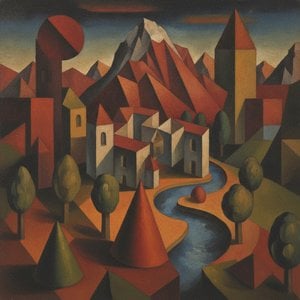
Study for The City

फ़र्नांद लेगर (1881-1955) एक फ्रांसीसी चित्रकार थे जिन्होंने क्यूबिज्म और 'ट्यूबिज्म' में अद्वितीय योगदान दिया। उनकी आधुनिक जीवन, मशीनरी और मानव रूप को दर्शाने वाली बोल्ड पेंटिंग पॉप आर्ट के अग्रदूत माने जाते हैं।

गिक्ली / आर्ट प्रिंट

तेज़ उत्पादन और विभिन्न फिनिश विकल्पों के साथ म्यूजियम-क्वालिटी गिकली (giclée) या कैनवस प्रिंट। ( हाथ से बनी पेंटिंग खरीदें डिजिटल इमेज पर जाएँ)

Corner sample of the P118B picture frame: मोल्डेड पॉलीस्टायरीन, 5 cm wide and 3 cm thick
P118B ₹10
Corner sample of the P118H picture frame: मोल्डेड पॉलीस्टायरीन, 5 cm wide and 3 cm thick
P118H ₹10
Corner sample of the P118W picture frame: मोल्डेड पॉलीस्टायरीन, 5 cm wide and 3 cm thick
P118W ₹10
Corner sample of the P438Z picture frame: मोल्डेड पॉलीस्टायरीन, 5.5 cm wide and 3.5 cm thick
P438Z ₹10
Corner sample of the P508JH picture frame: मोल्डेड पॉलीस्टायरीन, 7 cm wide and 3.5 cm thick
P508JH ₹12
Corner sample of the P508YH picture frame: मोल्डेड पॉलीस्टायरीन, 7 cm wide and 3.5 cm thick
P508YH ₹12
Corner sample of the P805H picture frame: मोल्डेड पॉलीस्टायरीन, 5 cm wide and 3.5 cm thick
P805H ₹10
Corner sample of the P805Z picture frame: मोल्डेड पॉलीस्टायरीन, 5 cm wide and 3.5 cm thick
P805Z ₹10
Corner sample of the P919BZ picture frame: मोल्डेड पॉलीस्टायरीन, 7 cm wide and 3.5 cm thick
P919BZ ₹10
Corner sample of the P919G picture frame: मोल्डेड पॉलीस्टायरीन, 7 cm wide and 3.5 cm thick
P919G ₹10
Corner sample of the P919XJ picture frame: मोल्डेड पॉलीस्टायरीन, 7 cm wide and 3.5 cm thick
P919XJ ₹10
Corner sample of the P959ZH picture frame: मोल्डेड पॉलीस्टायरीन, 5 cm wide and 3 cm thick
P959ZH ₹10
Corner sample of the P968JZ picture frame: मोल्डेड पॉलीस्टायरीन, 6 cm wide and 4 cm thick
P968JZ ₹12
Corner sample of the W106C picture frame: ठोस लकड़ी, 5 cm wide and 3 cm thick
W106C ₹8
Corner sample of the W218G picture frame: ठोस लकड़ी, 5 cm wide and 3 cm thick
W218G ₹10
Corner sample of the W218JH picture frame: ठोस लकड़ी, 5 cm wide and 3 cm thick
W218JH ₹8
Corner sample of the W218Y picture frame: ठोस लकड़ी, 5 cm wide and 3 cm thick
W218Y ₹10
Corner sample of the W307PJ picture frame: ठोस लकड़ी, 6 cm wide and 3 cm thick
W307PJ ₹10
Corner sample of the W316G picture frame: ठोस लकड़ी, 6 cm wide and 3 cm thick
W316G ₹10
Corner sample of the W316PJ picture frame: ठोस लकड़ी, 6 cm wide and 3 cm thick
W316PJ ₹8
Corner sample of the W316Y picture frame: ठोस लकड़ी, 6 cm wide and 3 cm thick
W316Y ₹10
Corner sample of the W398PJ picture frame: ठोस लकड़ी, 5 cm wide and 3 cm thick
W398PJ ₹8
Corner sample of the W4111J picture frame: ठोस लकड़ी, 6.5 cm wide and 3.5 cm thick
W4111J ₹10
Corner sample of the W500HY picture frame: ठोस लकड़ी, 7 cm wide and 5 cm thick
W500HY ₹15
Corner sample of the W500JH picture frame: ठोस लकड़ी, 7 cm wide and 5 cm thick
W500JH ₹15
Corner sample of the W692G picture frame: ठोस लकड़ी, 8 cm wide and 4 cm thick
W692G ₹12
Corner sample of the W849H picture frame: ठोस लकड़ी, 5 cm wide and 3 cm thick
W849H ₹8
Corner sample of the W940BG picture frame: ठोस लकड़ी, 7.5 cm wide and 4.5 cm thick
W940BG ₹15
Corner sample of the W953PJ picture frame: ठोस लकड़ी, 6 cm wide and 3.5 cm thick
W953PJ ₹8

मानक आकार
अनुकूलित
CM
INCH

कलाकृति के मूल अनुपात से मेल खाने वाले हमारे पूर्व निर्धारित आकारों में से चुनें।

चौड़ाई
ऊँचाई

आप किसी विशिष्ट फ्रेम या स्थान के अनुसार अपने स्वयं के आयाम (dimensions) दर्ज कर सकते हैं। यदि आपके द्वारा चुना गया आकार मूल छवि के अनुपात से मेल नहीं खाता है, तो हम कलाकृति को क्रॉप कर देंगे या मिरर किए गए या सॉलिड-फिल किनारे के साथ छवि का विस्तार करेंगे। उत्पादन शुरू होने से पहले आपकी स्वीकृति के लिए एक डिजिटल मॉकअप भेजा जाएगा।
कृपया ध्यान दें कि स्क्रीन पर दिखने वाला प्रीव्यू वास्तविक क्रॉपिंग या विस्तार को नहीं दर्शाता है। केवल मॉकअप ही अंतिम संरचना को सटीक रूप से दिखाएगा।
हालाँकि कस्टम आकार उपलब्ध हैं, फिर भी हम मूल अनुपात बनाए रखने के लिए पूर्व-निर्धारित सूची में से एक आयाम चुनने की सलाह देते हैं।

विश्वव्यापी डिलीवरी (), मानक 4/5 सप्ताह के बजाय मात्र 2 सप्ताह में। (13 अक्टूबर)

दुनिया भर में मुफ़्त एक्सप्रेस शिपिंग
प्रीमियम ग्रेड लिनेन कैनवास
पूर्ण शिपिंग बीमा
सीमा शुल्क और आयात कर वापसी की गारंटी
सटीक रंग मिलान की गारंटी
100 दिनों की वापसी नीति (केवल निर्माण दोष होने पर)
100% पैसे वापसी की गारंटी
थोक छूट का अवसर

कुल कीमत

₹ 6504

Study for The City

गिक्ली / आर्ट प्रिंट

प्रतिकृति का आकार

-

कुल मूल्य

₹ 6504

मुख्य विवरण

  • Title: The Observatory, study for The City
  • Year: 1917
  • Movement: Cubism
  • Influences:
    • Georges Braque
    • Pablo Picasso
  • Notable elements or techniques: Geometric abstraction; Bold lines; Mechanical forms
  • Artist: Fernand Léger

कला प्रश्नोत्तरी

प्रत्येक प्रश्न का केवल एक ही सही उत्तर है।

प्रश्न 1:
What artistic movement is Fernand Léger’s "The Observatory, study for the City" primarily associated with?
प्रश्न 2:
The image description mentions a prominent clock on one of the buildings. What does this detail suggest about Léger’s artistic intention?
प्रश्न 3:
Fernand Léger's background in architecture influenced his approach to painting. How did this influence manifest itself?
प्रश्न 4:
The image description describes the cityscape as ‘dynamic and bustling.’ Which artistic technique best reflects this impression?
प्रश्न 5:
Considering Léger’s broader artistic vision, what was his aim in integrating modernity into his artwork?

A Vision of Industrial Harmony: Exploring Fernand Léger’s “The Observatory, Study for The City”

Fernand Léger's "The Observatory, study for The City" isn’t merely a depiction of urban life; it’s a manifesto of artistic ambition—a bold declaration that Cubism could embrace the burgeoning dynamism of the machine age without sacrificing its fundamental geometric principles. Executed around 1912 during Léger’s formative years in Paris, this preparatory sketch anticipates the stylistic breakthroughs that would solidify his reputation as one of the most influential figures in early twentieth-century art. Unlike many artists preoccupied with capturing fleeting impressions or emotional nuances, Léger sought to distill complex realities into simplified forms—a deliberate strategy rooted in his fascination with industrial structures and their inherent visual logic.
  • Subject Matter: The sketch portrays a cityscape dominated by towering buildings rendered in fractured planes of geometric shapes – cubes, cylinders, and pyramids – reflecting Léger’s preoccupation with the mechanized world. A solitary figure walks along the street, emphasizing human presence amidst the overwhelming scale of industrial architecture.
  • Style & Technique: Léger's approach aligns perfectly with Cubism’s core tenets, pioneered by Picasso and Braque. However, this study distinguishes itself through Léger’s masterful use of hatching and cross-hatching to convey texture and depth—a technique he would refine in his larger canvases. The artist meticulously builds up tonal variations using short, angular strokes, creating a palpable sense of movement and solidity.
  • Historical Context: Léger emerged during the crucible of artistic experimentation following World War I, when artists wrestled with how to represent the trauma and upheaval of the era while simultaneously embracing technological progress. The sketch embodies this spirit of innovation—a refusal to succumb to sentimentalism or decorative conventions in favor of a rigorously analytical gaze.
  • Symbolism & Emotion: While devoid of overt emotional expression, “The Observatory” speaks volumes about Léger’s worldview. The geometric forms symbolize order and rationality – an antidote to the perceived chaos of modern life—yet they are juxtaposed with the human figure, reminding us that even in a mechanized world, humanity retains its essential role.

Beyond Representation: Léger's Geometric Exploration

Léger’s artistic philosophy extended far beyond mere stylistic imitation; it represented a profound reconsideration of how art could engage with reality. Influenced by Constructivism and Futurism—movements that championed industrial aesthetics and celebrated speed—he rejected traditional illusionistic painting in favor of abstraction as a means of conveying ideas and emotions directly. This commitment to geometric simplification wasn’t simply an aesthetic preference; it was a deliberate attempt to capture the essence of the machine age – its repetitive rhythms, its monumental scale, and its underlying structural unity.
  • Influence & Legacy: Léger's pioneering use of geometric abstraction profoundly impacted subsequent generations of artists, paving the way for movements like Pop Art and Minimalism. His unwavering belief in the power of form to communicate ideas continues to inspire contemporary creatives today.
  • Notable Works: Léger’s oeuvre encompasses monumental murals celebrating industrial progress alongside smaller canvases exploring themes of human existence and spirituality—demonstrating his versatility as an artist and his enduring fascination with reconciling opposing forces.

A Window Into Modernity: Reproductions & Inspiration

Today, reproductions of “The Observatory, study for The City” offer a captivating glimpse into Léger’s visionary aesthetic – a testament to the transformative potential of art when liberated from conventional constraints. Imagine incorporating this striking geometric sketch into your interior design scheme—a bold statement against the backdrop of neutral tones and organic textures. Explore high-quality prints at WahooArt.com, bringing Léger's groundbreaking vision home and enriching your appreciation for modernist art history. Let “The Observatory” serve as a reminder that beauty can be found in unexpected places – even within the framework of industrial precision.

प्रश्न और उत्तर

"Study for The City" किस रंग योजना और किस भावना का मेल है?

"Study for The City" में, Neutrals रंग एक Dramatic अहसास के साथ मिलकर उभरते हैं।

फर्मान लेजर द्वारा "Study for The City" के प्रिंट के लिए किस आकार और ओरिएंटेशन (orientation) की सिफारिश की जाती है?

Large आकार, Portrait ओरिएंटेशन: यह फर्मान लेजर द्वारा "Study for The City" के लिए सुझाई गई प्रिंट सेटिंग है।

मैं फर्मान लेजर द्वारा "Study for The City" को स्लाइडशो के रूप में कैसे देख सकता हूँ?

फर्मान लेजर द्वारा "Study for The City" को कलाकृति के स्लाइडशो पृष्ठ पर स्लाइडशो के रूप में देखा जा सकता है।

फर्मान लेजर द्वारा "Study for The City" में किस रंग योजना (color palette) का उपयोग किया गया है?

"Study for The City" के रंग एक Neutrals पैलेट बनाते हैं। यह वर्गीकरण प्रमुख रंग परिवारों का वर्णन करता है।

फर्मान लेजर द्वारा "Study for The City" का भाव कैसा वर्णित है?

"Study for The City" का वातावरण Industrial है।

फर्मान लेजर द्वारा "Study for The City" के रंगों के साथ कौन सा स्थान मेल खाता है?

अपने Neutrals पैलेट के साथ, फर्मान लेजर द्वारा "Study for The City" को Living Room के लिए अनुशंसित किया जाता है। इसके रंगों का चुनाव ही इस सुझाव का एक मुख्य कारण है।

क्या मैं "Study for The City" का अधिक विस्तार से निरीक्षण कर सकता हूँ?

फर्मान लेजर द्वारा "Study for The City" का एक्स-रे दृश्य कलाकृति के एक्स-रे पृष्ठ पर उपलब्ध है: ग्यारह ऑप्टिकल परतों के माध्यम से छवि का एक संवादात्मक परीक्षण।

क्या फर्मान लेजर द्वारा "Study for The City" एक पोर्ट्रेट, लैंडस्केप या वर्गाकार रचना है?

"Study for The City" का प्रारूप Portrait है। यह तब उपयोगी होता है जब आप यह योजना बना रहे हों कि पुनरुत्पादन (reproduction) कहाँ रखा जाएगा।


कलाकार का परिचय

फ़र्नांद लेजर: आधुनिकता के चित्रकार

फ़र्नांद लेजर, जिनका जन्म 1881 में अर्जेंटीना, नॉर्मंडी में हुआ था, आधुनिक कला के इतिहास में एक महत्वपूर्ण नाम हैं। उनकी यात्रा ग्रामीण इलाकों से लेकर पेरिस के अत्याधुनिक कला जगत तक फैली हुई है, जो दृढ़ संकल्प और मशीन युग की आत्मा को पकड़ने की अथक खोज का प्रमाण है। जहाँ कई समकालीन कलाकारों ने प्रतिनिधित्व से दूर जाने के लिए अमूर्तता को अपनाया, लेजर ने आधुनिकता – इसकी गतिशीलता, यांत्रिक रूपों और सार – को एक नई दृश्य भाषा में एकीकृत करने की कोशिश की जो शक्तिशाली रूप से अमूर्त होने के साथ-साथ देखने योग्य दुनिया में गहराई से निहित भी थी। कृषि श्रम के गहन शारीरिक अनुभव से लेकर औद्योगिक भविष्य के प्रति उनके जुनून तक, लेजर का जीवन कलात्मक परिवर्तन का एक आकर्षक चित्रण है। उन्होंने वास्तुकला में प्रशिक्षण शुरू किया, लेकिन जल्द ही चित्रकला की ओर आकर्षित हो गए, पेरिस में खुद को स्थापित करते हुए और अपने कौशल को निखारते हुए। पॉल सेज़ेन के काम से उनका सामना एक निर्णायक क्षण था, जिसने उन्हें पारंपरिक प्रतिनिधित्व से मुक्त कर दिया और उन्हें अधिक ज्यामितीय और संरचनात्मक दृष्टिकोण की ओर धकेला।

ट्यूबिज़्म का जन्म और स्वर्ण खंड

सेज़ेन के प्रभाव ने लेजर को रूपों को विघटित करने, उनके अंतर्निहित ढांचे का विश्लेषण करने और उन्हें कैनवास पर फिर से बनाने के लिए प्रेरित किया, जिससे ठोसता और मात्रा पर जोर दिया गया। यह खोज उन्हें क्यूबिज्म की दुनिया में ले गई, लेकिन लेजर केवल पिकासो या ब्राक की शैलियों की नकल करने से संतुष्ट नहीं थे। उन्होंने अपना एक विशिष्ट मुहावरा विकसित किया – क्यूबिज्म का एक व्यक्तिगत रूप जिसे आलोचकों ने चंचल रूप से "ट्यूबिज़्म" करार दिया। बेलनाकार रूपों, सपाट प्लेन और बोल्ड रंग कंट्रास्ट द्वारा चिह्नित, ट्यूबिज़्म ने व्यापक कलात्मक चिंता बनने से पहले ही मशीन सौंदर्यशास्त्र का जश्न मनाया। यह औद्योगिक दुनिया को देखकर पैदा हुई एक कला थी, जो इसके कार्यात्मक आकृतियों और यांत्रिक लय में सुंदरता को पहचानती है। इस अवधि के दौरान, लेजर सक्रिय रूप से अत्याधुनिक दृश्य में भाग लेते थे, जीन मेटज़िंगर, हेनरी लाउरेन्सिस, जैक्स लिप्सिट्ज़, चाएम सूटीन, रॉबर्ट डेलाने और लेखकों गुस्तावो अपोलिनेयर, मैक्स जैकब, मॉरिस रेनाल और ब्लेज़ सेंडर्स जैसे कलाकारों के साथ जुड़ते थे। उन्होंने स्वर्ण खंड (गोल्डन सेक्शन) नामक पुटॉउ समूह में भी भाग लिया, जहाँ कलाकार सद्भाव और अनुपात की गणितीय सिद्धांतों का पता लगाते थे।

युद्ध, यांत्रिकी और एक नई सौंदर्यशास्त्र

प्रथम विश्व युद्ध का लेजर के जीवन और कार्य पर गहरा प्रभाव पड़ा। 1914 से 1916 तक मोर्चे पर सेवा करने से उन्हें आधुनिक युद्ध की क्रूर वास्तविकताओं – तोपखाने की बमबारी, हवाई लड़ाई और मशीनीकृत संघर्ष के अमानवीय प्रभावों का पता चला। इस अनुभव ने मोहभंग या आधुनिकता के अस्वीकरण को जन्म नहीं दिया; इसके बजाय, इसने मशीनों और उनकी शक्ति में उनकी रुचि को मजबूत किया। उनके द्वारा बनाई गई स्केच सैन्य प्रौद्योगिकी की कठोर सुंदरता को दर्शाती हैं, विनाश के उपकरणों को कलात्मक चिंतन के विषयों में बदल देती हैं। नागरिक जीवन में लौटने पर, लेजर का सौंदर्यशास्त्र और विकसित हुआ। उनके चित्रों ने औद्योगिक दुनिया की गतिशीलता और दक्षता का जश्न मनाते हुए अधिक सुव्यवस्थित, यांत्रिक संवेदनशीलता को प्रतिबिंबित करना शुरू कर दिया। *सैनिक एक पाइप के साथ* (1916) इस बदलाव को दर्शाता है, सरलीकृत रूपों और बोल्ड रंगों को प्रदर्शित करता है जो यांत्रिक परिशुद्धता की भावना पैदा करते हैं। यह सिर्फ एक सौंदर्य पसंद नहीं थी; यह एक दार्शनिक बयान था – प्रगति और नवीनीकरण की आधुनिकता की क्षमता की पुष्टि, यहां तक कि विनाशकारी संघर्ष के बीच भी।

विरासत और स्थायी प्रभाव

अपने युद्ध के बाद के वर्षों में, लेजर ने कला और उद्योग के चौराहे का पता लगाना जारी रखा, ऐसे काम बनाए जो अमूर्तता और चित्रात्मकता के अनूठे मिश्रण के साथ आधुनिक जीवन का जश्न मनाते थे। उनकी *एनिमेटेड लैंडस्केप्स* श्रृंखला (1921) ने आंकड़ों और जानवरों को सुव्यवस्थित रचनाओं में निर्बाध रूप से एकीकृत किया, कार्बनिक और अकार्बनिक रूपों के बीच की सीमाओं को धुंधला कर दिया। उन्होंने मूर्तिकला और फिल्म निर्माण के साथ भी प्रयोग किया, अपनी कलात्मक प्रथा को पारंपरिक पेंटिंग की सीमाओं से परे बढ़ाया। लेजर का बाद की पीढ़ियों के कलाकारों पर प्रभाव निर्विवाद है। उनके रूपों का बोल्ड सरलीकरण, औद्योगिक कल्पना को अपनाना और लोकप्रिय संस्कृति का जश्न मनाना पॉप आर्ट के उद्भव से पहले ही हुआ था। रॉय लाइचेनस्टीन और एंडी वारहोल जैसे कलाकारों ने स्पष्ट रूप से लेजर के अग्रणी कार्य के प्रति ऋण व्यक्त किया है। उन्होंने अमूर्त कला और चित्रात्मक प्रतिनिधित्व के बीच की खाई को पाटने में महत्वपूर्ण भूमिका निभाई, यह प्रदर्शित करते हुए कि बौद्धिक रूप से कठोर और नेत्रहीन आकर्षक दोनों तरह के काम बनाना संभव है। आज, फ़र्नांद लेजर के चित्रों को दुनिया भर के प्रमुख संग्रहालयों में रखा गया है, जिसमें फ्रांस के म्यूज़ डी आर्ट एट डी'हिस्टोइर और विशेष रूप से उनके कार्य को समर्पित म्यूज़ नेशनल फ़र्नांद लेजर शामिल हैं। वह 20वीं सदी की कला के एक महान व्यक्ति बने हुए हैं – एक दूरदर्शी जिसने विनाशकारी संघर्ष के बीच भी मशीन युग में सुंदरता खोजने का साहस किया और इसे अद्वितीय बोल्डनेस और मौलिकता के साथ कैनवास पर अनुवादित किया। उनकी विरासत केवल एक चित्रकार के रूप में ही नहीं, बल्कि आधुनिकता के एक भविष्यवक्ता के रूप में है। एक सच्चा अग्रणी जिसका काम आज भी दर्शकों को प्रेरित करता रहता है।

फर्मान लेजर

फर्मान लेजर

1881 - 1955 , फ्रांस

संक्षिप्त जानकारी

  • Artistic Movement Or Style: घनवाद, ट्यूबिज्म
  • Artists Or Movements Influenced By This Artist: ['पॉप आर्ट']
  • Artists Who Influenced This Artist: ['पॉल सेज़ान']
  • Date Of Birth: 4 फ़रवरी 1881
  • Date Of Death: 17 अगस्त 1955
  • Full Name: फ़र्नांद लेजर
  • Nationality: फ्रांसीसी
  • Notable Artworks:
    • द सitted वुमन
    • मशीन एलिमेंट
    • द ग्रेट परेड
    • द सिटी
  • Place Of Birth: अर्जेंटन, फ़्रांस
विषयों, शैलियों और विशेषताओं के आधार पर व्यवस्थित कलाकृतियों का अन्वेषण करें।