x
पूर्वावलोकन देखेंपूर्वावलोकन देखें AR में देखेंAR में देखें हाथ से बनी पेंटिंग खरीदें हाथ से बनी पेंटिंग खरीदेंछवि खरीदें छवि खरीदें साझा करेंसाझा करें
विस्तृत विवरणविस्तृत विवरण पसंदीदा में जोड़ें पसंदीदा में जोड़ें डाउनलोड करेंडाउनलोड करें समान कलाकृतियाँसमान कलाकृतियाँ एक्स-रेएक्स-रे स्लाइड शो देखेंस्लाइड शो देखें

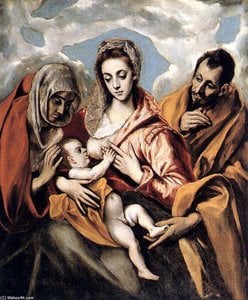
Antonio de Covarrubias

Experience El Greco's 'Portrait of Antonio de Covarrubias,' a dramatic Mannerist masterpiece capturing the wisdom and contemplation of a prominent Toledo jurist. Explore its rich details & historical context.

क्रेते ग्रीस एल ग्रेको डोमेनिकोस दियोतोकोपूलोस, dominikos theotokopoulos एल ग्रेको, स्पेनिश पुनर्जागरण के एक महान चित्रकार! उनकी लम्बी आकृतियों, धार्मिक दृश्यों और भावपूर्ण कला ने अभिव्यक्तिवाद और घनत्ववाद को प्रेरित किया। 'द बरियल ऑफ द काउंट ऑफ ऑर्गज' देखें! मैनरिज़्म, बारोक अभिव्यक्तिवाद टिटियन 1541 1614 डोमेनिकोस दियोतोकोपूलोस ग्रीक-स्पेनिश द बरियल ऑफ द काउंट ऑफ ऑर्गज स्पेन 3 एल

गिक्ली / आर्ट प्रिंट

तेज़ उत्पादन और विभिन्न फिनिश विकल्पों के साथ म्यूजियम-क्वालिटी गिकली (giclée) या कैनवस प्रिंट। (हाथ से बनी पेंटिंग खरीदें हाथ से बनी पेंटिंग खरीदेंछवि खरीदें छवि खरीदें)

P118B $10
P118H $10
P118W $10
P438Z $10
P508JH $12
P508YH $12
P805H $10
P805Z $10
P919BZ $10
P919G $10
P919XJ $10
P959ZH $10
P968JZ $12
W106C $8
W218G $10
W218JH $8
W218Y $10
W307PJ $10
W316G $10
W316PJ $8
W316Y $10
W398PJ $8
W4111J $10
W500HY $15
W500JH $15
W692G $12
W849H $8
W940BG $15
W953PJ $8

मानक
कस्टम
CM
INCH

कलाकृति के मूल अनुपात से मेल खाने वाले हमारे पूर्व निर्धारित आकारों में से चुनें।

चौड़ाई
ऊँचाई

आप किसी विशिष्ट फ्रेम या स्थान के अनुसार अपने स्वयं के आयाम (dimensions) दर्ज कर सकते हैं। यदि आपके द्वारा चुना गया आकार मूल छवि के अनुपात से मेल नहीं खाता है, तो हम कलाकृति को क्रॉप कर देंगे या मिरर किए गए या सॉलिड-फिल किनारे के साथ छवि का विस्तार करेंगे। उत्पादन शुरू होने से पहले आपकी स्वीकृति के लिए एक डिजिटल मॉकअप भेजा जाएगा।
कृपया ध्यान दें कि स्क्रीन पर दिखने वाला प्रीव्यू वास्तविक क्रॉपिंग या विस्तार को नहीं दर्शाता है। केवल मॉकअप ही अंतिम संरचना को सटीक रूप से दिखाएगा।
हालाँकि कस्टम आकार उपलब्ध हैं, फिर भी हम मूल अनुपात बनाए रखने के लिए पूर्व-निर्धारित सूची में से एक आयाम चुनने की सलाह देते हैं।

विश्वव्यापी डिलीवरी (), मानक 4/5 सप्ताह के बजाय मात्र 2 सप्ताह में। (6 सितमबर)

why_choose_icon
दुनिया भर में मुफ़्त एक्सप्रेस शिपिंग
why_choose_icon
उच्च गुणवत्ता वाला लिनेन कैनवास
why_choose_icon
पूर्ण शिपिंग बीमा
why_choose_icon
सीमा शुल्क और आयात कर वापसी की गारंटी
why_choose_icon
सटीक रंग मिलान की गारंटी
why_choose_icon
60-दिन की वापसी नीति (केवल दोषों के लिए)
why_choose_icon
100% पैसे वापसी की गारंटी
why_choose_icon
थोक छूट का लाभ

कुल कीमत

$ 68

reproduction

Antonio de Covarrubias

गिक्ली / आर्ट प्रिंट

प्रतिकृति का आकार

-

कुल देय राशि

$ 68

प्रमुख विशेषताएँ

  • Medium: Oil on canvas
  • Influences:
    • Venetian art
    • Byzantine
  • Subject or theme: Portrait of a Jurist
  • Movement: Mannerism
  • Notable elements: Dramatic lighting, Elongated figures
  • Artist: El Greco
  • Dimensions: 67.5 x 57.5 cm

कला प्रश्नोत्तरी

प्रत्येक प्रश्न का केवल एक ही सही उत्तर है।

प्रश्न 1:
What artistic movement is most closely associated with El Greco’s style as depicted in the ‘Portrait of Antonio de Covarrubias’?
प्रश्न 2:
The background of the painting features a view of which Spanish city?
प्रश्न 3:
What is the primary material used in creating ‘Portrait of Antonio de Covarrubias’?
प्रश्न 4:
Which of the following best describes El Greco's use of lighting in this portrait?
प्रश्न 5:
According to the description, what is a key characteristic of Antonio de Covarrubias’s expression in the portrait?

Antonio de Covarrubias by El Greco: A Portrait of Quiet Contemplation

Doménikos Theotokópoulos, universally known as El Greco – “the Greek” – stands as one of the most enigmatic and profoundly influential figures in art history. Born on the island of Crete in 1541, his artistic journey took him through Venice and Rome before ultimately finding its resonant expression within the spiritual landscape of Toledo, Spain. Far from simply absorbing regional styles, El Greco synthesized their diverse influences into a strikingly individual aesthetic – a style that presages the emotional intensity of Expressionism and the fragmented forms of Cubism, centuries ahead of his time. His early training in the Byzantine tradition instilled an unwavering attention to detail and a deep understanding of religious iconography, yet this foundation wouldn’t confine him; he embraced new territories with audacious creativity. His signature, often rendered in Greek letters alongside “Krḗs” – “Cretan” – proudly declared his origins, even as he ventured into uncharted artistic realms. The seeds of El Greco's distinctive style were sown during his formative years, a complex blend of tradition and innovation that would define his legacy.

A Study in Shadow and Light: Deconstructing the Portrait

The “Portrait of Antonio de Covarrubias,” painted between 1595 and 1600, offers a compelling glimpse into El Greco’s masterful technique and profound understanding of human psychology. The painting depicts a bust portrait of Antonio de Covarrubias y Leiva, a prominent jurist, professor, and councilor in Toledo – a man whose life was marked by intellectual pursuits and quiet contemplation. El Greco eschews the conventional formality often associated with portraits of this era, instead presenting a figure imbued with an almost palpable sense of inner stillness. The composition is centered around the subject’s face and upper torso, framed against a muted, brownish-grey background that subtly suggests depth without distracting from the central focus. El Greco employs loose brushstrokes and expressive lines to define Covarrubias' features – elongated proportions, a slightly tilted head, and a gaze directed directly at the viewer, creating an immediate and engaging connection. The color palette is dominated by dark tones: deep browns, blacks, and greys punctuated by subtle highlights of white on the collar and beard. This chiaroscuro effect—a dramatic interplay of light and shadow—not only sculpts the form but also imbues the portrait with a sense of solemnity and introspection.

The Language of Mannerism and Baroque Influence

El Greco’s style is firmly rooted in Mannerism, an artistic movement that flourished during the High Renaissance, characterized by elongated proportions, stylized figures, and heightened emotional expression. However, his work also anticipates elements of the emerging Baroque style – a dynamic use of light, dramatic gestures, and a focus on intense emotion. Notice how El Greco deliberately distorts perspective, creating a sense of spatial ambiguity and drawing attention to the subject’s face. The texture is achieved through layered paint application, with visible brushstrokes that add a tactile quality to the portrait. The lack of sharp edges contributes to the painting's overall emotional intensity, conveying a feeling of vulnerability and quiet contemplation. This masterful manipulation of form and color speaks volumes about El Greco’s artistic genius – his ability to capture not just a likeness but also the very essence of his subject.

Symbolism and Historical Context: A Toledo Portrait

The “Portrait of Antonio de Covarrubias” is more than simply a representation of an individual; it's a window into the intellectual and cultural landscape of 16th-century Toledo. Covarrubias, a respected jurist and scholar, represents the flourishing of humanist thought in Spain during this period. His serious expression and contemplative gaze suggest a mind deeply engaged with philosophical and legal matters. The dark clothing he wears—a symbol of formality and status—underscores his position within Toledo’s civic elite. Interestingly, El Greco painted two portraits of Covarrubias: one residing in the Louvre in Paris, and another held by the Museo del Greco in Toledo. This suggests a close personal relationship between the artist and his subject, perhaps fueled by their shared interest in Greek philosophy and literature. The background, reminiscent of Toledo’s architecture, subtly reinforces the portrait's connection to its place of origin. The inclusion of the unfinished figure on the right, possibly representing another clergyman, adds an element of mystery and invites speculation about the social dynamics of the time.

A Legacy of Emotion: El Greco’s Enduring Impact

El Greco’s “Portrait of Antonio de Covarrubias” stands as a testament to his unique artistic vision – a synthesis of Byzantine tradition, Italian Mannerism, and Spanish Baroque influences. It is a portrait that transcends mere likeness, capturing not only the physical appearance of its subject but also his inner world—his thoughts, emotions, and perhaps even his solitude. El Greco’s dramatic use of light, shadow, and elongated forms continues to resonate with viewers today, reminding us of the power of art to evoke profound emotional responses. The painting serves as a poignant reminder of El Greco's ability to transform ordinary subjects into extraordinary works of art, solidifying his place as one of the most compelling and enduring figures in Western art history.

कलाकार का जीवन परिचय

डोमेनिकोस थेओतोकोपोलोस, जिसे एल ग्रेको के नाम से जाना जाता है: एक अद्वितीय कलाकार का जीवन

डोमेनिकोस थेओतोकोपोलोस, जिन्हें दुनिया एल ग्रेको – “ग्रीक” के रूप में जानती है, एक चित्रकार थे जिनका जीवन और कार्य आसानी से वर्गीकृत नहीं किया जा सकता था। 1541 में क्रेते द्वीप पर जन्मे, जो उस समय वेनिस गणराज्य के अधीन था, उनकी कलात्मक यात्रा ने उन्हें वेनिस और रोम से गुजार दिया, इससे पहले कि उन्होंने अपनी अंतिम अभिव्यक्ति स्पेन के आध्यात्मिक हृदय, टोलेडो में पाई। एल ग्रेको केवल इन स्थानों का उत्पाद नहीं थे; उन्होंने अपने प्रभावों को कुछ पूरी तरह से अद्वितीय में संश्लेषित किया, एक शैली जिसने सदियों बाद अभिव्यक्तिवाद की भावनात्मक तीव्रता और क्यूबिज्म के खंडित रूपों का अनुमान लगाया। उनके प्रारंभिक प्रशिक्षण ने उन्हें बीजान्टिन परंपरा के भीतर एक सटीक ध्यान विस्तार और धार्मिक प्रतीकवाद की गहरी समझ प्रदान की। यह नींव उन्हें सीमित नहीं करेगी। उन्होंने अपनी कृतियों पर ग्रीक में हस्ताक्षर किए, अक्सर अपने मूल के प्रति गर्व के प्रदर्शन के रूप में "Krḗs" - क्रेतेन शब्द जोड़ा, भले ही उन्होंने कलात्मक क्षेत्रों में नए उद्यमों का प्रयास किया हो। उनकी विशिष्ट शैली के बीज न केवल तकनीक में बल्कि उनके मातृभूमि के उत्साही धार्मिक जलवायु और वेनिस की कला के समृद्ध टेपेस्ट्री में भी बोए गए थे।

वेनिस से टोलेडो: एक परिवर्तन

1567 के आसपास वेनिस जाना एक महत्वपूर्ण क्षण था। जीवंत कलात्मक दृश्य में डूबे हुए, एल ग्रेको ने टाइटियन, टिंटोरेटो और वेरोनेसे जैसे मास्टर्स का अध्ययन किया - रंग, रचना और नाटकीय प्रकाश व्यवस्था की उनकी महारत को अवशोषित किया। उन्होंने अपने ब्रशवर्क को ढीला करना सीखा, तेल के रंगों की कामुकता को गले लगाना और नए जोश के साथ आंकड़ों को चित्रित करना सीखा। वेनिस प्रभाव उनके शुरुआती कार्यों में दिखाई देता है, जैसे *सेंट सेबेस्टियन* (1600), जहां शारीरिक विवरण सहजता से नाटकीय प्रकाश और छाया के लगभग रंगमंच उपयोग के साथ मिश्रित होते हैं। रोम में एक बाद की यात्रा ने उन्हें मैनरिज्म के संपर्क में लाया, जो लम्बे रूपों, विकृत दृष्टिकोणों और परिष्कृत रचनाओं द्वारा चिह्नित एक शैली है। हालाँकि उन्होंने पर्याप्त प्रतिभा का प्रदर्शन किया, एल ग्रेको को प्रतिस्पर्धी रोमन कला जगत में व्यापक मान्यता प्राप्त करने में कठिनाई हुई। टोलेडो में 1577 में उनका स्थानांतरण अंततः उनकी अद्वितीय दृष्टि के फलने-फूलने की अनुमति देने वाला था। शहर, काउंटर-रिफॉर्मेशन के दौरान धार्मिक उत्साह का केंद्र होने के कारण, न केवल संरक्षण प्रदान करता है बल्कि उसकी गहन आध्यात्मिक चित्रों के लिए अनुकूल माहौल भी बनाता है।

एक अनूठी शैली

एल ग्रेको की कलात्मक शैली तुरंत पहचानने योग्य है - और पूरी तरह से मनोरम। उनके आंकड़े अक्सर नाटकीय रूप से लम्बे होते हैं, उनके शरीर आध्यात्मिक आनंद या गहरे दुःख की भावना को व्यक्त करने वाले मुद्राओं में खिंचते और विकृत होते हैं। यह केवल शैलीगत दिखावा नहीं है; यह अदृश्य, भावनात्मक और आध्यात्मिक वास्तविकताओं को चित्रित करने का एक प्रयास है जो चीजों की सतह के परे स्थित हैं। उन्होंने रंग का कुशलता से उपयोग किया - जरूरी नहीं कि यथार्थवादी रंग, बल्कि जीवंत, अक्सर अस्वाभाविक रंग - अपने काम के भावनात्मक प्रभाव को बढ़ाने के लिए। नाटकीय प्रकाश व्यवस्था, प्रकाश और छाया के बीच तेज कंट्रास्ट के साथ, एक रंगमंच प्रभाव पैदा करता है, दर्शक को दृश्य के दिल में खींचता है। द बरियल ऑफ द काउंट ऑफ ऑर्गज (1586-1588), को उनकी उत्कृष्ट कृति माना जाता है, इन गुणों का पूरी तरह से उदाहरण देता है। पेंटिंग एक चमत्कारी घटना को दर्शाती है - पुण्यपूर्ण व्यक्ति को दफनाने के लिए संतों का वंश - समकालीन आंकड़ों के चित्रण में उल्लेखनीय यथार्थवाद के साथ दिव्य हस्तक्षेप का प्रतिनिधित्व करने वाले ईथर, लम्बे रूपों के विपरीत। उन्होंने बीजान्टिन परंपराओं को पुनर्जागरण इतालवी तकनीकों के साथ मिलाया, एक ऐसी शैली बनाई जो नवीन और गहराई से व्यक्तिगत दोनों थी। उनके बाद के कार्यों में बढ़ती रहस्यवाद देखी जा सकती है, जो उनकी स्वयं की गहरी धार्मिक मान्यताओं और पारंपरिक कलात्मक मानदंडों से बढ़ते अलगाव को दर्शाती है।

विरासत और पुन: खोज

अपने जीवनकाल के दौरान महत्वपूर्ण सफलता प्राप्त करने के बावजूद - टोलेडो में चर्चों और मठों से महत्वपूर्ण संरक्षण प्राप्त करना - एल ग्रेको का कार्य उसकी मृत्यु के बाद सापेक्ष अस्पष्टता में गिर गया। सदियों तक, उन्हें कला इतिहासकारों द्वारा बड़े पैमाने पर अनदेखा किया गया, एक सनकी या एक प्रांतीय कलाकार के रूप में खारिज कर दिया गया। 20वीं शताब्दी में ही उनकी प्रतिभा को पूरी तरह से सराहा जाने लगा। पिकासो और ब्राक जैसे कलाकारों ने उन्हें आधुनिक कला के अग्रदूत के रूप में पहचाना, उनके विकृत रूपों और अपरंपरागत दृष्टिकोण की प्रशंसा करते हुए। उनकी अभिव्यंजक शैली उन अभिव्यक्तिवादियों के साथ प्रतिध्वनित हुई जो बोल्ड रंगों और नाटकीय रचनाओं के माध्यम से भावनात्मक तीव्रता व्यक्त करना चाहते थे। आज, एल ग्रेको को पश्चिमी कला इतिहास के सबसे महत्वपूर्ण आंकड़ों में से एक के रूप में मनाया जाता है - एक दूरदर्शी चित्रकार जिनकी कृतियाँ अपनी आध्यात्मिक गहराई, भावनात्मक शक्ति और अद्वितीय कलात्मक दृष्टि के साथ दर्शकों को मोहित करती रहती हैं। उनके चित्रों का प्रतिनिधित्व केवल धार्मिक दृश्यों का नहीं है; वे आत्मा की खिड़कियां हैं, विश्वास की स्थायी शक्ति के प्रमाण और मानवीय भावना की पारगमन क्षमता का जश्न मनाते हैं।

प्रमुख कार्य

  • द बरियल ऑफ द काउंट ऑफ ऑर्गज (1586-1588): उनकी निर्विवाद उत्कृष्ट कृति, एक विशाल कार्य जो यथार्थवाद और आध्यात्मिक तीव्रता को मिलाता है।
  • व्यू ऑफ टोलेडो (1596-1600): एक नाटकीय परिदृश्य जो लगभग दूरदर्शी गुणवत्ता के साथ शहर की भावना को पकड़ते हुए, घूमती हुई, वायुमंडलीय शैली में शहर को प्रदर्शित करता है।
  • द ओपनिंग ऑफ द फिफ्थ सील (1608-1614): प्रकाशितियों की पुस्तक से प्रेरित चित्रों की एक श्रृंखला का हिस्सा, यह पेंटिंग एल ग्रेको की सर्वनाशकारी दृष्टि और नाटकीय रचना के अपने महारत का प्रतीक है।
  • सेंट सेबेस्टियन (1600): संत का एक शक्तिशाली चित्रण, जो नाटकीय प्रकाश व्यवस्था और भावनात्मक तीव्रता के साथ शारीरिक विवरण को मिलाता है।
  • एल एस्पोलियो (द डिस्रोबिंग ऑफ क्रिस्ट) (1577-1579): उनके वेनिस प्रभावों और रंग और प्रकाश के नाटकीय उपयोग को प्रदर्शित करने वाला एक प्रारंभिक कार्य।

एल ग्रेको

एल ग्रेको

1541 - 1614 , ग्रीस

मुख्य तथ्य

  • Artistic Movement Or Style: मैनरिज़्म, बारोक
  • Artists Or Movements Influenced By This Artist:
    • एक्सप्रेशनिज्म
    • क्यूबिज्म
  • Artists Who Influenced This Artist:
    • टिटियन
    • तिन्टोरेटो
  • Date Of Birth: 1 अक्टूबर 1541
  • Date Of Death: 7 अप्रैल 1614
  • Full Name: डोमेनिकोस थेओतोकोपोलोस
  • Nationality: ग्रीक-स्पेनिश
  • Notable Artworks:
    • बुरियल ऑफ़ द काउंट ऑफ़ ऑर्ग़ाज़
    • व्यू ऑफ़ टोलेडो
    • एल एस्पोलियो
    • सेंट सेबेस्टियन
  • Place Of Birth: क्रेते, ग्रीस
विषयों, शैलियों और विशेषताओं के आधार पर व्यवस्थित कलाकृतियों का अन्वेषण करें।