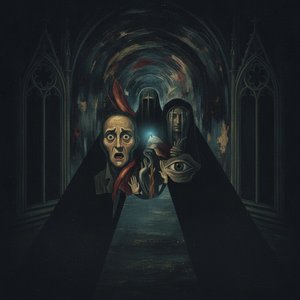
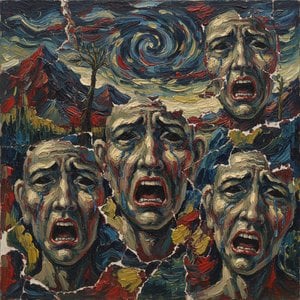
एडवर्ड मुंच द्वारा Separation (1896), एक मास्टर कलाकार द्वारा हाथ से पेंट की गई ऑयल पेंटिंग प्रतिकृति
पूर्वावलोकन देखें AR में देखें प्रिंट विकल्प पर स्विच करें डिजिटल इमेज पर स्विच करें साझा करें
विस्तृत विवरण मार्गदर्शिका पसंदीदा में जोड़ें डाउनलोड करें समान वस्तुएं एक्स-रे स्लाइड शो देखें प्रश्न और उत्तर प्रस्तुति आंकड़े

Separation हाथ से पेंट की गई ऑयल पेंटिंग प्रतिकृति

Experience Edvard Munch’s ‘Separation,’ a poignant lithograph capturing emotional distance and despair. Explore the themes of loss, longing, and the complexities of human connection through Munch’s iconic Expressionist style.

एडवर्ड मुंच (1863-1944), अभिव्यक्तिवाद के अग्रणी! 'द Scream' और चिंता, मृत्यु, प्रेम एवं मनोवैज्ञानिक विषयों को दर्शाने वाली कला का अन्वेषण करें। आधुनिक कला में एक महत्वपूर्ण नाम।

हस्तनिर्मित ऑयल रिप्रोडक्शन

आपके आकार और फ्रेम के अनुसार कैनवास पर हाथ से बनी ऑयल पेंटिंग, हमारे कलाकारों द्वारा विशेष रूप से ऑर्डर पर तैयार। ( प्रिंट विकल्प पर स्विच करें डिजिटल इमेज पर स्विच करें)

Corner sample of the P118B picture frame: मोल्डेड पॉलीस्टायरीन, 5 cm wide and 3 cm thick
P118B ₹10
Corner sample of the P118H picture frame: मोल्डेड पॉलीस्टायरीन, 5 cm wide and 3 cm thick
P118H ₹10
Corner sample of the P118W picture frame: मोल्डेड पॉलीस्टायरीन, 5 cm wide and 3 cm thick
P118W ₹10
Corner sample of the P438Z picture frame: मोल्डेड पॉलीस्टायरीन, 5.5 cm wide and 3.5 cm thick
P438Z ₹10
Corner sample of the P508JH picture frame: मोल्डेड पॉलीस्टायरीन, 7 cm wide and 3.5 cm thick
P508JH ₹12
Corner sample of the P508YH picture frame: मोल्डेड पॉलीस्टायरीन, 7 cm wide and 3.5 cm thick
P508YH ₹12
Corner sample of the P805H picture frame: मोल्डेड पॉलीस्टायरीन, 5 cm wide and 3.5 cm thick
P805H ₹10
Corner sample of the P805Z picture frame: मोल्डेड पॉलीस्टायरीन, 5 cm wide and 3.5 cm thick
P805Z ₹10
Corner sample of the P919BZ picture frame: मोल्डेड पॉलीस्टायरीन, 7 cm wide and 3.5 cm thick
P919BZ ₹10
Corner sample of the P919G picture frame: मोल्डेड पॉलीस्टायरीन, 7 cm wide and 3.5 cm thick
P919G ₹10
Corner sample of the P919XJ picture frame: मोल्डेड पॉलीस्टायरीन, 7 cm wide and 3.5 cm thick
P919XJ ₹10
Corner sample of the P959ZH picture frame: मोल्डेड पॉलीस्टायरीन, 5 cm wide and 3 cm thick
P959ZH ₹10
Corner sample of the P968JZ picture frame: मोल्डेड पॉलीस्टायरीन, 6 cm wide and 4 cm thick
P968JZ ₹12
Corner sample of the W106C picture frame: ठोस लकड़ी, 5 cm wide and 3 cm thick
W106C ₹8
Corner sample of the W218G picture frame: ठोस लकड़ी, 5 cm wide and 3 cm thick
W218G ₹10
Corner sample of the W218JH picture frame: ठोस लकड़ी, 5 cm wide and 3 cm thick
W218JH ₹8
Corner sample of the W218Y picture frame: ठोस लकड़ी, 5 cm wide and 3 cm thick
W218Y ₹10
Corner sample of the W307PJ picture frame: ठोस लकड़ी, 6 cm wide and 3 cm thick
W307PJ ₹10
Corner sample of the W316G picture frame: ठोस लकड़ी, 6 cm wide and 3 cm thick
W316G ₹10
Corner sample of the W316PJ picture frame: ठोस लकड़ी, 6 cm wide and 3 cm thick
W316PJ ₹8
Corner sample of the W316Y picture frame: ठोस लकड़ी, 6 cm wide and 3 cm thick
W316Y ₹10
Corner sample of the W398PJ picture frame: ठोस लकड़ी, 5 cm wide and 3 cm thick
W398PJ ₹8
Corner sample of the W4111J picture frame: ठोस लकड़ी, 6.5 cm wide and 3.5 cm thick
W4111J ₹10
Corner sample of the W500HY picture frame: ठोस लकड़ी, 7 cm wide and 5 cm thick
W500HY ₹15
Corner sample of the W500JH picture frame: ठोस लकड़ी, 7 cm wide and 5 cm thick
W500JH ₹15
Corner sample of the W692G picture frame: ठोस लकड़ी, 8 cm wide and 4 cm thick
W692G ₹12
Corner sample of the W849H picture frame: ठोस लकड़ी, 5 cm wide and 3 cm thick
W849H ₹8
Corner sample of the W940BG picture frame: ठोस लकड़ी, 7.5 cm wide and 4.5 cm thick
W940BG ₹15
Corner sample of the W953PJ picture frame: ठोस लकड़ी, 6 cm wide and 3.5 cm thick
W953PJ ₹8

मानक
कस्टम
CM
INCH

कलाकृति के मूल अनुपात से मेल खाने वाले हमारे पूर्व निर्धारित आकारों में से चुनें।

चौड़ाई
ऊँचाई

अपने फ्रेम या अपनी दीवार के अनुसार आवश्यक चौड़ाई और ऊंचाई दर्ज करें। यह हाथ से पेंट किया गया है, इसलिए अलग आकार के लिए कलाकार चित्र के चारों ओर थोड़ा अधिक पेंट कर सकता है, या थोड़ा काट सकता है — चुनाव आपका है। पेंटिंग शुरू होने से पहले हम आपकी स्वीकृति के लिए एक डिजिटल मॉकअप भेजते हैं। इस पृष्ठ पर दिखाई गई तस्वीर वास्तविक परिणाम नहीं दिखाती है — केवल मॉकअप ही वास्तविक रूप दिखाता है।

बदलाव के कुछ उदाहरण: चेहरे को ग्राहक की फोटो से बदलें; पालतू जानवर जोड़ें (जैसे बिल्ली की जगह कुत्ता); बैकग्राउंड में कोई छिपा हुआ संदेश शामिल करें; बैकग्राउंड का परिदृश्य या तत्व बदलें।
ऑर्डर देने के बाद, WahooArt.com टीम निर्देशों के लिए क्लाइंट को ईमेल करेगी और एक मॉकअप प्रीव्यू प्रदान करेगी

विश्वव्यापी वितरण () मानक 5 सप्ताह के बजाय मात्र 3/4 सप्ताह में। (8 नवमबर)। गुणवत्ता से कोई समझौता नहीं।

दुनिया भर में मुफ़्त एक्सप्रेस शिपिंग
उच्च गुणवत्ता वाला लिनेन कैनवास
पूर्ण शिपिंग बीमा
सीमा शुल्क और आयात कर वापसी की गारंटी
सटीक रंग मिलान की गारंटी
100 दिनों की वापसी नीति (केवल दोष होने पर)
100% पैसे वापसी की गारंटी
थोक छूट का अवसर

कुल मूल्य

₹ 26338

Separation

प्रतिकृति की निर्माण सामग्री

प्रतिकृति का आकार

-

कुल देय राशि

₹ 26338

संक्षिप्त विवरण

  • Artist: Edvard Munch
  • Location: Private Collection
  • Subject or theme: Psychological Distress
  • Artistic style: Emotional Expressionism
  • Movement: Expressionism

कला प्रश्नोत्तरी

प्रत्येक प्रश्न का केवल एक ही सही उत्तर है।

प्रश्न 1:
What artistic movement is Edvard Munch’s ‘Separation’ primarily associated with?
प्रश्न 2:
The image depicts a scene on a beach. What emotion does the painting convey through its composition and depiction of figures?
प्रश्न 3:
What is Munch known for exploring in his artwork, as evidenced by ‘Separation’?
प्रश्न 4:
The lithograph features a man holding a knife. What symbolic significance might this gesture hold within the context of Munch's artistic vision?
प्रश्न 5:
Based on its visual elements, what is a key characteristic of Munch’s style in ‘Separation’?

A Portrait of Unease: Exploring Edvard Munch’s ‘Separation’

Edvard Munch's 'Separation,' created in 1896, transcends mere visual representation; it embodies the profound anxieties simmering beneath the surface of Expressionist art and captures a moment of agonizing disconnection. This lithograph, housed within Oslo’s MUNCH Museum—a stunning architectural achievement overlooking the Oslofjord—offers more than just an image; it presents a meticulously crafted distillation of Munch's psychological landscape. The stark black and white palette amplifies the emotional intensity, mirroring the desolate atmosphere conveyed by the scene itself.

Subject Matter and Composition

The artwork depicts a man standing rigidly beside a woman who exudes palpable distress. Their positioning—a deliberate separation—immediately establishes the central theme: fractured relationships and the crushing weight of unspoken sorrow. Scattered figures populate the beach setting, adding to the sense of disorientation and highlighting the pervasive isolation experienced by individuals grappling with emotional turmoil. Two dogs are strategically placed within the composition – one on the right, seemingly watchful, while another closer to the center embodies vulnerability and perhaps impending doom—elements that contribute significantly to the overall narrative tension.

Munch’s Expressionist Style and Technique

Munch's masterful application of lithography exemplifies the stylistic hallmarks of Expressionism. Unlike oil paint, which seeks to capture a realistic depiction of reality, lithography prioritizes conveying emotion through simplified forms and bold lines. Munch skillfully utilizes hatching and cross-hatching techniques to sculpt tonal variations within the print, creating depth and texture that subtly underscores the psychological drama unfolding before the viewer’s eyes. The artist's deliberate use of negative space—particularly around the woman—further emphasizes her vulnerability and amplifies the feeling of emptiness inherent in the scene.

Historical Context: Fin-de-Siècle Angst

‘Separation’ emerged during the fin-de-siècle period, a time marked by intellectual ferment and widespread disillusionment following the Victorian era. Philosophers like Nietzsche questioned traditional morality, while anxieties surrounding societal upheaval fueled artistic explorations of psychological darkness. Munch himself wrestled with personal demons—including familial loss and mental illness—and his art served as a conduit for expressing these inner struggles. The lithograph reflects the broader cultural preoccupation with themes of alienation, despair, and the disintegration of human connection – concerns that resonated deeply within the European avant-garde movement.

Symbolism: Distance and Decay

The image is laden with symbolic significance. The knife held by the man represents aggression and perhaps unresolved conflict, while the woman’s posture conveys profound sadness and helplessness. The beach setting itself symbolizes a barren landscape devoid of comfort or solace—a visual metaphor for the emotional wasteland inhabited by those experiencing separation. Munch's masterful use of tonal gradation contributes to this symbolic resonance, conveying a sense of decay and impending ruin that underscores the fragility of human bonds.

Emotional Impact: A Window into Psychological Turmoil

Ultimately, ‘Separation’ succeeds in capturing the visceral experience of profound emotional distress. The artwork compels viewers to confront uncomfortable truths about vulnerability, loss, and the inescapable realities of human suffering. Munch's ability to distill complex psychological states into a single image speaks volumes about his artistic genius—a testament to Expressionism’s enduring power to evoke empathy and provoke contemplation on the darker facets of human existence. It remains a haunting reminder that art can illuminate the hidden depths of our inner selves, mirroring the anxieties and uncertainties that define the modern condition.

प्रश्न और उत्तर

एडवर्ड मुंच द्वारा "Separation" की निर्माण तकनीक और तिथि क्या है?

"Separation" का निर्माण 1896 में, Acrylic On Canvas के माध्यम से किया गया था।

क्या मैं "Separation" का अधिक विस्तार से निरीक्षण कर सकता हूँ?

"Separation" का परत-दर-परत परीक्षण कलाकृति के एक्स-रे विश्लेषण पृष्ठ पर किया जा सकता है, जो एक संरक्षक (conservator) के लाइट बेंच से प्रेरित एक व्यूअर है और इसमें छवि की ग्यारह ऑप्टिकल रीडिंग उपलब्ध हैं।

Expressionism की कृति "Separation" किस भावना को व्यक्त करती है?

"Separation" की Melancholic भावना इसकी Expressionism शैली के साथ समाहित है।


कलाकार की जीवनी

एडवर्ड मुंच: आधुनिक कला के एक tormented आत्मा

एडवर्ड मुंच, 1863 में नॉर्वे के अडेलसब्रुक में जन्मे, एक ऐसे कलाकार थे जिनकी रचनाएँ आधुनिक युग की चिंता और भावनात्मक उथल-पुथल का पर्याय बन गईं। उनका जीवन हानि और उदासी से चिह्नित था, जो उनकी कला के लिए प्रेरणा का स्रोत बना। बचपन में ही माँ और बहन दोनों को तपेदिक ने ले लिया, जिससे मुंच के मन में मृत्यु, बीमारी और मानव अस्तित्व की भंगुरता के प्रति एक गहरा जुनून पैदा हो गया। उनके पिता के सख्त धार्मिक विश्वासों और अपने मानसिक स्वास्थ्य के साथ संघर्ष ने भी उनके जीवन में भय की भावना पैदा की, जो उनकी कला में स्पष्ट रूप से दिखाई देती है। मुंच सिर्फ दृश्यों को चित्रित नहीं कर रहे थे; वे अपनी आंतरिक स्थिति को बाहरीकृत कर रहे थे, मनोवैज्ञानिक पीड़ा को दृश्य रूप में अनुवाद कर रहे थे। उन्होंने आत्मा की पेंटिंग करने का प्रयास किया - अपने भीतर के गहरे भावनात्मक अनुभवों को व्यक्त करना, न कि केवल बाहरी दुनिया का प्रतिनिधित्व करना।

कलात्मक विकास और प्रभाव

मुंच ने रॉयल स्कूल ऑफ आर्ट एंड डिजाइन में औपचारिक प्रशिक्षण प्राप्त किया, लेकिन हंस जगर के साथ उनकी मुलाकात ने वास्तव में उनकी रचनात्मकता को प्रज्वलित किया। जगर ने उन्हें पारंपरिक शैक्षणिक शैलियों को त्यागने और अपने स्वयं के व्यक्तिपरक अनुभव में गहराई से उतरने के लिए प्रोत्साहित किया। इस महत्वपूर्ण बदलाव ने मुंच की विशिष्ट शैली - कच्ची भावनाओं, विकृत रूपों और प्राकृतिक प्रतिनिधित्व के अस्वीकरण द्वारा चिह्नित - की शुरुआत की। 1890 के दशक में पेरिस की यात्राओं ने उन्हें पोस्ट-इंप्रेशनिस्ट आंदोलन के संपर्क में लाया, जहाँ उन्होंने पॉल गौगिन, विन्सेंट वैन गॉग और हेनरी डी टूलूज़-लॉट्रेक जैसे कलाकारों से प्रभावित थे। इन कलाकारों के रंग का बोल्ड उपयोग, अभिव्यंजक ब्रशस्ट्रोक और मनोवैज्ञानिक तीव्रता मुंच की कलात्मक प्रवृत्तियों के साथ गहराई से प्रतिध्वनित हुई। उन्होंने केवल उनकी तकनीकों की नकल नहीं की; उन्होंने उन्हें कुछ अनूठा - एक दृश्य भाषा में संश्लेषित किया जो सबसे गहन मानवीय भावनाओं को व्यक्त करने में सक्षम थी। बर्लिन में उनका समय भी महत्वपूर्ण साबित हुआ, जहाँ वे नाटककार अगस्ट स्ट्रिंडबर्ग के संपर्क में आए, जिनके मनोवैज्ञानिक विषयों की खोज ने मुंच की कलात्मक जांच को और बढ़ावा दिया। उन्होंने नॉर्वे के बोहेमियन जीवन से प्रेरणा ली, जो पारंपरिक मानदंडों को चुनौती देने और व्यक्तिगत अभिव्यक्ति को प्रोत्साहित करने पर केंद्रित था।

प्रमुख रचनाएँ: प्रतीकवाद और मानवीय पीड़ा

मुंच की रचनाओं में द Scream (1893) सबसे प्रतिष्ठित है, जो आधुनिक आध्यात्मिक संकट का एक सार्वभौमिक प्रतीक बन गया है। घूमता हुआ, आग जैसा परिदृश्य और आकृति का विकृत चेहरा ब्रह्मांड की उदासीनता के खिलाफ एक आदिम चीख को मूर्त रूप देता है। Madonna, एक विवादास्पद और व्यक्तिगत रचना, कामुकता, मातृत्व और मृत्यु जैसे विषयों का पता लगाती है। The Sick Child - उनकी बहन सोफी के नुकसान से प्रेरित - मुंच के बचपन के आघात और मृत्यु के निरंतर भूतकाल की मार्मिक याद दिलाते हैं। Melancholy I & II, गहन उदासी और अलगाव के शक्तिशाली चित्रण, एक भेद्यता को प्रकट करते हैं जो गहरी व्यक्तिगत होने के साथ-साथ सार्वभौमिक रूप से संबंधित भी है। ये रचनाएँ बाहरी वास्तविकता का प्रतिनिधित्व मात्र नहीं हैं; वे कलाकार की आत्मा में खिड़कियाँ हैं, जो दर्शकों को मानव मन की सबसे अंधेरी कोनों की झलक पेश करती हैं। मुंच ने सुंदर छवियां बनाने का प्रयास नहीं किया; उन्होंने सत्य व्यक्त करने की मांग की - भले ही वह सत्य दर्दनाक और परेशान करने वाला हो। उनकी कला अक्सर प्रतीकात्मक थी, जिसमें रंग और रूप भावनाओं और आंतरिक अनुभवों को व्यक्त करने के लिए उपयोग किए जाते थे, न कि केवल दृश्य वास्तविकता को चित्रित करने के लिए।

विरासत: आधुनिक कला पर प्रभाव

एडवर्ड मुंच का आधुनिक कला में योगदान अमूल्य है। वह अभिव्यक्तिवाद के विकास में एक महत्वपूर्ण व्यक्ति हैं, जो उन कलाकारों के मार्ग प्रशस्त करते हैं जिन्होंने वस्तुनिष्ठ प्रतिनिधित्व की तुलना में व्यक्तिपरक भावनाओं को प्राथमिकता दी। प्रेम, हानि, चिंता और मृत्यु जैसे सार्वभौमिक मानवीय अनुभवों की उनकी निर्भीकता आज भी दर्शकों से प्रतिध्वनित होती रहती है, जिससे वह कला इतिहास के सबसे प्रभावशाली और स्थायी शख्सियतों में से एक बन गए हैं। उनका काम जर्मन अभिव्यक्तिवाद सहित बाद की पीढ़ियों के कलाकारों को गहराई से प्रभावित करता रहा है। उन्होंने सौंदर्य की पारंपरिक धारणाओं को चुनौती देते हुए, मानव स्थिति के अंधेरे पहलुओं का सामना करने की हिम्मत की। अपनी प्रसिद्धि और मान्यता प्राप्त करने के बाद भी - ओस्लो में मुंच संग्रहालय की स्थापना के साथ - उनका व्यक्तिगत जीवन अशांत बना रहा, जो मानसिक अस्थिरता और अलगाव की अवधि से चिह्नित था। फिर भी, उन्होंने लगातार रचना करना जारी रखा, एक ऐसी कृति छोड़ दी जो दर्शकों को उत्तेजित, चुनौती देती है और प्रेरित करती रहती है। मुंच की विरासत केवल चित्रों के बारे में ही नहीं है; यह मानव अस्तित्व की जटिलताओं का सामना करने और उस अनुभव को कला में अनुवाद करने की हिम्मत के बारे में है जो हमारी आत्मा के सबसे गहरे हिस्सों से बात करता है।

एडवर्ड मुंच

एडवर्ड मुंच

1863 - 1944 , स्वीडन

प्रमुख तथ्य

  • कलात्मक शैली: अभिव्यक्तिवाद
  • जन्म तिथि: 12 दिसंबर 1863
  • जन्म स्थान: एडेल्सब्रुक, स्वीडन
  • पूर्ण नाम: एडवर्ड मुंच
  • प्रभावित आंदोलन: ['जर्मन अभिव्यक्तिवाद']
  • प्रभावित कलाकार:
    • पॉल गौगिन
    • विन्सेंट वैन गॉग
  • प्रमुख कलाकृतियाँ:
    • द Scream
    • मैडोना
    • द Sick Child
  • मृत्यु तिथि: 23 जनवरी 1944
  • राष्ट्रीयता: नॉर्वेजियन
विषयों, शैलियों और विशेषताओं के आधार पर व्यवस्थित कलाकृतियों का अन्वेषण करें।