मुफ़्त कला परामर्श सेवा

x
पेंटिंग ऑर्डर करें पेंटिंग ऑर्डर करेंछवि खरीदें छवि खरीदें साझा करेंसाझा करें
विवरणविवरण पसंदीदा में जोड़ें पसंदीदा में जोड़ें डाउनलोड करेंडाउनलोड करें समान कलाकृतियाँसमान कलाकृतियाँ एक्स-रेएक्स-रे स्लाइड शो देखेंस्लाइड शो देखें

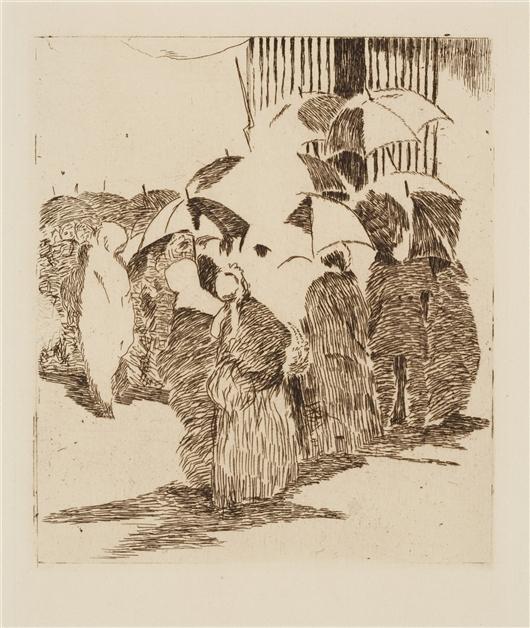
La queue devant la boucherie

Édouard Manet's 'La queue devant la boucherie' captures a rainy Parisian street scene with umbrellas and a horse, reflecting the artist’s modern realism & urban observations.

पेरिस फ्रांस एडुआर्ड माने एडौआर्ड माने एडुआर्ड माने (1832-1883) एक फ्रांसीसी कलाकार थे जिन्होंने यथार्थवाद और प्रभाववाद के बीच एक महत्वपूर्ण कड़ी बनाई। 'ले डेजने सुर ल'हर्ब' और 'ओलंपिया' जैसे प्रतिष्ठित कार्यों के लिए जाने जाते हैं, उन्होंने आधुनिक जीवन को चित्रित करने में क्रांति ला दी और कला पर गहरा प्रभाव डाला। क्लाउड मोनेट यथार्थवाद, प्रभाववाद कारावागियो 23 जनवरी, 1832 एडुआर्ड माने ल

गिक्ली / आर्ट प्रिंट

तेज़ उत्पादन और विभिन्न फिनिश विकल्पों के साथ म्यूजियम-क्वालिटी गिकली (giclée) या कैनवस प्रिंट।

Standard
custom
CM
INCH

कलाकृति के मूल अनुपात से मेल खाने वाले हमारे पूर्व निर्धारित आकारों में से चुनें।

चौड़ाई
ऊँचाई

आप किसी विशिष्ट फ्रेम या स्थान के अनुसार अपने स्वयं के आयाम (dimensions) दर्ज कर सकते हैं। यदि आपके द्वारा चुना गया आकार मूल छवि के अनुपात से मेल नहीं खाता है, तो हम कलाकृति को क्रॉप कर देंगे या मिरर किए गए या सॉलिड-फिल किनारे के साथ छवि का विस्तार करेंगे। उत्पादन शुरू होने से पहले आपकी स्वीकृति के लिए एक डिजिटल मॉकअप भेजा जाएगा।
कृपया ध्यान दें कि स्क्रीन पर दिखने वाला प्रीव्यू वास्तविक क्रॉपिंग या विस्तार को नहीं दर्शाता है। केवल मॉकअप ही अंतिम संरचना को सटीक रूप से दिखाएगा।
हालाँकि कस्टम आकार उपलब्ध हैं, फिर भी हम मूल अनुपात बनाए रखने के लिए पूर्व-निर्धारित सूची में से एक आयाम चुनने की सलाह देते हैं।

विश्वव्यापी डिलीवरी (), मानक 4/5 सप्ताह के बजाय मात्र 2 सप्ताह में। (4 जुलाई)

why_choose_icon
दुनिया भर में मुफ़्त एक्सप्रेस शिपिंग
why_choose_icon
उच्च गुणवत्ता वाला लिनेन कैनवास
why_choose_icon
पूर्ण शिपिंग बीमा
why_choose_icon
सीमा शुल्क और आयात कर वापसी की गारंटी
why_choose_icon
सटीक रंग मिलान की गारंटी
why_choose_icon
60-दिन की वापसी नीति (केवल दोषों के लिए)
why_choose_icon
100% पैसे वापसी की गारंटी
why_choose_icon
थोक छूट का लाभ

कुल कीमत

-

reproduction

La queue devant la boucherie

गिक्ली / आर्ट प्रिंट

प्रतिकृति का आकार

-

कुल देय राशि

-

प्रमुख विशेषताएँ

  • Notable elements: Rainy street scene
  • Dimensions: 23.5 x 15.9 cm (plate)
  • Influences:
    • Caravaggio
    • Velázquez
  • Year: 1870-71
  • Artist: Édouard Manet
  • Title: La queue devant la boucherie
  • Movement: Realism/Impressionism

कला प्रश्नोत्तरी

प्रत्येक प्रश्न का केवल एक ही सही उत्तर है।

प्रश्न 1:
What is the primary subject depicted in Édouard Manet’s ‘La queue devant la boucherie’?
प्रश्न 2:
The drawing ‘La queue devant la boucherie’ primarily reflects which artistic movement?
प्रश्न 3:
What is a key characteristic of Manet’s technique evident in this work?
प्रश्न 4:
Considering the context of Manet’s career, what was a significant challenge he faced as an artist?
प्रश्न 5:
The presence of a horse in ‘La queue devant la boucherie’ likely contributes to which aspect of the scene?

संग्रहणीय वस्तु का विवरण

A Rainy Streetscape: Manet’s ‘La Queue devant la Boucherie’

Édouard Manet's “La queue devant la boucherie” – literally translated as "The Line in Front of the Butcher Shop" – isn’t a grand, sweeping historical painting; it’s a remarkably intimate and unsettling snapshot of Parisian urban life. Completed around 1870-71, this etching, rendered in stark black ink on Japon paper, captures a fleeting moment of everyday existence, revealing a quiet drama within the commonplace. It's a work that speaks volumes about Manet’s revolutionary approach to painting – his focus on capturing modern reality rather than adhering to academic tradition – and his keen eye for observing the subtle nuances of human interaction. The scene unfolds in a perpetually rainy street, dominated by a long queue of people patiently waiting outside a butcher shop. The composition is deliberately unheroic; there are no grand gestures or dramatic figures, only ordinary individuals caught in the mundane act of procuring their daily sustenance. This deliberate lack of spectacle was central to Manet’s artistic vision – he sought to portray life as it *was*, not as it should be depicted according to established norms.

Technique and Style: A Masterclass in Line and Tone

Manet's skill lies profoundly in his masterful manipulation of line and tone. The etching is executed with a remarkable economy of lines, each stroke carefully considered to create both form and atmosphere. Notice how the rain itself is suggested through delicate, broken lines that ripple across the paper, conveying not just moisture but also a sense of unease and dampness. The figures are rendered with varying degrees of detail – some are sharply defined, while others are sketched more lightly, creating an illusion of depth and movement within the crowded scene. The use of cross-hatching is particularly effective in building up areas of shadow, adding volume to the clothing and suggesting the weight of the rain. Unlike the smooth, polished surfaces favored by academic painters, Manet’s lines retain a raw energy, reflecting the gritty reality he sought to portray. This technique, combined with his deliberate choice of monochrome, contributes significantly to the etching's powerful sense of immediacy and realism.

Historical Context: Modernity and Parisian Life

“La queue devant la boucherie” emerged during a period of profound social and artistic change in Paris. The city was rapidly industrializing, leading to overcrowding, poverty, and a growing sense of alienation among its inhabitants. Manet, along with other artists like Monet and Renoir, were reacting against the prevailing academic style, which largely ignored these realities. They sought to depict modern life – the streets, the people, the everyday struggles – in a way that was both honest and emotionally resonant. This etching reflects the burgeoning interest in urban landscapes and the lives of ordinary Parisians during this period. It’s not simply a depiction of a butcher shop; it's a commentary on the social conditions of the time, highlighting the long wait, the shared experience of hardship, and the anonymity of city life. The presence of the horse, seemingly oblivious to the queue, further emphasizes the detachment between humanity and the animal world – a recurring theme in Manet’s work.

Symbolism and Emotional Resonance: A Quiet Discomfort

Despite its apparent simplicity, “La queue devant la boucherie” is rich in symbolic meaning. The long line of people waiting patiently suggests a shared sense of resignation and endurance. There's no visible leadership or authority figure to guide them; they are simply caught up in the relentless flow of urban life. The rain itself can be interpreted as a metaphor for hardship, uncertainty, and the pervasive dampness of modern existence. The faces of the individuals – largely obscured by shadow – convey a subtle sense of weariness and detachment. There’s no overt expression of anger or frustration; instead, there's a quiet discomfort, a feeling of being trapped within a system that offers little solace. Manet doesn’t offer easy answers or moral judgments; he simply presents the scene as it is, inviting the viewer to contemplate its implications and draw their own conclusions. The work evokes a powerful sense of empathy for these anonymous figures, reminding us of our shared vulnerability in the face of urban challenges.

Collecting a Reproduction: Bringing Manet’s Vision Home

WahooArt offers meticulously crafted hand-painted reproductions of “La queue devant la boucherie,” allowing you to bring this iconic work into your home or office. Our artists replicate Manet's masterful use of line and tone, capturing the etching’s atmospheric depth and emotional resonance with exceptional detail. Whether you are an art enthusiast, a collector seeking to expand your collection, or simply someone drawn to Manet’s revolutionary vision, our reproductions provide a beautiful and authentic representation of this seminal work. Each reproduction is created on high-quality archival paper, ensuring its longevity and preserving the artwork's rich textures and subtle nuances for generations to come. Explore our selection today and experience the enduring power of Manet’s “La queue devant la boucherie.”

संबद्ध कलाकृतियाँ


कलाकार का जीवन परिचय

एडुआर्ड माने: आधुनिक कला के एक पथप्रदर्शक

एडुआर्ड माने, जिनका जन्म 1832 में पेरिस में हुआ था, एक ऐसे परिवार से थे जो समाज में सम्मानित था। उनके पिता एक न्यायाधीश थे और उन्होंने बेटे को कानून या नौसेना में करियर बनाने की उम्मीद की थी। लेकिन एडुआर्ड का दिल कला में रमा हुआ था। बचपन से ही चित्रकला के प्रति उनका रुझान था, और ग्यारह साल की उम्र से ही उन्होंने औपचारिक रूप से ड्राइंग सीखना शुरू कर दिया। थॉमस कूटूर के अधीन कुछ समय तक प्रशिक्षण लिया, लेकिन जल्द ही उन्हें पता चल गया कि उनकी रचनात्मकता उन कठोर तरीकों से बाधित हो रही है। यह प्रारंभिक प्रतिरोध उनके जीवन भर कलात्मक परंपराओं को चुनौती देने का संकेत था। माने ऐतिहासिक या पौराणिक विषयों में बंधे रहने के बजाय आधुनिक पेरिस की जीवंतता और कभी-कभी उसकी परेशान करने वाली वास्तविकताओं को कैद करना चाहते थे। उन्होंने लूव्र का दौरा किया, न केवल पुराने मास्टर्स की नकल करने के लिए, बल्कि उनकी तकनीकों को समझने के लिए भी, यह जानने के लिए कि कैसे कारावागियो और वेलाज़quez जैसे कलाकारों ने प्रकाश और छाया का उपयोग करके रूप को तराशा और भावनाओं को जगाया। गुस्ताव कोर्टबेट द्वारा championed यथार्थवाद के उदय ने माने के रचनात्मक मार्ग को प्रज्वलित किया। कोर्टबेट की रोजमर्रा की जिंदगी को आदर्श बनाने के बिना चित्रित करने की आग्रह से माने मुक्त हुए, जिससे उन्हें ऐतिहासिक या पौराणिक विषयों की सीमाओं से मुक्ति मिली।

विद्रोह और नवाचार: परंपरा का टूटना

1860 के दशक पेरिस में तीव्र कलात्मक उथल-पुथल का दौर था, और माने खुद इसके केंद्र में थे। जापान से आए *उकियो-ए* प्रिंट ने उनके सौंदर्यशास्त्र को गहराई से प्रभावित किया। वे उनकी सपाट परिप्रेक्ष्य, बोल्ड रचनाओं और हड़ताली रंग के उपयोग से मोहित हो गए, जो जल्द ही उनकी अपनी शैली की पहचान बन गए। यह प्रभाव, अकादमिक परिशुद्धता के प्रति बढ़ती अस्वीकृति के साथ मिलकर, ऐसी कृतियों को जन्म दिया जिसने पेरिस की कला जगत को चौंका दिया और आक्रोशित कर दिया। ले डेजने सुर ल’हर्ब (घास पर दोपहर का भोजन), 1863 में सैलून दे रिफ्यूज में प्रदर्शित किया गया – आधिकारिक सैलून द्वारा अस्वीकृत कार्यों के लिए एक प्रदर्शनी – विवाद का केंद्र बन गया। इस चित्र में नग्न महिला को दो पूरी तरह से कपड़े पहने पुरुषों के साथ पिकनिक मनाते हुए दिखाया गया था, जो केवल नग्नता के बारे में ही नहीं था; यह उस तरीके के बारे में था जिससे नग्नता प्रस्तुत की गई थी। माने के आंकड़ों में पारंपरिक नग्न चित्रों के आदर्शित रूप और पौराणिक संदर्भ का अभाव था। वे निस्संदेह आधुनिक थे, दर्शकों को एक परेशान करने वाली प्रत्यक्षता से सामना करा रहे थे। ले डेजने के आसपास का विवाद उनकी 1865 की उत्कृष्ट कृति, ओलंपिया के साथ और बढ़ गया। इस चित्र में टिटियन के *वेनस ऑफ अर्बिनो* का एक जानबूझकर पुनर्निर्माण किया गया था, जिसमें एक समकालीन वेश्या दर्शक को सीधे देखती हुई दिखाई गई थी। अचल यथार्थवाद और उत्तेजक विषय वस्तु व्यापक निंदा का सामना कर रही थी। आलोचकों ने माने पर अश्लीलता और कलात्मक अक्षमता का आरोप लगाया, लेकिन आक्रोश के नीचे यह पहचान थी कि वह चित्रकला की भाषा को मौलिक रूप से बदल रहे थे।

प्रभावशाली रंग और आधुनिक जीवन: प्रभाववाद की ओर एक पुल

हालांकि माने ने कभी खुद को पूरी तरह से "प्रभाववादी" कहने से इनकार कर दिया, उनका प्रभाव आंदोलन पर निर्विवाद था। उन्होंने अकादमिक परंपराओं के प्रति अस्वीकृति और प्रकाश और वायुमंडल के क्षणिक प्रभावों को कैद करने की प्रतिबद्धता को साझा किया। उन्होंने मोनेट, रेनॉयर, डेगास और अन्य के साथ स्वतंत्र प्रदर्शनियों में प्रदर्शित होकर अग्रभाग में अपनी स्थिति को मजबूत किया। माने की तकनीक एक ढीले ब्रशस्ट्रोक की ओर विकसित हुई, सटीक विवरणों पर सटीक रूप से ध्यान केंद्रित करने के बजाय रूप का प्रभाव प्राथमिकता दिया गया। उन्होंने रंग के साथ प्रयोग किया, अक्सर नाटकीय प्रभाव पैदा करने के लिए कठोर विरोधाभासों का उपयोग किया। उत्तेजक नग्न चित्रों के अलावा, माने ने विषयों की एक विस्तृत श्रृंखला का पता लगाया: पोर्ट्रेट - अपनी पत्नी सुज़ैन और साथी कलाकार एमिल ज़ोला के शानदार चित्रण सहित; पेरिस की नाइटलाइफ़ के दृश्य, जैसे ए बार एट द फोलीस-बर्गरे, जो आधुनिक शहरी जीवन की अलगाव और तमाशे को कुशलता से कैद करता है; और अंतरंग घरेलू दृश्य। वे इन विषयों का मात्र दस्तावेजीकरण नहीं कर रहे थे; वे उनसे सवाल पूछ रहे थे, सामाजिक मानदंडों को चुनौती दे रहे थे और सौंदर्य के पारंपरिक विचारों पर सवाल उठा रहे थे।

विरासत और स्थायी प्रभाव

एडुआर्ड माने की समय से पहले मृत्यु, 1883 में सिफलिस से, एक ऐसे करियर को छोटा कर दिया जिसने पहले ही कला के इतिहास के पाठ्यक्रम को अपरिवर्तनीय रूप से बदल दिया था। उनकी प्रतिष्ठा उनकी मृत्यु के बाद काफी बढ़ी, लेकिन उनका प्रभाव युवा कलाकारों द्वारा तुरंत महसूस किया गया जिन्होंने उन्हें एक मुक्तिदाता के रूप में पहचाना। उन्होंने पारंपरिक विषय वस्तु, तकनीक और कलात्मक उद्देश्य की धारणाओं को तोड़कर बाधाओं को तोड़ दिया।
  • प्रभाववाद और उत्तर-प्रभाववाद के लिए आधुनिक जीवन को कैद करने पर उनका जोर मार्ग प्रशस्त करता है।
  • उनके अभिनव ब्रशवर्क और रंग ने पीढ़ियों के चित्रकारों को प्रभावित किया।
  • समाज की असहज सच्चाइयों का सामना करने की उनकी इच्छा ने दर्शकों को अपनी मान्यताओं पर सवाल उठाने के लिए मजबूर कर दिया।
माने के चित्रों आज भी प्रतिध्वनित होते रहते हैं, न केवल उनकी सौंदर्यपूर्ण सुंदरता के लिए बल्कि हमारे समय की जटिलताओं और विरोधाभासों के साथ, उन्होंने दुनिया को जैसा देखा, वैसा चित्रित करने का साहस किया - एक पेरिसियन विद्रोही जो आधुनिक कला के जनक माने जाते हैं।
एडुआर्ड माने

एडुआर्ड माने

1832 - 1883 , फ्रांस

मुख्य तथ्य

  • Artistic Movement Or Style: यथार्थवाद, प्रभाववाद
  • Artists Or Movements Influenced By This Artist:
    • क्लाउड मोनेट
    • पियरे-अगस्टे रेनॉयर
    • एडगर देगास
    • प्रभाववाद
  • Artists Who Influenced This Artist:
    • कारावागियो
    • डिएगो वेलाज़क्वेज़
    • गुस्ताव कोर्टबेट
  • Date Of Birth: 23 जनवरी 1832
  • Date Of Death: 1883
  • Full Name: एडुआर्ड माने
  • Nationality: फ्रांसीसी
  • Notable Artworks:
    • déjeuner sur l'herbe
    • ओलंपिया
    • A Bar at the Folies-Bergère
  • Place Of Birth: पेरिस, फ्रांस
विषयों, शैलियों और विशेषताओं के आधार पर व्यवस्थित कलाकृतियों का अन्वेषण करें।