पूर्वावलोकन देखें AR में देखें हाथ से बनी पेंटिंग खरीदें डिजिटल इमेज पर स्विच करें साझा करें
विस्तृत विवरण मार्गदर्शिका पसंदीदा में जोड़ें डाउनलोड करें समान कलाकृतियाँ एक्स-रे स्लाइड शो देखें आंकड़े

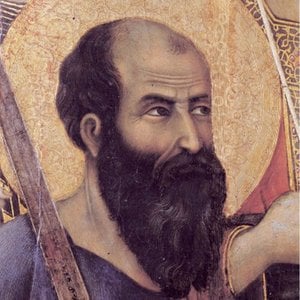
Flagellation

Discover Duccio di Buoninsegna's 'Flagellation' (1308), a stunning Renaissance fresco capturing emotional depth and religious significance. Hand-painted reproduction, 50x53 cm, perfect for art collectors and religious art enthusiasts.

डुच्चियो डि बुओनिन्सेग्ना (1255-1319) एक इतालवी चित्रकार थे जिन्होंने गोथिक कला को आकार दिया। उनकी 'माएस्ता' और 'रुसेलई मैडोना' जैसी उत्कृष्ट कृतियाँ मानवीय भावनाओं और धार्मिक भक्ति का अद्भुत संगम हैं।

गिक्ली / आर्ट प्रिंट

तेज़ उत्पादन और विभिन्न फिनिश विकल्पों के साथ म्यूजियम-क्वालिटी गिकली (giclée) या कैनवस प्रिंट। ( हाथ से बनी पेंटिंग खरीदें डिजिटल इमेज पर स्विच करें)

P118B $10
P118H $10
P118W $10
P438Z $10
P508JH $12
P508YH $12
P805H $10
P805Z $10
P919BZ $10
P919G $10
P919XJ $10
P959ZH $10
P968JZ $12
W106C $8
W218G $10
W218JH $8
W218Y $10
W307PJ $10
W316G $10
W316PJ $8
W316Y $10
W398PJ $8
W4111J $10
W500HY $15
W500JH $15
W692G $12
W849H $8
W940BG $15
W953PJ $8

मानक
कस्टम
CM
INCH

कलाकृति के मूल अनुपात से मेल खाने वाले हमारे पूर्व निर्धारित आकारों में से चुनें।

चौड़ाई
ऊँचाई

आप किसी विशिष्ट फ्रेम या स्थान के अनुसार अपने स्वयं के आयाम (dimensions) दर्ज कर सकते हैं। यदि आपके द्वारा चुना गया आकार मूल छवि के अनुपात से मेल नहीं खाता है, तो हम कलाकृति को क्रॉप कर देंगे या मिरर किए गए या सॉलिड-फिल किनारे के साथ छवि का विस्तार करेंगे। उत्पादन शुरू होने से पहले आपकी स्वीकृति के लिए एक डिजिटल मॉकअप भेजा जाएगा।
कृपया ध्यान दें कि स्क्रीन पर दिखने वाला प्रीव्यू वास्तविक क्रॉपिंग या विस्तार को नहीं दर्शाता है। केवल मॉकअप ही अंतिम संरचना को सटीक रूप से दिखाएगा।
हालाँकि कस्टम आकार उपलब्ध हैं, फिर भी हम मूल अनुपात बनाए रखने के लिए पूर्व-निर्धारित सूची में से एक आयाम चुनने की सलाह देते हैं।

विश्वव्यापी डिलीवरी (), मानक 4/5 सप्ताह के बजाय मात्र 2 सप्ताह में। (21 सितमबर)

why_choose_icon
दुनिया भर में मुफ़्त एक्सप्रेस शिपिंग
why_choose_icon
उच्च गुणवत्ता वाला लिनेन कैनवास
why_choose_icon
पूर्ण शिपिंग बीमा
why_choose_icon
सीमा शुल्क और आयात कर वापसी की गारंटी
why_choose_icon
सटीक रंग मिलान की गारंटी
why_choose_icon
100-दिन की वापसी नीति (केवल दोषपूर्ण होने पर)
why_choose_icon
100% पैसे वापसी की गारंटी
why_choose_icon
थोक छूट का लाभ

कुल कीमत

$ 68

reproduction

Flagellation

गिक्ली / आर्ट प्रिंट

प्रतिकृति का आकार

-

कुल देय राशि

$ 68

प्रमुख विशेषताएँ

  • title: Flagellation
  • influences: Byzantine art, Gothic style
  • location: likely Italian Renaissance region
  • subject: Jesus Christ's trial and flagellation
  • medium: fresco
  • style: realistic human anatomy, stylized architectural elements
  • movement: Proto Renaissance

कला प्रश्नोत्तरी

प्रत्येक प्रश्न का केवल एक ही सही उत्तर है।

प्रश्न 1:
Who is the artist of the 'Flagellation' fresco created in 1308?
प्रश्न 2:
What is the primary subject depicted in the 'Flagellation' fresco?
प्रश्न 3:
Which artistic style is most associated with Duccio di Buoninsegna's work, including the 'Flagellation'?
प्रश्न 4:
What technique is likely used in creating this fresco?
प्रश्न 5:
What emotional qualities are emphasized in the figures of the 'Flagellation' fresco?

Subject and Narrative

This captivating fresco captures a pivotal moment from the Passion of Christ, depicting the Flagellation—a scene filled with intense emotion and spiritual significance. Central to the composition is Jesus Christ, shown in a moment of suffering, bound and awaiting the brutal scourging. Surrounding Him are a multitude of figures—soldiers, onlookers, and religious authorities—each rendered with vivid expressions and gestures that convey a spectrum of human emotion, from cruelty and indifference to compassion and reverence. The scene invites viewers to reflect on themes of sacrifice, redemption, and divine suffering, making it a profound centerpiece for both devotional contemplation and artistic admiration.

Style and Technique

Created during the Italian Renaissance, this fresco exemplifies the sophisticated artistry of the Sienese School, blending Gothic elegance with emerging Renaissance naturalism. The artist employs mineral pigments applied directly onto freshly laid plaster, a traditional fresco technique that ensures durability and a matte, enduring finish. The composition demonstrates a masterful use of color, line, and texture—highlighting the illuminated figure of Christ through subtle shading and modeling that lend a three-dimensional presence. The figures are carefully organized within architectural and spatial settings, showcasing an innovative exploration of depth and perspective for its time. Delicate details, expressive faces, and symbolic gestures elevate this work beyond mere storytelling to a visual meditation on suffering and salvation.

Historical Context and Symbolism

Produced in 1308, this fresco reflects the spiritual fervor and religious devotion characteristic of the late Middle Ages and early Renaissance Italy. The scene is rich in symbolism: the crown of thorns, the scourge, and the positioning of Christ evoke themes of humility and divine sacrifice. The use of color—golden hues and stark contrasts—serves to emphasize the sacred nature of the event, while the detailed figures embody the complex human reactions to divine suffering. As a fresco, it was intended not only as a religious teaching tool but also as a testament to the artist’s skill and the community’s faith, designed to inspire devotion and reflection for generations.

Emotional Impact and Artistic Significance

This fresco’s power lies in its ability to evoke empathy and spiritual introspection. The artist’s careful attention to human emotion—visible in the anguished faces, the tender gestures, and the solemn atmosphere—creates a visceral connection with viewers. Its balanced composition and harmonious use of color invite viewers to contemplate the profound sacrifice depicted, fostering a sense of reverence and awe. As a masterpiece of religious art, it exemplifies the transition from medieval symbolism to Renaissance realism, capturing both the divine and human aspects of this sacred event. Whether displayed in a private collection or an elegant interior, this work offers a timeless source of inspiration and a testament to the enduring power of spiritual storytelling through art.

कलाकार का जीवन परिचय

डुच्चियो डि बुओनिन्सेग्ना: एक मध्ययुगीन चित्रकार की अमर कहानी

डुच्चियो डि बुओनिन्सेग्ना, जिनका जन्म लगभग 1255 में सिएना में हुआ था, इतालवी कला के इतिहास में एक महत्वपूर्ण नाम हैं। वे न केवल एक चित्रकार थे, बल्कि एक ऐसे पथिक भी जिन्होंने मध्ययुगीन कला को नई दिशा दी और आने वाली पीढ़ियों के कलाकारों के लिए मार्ग प्रशस्त किया। उनके जीवन के बारे में विस्तृत जानकारी मिलना मुश्किल है, लेकिन उनकी कृतियाँ बोलती हैं - वे हमें उस युग की आत्मा, धार्मिक भावनाओं और कलात्मक नवाचारों से परिचित कराती हैं। डुच्चियो ने एक ऐसे समय में काम किया जब इतालवी कला अभी भी बीजान्टिन परंपराओं से प्रभावित थी, लेकिन धीरे-धीरे नई शैलियों को अपनाने के लिए तैयार हो रही थी। उन्होंने इस परिवर्तनकारी दौर में बीजान्टिन सौंदर्यशास्त्र और उभरते गोथिक प्रभावों का अद्भुत मिश्रण किया, जिससे सिएना स्कूल की एक अनूठी शैली का जन्म हुआ।

सिएना में कलात्मक विकास और प्रारंभिक कार्य

डुच्चियो का शुरुआती जीवन रहस्यमय है, लेकिन यह माना जाता है कि उन्होंने सिएना के कलाकारों से प्रशिक्षण प्राप्त किया होगा। उनके प्रारंभिक कार्यों में बीजान्टिन परंपराओं की स्पष्ट छाप दिखाई देती है - सुनहरे रंग का उदार उपयोग, शैलीबद्ध आकृतियाँ और धार्मिक प्रतीकों पर ध्यान केंद्रित करना। हालाँकि, डुच्चियो ने जल्द ही इन पारंपरिक सीमाओं को चुनौती देना शुरू कर दिया। उन्होंने स्थानिक व्यवस्था के साथ प्रयोग किया, चित्रों में गहराई का आभास पैदा करने की कोशिश की, और अपने रंगों को अधिक सूक्ष्म और सामंजस्यपूर्ण बनाया। उनकी सबसे शुरुआती महत्वपूर्ण कृतियों में से एक 1285 में फ्लोरेंस के लिए बनाई गई *रुसेलई मैडोना* है। इस कृति में, डुच्चियो ने वर्जिन मैरी और शिशु यीशु को चित्रित किया है, जिसमें मानवीय भावनाओं की झलक दिखाई देती है - यह बीजान्टिन कला से एक महत्वपूर्ण प्रस्थान था। उन्होंने आकृतियों को अधिक स्वाभाविक रूप दिया और पृष्ठभूमि में वास्तुशिल्प तत्वों का उपयोग करके गहराई का भ्रम पैदा करने का प्रयास किया।

माएस्ता: डुच्चियो की उत्कृष्ट कृति

*माएस्ता* (1308-1311) डुच्चियो की सबसे महत्वाकांक्षी और प्रभावशाली रचना है। सिएना कैथेड्रल के लिए बनाई गई यह विशाल वेदी चित्रकला, वर्जिन मैरी को सिंहासन पर विराजमान दर्शाती है, जिसके चारों ओर विभिन्न धार्मिक दृश्य चित्रित हैं। *माएस्ता* न केवल डुच्चियो की कलात्मक प्रतिभा का प्रमाण है, बल्कि उस समय के धार्मिक और सांस्कृतिक मूल्यों का भी प्रतिबिंब है। इस कृति में, डुच्चियो ने अपनी सभी तकनीकों और शैलियों को परिपक्वता से संयोजित किया है। उन्होंने प्रकाश और छाया का कुशलतापूर्वक उपयोग किया है, जिससे आकृतियाँ जीवंत और गतिशील दिखाई देती हैं। उनके रंग सामंजस्यपूर्ण और आकर्षक हैं, और उनकी रचनाएँ जटिल विवरणों से भरी हुई हैं। *माएस्ता* में डुच्चियो ने न केवल धार्मिक कथाओं को चित्रित किया है, बल्कि मानवीय भावनाओं को भी व्यक्त किया है - प्रेम, करुणा, दुःख और आशा की भावनाएँ इस कृति में गहराई से समाई हुई हैं। यह कला का एक ऐसा उत्कृष्ट नमूना है जो आज भी दर्शकों को मंत्रमुग्ध कर देता है।

प्रभाव और विरासत

डुच्चियो डि बुओनिन्सेग्ना ने इतालवी कला पर गहरा प्रभाव डाला। उन्होंने सिएना स्कूल की स्थापना की, जिसने अपनी सुंदरता, परिष्कार और भावनात्मक तीव्रता के लिए जाना जाता था। उनके शिष्यों में सिमोन मार्टिनी और लिप्पो मेम्मी जैसे प्रतिभाशाली कलाकार शामिल थे, जिन्होंने डुच्चियो की शैली को आगे बढ़ाया और नई ऊँचाइयों तक पहुँचाया। डुच्चियो का प्रभाव फ्लोरेंस और इटली के अन्य हिस्सों में भी महसूस किया गया। उन्होंने कलाकारों को प्राकृतिकता, स्थानिक गहराई और मानवीय भावनाओं पर ध्यान केंद्रित करने के लिए प्रेरित किया। डुच्चियो ने गोथिक कला के विकास में महत्वपूर्ण भूमिका निभाई और पुनर्जागरण की शुरुआत के लिए मार्ग प्रशस्त किया। उनकी कृतियाँ आज भी दुनिया भर के संग्रहालयों में प्रदर्शित हैं, जो हमें मध्ययुगीन कला की सुंदरता और शक्ति की याद दिलाती हैं। डुच्चियो डि बुओनिन्सेग्ना एक ऐसे चित्रकार थे जिन्होंने अपनी प्रतिभा और नवाचार से कला के इतिहास को हमेशा के लिए बदल दिया।

डुच्चियो की कलात्मक विशेषताएँ

  • बीजान्टिन और गोथिक का मिश्रण: डुच्चियो ने बीजान्टिन परंपराओं और गोथिक सौंदर्यशास्त्र को सफलतापूर्वक जोड़ा, जिससे एक अनूठी शैली का निर्माण हुआ।
  • मानवीय भावनाओं पर जोर: उन्होंने अपने चित्रों में मानवीय भावनाओं को गहराई से व्यक्त किया, जो उस समय की कला में दुर्लभ था।
  • रंगों का सामंजस्य: डुच्चियो के चित्रों में रंगों का उपयोग बहुत ही सामंजस्यपूर्ण और आकर्षक है।
  • स्थानिक गहराई का प्रयास: उन्होंने अपने चित्रों में स्थानिक गहराई पैदा करने की कोशिश की, जो उस समय के लिए एक नवाचार था।
  • धार्मिक प्रतीकों का सूक्ष्म उपयोग: डुच्चियो ने धार्मिक प्रतीकों का कुशलतापूर्वक उपयोग किया, जिससे उनके चित्र अधिक अर्थपूर्ण और प्रभावशाली बन गए।

मुख्य तथ्य

  • कलात्मक आंदोलन या शैली: गॉथिक, सिएनीज़ स्कूल
  • जन्म तिथि: लगभग 1255
  • जन्म स्थान (शहर और देश): सिएना, इटली
  • पूरा नाम: डुच्चियो डी बुओनिन्सेग्ना
  • प्रभावित कलाकार: ['बीजान्टिन कला']
  • प्रभावित कलाकार या आंदोलन:
    • सिएनीज़ स्कूल
    • इतालवी गॉथिक
  • प्रमुख कलाकृतियाँ:
    • रुसेलई मैडोना
    • माएस्ता
    • पॉलीप्ची नंबर 28
  • राष्ट्रीयता: इतालवी
विषयों, शैलियों और विशेषताओं के आधार पर व्यवस्थित कलाकृतियों का अन्वेषण करें।