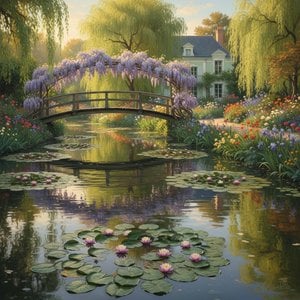
क्लाउड मोनेट: प्रकाश और क्षणभंगुरता के कवि
ऑस्कर-क्लाउड मोनेट, एक ऐसा नाम जो प्रभाववाद (Impressionism) से अभिन्न रूप से जुड़ा हुआ है, केवल परिदृश्य चित्रकार नहीं थे; वे क्षणिक पलों के क्रोनिकलर थे, प्रकाश और रंग के कवि थे। 14 नवंबर, 1840 को पेरिस में जन्मे, उनके शुरुआती जीवन में एक अप्रत्याशित मोड़ तब आया जब उनका परिवार पाँच वर्ष की आयु में नॉरमंडी (Normandy) के ले Havre (Le Havre) में चला गया। शुरू में उनके पिता द्वारा वाणिज्यिक करियर के लिए नियत, युवा क्लाउड की सहज कलात्मक प्रतिभा जल्द ही उभर कर सामने आई, पहले स्थानीय रूप से बेचे जाने वाले चारकोल कैरिकेचर (charcoal caricatures) के माध्यम से – उनकी कुशलता और उद्यमशीलता भावना दोनों का प्रमाण। हालाँकि, यूजीन बौडीन (Eugène Boudin) के साथ उनके मुठभेड़ ने निर्णायक साबित हुआ। बौडीन ने मोनेट को केवल यह नहीं सिखाया कि *कैसे* पेंट करना है; उन्होंने उनके भीतर एन प्लैन एयर—सीधे प्रकृति से—पेंट करने का क्रांतिकारी विचार स्थापित किया – एक ऐसी प्रथा जो उनके पूरे कलात्मक यात्रा को परिभाषित करेगी।
मोनेट की औपचारिक प्रशिक्षण पेरिस में शुरू हुई, संक्षिप्त रूप से एकेडमी सुइस (Académie Suisse) और बाद में चार्ल्स ग्लीयर (Charles Gleyre) के अधीन। यहीं पर उन्होंने ऑगस्टे रेनॉयर (Auguste Renoir) जैसे साथी कलाकारों के साथ स्थायी मित्रता निभाई, एक ऐसा बंधन जो साझा कलात्मक निराशाओं और पारंपरिक शैक्षणिक पेंटिंग की बाधाओं से मुक्त होने की इच्छा पर आधारित था। उनके शुरुआती कार्य, जबकि तकनीकी दक्षता का प्रदर्शन करते हैं, उस विशिष्ट आवाज की कमी थी जो जल्द ही उनकी शैली को चिह्नित करेगी। इसके बाद उथल-पुथल का दौर आया – फ्रांको-प्रशियाई युद्ध (Franco-Prussian War) के कारण मोनेट को लंदन शरण लेने के लिए मजबूर होना पड़ा, जहाँ उन्होंने जे.एम.डब्ल्यू. टर्नर (J.M.W. Turner) जैसे अंग्रेजी परिदृश्य के महानुभावों के कार्यों में खुद को डुबो दिया, उनके वायुमंडलीय प्रभावों और रंग के नवीन उपयोग को आत्मसात किया।
एक सौंदर्य क्रांति का जन्म
फ्रांस लौटने पर, मोनेट एक उभरते हुए कलात्मक विद्रोह में एक केंद्रीय व्यक्ति बन गए। सैलून (Salon) के रूढ़िवादी मानकों से असंतुष्ट होकर, उन्होंने अन्य समान विचारधारा वाले कलाकारों के साथ मिलकर स्वतंत्र प्रदर्शनियों का आयोजन किया। 1874 की प्रदर्शनी न केवल मोनेट के लिए बल्कि पूरे कला जगत के लिए भी एक महत्वपूर्ण क्षण साबित हुई। यहीं पर उनके चित्र “इंप्रेशन, soleil levant” (Impression, Sunrise) – डॉन (dawn) में ले Havre के बंदरगाह का धुंधला चित्रण – प्रदर्शित किया गया था, और इसी से "प्रभाववाद" शब्द की व्युत्पत्ति हुई। हालाँकि, नाम अटक गया, एक ऐसे आंदोलन के लिए एक सम्मानजनक प्रतीक के रूप में विकसित हुआ जो अपने सटीक प्रतिनिधित्व के बजाय दृश्य के व्यक्तिपरक *प्रभाव* को पकड़ने का प्रयास करता था।
इस अवधि के दौरान मोनेट की सिग्नेचर शैली पुष्पित हुई: ढीले, दिखाई देने वाले ब्रशस्ट्रोक (brushstrokes), जीवंत और अक्सर मिश्रित न किए गए रंग एक-दूसरे के बगल में लगाए जाते हैं (एक तकनीक जिसे "टूटे हुए रंग" के रूप में जाना जाता है), और प्रकाश के क्षणिक गुणों को पकड़ने पर अटूट ध्यान। उन्होंने लगातार अपने एन प्लैन एयर अभ्यास का पालन किया, बदलते परिस्थितियों के कारण दृश्य बदल जाने से पहले तुरंत अपनी धारणाओं को रिकॉर्ड करने के लिए तेजी से काम करते थे। यह समर्पण केवल यह चित्रित करने के बारे में नहीं था कि उन्होंने *क्या* देखा, बल्कि इसके प्रति उनकी प्रतिक्रिया में उन्होंने *कैसे* महसूस किया – कलात्मक सम्मेलनों से एक कट्टरपंथी प्रस्थान।
गिवर्नी: प्रकाश और प्रतिबिंब का स्वर्ग
1883 में, मोनेट गिवर्नी (Giverny), पेरिस के उत्तर-पश्चिम में बस गए, एक घर और उद्यान स्थापित किया जो दोनों उनका अभयारण्य और प्रेरणा का सबसे बड़ा स्रोत बन गया। उन्होंने सावधानीपूर्वक संपत्ति को एक विस्तृत स्वर्ग में बदल दिया, जिसमें विदेशी फूल, विलो के पेड़ और सबसे प्रसिद्ध रूप से, एक जापानी पुल द्वारा फैले हुए कमल के तालाब शामिल थे। यह केवल एक सजावटी बगीचा नहीं था; यह एक जीवित प्रयोगशाला थी जहाँ मोनेट नियंत्रित परिस्थितियों में पानी, पत्तों और प्रतिबिंबों पर प्रकाश के प्रभावों का अध्ययन कर सकता था।
उनके जीवन के अंतिम दशकों को लगभग पूरी तरह से गिवर्नी के कमल के तालाब को चित्रित करने के लिए समर्पित किया गया था। उन्होंने विशाल कैनवस शुरू किए जिनमें कमल के तालाब की सतह को रंग और प्रकाश के लगातार बदलते टेपेस्ट्री (tapestry) के रूप में दर्शाया गया था। ये केवल फूलों के चित्र नहीं थे; वे विसर्जनकारी अनुभव थे, जिसका उद्देश्य दर्शक को शांत सुंदरता और चिंतनशील स्थिरता की दुनिया में घेरना था। इन कार्यों का पैमाना आश्चर्यजनक है, पारंपरिक पेंटिंग की सीमाओं को आगे बढ़ाता है और सार अभिव्यक्तिवाद (abstract expressionism) का अनुमान लगाता है।
विरासत: कला इतिहास पर एक स्थायी प्रभाव
क्लाउड मोनेट का कला इतिहास पर प्रभाव असीम है। वे केवल प्रभाववाद के संस्थापक नहीं थे; उन्होंने कलाकारों द्वारा दुनिया को देखने और चित्रित करने के तरीके में मौलिक रूप से बदलाव किया। व्यक्तिपरक अनुभव पर उनका जोर, एन प्लैन एयर पेंटिंग को अपनाना और उनकी नवीन तकनीकों ने सार और गैर-प्रतिनिधि रूपों की खोज के लिए आधुनिक कला का मार्ग प्रशस्त किया।
मोनेट ने अपने जीवनकाल में महत्वपूर्ण वाणिज्यिक सफलता हासिल की – उनके युग के अत्याधुनिक कलाकारों के लिए एक दुर्लभ घटना। उनका काम दुनिया भर के दर्शकों को प्रेरित और मोहित करना जारी रखता है, जिससे पश्चिमी कला में सबसे महत्वपूर्ण आंकड़ों में से एक के रूप में उनकी जगह मजबूत होती है। 5 दिसंबर, 1926 को उनकी मृत्यु हो गई, जिससे एक विरासत पीछे छूट गई जो पीढ़ियों के कलाकारों और कला प्रेमियों दोनों को रोशन करती रहती है। उनके उत्कृष्ट कृतियों के महत्वपूर्ण संग्रह मुसी डी'ओरसे (Musée d'Orsay) और मुसी मार्मोटन मोनेट (Musée Marmottan Monet) में पेरिस में प्रतिष्ठित संस्थानों द्वारा आयोजित किए जाते हैं, यह सुनिश्चित करते हुए कि उनका दृष्टिकोण दुनिया को रोशन करना जारी रखेगा।
प्रमुख कलात्मक तकनीकें
- एन प्लैन एयर पेंटिंग: उनके विकास के लिए केंद्रीय, प्रकाश और वायुमंडल का प्रत्यक्ष अवलोकन करने की अनुमति देता है।
- टूटा हुआ रंग: ऑप्टिकल ब्लेंडिंग (optical blending) के लिए शुद्ध रंग के छोटे स्ट्रोक को एक-दूसरे के बगल में लगाना।
- श्रृंखला पेंटिंग: अलग-अलग प्रकाश और मौसम की स्थिति में एक ही विषय को चित्रित करना – समय और प्रकाश की परिवर्तनकारी शक्ति का प्रदर्शन करना।



 पूर्वावलोकन देखें
 हाथ से बनी पेंटिंग खरीदें
 भेजें
भेजें साझा करें
 विवरण देखें
 मार्गदर्शिका

 डाउनलोड करें
 समान वस्तुएं
 एक्स-रे
 स्लाइड शो देखें
 आंकड़े
 और पढ़ें






































 ग्लास का विकल्प केवल 110 सेमी से कम आकार में ही उपलब्ध है।