


तेज़ उत्पादन और विभिन्न फिनिश विकल्पों के साथ म्यूजियम-क्वालिटी गिकली (giclée) या कैनवस प्रिंट। ( हाथ से बनी पेंटिंग खरीदें छवि खरीदें)





























कलाकृति के मूल अनुपात से मेल खाने वाले हमारे पूर्व निर्धारित आकारों में से चुनें।

आप किसी विशिष्ट फ्रेम या स्थान के अनुसार अपने स्वयं के आयाम (dimensions) दर्ज कर सकते हैं। यदि आपके द्वारा चुना गया आकार मूल छवि के अनुपात से मेल नहीं खाता है, तो हम कलाकृति को क्रॉप कर देंगे या मिरर किए गए या सॉलिड-फिल किनारे के साथ छवि का विस्तार करेंगे। उत्पादन शुरू होने से पहले आपकी स्वीकृति के लिए एक डिजिटल मॉकअप भेजा जाएगा।
कृपया ध्यान दें कि स्क्रीन पर दिखने वाला प्रीव्यू वास्तविक क्रॉपिंग या विस्तार को नहीं दर्शाता है। केवल मॉकअप ही अंतिम संरचना को सटीक रूप से दिखाएगा।
हालाँकि कस्टम आकार उपलब्ध हैं, फिर भी हम मूल अनुपात बनाए रखने के लिए पूर्व-निर्धारित सूची में से एक आयाम चुनने की सलाह देते हैं।
विश्वव्यापी डिलीवरी (), मानक 4/5 सप्ताह के बजाय मात्र 2 सप्ताह में। (6 सितमबर)


Tulip Fields in Holland
प्रतिकृति का आकार
Claude Monet's "Tulip Fields in Holland," painted in 1886, isn’t merely a depiction of a springtime landscape; it’s an immersive experience. This iconic work, now housed within the Musée d’Orsay in Paris, captures a fleeting moment of vibrant beauty – a testament to Monet’s revolutionary approach to painting and his profound connection with nature. More than just flowers, the scene unfolds as a carefully orchestrated dance of light, color, and form, reflecting the artist's core philosophy of capturing immediate perception rather than precise representation.
Monet’s decision to focus on this particular subject – the meticulously cultivated tulip fields near The Hague – was deliberate. He sought to move beyond traditional landscape painting, which often prioritized detailed accuracy. Instead, he aimed to convey the *impression* of a scene, prioritizing the way light and color interact with the world around him. This pursuit led him to develop his signature technique: short, broken brushstrokes applied in rapid succession, allowing the colors to blend optically in the viewer’s eye – a method that would become synonymous with Impressionism.
The painting immediately draws the eye to the foreground, dominated by an explosion of scarlet tulips. These aren't simply red; they are rendered in a multitude of shades—crimson, ruby, and even hints of pink—creating a dazzling visual richness. Monet masterfully uses complementary colors – the vibrant reds juxtaposed against the cool greens of the surrounding grass – to intensify their impact. The background, featuring two characteristic Dutch windmills silhouetted against a hazy sky, provides a sense of depth and perspective, anchoring the lively foreground within a recognizable landscape.
Notice how Monet doesn’t attempt to render every detail with photographic precision. Instead, he employs loose brushstrokes and blurred edges, suggesting movement and atmosphere. The subtle variations in color and tone create an illusion of shimmering light, as if the scene is constantly shifting and changing with the passing moments. This technique was revolutionary at the time, challenging the established conventions of academic painting.
The tulip fields themselves hold a significant place in Dutch history and culture. The 17th-century “Tulip Mania” – a period of speculative frenzy surrounding tulip bulbs – dramatically illustrates the economic and social impact of these flowers. Monet’s painting, created decades later, subtly references this historical event, evoking a sense of prosperity and abundance associated with the Netherlands. The fields represent not just beauty but also a thriving economy and a connection to the land.
Beyond their economic significance, tulips have long been symbolic in Dutch culture, representing wealth, passion, and even vanity. Monet’s choice to depict this scene speaks to his appreciation for both the visual splendor of nature and the cultural traditions of the region he was visiting. The painting is a celebration of the beauty of the Netherlands.
At WahooArt, we are passionate about preserving and sharing the brilliance of masterworks like “Tulip Fields in Holland.” Our hand-painted oil reproduction meticulously recreates every nuance of Monet’s original – from the delicate texture of the petals to the atmospheric haze in the distance. Each brushstroke is executed by a skilled artist who has dedicated themselves to capturing the essence of this iconic painting.
Whether you're an art enthusiast, a collector seeking to expand your collection, or simply someone looking for a stunning piece of wall décor, our reproduction offers a beautiful and authentic way to experience Monet’s vision. It’s more than just a print; it’s a tangible connection to one of the most influential artists in history. Explore our reproduction here and bring the vibrant beauty of “Tulip Fields in Holland” into your home.

ऑस्कर-क्लाउड मोनेट, एक ऐसा नाम जो प्रभाववाद (Impressionism) से अभिन्न रूप से जुड़ा हुआ है, केवल परिदृश्य चित्रकार नहीं थे; वे क्षणिक पलों के क्रोनिकलर थे, प्रकाश और रंग के कवि थे। 14 नवंबर, 1840 को पेरिस में जन्मे, उनके शुरुआती जीवन में एक अप्रत्याशित मोड़ तब आया जब उनका परिवार पाँच वर्ष की आयु में नॉरमंडी (Normandy) के ले Havre (Le Havre) में चला गया। शुरू में उनके पिता द्वारा वाणिज्यिक करियर के लिए नियत, युवा क्लाउड की सहज कलात्मक प्रतिभा जल्द ही उभर कर सामने आई, पहले स्थानीय रूप से बेचे जाने वाले चारकोल कैरिकेचर (charcoal caricatures) के माध्यम से – उनकी कुशलता और उद्यमशीलता भावना दोनों का प्रमाण। हालाँकि, यूजीन बौडीन (Eugène Boudin) के साथ उनके मुठभेड़ ने निर्णायक साबित हुआ। बौडीन ने मोनेट को केवल यह नहीं सिखाया कि *कैसे* पेंट करना है; उन्होंने उनके भीतर एन प्लैन एयर—सीधे प्रकृति से—पेंट करने का क्रांतिकारी विचार स्थापित किया – एक ऐसी प्रथा जो उनके पूरे कलात्मक यात्रा को परिभाषित करेगी।
मोनेट की औपचारिक प्रशिक्षण पेरिस में शुरू हुई, संक्षिप्त रूप से एकेडमी सुइस (Académie Suisse) और बाद में चार्ल्स ग्लीयर (Charles Gleyre) के अधीन। यहीं पर उन्होंने ऑगस्टे रेनॉयर (Auguste Renoir) जैसे साथी कलाकारों के साथ स्थायी मित्रता निभाई, एक ऐसा बंधन जो साझा कलात्मक निराशाओं और पारंपरिक शैक्षणिक पेंटिंग की बाधाओं से मुक्त होने की इच्छा पर आधारित था। उनके शुरुआती कार्य, जबकि तकनीकी दक्षता का प्रदर्शन करते हैं, उस विशिष्ट आवाज की कमी थी जो जल्द ही उनकी शैली को चिह्नित करेगी। इसके बाद उथल-पुथल का दौर आया – फ्रांको-प्रशियाई युद्ध (Franco-Prussian War) के कारण मोनेट को लंदन शरण लेने के लिए मजबूर होना पड़ा, जहाँ उन्होंने जे.एम.डब्ल्यू. टर्नर (J.M.W. Turner) जैसे अंग्रेजी परिदृश्य के महानुभावों के कार्यों में खुद को डुबो दिया, उनके वायुमंडलीय प्रभावों और रंग के नवीन उपयोग को आत्मसात किया।
फ्रांस लौटने पर, मोनेट एक उभरते हुए कलात्मक विद्रोह में एक केंद्रीय व्यक्ति बन गए। सैलून (Salon) के रूढ़िवादी मानकों से असंतुष्ट होकर, उन्होंने अन्य समान विचारधारा वाले कलाकारों के साथ मिलकर स्वतंत्र प्रदर्शनियों का आयोजन किया। 1874 की प्रदर्शनी न केवल मोनेट के लिए बल्कि पूरे कला जगत के लिए भी एक महत्वपूर्ण क्षण साबित हुई। यहीं पर उनके चित्र “इंप्रेशन, soleil levant” (Impression, Sunrise) – डॉन (dawn) में ले Havre के बंदरगाह का धुंधला चित्रण – प्रदर्शित किया गया था, और इसी से "प्रभाववाद" शब्द की व्युत्पत्ति हुई। हालाँकि, नाम अटक गया, एक ऐसे आंदोलन के लिए एक सम्मानजनक प्रतीक के रूप में विकसित हुआ जो अपने सटीक प्रतिनिधित्व के बजाय दृश्य के व्यक्तिपरक *प्रभाव* को पकड़ने का प्रयास करता था।
इस अवधि के दौरान मोनेट की सिग्नेचर शैली पुष्पित हुई: ढीले, दिखाई देने वाले ब्रशस्ट्रोक (brushstrokes), जीवंत और अक्सर मिश्रित न किए गए रंग एक-दूसरे के बगल में लगाए जाते हैं (एक तकनीक जिसे "टूटे हुए रंग" के रूप में जाना जाता है), और प्रकाश के क्षणिक गुणों को पकड़ने पर अटूट ध्यान। उन्होंने लगातार अपने एन प्लैन एयर अभ्यास का पालन किया, बदलते परिस्थितियों के कारण दृश्य बदल जाने से पहले तुरंत अपनी धारणाओं को रिकॉर्ड करने के लिए तेजी से काम करते थे। यह समर्पण केवल यह चित्रित करने के बारे में नहीं था कि उन्होंने *क्या* देखा, बल्कि इसके प्रति उनकी प्रतिक्रिया में उन्होंने *कैसे* महसूस किया – कलात्मक सम्मेलनों से एक कट्टरपंथी प्रस्थान।
1883 में, मोनेट गिवर्नी (Giverny), पेरिस के उत्तर-पश्चिम में बस गए, एक घर और उद्यान स्थापित किया जो दोनों उनका अभयारण्य और प्रेरणा का सबसे बड़ा स्रोत बन गया। उन्होंने सावधानीपूर्वक संपत्ति को एक विस्तृत स्वर्ग में बदल दिया, जिसमें विदेशी फूल, विलो के पेड़ और सबसे प्रसिद्ध रूप से, एक जापानी पुल द्वारा फैले हुए कमल के तालाब शामिल थे। यह केवल एक सजावटी बगीचा नहीं था; यह एक जीवित प्रयोगशाला थी जहाँ मोनेट नियंत्रित परिस्थितियों में पानी, पत्तों और प्रतिबिंबों पर प्रकाश के प्रभावों का अध्ययन कर सकता था।
उनके जीवन के अंतिम दशकों को लगभग पूरी तरह से गिवर्नी के कमल के तालाब को चित्रित करने के लिए समर्पित किया गया था। उन्होंने विशाल कैनवस शुरू किए जिनमें कमल के तालाब की सतह को रंग और प्रकाश के लगातार बदलते टेपेस्ट्री (tapestry) के रूप में दर्शाया गया था। ये केवल फूलों के चित्र नहीं थे; वे विसर्जनकारी अनुभव थे, जिसका उद्देश्य दर्शक को शांत सुंदरता और चिंतनशील स्थिरता की दुनिया में घेरना था। इन कार्यों का पैमाना आश्चर्यजनक है, पारंपरिक पेंटिंग की सीमाओं को आगे बढ़ाता है और सार अभिव्यक्तिवाद (abstract expressionism) का अनुमान लगाता है।
क्लाउड मोनेट का कला इतिहास पर प्रभाव असीम है। वे केवल प्रभाववाद के संस्थापक नहीं थे; उन्होंने कलाकारों द्वारा दुनिया को देखने और चित्रित करने के तरीके में मौलिक रूप से बदलाव किया। व्यक्तिपरक अनुभव पर उनका जोर, एन प्लैन एयर पेंटिंग को अपनाना और उनकी नवीन तकनीकों ने सार और गैर-प्रतिनिधि रूपों की खोज के लिए आधुनिक कला का मार्ग प्रशस्त किया।
मोनेट ने अपने जीवनकाल में महत्वपूर्ण वाणिज्यिक सफलता हासिल की – उनके युग के अत्याधुनिक कलाकारों के लिए एक दुर्लभ घटना। उनका काम दुनिया भर के दर्शकों को प्रेरित और मोहित करना जारी रखता है, जिससे पश्चिमी कला में सबसे महत्वपूर्ण आंकड़ों में से एक के रूप में उनकी जगह मजबूत होती है। 5 दिसंबर, 1926 को उनकी मृत्यु हो गई, जिससे एक विरासत पीछे छूट गई जो पीढ़ियों के कलाकारों और कला प्रेमियों दोनों को रोशन करती रहती है। उनके उत्कृष्ट कृतियों के महत्वपूर्ण संग्रह मुसी डी'ओरसे (Musée d'Orsay) और मुसी मार्मोटन मोनेट (Musée Marmottan Monet) में पेरिस में प्रतिष्ठित संस्थानों द्वारा आयोजित किए जाते हैं, यह सुनिश्चित करते हुए कि उनका दृष्टिकोण दुनिया को रोशन करना जारी रखेगा।

1840 - 1926 , फ्रांस
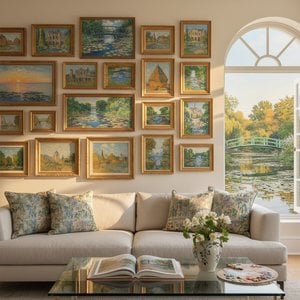
क्लाउड मोनेट की शीर्ष 25 पेंटिंग! प्रभाववाद के जादू और वॉटर लिलीज़ की सुंदरता का अनुभव करें। कला इतिहास, तकनीक और प्रेरणादायक कहानियाँ जानें। WahooArt.com पर उच्च गुणवत्ता वाले कला प्रिंट खोजें।
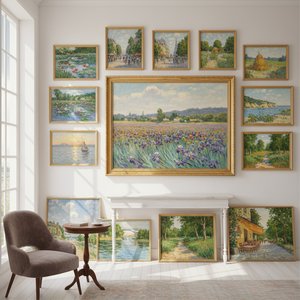
प्रभाववादी परिदृश्य की दुनिया में कदम रखें! मोनेट, रेनोइर और अन्य महान कलाकारों के 10 उत्कृष्ट कृतियों का अन्वेषण करें। कला इतिहास, तकनीक और प्रेरणा जानें। WahooArt.com पर संग्रहालय-गुणवत्ता वाले प्रिंट खोजें।

Journey into the heart of Impressionism! Explore 10 masterpieces by Monet, Renoir & Degas that revolutionized landscape art. Discover their stories, techniques & find museum-quality reproductions to elevate your home decor on WahooArt.com.

Journey through Impressionism's heart with 10 iconic paintings by Monet, Renoir & Degas. Explore light, color & the stories behind these masterpieces. Find museum-quality art reproductions and elevate your home decor on WahooArt.com.

पॉल सेज़ान की शीर्ष 25 उत्कृष्ट कृतियों का अन्वेषण करें! प्रभाववाद और आधुनिक कला के जनक सेज़ान के जीवन, शैली और प्रसिद्ध चित्रों को जानें। WahooArt पर उच्च गुणवत्ता वाले कैनवास प्रिंट और दीवार सजावट खरीदें।

 पूर्वावलोकन देखें
 साझा करें
 साझा करें
 विस्तृत विवरण

 डाउनलोड करें
 समान कलाकृतियाँ
 एक्स-रे
 स्लाइड शो देखें

 पूरा देखें







 ग्लास का विकल्प केवल 110 सेमी से कम आकार में ही उपलब्ध है।


