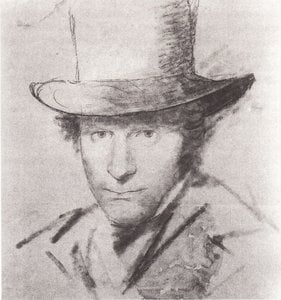
कार्ल ब्लेचेन: रोमांटिक औद्योगिकीकरण के अग्रदूत
कार्ल एडुआर्ड फर्डिनेंड ब्लेचेन, जिनका जन्म 1798 में जर्मनी के कॉटबस शहर में हुआ था, परिदृश्य चित्रकला की परंपरा में एक अद्वितीय और अक्सर अनदेखा स्थान रखते हैं। उनका जीवन कलात्मक प्रतिभा और व्यक्तिगत उथल-पुथल दोनों से चिह्नित था, एक द्वैत जिसने उनकी मार्मिक और अभूतपूर्व रचनाओं को गहराई से आकार दिया। पारिवारिक वित्तीय बाधाओं के कारण उन्हें शुरू में बैंकिंग जैसे व्यावहारिक करियर के लिए नियत किया गया था, लेकिन उनकी अंतर्निहित कलात्मक प्रवृत्तियाँ प्रबल हुईं। उन्होंने 1822 में बर्लिन एकेडमी ऑफ आर्ट्स में अध्ययन किया, एक ऐसे मार्ग पर आगे बढ़े जिससे वे पहले कलाकारों में से एक बन गए जिन्होंने प्रारंभिक औद्योगिकीकरण द्वारा प्रस्तुत सौंदर्य चुनौतियों—और संभावनाओं—का सामना किया।
ब्लेचेन के शुरुआती वर्ष यूरोप में व्याप्त रोमांटिक आदर्शों में डूबे हुए थे। हालाँकि, उनके कई समकालीनों के विपरीत जो केवल आदर्श प्राकृतिक सुंदरता या ऐतिहासिक भव्यता पर ध्यान केंद्रित करते थे, ब्लेचेन की नज़र एक बदलती दुनिया पर पड़ी। 1828-1829 की इटली की यात्रा एक महत्वपूर्ण मोड़ साबित हुई। इतालवी देहाती इलाकों की रोशनी और वातावरण में डूबे हुए, उन्होंने खुले मैदान में स्केचिंग कौशल को निखारा, उल्लेखनीय संवेदनशीलता के साथ क्षणिक क्षणों और नाटकीय प्रभावों को कैद किया। ये रेखाचित्र केवल प्रारंभिक अध्ययन नहीं थे; वे एक जीवंत ऊर्जा से ओत-प्रोत थे जो उनकी परिपक्व शैली की विशेषता होगी। बर्लिन लौटने पर वे न केवल एक तकनीकी रूप से कुशल चित्रकार बने, बल्कि एक विशिष्ट दृष्टि वाले कलाकार भी बने—एक ऐसी दृष्टि जिसने प्रकृति की उदात्त सुंदरता को आधुनिकता की बढ़ती वास्तविकताओं के साथ समेटने का प्रयास किया।
परंपरा और परिवर्तन को नेविगेट करना
ब्लेचेन के कलात्मक उत्पादन में रोमांटिक संवेदनशीलता और एक प्रारंभिक यथार्थवाद के बीच एक सम्मोहक तनाव है। उन्होंने उभरते औद्योगिक परिदृश्य को चित्रित करने से नहीं हिचकिचाया, लेकिन न ही उन्होंने इसकी आलोचना की। 1830 और 1832 के बीच चित्रित Bau der Teufelsbrücke (शैतान के पुल का निर्माण) इस दृष्टिकोण का उदाहरण देता है। यह चित्र इंजीनियरिंग उपलब्धि की महिमा नहीं करता है; इसके बजाय, यह एक नाटकीय पृष्ठभूमि के खिलाफ कठिन श्रम का दृश्य प्रस्तुत करता है, जो मानव महत्वाकांक्षा और प्राकृतिक व्यवस्था को बाधित करने की क्षमता दोनों का संकेत देता है। समय की जटिलताओं का सामना करने की उनकी इच्छा उन्हें अपने समकालीनों से अलग करती है।
उनके परिदृश्य अक्सर उदास वातावरण से ओत-प्रोत होते हैं, जो न केवल बदलते भौतिक पर्यावरण बल्कि उनके अपने आंतरिक संघर्षों को भी दर्शाते हैं। उदाहरण के लिए, Waldweg bei Spandau (स्पैंडौ के पास वन पथ) एकाकीपन और आत्मनिरीक्षण की भावना जगाता है, साथ ही प्रकाश और छाया में ब्लेचेन की महारत का प्रदर्शन करता है। उन्होंने गहराई और मनोदशा बनाने के लिए वायुमंडलीय परिप्रेक्ष्य को कुशलता से नियोजित किया, दर्शक को दृश्य में खींचा और चिंतन को आमंत्रित किया। वे केवल यह रिकॉर्ड नहीं कर रहे थे कि उन्होंने क्या देखा; वे इसके प्रति एक भावनात्मक प्रतिक्रिया व्यक्त कर रहे थे।
एक प्रतिभाशाली प्रतिभा और स्थायी विरासत
अपनी कलात्मक उपलब्धियों के बावजूद, ब्लेचेन का जीवन दुखद रूप से मानसिक बीमारी ने छोटा कर दिया था। 1831 में बर्लिन एकेडमी में लैंडस्केप पेंटिंग के प्रोफेसर के रूप में नियुक्त—उनकी बढ़ती प्रतिष्ठा का प्रमाण—उनकी स्थिति 1835 के बाद तेजी से बिगड़ती गई। उन्हें अवकाश लेने और अंततः अस्पताल में भर्ती होने के लिए मजबूर किया गया, उन्होंने अपनी पीड़ा के बीच भी कला बनाना जारी रखा, मार्मिक रेखाचित्र तैयार किए जो उनकी परेशान आंतरिक दुनिया की एक झलक प्रदान करते हैं। 1840 में बर्लिन में 41 वर्ष की आयु में उनका निधन हो गया।
हालांकि उनका करियर अपेक्षाकृत संक्षिप्त था, कार्ल ब्लेचेन का बाद की पीढ़ियों के कलाकारों पर प्रभाव निर्विवाद है। औद्योगिक परिदृश्यों के उनके अग्रणी चित्रण ने बाद के यथार्थवादी और प्रभाववादी चित्रकारों के लिए मार्ग प्रशस्त किया जिन्होंने आधुनिक जीवन के बदलते चेहरे को कैद करने की मांग की। उन्होंने यह प्रदर्शित किया कि परिवर्तन के बीच भी सुंदरता—और अर्थ—ढूंढना संभव है, एक ऐसा सबक जो आज भी कलाकारों के साथ गूंजता रहता है। उनका काम मानवता, प्रकृति और प्रगति के बीच जटिल संबंध की एक शक्तिशाली अनुस्मारक बना हुआ है।
प्रमुख रचनाएँ एवं संग्रह
- Im Berliner Tiergarten (बर्लिन चिड़ियाघर), 1825: रोमांटिक संवेदनशीलता के साथ वायुमंडलीय प्रभावों और रोजमर्रा के दृश्यों को पकड़ने की उनकी क्षमता का प्रारंभिक उदाहरण।
- Waldweg bei Spandau (स्पैंडौ के पास वन पथ): एक प्रेतवाधित परिदृश्य जो प्रकाश, छाया और मनोदशा में उनकी महारत का प्रतीक है।
- Bau der Teufelsbrücke (शैतान के पुल का निर्माण), 1830–32: प्रारंभिक औद्योगिकीकरण का एक अभूतपूर्व चित्रण, जो मानव महत्वाकांक्षा और प्राकृतिक दुनिया पर इसके प्रभाव दोनों को दर्शाता है।
आज, ब्लेचेन की रचनाएँ दुनिया भर के प्रमुख संग्रहालय संग्रहों में पाई जा सकती हैं, जिनमें जर्मनी का कुन्स्टहल्ले Bielefeld, कैम्ब्रिज का फिट्ज़विलियम संग्रहालय और लंदन का राष्ट्रीय गैलरी शामिल हैं। ये संस्थान भविष्य की पीढ़ियों के लिए उनकी विरासत को संरक्षित करते हैं, यह सुनिश्चित करते हुए कि उनकी नवीन दृष्टि प्रेरित करती रहे और दर्शकों को चुनौती देती रहे।



 पूर्वावलोकन देखें
 हाथ से बनी पेंटिंग खरीदें
 साझा करें
 साझा करें
 विस्तृत विवरण
 मार्गदर्शिका

 डाउनलोड करें
 समान कलाकृतियाँ
 एक्स-रे
 स्लाइड शो देखें
 आंकड़े


 पूरा देखें






































 ग्लास का विकल्प केवल 110 सेमी से कम आकार में ही उपलब्ध है।