पूर्वावलोकन देखें AR में प्रीव्यू देखें हाथ से बनी पेंटिंग खरीदें डिजिटल इमेज पर जाएँ भेजें


विवरण देखें मार्गदर्शिका पसंदीदा में जोड़ें डाउनलोड करें समान वस्तुएं एक्स-रे स्लाइड शो देखें आंकड़े

Self-Portrait

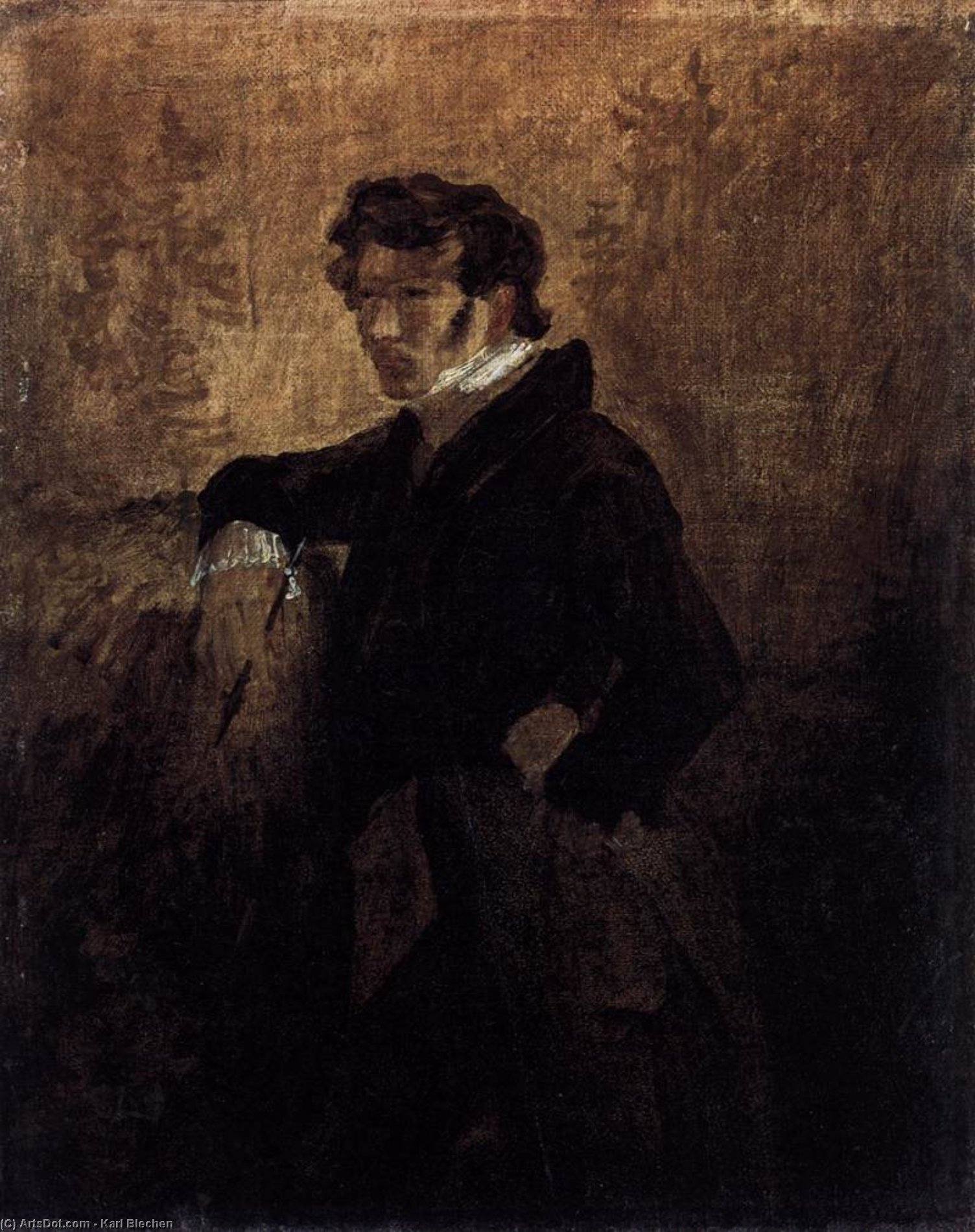
Carl Blechen’s ‘Self-Portrait,’ created in 1823 exemplifies Romanticism’s fascination with industrial landscapes. This poignant depiction captures a contemplative gaze amidst formal attire—a testament to Blechen's pioneering exploration of artistic expression within the burgeoning era of industrialization.

कार्ल ब्लेचेन (1798-1840) एक जर्मन रोमांटिक चित्रकार थे जो अपनी मनमोहक परिदृश्यों और शुरुआती औद्योगिकीकरण के अग्रणी चित्रणों के लिए प्रसिद्ध हैं। उनकी इतालवी स्केच और स्थायी प्रभाव का अन्वेषण करें।

गिक्ली / आर्ट प्रिंट

तेज़ उत्पादन और विभिन्न फिनिश विकल्पों के साथ म्यूजियम-क्वालिटी गिकली (giclée) या कैनवस प्रिंट। ( हाथ से बनी पेंटिंग खरीदें डिजिटल इमेज पर जाएँ)

Corner sample of the P118B picture frame: moulded polystyrene, 5 cm wide and 3 cm thick
P118B ₹10
Corner sample of the P118H picture frame: moulded polystyrene, 5 cm wide and 3 cm thick
P118H ₹10
Corner sample of the P118W picture frame: moulded polystyrene, 5 cm wide and 3 cm thick
P118W ₹10
Corner sample of the P438Z picture frame: moulded polystyrene, 5.5 cm wide and 3.5 cm thick
P438Z ₹10
Corner sample of the P508JH picture frame: moulded polystyrene, 7 cm wide and 3.5 cm thick
P508JH ₹12
Corner sample of the P508YH picture frame: moulded polystyrene, 7 cm wide and 3.5 cm thick
P508YH ₹12
Corner sample of the P805H picture frame: moulded polystyrene, 5 cm wide and 3.5 cm thick
P805H ₹10
Corner sample of the P805Z picture frame: moulded polystyrene, 5 cm wide and 3.5 cm thick
P805Z ₹10
Corner sample of the P919BZ picture frame: moulded polystyrene, 7 cm wide and 3.5 cm thick
P919BZ ₹10
Corner sample of the P919G picture frame: moulded polystyrene, 7 cm wide and 3.5 cm thick
P919G ₹10
Corner sample of the P919XJ picture frame: moulded polystyrene, 7 cm wide and 3.5 cm thick
P919XJ ₹10
Corner sample of the P959ZH picture frame: moulded polystyrene, 5 cm wide and 3 cm thick
P959ZH ₹10
Corner sample of the P968JZ picture frame: moulded polystyrene, 6 cm wide and 4 cm thick
P968JZ ₹12
Corner sample of the W106C picture frame: solid wood, 5 cm wide and 3 cm thick
W106C ₹8
Corner sample of the W218G picture frame: solid wood, 5 cm wide and 3 cm thick
W218G ₹10
Corner sample of the W218JH picture frame: solid wood, 5 cm wide and 3 cm thick
W218JH ₹8
Corner sample of the W218Y picture frame: solid wood, 5 cm wide and 3 cm thick
W218Y ₹10
Corner sample of the W307PJ picture frame: solid wood, 6 cm wide and 3 cm thick
W307PJ ₹10
Corner sample of the W316G picture frame: solid wood, 6 cm wide and 3 cm thick
W316G ₹10
Corner sample of the W316PJ picture frame: solid wood, 6 cm wide and 3 cm thick
W316PJ ₹8
Corner sample of the W316Y picture frame: solid wood, 6 cm wide and 3 cm thick
W316Y ₹10
Corner sample of the W398PJ picture frame: solid wood, 5 cm wide and 3 cm thick
W398PJ ₹8
Corner sample of the W4111J picture frame: solid wood, 6.5 cm wide and 3.5 cm thick
W4111J ₹10
Corner sample of the W500HY picture frame: solid wood, 7 cm wide and 5 cm thick
W500HY ₹15
Corner sample of the W500JH picture frame: solid wood, 7 cm wide and 5 cm thick
W500JH ₹15
Corner sample of the W692G picture frame: solid wood, 8 cm wide and 4 cm thick
W692G ₹12
Corner sample of the W849H picture frame: solid wood, 5 cm wide and 3 cm thick
W849H ₹8
Corner sample of the W940BG picture frame: solid wood, 7.5 cm wide and 4.5 cm thick
W940BG ₹15
Corner sample of the W953PJ picture frame: solid wood, 6 cm wide and 3.5 cm thick
W953PJ ₹8

मानक आकार
अनुकूलित
CM
INCH

कलाकृति के मूल अनुपात से मेल खाने वाले हमारे पूर्व निर्धारित आकारों में से चुनें।

चौड़ाई
ऊँचाई

आप किसी विशिष्ट फ्रेम या स्थान के अनुसार अपने स्वयं के आयाम (dimensions) दर्ज कर सकते हैं। यदि आपके द्वारा चुना गया आकार मूल छवि के अनुपात से मेल नहीं खाता है, तो हम कलाकृति को क्रॉप कर देंगे या मिरर किए गए या सॉलिड-फिल किनारे के साथ छवि का विस्तार करेंगे। उत्पादन शुरू होने से पहले आपकी स्वीकृति के लिए एक डिजिटल मॉकअप भेजा जाएगा।
कृपया ध्यान दें कि स्क्रीन पर दिखने वाला प्रीव्यू वास्तविक क्रॉपिंग या विस्तार को नहीं दर्शाता है। केवल मॉकअप ही अंतिम संरचना को सटीक रूप से दिखाएगा।
हालाँकि कस्टम आकार उपलब्ध हैं, फिर भी हम मूल अनुपात बनाए रखने के लिए पूर्व-निर्धारित सूची में से एक आयाम चुनने की सलाह देते हैं।

विश्वव्यापी डिलीवरी (), मानक 4/5 सप्ताह के बजाय मात्र 2 सप्ताह में। (10 अक्टूबर)

दुनिया भर में मुफ़्त एक्सप्रेस शिपिंग
प्रीमियम ग्रेड लिनेन कैनवास
पूर्ण शिपिंग बीमा
सीमा शुल्क और आयात कर वापसी की गारंटी
सटीक रंग मिलान की गारंटी
100 दिनों की वापसी नीति (केवल निर्माण दोष होने पर)
100% पैसे वापसी की गारंटी
थोक छूट का अवसर

कुल कीमत

₹ 6496

Self-Portrait

गिक्ली / आर्ट प्रिंट

प्रतिकृति का आकार

-

कुल मूल्य

₹ 6496

मुख्य विवरण

  • Dimensions: 26 x 20 cm
  • Medium: Oil on canvas
  • Artistic style: Psychological realism
  • Influences: Romanticism
  • Title: Self-Portrait
  • Artist: Carl Blechen
  • Location: Alte Nationalgalerie, Berlin, Germany

कला प्रश्नोत्तरी

प्रत्येक प्रश्न का केवल एक ही सही उत्तर है।

प्रश्न 1:
What artistic movement is Carl Blechen’s ‘Self-Portrait’ associated with?
प्रश्न 2:
The painting depicts a man in what attire?
प्रश्न 3:
What is notable about Blechen's approach to landscape painting compared to many of his contemporaries?
प्रश्न 4:
In what year was ‘Self-Portrait’ created?
प्रश्न 5:
Where is ‘Self-Portrait’ currently housed?

A Visionary Encounter with Industry’s Dawn

  • Subject Matter: This striking self-portrait by Carl Blechen captures a contemplative gaze directed downwards, presenting an image of intellectual introspection amidst the burgeoning industrial landscape. The artist's posture exudes seriousness and thoughtfulness—a deliberate contrast to the prevailing Romantic preoccupation with sublime landscapes.
  • Style: Blechen’s work exemplifies the Romantic Industrialization movement, marking a pivotal shift away from traditional artistic conventions. While rooted in Romantic ideals of emotion and imagination, he simultaneously confronts the realities of industrial progress with unflinching honesty. The portrait eschews idealized beauty for a psychologically nuanced depiction.
  • Technique: Executed in black and white lithograph printing, Blechen skillfully employs tonal gradation to convey depth and texture. Lithography, a relatively new technique at the time, allowed for precise reproductions of detail—a testament to Blechen’s artistic vision and his willingness to experiment with innovative methods.
  • Historical Context: Created in 1823, this portrait emerged during a period of intense social and intellectual ferment. The Industrial Revolution was reshaping Europe, prompting artists like Blechen to grapple with questions of modernity, alienation, and the human condition. It reflects a broader artistic dialogue concerning how nature and humanity coexist within an evolving world.
  • Symbolism: Beyond its formal representation, the self-portrait carries symbolic weight. The downward gaze suggests introspection and contemplation—a desire to reconcile Romantic idealism with the tangible pressures of industrial society. Furthermore, the suit symbolizes professionalism and social responsibility, mirroring Blechen’s own aspirations as he navigated his artistic career.

Lithograph Printing: A Revolutionary Medium

The choice of lithograph printing was particularly significant for Blechen's time. Unlike oil paints or watercolor—the dominant mediums of the Romantic era—lithography offered unparalleled precision and tonal control. Developed in France during the preceding decade, it allowed artists to achieve photographic realism without resorting to camera obscura techniques. This method ensured that Blechen’s portrait would retain its intricate detail and expressive atmosphere for generations to come.

Romantic Industrialization: Bridging Imagination and Reality

Blechen's artistic trajectory represents a fascinating intersection between Romantic idealism and the burgeoning realities of industrialization. While acknowledging the sublime beauty of nature—a hallmark of Romantic art—he simultaneously recognized its vulnerability to encroachment by technological advancements. This duality is powerfully conveyed in his self-portrait, prompting viewers to consider the complexities inherent in reconciling aesthetic ideals with societal transformations.

Emotional Resonance: A Portrait of Quiet Contemplation

Ultimately, Blechen’s self-portrait transcends mere visual representation; it communicates a profound emotional resonance. The artist's gaze—directed downwards—suggests a preoccupation with internal reflection and a yearning for understanding amidst the turbulent currents of his era. It invites contemplation on themes of identity, purpose, and the enduring human spirit—a timeless message that continues to captivate audiences today.

प्रश्न और उत्तर

कार्ल ब्लेचेन के करियर में "Self-Portrait" किस कालखंड का हिस्सा है?

"Self-Portrait" कार्ल ब्लेचेन के करियर के Early Romanticism काल से संबंधित है। यह वर्गीकरण इस कृति को कलाकार के विकासक्रम से जोड़ता है।

कार्ल ब्लेचेन द्वारा "Self-Portrait" किस वर्ष में बनाया गया था?

कार्ल ब्लेचेन द्वारा "Self-Portrait" का निर्माण 1823 में हुआ था।

1823 में "Self-Portrait" की रचना करते समय कार्ल ब्लेचेन की आयु क्या थी?

जब 1823 में "Self-Portrait" का निर्माण किया गया था, तब 1798 में जन्मे कार्ल ब्लेचेन की आयु 25 वर्ष थी।

आज कार्ल ब्लेचेन द्वारा "Self-Portrait" कहाँ प्रदर्शित है?

मूल कार्ल ब्लेचेन द्वारा "Self-Portrait" Nationalgalerie, बर्लिन, जर्मनी में सुरक्षित है। एक प्रतिलिपि (reproduction) इस कृति को आपके घर में प्रदर्शित करने का अवसर देती है।

वास्तविक जीवन में कार्ल ब्लेचेन द्वारा "Self-Portrait" का आकार क्या है?

कार्ल ब्लेचेन द्वारा "Self-Portrait" का दर्ज किया गया आकार 26 x 20 cm है। समान अनुपात बनाए रखते हुए अन्य आकारों में भी इसकी प्रतिकृतियां (reproductions) मंगवाई जा सकती हैं।

कार्ल ब्लेचेन द्वारा "Self-Portrait" किस कला आंदोलन (art movement) से संबंधित है?

कार्ल ब्लेचेन द्वारा "Self-Portrait" से जुड़ी कला शैली Romantic Industrialization है। यह वर्गीकरण इस कृति को संबंधित कलाकारों और कलाकृतियों के बीच स्थापित करता है।

"Self-Portrait" का निर्माण किसने किया?

"Self-Portrait" के पीछे के कलाकार कार्ल ब्लेचेन हैं। यह कृति कार्ल ब्लेचेन के नाम के अंतर्गत सूचीबद्ध है।


कलाकार का परिचय

कार्ल ब्लेचेन: रोमांटिक औद्योगिकीकरण के अग्रदूत

कार्ल एडुआर्ड फर्डिनेंड ब्लेचेन, जिनका जन्म 1798 में जर्मनी के कॉटबस शहर में हुआ था, परिदृश्य चित्रकला की परंपरा में एक अद्वितीय और अक्सर अनदेखा स्थान रखते हैं। उनका जीवन कलात्मक प्रतिभा और व्यक्तिगत उथल-पुथल दोनों से चिह्नित था, एक द्वैत जिसने उनकी मार्मिक और अभूतपूर्व रचनाओं को गहराई से आकार दिया। पारिवारिक वित्तीय बाधाओं के कारण उन्हें शुरू में बैंकिंग जैसे व्यावहारिक करियर के लिए नियत किया गया था, लेकिन उनकी अंतर्निहित कलात्मक प्रवृत्तियाँ प्रबल हुईं। उन्होंने 1822 में बर्लिन एकेडमी ऑफ आर्ट्स में अध्ययन किया, एक ऐसे मार्ग पर आगे बढ़े जिससे वे पहले कलाकारों में से एक बन गए जिन्होंने प्रारंभिक औद्योगिकीकरण द्वारा प्रस्तुत सौंदर्य चुनौतियों—और संभावनाओं—का सामना किया।

ब्लेचेन के शुरुआती वर्ष यूरोप में व्याप्त रोमांटिक आदर्शों में डूबे हुए थे। हालाँकि, उनके कई समकालीनों के विपरीत जो केवल आदर्श प्राकृतिक सुंदरता या ऐतिहासिक भव्यता पर ध्यान केंद्रित करते थे, ब्लेचेन की नज़र एक बदलती दुनिया पर पड़ी। 1828-1829 की इटली की यात्रा एक महत्वपूर्ण मोड़ साबित हुई। इतालवी देहाती इलाकों की रोशनी और वातावरण में डूबे हुए, उन्होंने खुले मैदान में स्केचिंग कौशल को निखारा, उल्लेखनीय संवेदनशीलता के साथ क्षणिक क्षणों और नाटकीय प्रभावों को कैद किया। ये रेखाचित्र केवल प्रारंभिक अध्ययन नहीं थे; वे एक जीवंत ऊर्जा से ओत-प्रोत थे जो उनकी परिपक्व शैली की विशेषता होगी। बर्लिन लौटने पर वे न केवल एक तकनीकी रूप से कुशल चित्रकार बने, बल्कि एक विशिष्ट दृष्टि वाले कलाकार भी बने—एक ऐसी दृष्टि जिसने प्रकृति की उदात्त सुंदरता को आधुनिकता की बढ़ती वास्तविकताओं के साथ समेटने का प्रयास किया।

परंपरा और परिवर्तन को नेविगेट करना

ब्लेचेन के कलात्मक उत्पादन में रोमांटिक संवेदनशीलता और एक प्रारंभिक यथार्थवाद के बीच एक सम्मोहक तनाव है। उन्होंने उभरते औद्योगिक परिदृश्य को चित्रित करने से नहीं हिचकिचाया, लेकिन न ही उन्होंने इसकी आलोचना की। 1830 और 1832 के बीच चित्रित Bau der Teufelsbrücke (शैतान के पुल का निर्माण) इस दृष्टिकोण का उदाहरण देता है। यह चित्र इंजीनियरिंग उपलब्धि की महिमा नहीं करता है; इसके बजाय, यह एक नाटकीय पृष्ठभूमि के खिलाफ कठिन श्रम का दृश्य प्रस्तुत करता है, जो मानव महत्वाकांक्षा और प्राकृतिक व्यवस्था को बाधित करने की क्षमता दोनों का संकेत देता है। समय की जटिलताओं का सामना करने की उनकी इच्छा उन्हें अपने समकालीनों से अलग करती है।

उनके परिदृश्य अक्सर उदास वातावरण से ओत-प्रोत होते हैं, जो न केवल बदलते भौतिक पर्यावरण बल्कि उनके अपने आंतरिक संघर्षों को भी दर्शाते हैं। उदाहरण के लिए, Waldweg bei Spandau (स्पैंडौ के पास वन पथ) एकाकीपन और आत्मनिरीक्षण की भावना जगाता है, साथ ही प्रकाश और छाया में ब्लेचेन की महारत का प्रदर्शन करता है। उन्होंने गहराई और मनोदशा बनाने के लिए वायुमंडलीय परिप्रेक्ष्य को कुशलता से नियोजित किया, दर्शक को दृश्य में खींचा और चिंतन को आमंत्रित किया। वे केवल यह रिकॉर्ड नहीं कर रहे थे कि उन्होंने क्या देखा; वे इसके प्रति एक भावनात्मक प्रतिक्रिया व्यक्त कर रहे थे।

एक प्रतिभाशाली प्रतिभा और स्थायी विरासत

अपनी कलात्मक उपलब्धियों के बावजूद, ब्लेचेन का जीवन दुखद रूप से मानसिक बीमारी ने छोटा कर दिया था। 1831 में बर्लिन एकेडमी में लैंडस्केप पेंटिंग के प्रोफेसर के रूप में नियुक्त—उनकी बढ़ती प्रतिष्ठा का प्रमाण—उनकी स्थिति 1835 के बाद तेजी से बिगड़ती गई। उन्हें अवकाश लेने और अंततः अस्पताल में भर्ती होने के लिए मजबूर किया गया, उन्होंने अपनी पीड़ा के बीच भी कला बनाना जारी रखा, मार्मिक रेखाचित्र तैयार किए जो उनकी परेशान आंतरिक दुनिया की एक झलक प्रदान करते हैं। 1840 में बर्लिन में 41 वर्ष की आयु में उनका निधन हो गया।

हालांकि उनका करियर अपेक्षाकृत संक्षिप्त था, कार्ल ब्लेचेन का बाद की पीढ़ियों के कलाकारों पर प्रभाव निर्विवाद है। औद्योगिक परिदृश्यों के उनके अग्रणी चित्रण ने बाद के यथार्थवादी और प्रभाववादी चित्रकारों के लिए मार्ग प्रशस्त किया जिन्होंने आधुनिक जीवन के बदलते चेहरे को कैद करने की मांग की। उन्होंने यह प्रदर्शित किया कि परिवर्तन के बीच भी सुंदरता—और अर्थ—ढूंढना संभव है, एक ऐसा सबक जो आज भी कलाकारों के साथ गूंजता रहता है। उनका काम मानवता, प्रकृति और प्रगति के बीच जटिल संबंध की एक शक्तिशाली अनुस्मारक बना हुआ है।

प्रमुख रचनाएँ एवं संग्रह

  • Im Berliner Tiergarten (बर्लिन चिड़ियाघर), 1825: रोमांटिक संवेदनशीलता के साथ वायुमंडलीय प्रभावों और रोजमर्रा के दृश्यों को पकड़ने की उनकी क्षमता का प्रारंभिक उदाहरण।
  • Waldweg bei Spandau (स्पैंडौ के पास वन पथ): एक प्रेतवाधित परिदृश्य जो प्रकाश, छाया और मनोदशा में उनकी महारत का प्रतीक है।
  • Bau der Teufelsbrücke (शैतान के पुल का निर्माण), 1830–32: प्रारंभिक औद्योगिकीकरण का एक अभूतपूर्व चित्रण, जो मानव महत्वाकांक्षा और प्राकृतिक दुनिया पर इसके प्रभाव दोनों को दर्शाता है।

आज, ब्लेचेन की रचनाएँ दुनिया भर के प्रमुख संग्रहालय संग्रहों में पाई जा सकती हैं, जिनमें जर्मनी का कुन्स्टहल्ले Bielefeld, कैम्ब्रिज का फिट्ज़विलियम संग्रहालय और लंदन का राष्ट्रीय गैलरी शामिल हैं। ये संस्थान भविष्य की पीढ़ियों के लिए उनकी विरासत को संरक्षित करते हैं, यह सुनिश्चित करते हुए कि उनकी नवीन दृष्टि प्रेरित करती रहे और दर्शकों को चुनौती देती रहे।

कार्ल ब्लेचेन

कार्ल ब्लेचेन

1798 - 1840 , जर्मनी

संक्षिप्त जानकारी

  • Artistic Movement Or Style: रोमांटिकवाद
  • Artists Who Influenced This Artist:
    • कास्पर डेविड फ्रेडरिक
    • जोहान क्रिश्चियन डाहल
  • Date Of Birth: 29 जुलाई 1798
  • Date Of Death: 23 जुलाई 1840
  • Full Name: कार्ल एडुआर्ड फर्डिनेंड ब्लेचेन
  • Nationality: जर्मन
  • Notable Artworks (List Of Titles):
    • इम बर्लिनर टियरगार्टेन
    • वाल्डवेग बेई स्पंदाउ
    • बाऊ डेर टेउफल्सब्रücke
  • Place Of Birth (City And Country): कॉट्सबस, जर्मनी