पूर्वावलोकन देखें AR में प्रीव्यू देखें हाथ से बनी पेंटिंग खरीदें डिजिटल इमेज पर जाएँ भेजें
विवरण देखें मार्गदर्शिका पसंदीदा में जोड़ें डाउनलोड करें समान वस्तुएं एक्स-रे स्लाइड शो देखें आंकड़े

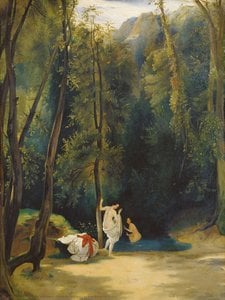
Rolling Mill

Discover 'Rolling Mill' by Carl Blechen – a captivating oil painting depicting an industrial scene from 1834. Explore the intersection of nature and industry through this evocative work.

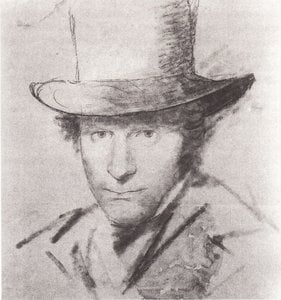
कार्ल ब्लेचेन (1798-1840) एक जर्मन रोमांटिक चित्रकार थे जो अपनी मनमोहक परिदृश्यों और शुरुआती औद्योगिकीकरण के अग्रणी चित्रणों के लिए प्रसिद्ध हैं। उनकी इतालवी स्केच और स्थायी प्रभाव का अन्वेषण करें।

गिक्ली / आर्ट प्रिंट

तेज़ उत्पादन और विभिन्न फिनिश विकल्पों के साथ म्यूजियम-क्वालिटी गिकली (giclée) या कैनवस प्रिंट। ( हाथ से बनी पेंटिंग खरीदें डिजिटल इमेज पर जाएँ)

Corner sample of the P118B picture frame: मोल्डेड पॉलीस्टायरीन, 5 cm wide and 3 cm thick
P118B ₹10
Corner sample of the P118H picture frame: मोल्डेड पॉलीस्टायरीन, 5 cm wide and 3 cm thick
P118H ₹10
Corner sample of the P118W picture frame: मोल्डेड पॉलीस्टायरीन, 5 cm wide and 3 cm thick
P118W ₹10
Corner sample of the P438Z picture frame: मोल्डेड पॉलीस्टायरीन, 5.5 cm wide and 3.5 cm thick
P438Z ₹10
Corner sample of the P508JH picture frame: मोल्डेड पॉलीस्टायरीन, 7 cm wide and 3.5 cm thick
P508JH ₹12
Corner sample of the P508YH picture frame: मोल्डेड पॉलीस्टायरीन, 7 cm wide and 3.5 cm thick
P508YH ₹12
Corner sample of the P805H picture frame: मोल्डेड पॉलीस्टायरीन, 5 cm wide and 3.5 cm thick
P805H ₹10
Corner sample of the P805Z picture frame: मोल्डेड पॉलीस्टायरीन, 5 cm wide and 3.5 cm thick
P805Z ₹10
Corner sample of the P919BZ picture frame: मोल्डेड पॉलीस्टायरीन, 7 cm wide and 3.5 cm thick
P919BZ ₹10
Corner sample of the P919G picture frame: मोल्डेड पॉलीस्टायरीन, 7 cm wide and 3.5 cm thick
P919G ₹10
Corner sample of the P919XJ picture frame: मोल्डेड पॉलीस्टायरीन, 7 cm wide and 3.5 cm thick
P919XJ ₹10
Corner sample of the P959ZH picture frame: मोल्डेड पॉलीस्टायरीन, 5 cm wide and 3 cm thick
P959ZH ₹10
Corner sample of the P968JZ picture frame: मोल्डेड पॉलीस्टायरीन, 6 cm wide and 4 cm thick
P968JZ ₹12
Corner sample of the W106C picture frame: ठोस लकड़ी, 5 cm wide and 3 cm thick
W106C ₹8
Corner sample of the W218G picture frame: ठोस लकड़ी, 5 cm wide and 3 cm thick
W218G ₹10
Corner sample of the W218JH picture frame: ठोस लकड़ी, 5 cm wide and 3 cm thick
W218JH ₹8
Corner sample of the W218Y picture frame: ठोस लकड़ी, 5 cm wide and 3 cm thick
W218Y ₹10
Corner sample of the W307PJ picture frame: ठोस लकड़ी, 6 cm wide and 3 cm thick
W307PJ ₹10
Corner sample of the W316G picture frame: ठोस लकड़ी, 6 cm wide and 3 cm thick
W316G ₹10
Corner sample of the W316PJ picture frame: ठोस लकड़ी, 6 cm wide and 3 cm thick
W316PJ ₹8
Corner sample of the W316Y picture frame: ठोस लकड़ी, 6 cm wide and 3 cm thick
W316Y ₹10
Corner sample of the W398PJ picture frame: ठोस लकड़ी, 5 cm wide and 3 cm thick
W398PJ ₹8
Corner sample of the W4111J picture frame: ठोस लकड़ी, 6.5 cm wide and 3.5 cm thick
W4111J ₹10
Corner sample of the W500HY picture frame: ठोस लकड़ी, 7 cm wide and 5 cm thick
W500HY ₹15
Corner sample of the W500JH picture frame: ठोस लकड़ी, 7 cm wide and 5 cm thick
W500JH ₹15
Corner sample of the W692G picture frame: ठोस लकड़ी, 8 cm wide and 4 cm thick
W692G ₹12
Corner sample of the W849H picture frame: ठोस लकड़ी, 5 cm wide and 3 cm thick
W849H ₹8
Corner sample of the W940BG picture frame: ठोस लकड़ी, 7.5 cm wide and 4.5 cm thick
W940BG ₹15
Corner sample of the W953PJ picture frame: ठोस लकड़ी, 6 cm wide and 3.5 cm thick
W953PJ ₹8

मानक आकार
अनुकूलित
CM
INCH

कलाकृति के मूल अनुपात से मेल खाने वाले हमारे पूर्व निर्धारित आकारों में से चुनें।

चौड़ाई
ऊँचाई

अपने फ्रेम या अपनी दीवार के अनुसार आवश्यक चौड़ाई और ऊंचाई दर्ज करें। प्रिंट को केवल काटा जा सकता है, चित्र से बड़ा कभी नहीं बनाया जा सकता, इसलिए अलग आकार का साइज चित्र का एक हिस्सा खो देता है। किसी भी चीज़ को प्रिंट करने से पहले हम आपकी स्वीकृति के लिए आपको एक डिजिटल मॉकअप भेजते हैं। इस पृष्ठ पर दिखाया गया चित्र वास्तविक कटिंग नहीं दिखाता है — केवल मॉकअप ही इसे दर्शाता है।

विश्वव्यापी डिलीवरी (), मानक 4/5 सप्ताह के बजाय मात्र 2 सप्ताह में। (22 अक्टूबर)

दुनिया भर में मुफ़्त एक्सप्रेस शिपिंग
प्रीमियम ग्रेड लिनेन कैनवास
पूर्ण शिपिंग बीमा
सीमा शुल्क और आयात कर वापसी की गारंटी
सटीक रंग मिलान की गारंटी
100 दिनों की वापसी नीति (केवल निर्माण दोष होने पर)
100% पैसे वापसी की गारंटी
थोक छूट का अवसर

कुल कीमत

₹ 6505

Rolling Mill

गिक्ली / आर्ट प्रिंट

प्रतिकृति का आकार

-

कुल मूल्य

₹ 6505

मुख्य विवरण

  • Notable elements: Industrial scene
  • Title: Rolling Mill
  • Year: 1834
  • Medium: Oil on panel
  • Location: Nationalgalerie, Berlin

कला प्रश्नोत्तरी

प्रत्येक प्रश्न का केवल एक ही सही उत्तर है।

प्रश्न 1:
What is the primary subject depicted in Carl Blechen’s ‘Rolling Mill’?
प्रश्न 2:
In what year was Carl Blechen’s ‘Rolling Mill’ painted?
प्रश्न 3:
The painting 'Rolling Mill' reflects which artistic movement’s interest in depicting the realities of industrialization?
प्रश्न 4:
What is a key characteristic of Carl Blechen’s style as seen in ‘Rolling Mill’?
प्रश्न 5:
The presence of the angler in ‘Rolling Mill’ symbolizes what aspect of the painting?

The Weight of Progress: Carl Blechen’s “Rolling Mill”

Carl Blechen's "Rolling Mill" isn’t merely a depiction of a factory; it’s a profound meditation on the burgeoning industrial landscape of 19th-century Germany, rendered with a haunting beauty that belies its subject matter. Painted in 1834, this oil on canvas captures a pivotal moment – the rise of mechanized production and its complex relationship to the natural world. Blechen, a key figure in bridging Romanticism and early industrialization, eschews the idealized pastoral scenes favored by many of his contemporaries, instead confronting the gritty reality of factories like the Neustadt-Eberswalde Rolling Mill, one of the first metalworking plants in the Mark Brandenburg.

The painting immediately draws the eye to a vast, imposing structure dominated by towering smokestacks and the rhythmic clang of machinery. Blechen masterfully employs atmospheric perspective – a technique borrowed from the Italian masters he admired – to create a sense of depth and scale. The distant hills are rendered in muted blues and purples, contrasting sharply with the darker tones of the mill itself. This deliberate juxtaposition highlights the encroachment of industry upon the serene beauty of the countryside, suggesting a fundamental shift in the relationship between humanity and nature.

A Romantic Encounter with Industry

Blechen’s approach to industrial subject matter is remarkably nuanced. He doesn't present the factory as a symbol of progress or triumph; rather, he imbues it with a melancholic quality. The scene is populated by figures – a solitary angler casting his line into the Finow Canal and two fishermen hauling in their nets – who seem almost oblivious to the industrial activity unfolding behind them. These individuals represent a traditional way of life, seemingly untouched by the forces of modernization. Their presence serves as a poignant reminder of what’s being lost in the relentless march forward.

The painting's composition is carefully orchestrated to evoke a sense of unease and contemplation. The dominant verticality of the mill contrasts with the horizontal lines of the river, creating a visual tension that mirrors the conflict between tradition and innovation. Blechen’s use of light and shadow further enhances this effect, casting long, dramatic shadows across the landscape and emphasizing the imposing scale of the factory.

Technique and Symbolism

Blechen's technical skill is evident in his meticulous attention to detail – from the intricate patterns of the machinery to the subtle variations in color and texture. He employs a loose, expressive brushstroke that captures the dynamism of the scene while maintaining a sense of atmospheric depth. The painting’s palette is dominated by earthy tones—browns, grays, and ochres—which contribute to its somber mood. The smoke billowing from the chimneys isn't simply a visual element; it symbolizes the pollution and environmental degradation associated with industrialization – a subtle but powerful critique of the era.

Interestingly, Blechen’s work predates many later Romantic depictions of industry, making it a remarkably prescient commentary on the social and environmental consequences of rapid technological advancement. The painting's enduring power lies in its ability to capture not just the physical reality of the rolling mill but also the emotional and philosophical complexities of an era defined by profound transformation.

A Legacy of Observation

“Rolling Mill” stands as a testament to Carl Blechen’s unique artistic vision. It's a work that invites viewers to consider the lasting impact of industrialization on both the landscape and the human spirit. Reproductions of this powerful image offer a valuable opportunity to engage with a pivotal moment in art history, prompting reflection on our own relationship with technology and the environment. The painting’s continued relevance speaks volumes about Blechen's ability to capture the essence of his time—a time of both unprecedented progress and profound uncertainty.

प्रश्न और उत्तर

मूल कार्ल ब्लेचेन द्वारा "Rolling Mill" की तकनीक और आकार क्या है?

मूल कार्ल ब्लेचेन द्वारा "Rolling Mill" एक Acrylic On Canvas कृति है जिसका माप 26 x 33 cm है। तकनीक और आकार मूल वस्तु का वर्णन करते हैं।

कार्ल ब्लेचेन ने "Rolling Mill" किस उम्र में बनाया था?

1834 में "Rolling Mill" की रचना करते समय कार्ल ब्लेचेन की आयु 36 वर्ष थी। यह आयु कलाकार के जन्म वर्ष, 1798, से गणना की गई है।

"Rolling Mill" को कितने लोग देखते हैं?

कार्ल ब्लेचेन द्वारा "Rolling Mill" के बारे में आँकड़े कलाकृति के आंकड़े पृष्ठ पर उपलब्ध हैं: कलाकृति की मासिक यात्राएँ, कलाकार की कृतियों की यात्राएँ, और हाल के आगंतुकों का देश और भाषा के आधार पर विवरण।


कलाकार का परिचय

कार्ल ब्लेचेन: रोमांटिक औद्योगिकीकरण के अग्रदूत

कार्ल एडुआर्ड फर्डिनेंड ब्लेचेन, जिनका जन्म 1798 में जर्मनी के कॉटबस शहर में हुआ था, परिदृश्य चित्रकला की परंपरा में एक अद्वितीय और अक्सर अनदेखा स्थान रखते हैं। उनका जीवन कलात्मक प्रतिभा और व्यक्तिगत उथल-पुथल दोनों से चिह्नित था, एक द्वैत जिसने उनकी मार्मिक और अभूतपूर्व रचनाओं को गहराई से आकार दिया। पारिवारिक वित्तीय बाधाओं के कारण उन्हें शुरू में बैंकिंग जैसे व्यावहारिक करियर के लिए नियत किया गया था, लेकिन उनकी अंतर्निहित कलात्मक प्रवृत्तियाँ प्रबल हुईं। उन्होंने 1822 में बर्लिन एकेडमी ऑफ आर्ट्स में अध्ययन किया, एक ऐसे मार्ग पर आगे बढ़े जिससे वे पहले कलाकारों में से एक बन गए जिन्होंने प्रारंभिक औद्योगिकीकरण द्वारा प्रस्तुत सौंदर्य चुनौतियों—और संभावनाओं—का सामना किया।

ब्लेचेन के शुरुआती वर्ष यूरोप में व्याप्त रोमांटिक आदर्शों में डूबे हुए थे। हालाँकि, उनके कई समकालीनों के विपरीत जो केवल आदर्श प्राकृतिक सुंदरता या ऐतिहासिक भव्यता पर ध्यान केंद्रित करते थे, ब्लेचेन की नज़र एक बदलती दुनिया पर पड़ी। 1828-1829 की इटली की यात्रा एक महत्वपूर्ण मोड़ साबित हुई। इतालवी देहाती इलाकों की रोशनी और वातावरण में डूबे हुए, उन्होंने खुले मैदान में स्केचिंग कौशल को निखारा, उल्लेखनीय संवेदनशीलता के साथ क्षणिक क्षणों और नाटकीय प्रभावों को कैद किया। ये रेखाचित्र केवल प्रारंभिक अध्ययन नहीं थे; वे एक जीवंत ऊर्जा से ओत-प्रोत थे जो उनकी परिपक्व शैली की विशेषता होगी। बर्लिन लौटने पर वे न केवल एक तकनीकी रूप से कुशल चित्रकार बने, बल्कि एक विशिष्ट दृष्टि वाले कलाकार भी बने—एक ऐसी दृष्टि जिसने प्रकृति की उदात्त सुंदरता को आधुनिकता की बढ़ती वास्तविकताओं के साथ समेटने का प्रयास किया।

परंपरा और परिवर्तन को नेविगेट करना

ब्लेचेन के कलात्मक उत्पादन में रोमांटिक संवेदनशीलता और एक प्रारंभिक यथार्थवाद के बीच एक सम्मोहक तनाव है। उन्होंने उभरते औद्योगिक परिदृश्य को चित्रित करने से नहीं हिचकिचाया, लेकिन न ही उन्होंने इसकी आलोचना की। 1830 और 1832 के बीच चित्रित Bau der Teufelsbrücke (शैतान के पुल का निर्माण) इस दृष्टिकोण का उदाहरण देता है। यह चित्र इंजीनियरिंग उपलब्धि की महिमा नहीं करता है; इसके बजाय, यह एक नाटकीय पृष्ठभूमि के खिलाफ कठिन श्रम का दृश्य प्रस्तुत करता है, जो मानव महत्वाकांक्षा और प्राकृतिक व्यवस्था को बाधित करने की क्षमता दोनों का संकेत देता है। समय की जटिलताओं का सामना करने की उनकी इच्छा उन्हें अपने समकालीनों से अलग करती है।

उनके परिदृश्य अक्सर उदास वातावरण से ओत-प्रोत होते हैं, जो न केवल बदलते भौतिक पर्यावरण बल्कि उनके अपने आंतरिक संघर्षों को भी दर्शाते हैं। उदाहरण के लिए, Waldweg bei Spandau (स्पैंडौ के पास वन पथ) एकाकीपन और आत्मनिरीक्षण की भावना जगाता है, साथ ही प्रकाश और छाया में ब्लेचेन की महारत का प्रदर्शन करता है। उन्होंने गहराई और मनोदशा बनाने के लिए वायुमंडलीय परिप्रेक्ष्य को कुशलता से नियोजित किया, दर्शक को दृश्य में खींचा और चिंतन को आमंत्रित किया। वे केवल यह रिकॉर्ड नहीं कर रहे थे कि उन्होंने क्या देखा; वे इसके प्रति एक भावनात्मक प्रतिक्रिया व्यक्त कर रहे थे।

एक प्रतिभाशाली प्रतिभा और स्थायी विरासत

अपनी कलात्मक उपलब्धियों के बावजूद, ब्लेचेन का जीवन दुखद रूप से मानसिक बीमारी ने छोटा कर दिया था। 1831 में बर्लिन एकेडमी में लैंडस्केप पेंटिंग के प्रोफेसर के रूप में नियुक्त—उनकी बढ़ती प्रतिष्ठा का प्रमाण—उनकी स्थिति 1835 के बाद तेजी से बिगड़ती गई। उन्हें अवकाश लेने और अंततः अस्पताल में भर्ती होने के लिए मजबूर किया गया, उन्होंने अपनी पीड़ा के बीच भी कला बनाना जारी रखा, मार्मिक रेखाचित्र तैयार किए जो उनकी परेशान आंतरिक दुनिया की एक झलक प्रदान करते हैं। 1840 में बर्लिन में 41 वर्ष की आयु में उनका निधन हो गया।

हालांकि उनका करियर अपेक्षाकृत संक्षिप्त था, कार्ल ब्लेचेन का बाद की पीढ़ियों के कलाकारों पर प्रभाव निर्विवाद है। औद्योगिक परिदृश्यों के उनके अग्रणी चित्रण ने बाद के यथार्थवादी और प्रभाववादी चित्रकारों के लिए मार्ग प्रशस्त किया जिन्होंने आधुनिक जीवन के बदलते चेहरे को कैद करने की मांग की। उन्होंने यह प्रदर्शित किया कि परिवर्तन के बीच भी सुंदरता—और अर्थ—ढूंढना संभव है, एक ऐसा सबक जो आज भी कलाकारों के साथ गूंजता रहता है। उनका काम मानवता, प्रकृति और प्रगति के बीच जटिल संबंध की एक शक्तिशाली अनुस्मारक बना हुआ है।

प्रमुख रचनाएँ एवं संग्रह

  • Im Berliner Tiergarten (बर्लिन चिड़ियाघर), 1825: रोमांटिक संवेदनशीलता के साथ वायुमंडलीय प्रभावों और रोजमर्रा के दृश्यों को पकड़ने की उनकी क्षमता का प्रारंभिक उदाहरण।
  • Waldweg bei Spandau (स्पैंडौ के पास वन पथ): एक प्रेतवाधित परिदृश्य जो प्रकाश, छाया और मनोदशा में उनकी महारत का प्रतीक है।
  • Bau der Teufelsbrücke (शैतान के पुल का निर्माण), 1830–32: प्रारंभिक औद्योगिकीकरण का एक अभूतपूर्व चित्रण, जो मानव महत्वाकांक्षा और प्राकृतिक दुनिया पर इसके प्रभाव दोनों को दर्शाता है।

आज, ब्लेचेन की रचनाएँ दुनिया भर के प्रमुख संग्रहालय संग्रहों में पाई जा सकती हैं, जिनमें जर्मनी का कुन्स्टहल्ले Bielefeld, कैम्ब्रिज का फिट्ज़विलियम संग्रहालय और लंदन का राष्ट्रीय गैलरी शामिल हैं। ये संस्थान भविष्य की पीढ़ियों के लिए उनकी विरासत को संरक्षित करते हैं, यह सुनिश्चित करते हुए कि उनकी नवीन दृष्टि प्रेरित करती रहे और दर्शकों को चुनौती देती रहे।

कार्ल ब्लेचेन

कार्ल ब्लेचेन

1798 - 1840 , जर्मनी

संक्षिप्त जानकारी

  • Artistic Movement Or Style: रोमांटिकवाद
  • Artists Who Influenced This Artist:
    • कास्पर डेविड फ्रेडरिक
    • जोहान क्रिश्चियन डाहल
  • Date Of Birth: 29 जुलाई 1798
  • Date Of Death: 23 जुलाई 1840
  • Full Name: कार्ल एडुआर्ड फर्डिनेंड ब्लेचेन
  • Nationality: जर्मन
  • Notable Artworks (List Of Titles):
    • इम बर्लिनर टियरगार्टेन
    • वाल्डवेग बेई स्पंदाउ
    • बाऊ डेर टेउफल्सब्रücke
  • Place Of Birth (City And Country): कॉट्सबस, जर्मनी