पूर्वावलोकन देखें AR में प्रीव्यू देखें हाथ से बनी पेंटिंग खरीदें डिजिटल इमेज पर जाएँ भेजें
विवरण देखें मार्गदर्शिका पसंदीदा में जोड़ें डाउनलोड करें समान वस्तुएं एक्स-रे स्लाइड शो देखें आंकड़े

untitled (459)

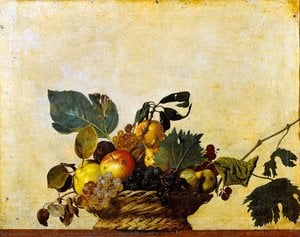
कारावागियो (1571-1610): बारोक कला के यथार्थवादी स्वामी! नाटकीय धार्मिक दृश्य, तीव्र कायरोस्कुरो और एक क्रांतिकारी शैली जिसने रुबेंस और रेम्ब्रांट को प्रभावित किया। छाया और प्रकाश का अद्भुत संगम!

गिक्ली / आर्ट प्रिंट

तेज़ उत्पादन और विभिन्न फिनिश विकल्पों के साथ म्यूजियम-क्वालिटी गिकली (giclée) या कैनवस प्रिंट। ( हाथ से बनी पेंटिंग खरीदें डिजिटल इमेज पर जाएँ)

Corner sample of the P118B picture frame: मोल्डेड पॉलीस्टायरीन, 5 cm wide and 3 cm thick
P118B ₹10
Corner sample of the P118H picture frame: मोल्डेड पॉलीस्टायरीन, 5 cm wide and 3 cm thick
P118H ₹10
Corner sample of the P118W picture frame: मोल्डेड पॉलीस्टायरीन, 5 cm wide and 3 cm thick
P118W ₹10
Corner sample of the P438Z picture frame: मोल्डेड पॉलीस्टायरीन, 5.5 cm wide and 3.5 cm thick
P438Z ₹10
Corner sample of the P508JH picture frame: मोल्डेड पॉलीस्टायरीन, 7 cm wide and 3.5 cm thick
P508JH ₹12
Corner sample of the P508YH picture frame: मोल्डेड पॉलीस्टायरीन, 7 cm wide and 3.5 cm thick
P508YH ₹12
Corner sample of the P805H picture frame: मोल्डेड पॉलीस्टायरीन, 5 cm wide and 3.5 cm thick
P805H ₹10
Corner sample of the P805Z picture frame: मोल्डेड पॉलीस्टायरीन, 5 cm wide and 3.5 cm thick
P805Z ₹10
Corner sample of the P919BZ picture frame: मोल्डेड पॉलीस्टायरीन, 7 cm wide and 3.5 cm thick
P919BZ ₹10
Corner sample of the P919G picture frame: मोल्डेड पॉलीस्टायरीन, 7 cm wide and 3.5 cm thick
P919G ₹10
Corner sample of the P919XJ picture frame: मोल्डेड पॉलीस्टायरीन, 7 cm wide and 3.5 cm thick
P919XJ ₹10
Corner sample of the P959ZH picture frame: मोल्डेड पॉलीस्टायरीन, 5 cm wide and 3 cm thick
P959ZH ₹10
Corner sample of the P968JZ picture frame: मोल्डेड पॉलीस्टायरीन, 6 cm wide and 4 cm thick
P968JZ ₹12
Corner sample of the W106C picture frame: ठोस लकड़ी, 5 cm wide and 3 cm thick
W106C ₹8
Corner sample of the W218G picture frame: ठोस लकड़ी, 5 cm wide and 3 cm thick
W218G ₹10
Corner sample of the W218JH picture frame: ठोस लकड़ी, 5 cm wide and 3 cm thick
W218JH ₹8
Corner sample of the W218Y picture frame: ठोस लकड़ी, 5 cm wide and 3 cm thick
W218Y ₹10
Corner sample of the W307PJ picture frame: ठोस लकड़ी, 6 cm wide and 3 cm thick
W307PJ ₹10
Corner sample of the W316G picture frame: ठोस लकड़ी, 6 cm wide and 3 cm thick
W316G ₹10
Corner sample of the W316PJ picture frame: ठोस लकड़ी, 6 cm wide and 3 cm thick
W316PJ ₹8
Corner sample of the W316Y picture frame: ठोस लकड़ी, 6 cm wide and 3 cm thick
W316Y ₹10
Corner sample of the W398PJ picture frame: ठोस लकड़ी, 5 cm wide and 3 cm thick
W398PJ ₹8
Corner sample of the W4111J picture frame: ठोस लकड़ी, 6.5 cm wide and 3.5 cm thick
W4111J ₹10
Corner sample of the W500HY picture frame: ठोस लकड़ी, 7 cm wide and 5 cm thick
W500HY ₹15
Corner sample of the W500JH picture frame: ठोस लकड़ी, 7 cm wide and 5 cm thick
W500JH ₹15
Corner sample of the W692G picture frame: ठोस लकड़ी, 8 cm wide and 4 cm thick
W692G ₹12
Corner sample of the W849H picture frame: ठोस लकड़ी, 5 cm wide and 3 cm thick
W849H ₹8
Corner sample of the W940BG picture frame: ठोस लकड़ी, 7.5 cm wide and 4.5 cm thick
W940BG ₹15
Corner sample of the W953PJ picture frame: ठोस लकड़ी, 6 cm wide and 3.5 cm thick
W953PJ ₹8

मानक आकार
अनुकूलित
CM
INCH

कलाकृति के मूल अनुपात से मेल खाने वाले हमारे पूर्व निर्धारित आकारों में से चुनें।

चौड़ाई
ऊँचाई

अपने फ्रेम या अपनी दीवार के अनुसार आवश्यक चौड़ाई और ऊंचाई दर्ज करें। प्रिंट को केवल काटा जा सकता है, चित्र से बड़ा कभी नहीं बनाया जा सकता, इसलिए अलग आकार का साइज चित्र का एक हिस्सा खो देता है। किसी भी चीज़ को प्रिंट करने से पहले हम आपकी स्वीकृति के लिए आपको एक डिजिटल मॉकअप भेजते हैं। इस पृष्ठ पर दिखाया गया चित्र वास्तविक कटिंग नहीं दिखाता है — केवल मॉकअप ही इसे दर्शाता है।

विश्वव्यापी डिलीवरी (), मानक 4/5 सप्ताह के बजाय मात्र 2 सप्ताह में। (25 अक्टूबर)

दुनिया भर में मुफ़्त एक्सप्रेस शिपिंग
प्रीमियम ग्रेड लिनेन कैनवास
पूर्ण शिपिंग बीमा
सीमा शुल्क और आयात कर वापसी की गारंटी
सटीक रंग मिलान की गारंटी
100 दिनों की वापसी नीति (केवल निर्माण दोष होने पर)
100% पैसे वापसी की गारंटी
थोक छूट का अवसर

कुल कीमत

₹ 6520

untitled (459)

गिक्ली / आर्ट प्रिंट

प्रतिकृति का आकार

-

कुल मूल्य

₹ 6520

मुख्य विवरण

  • Title: untitled (459)
  • Artist: Caravaggio
  • Movement: Baroque
  • Location: Private Collection
  • Medium: Oil on canvas

कला प्रश्नोत्तरी

प्रत्येक प्रश्न का केवल एक ही सही उत्तर है।

प्रश्न 1:
What artistic technique is prominently featured in Caravaggio’s ‘untitled (459)’?
प्रश्न 2:
Caravaggio's style significantly influenced later artists like Rubens and Rembrandt. What is the primary characteristic of Caravaggio’s approach to painting?
प्रश्न 3:
The portrait depicts a man wearing black attire, including a suit and tie. What is the dominant color palette employed by Caravaggio in this piece?
प्रश्न 4:
According to biographical information, Caravaggio’s early artistic training took place under Simone Peterzano. Who was Peterzano?
प्रश्न 5:
The image description mentions a ‘wall’ that adds depth to the composition. Why is this detail important in understanding Caravaggio’s artistic vision?

A Shadowed Portrait: Unveiling Caravaggio’s “Untitled (459)”

Michelangelo Merisi da Caravaggio, a name synonymous with the dramatic intensity of Baroque painting, was born in Milan in 1571, a period steeped in both artistic flourishing and societal upheaval. His early life was marked by profound loss; plague ravaged his hometown, claiming the lives of his father and grandfather when he was just six years old. Raised amidst relative poverty, young Michelangelo’s formative years instilled within him a keen awareness of human suffering and resilience—themes that would later become central to his artistic vision. He began his artistic training in Milan under Simone Peterzano, a former pupil of Titian, absorbing the fundamentals of Renaissance technique but already demonstrating an unmistakable inclination toward innovation. This apprenticeship provided invaluable grounding, yet it was in Rome, arriving around 1592, that Caravaggio truly blossomed—though not without initial hardship and considerable struggle. The city, a crucible of artistic ambition and papal patronage, challenged him to forge his own path amidst established conventions.

The Subject: A Figure Defined by Dignity and Resolve

“Untitled (459)” presents us with a portrait of a man—likely commissioned by Francesco Maria del Monte—characterized by an arresting stillness. The subject is depicted in profile, gazing directly at the viewer with an expression that oscillates between solemn contemplation and quiet defiance. His attire – a dark suit and tie – speaks to the formality of his social standing, yet it’s his face itself that commands attention. Caravaggio meticulously captures the nuances of skin texture, muscle structure, and subtle facial expressions, reflecting a revolutionary commitment to realism previously unseen in Italian painting. The artist's masterful rendering emphasizes not merely physical appearance but also psychological depth—a deliberate choice intended to convey an inner life brimming with emotion.

Technique: Tenebrism – Light and Darkness as Narrative Tools

Caravaggio’s signature technique, tenebrism, elevates this portrait beyond mere representation into a powerful statement of artistic vision. This dramatic style employs stark contrasts between light and shadow—illuminating the man's face and upper torso with a radiant glow while plunging the background into impenetrable darkness. This deliberate manipulation of chiaroscuro isn’t merely decorative; it serves as an integral component of the narrative, symbolizing spiritual illumination against encroaching obscurity. Caravaggio achieved this effect through painstaking layering of glazes—a technique demanding immense patience and precision—resulting in surfaces that shimmer with subtle color variations despite their predominantly dark palette. The careful placement of light directs the viewer’s gaze, intensifying the emotional impact of the image and reinforcing the subject's unwavering gaze.

Historical Context: Baroque Rome – A Shift Towards Emotion and Drama

Caravaggio’s work emerged during the height of the Baroque period in Rome—a time marked by papal ambition, religious fervor, and a fervent desire to inspire awe and devotion. Artists like Caravaggio rejected the idealized beauty favored by Renaissance painters, opting instead for unflinching depictions of human experience – often infused with psychological complexity. His canvases confronted viewers with uncomfortable truths about mortality, faith, and human vulnerability—a bold departure from prevailing artistic sensibilities. The patronage of Francesco Maria del Monte, a wealthy humanist scholar and collector, provided Caravaggio with crucial support during his formative years in Rome, fostering an environment conducive to experimentation and innovation.

Symbolism: Darkness Represents Uncertainty; Light Signifies Divine Grace

The pervasive darkness surrounding the man’s figure is laden with symbolic significance—representing not merely physical absence but also spiritual obscurity. Caravaggio skillfully utilizes this visual motif to convey a profound meditation on faith and doubt, mirroring the anxieties of his era. Conversely, the radiant illumination focused on the subject's face symbolizes divine grace—a beacon of hope amidst darkness—underscoring the importance of inner contemplation and moral fortitude. Through these carefully considered artistic choices, Caravaggio transcends mere portraiture, transforming it into a vehicle for conveying timeless themes of spirituality and human resilience.

प्रश्न और उत्तर

"untitled (459)" किस कलाकार की रचना है?

"untitled (459)" की रचना कारावागियो द्वारा की गई थी। इस पृष्ठ पर दी गई जानकारी कारावागियो की मूल कृति का वर्णन करती है।

क्या कारावागियो द्वारा निर्मित "untitled (459)" सार्वजनिक डोमेन (public domain) में है, और क्यों?

कारावागियो द्वारा निर्मित "untitled (459)" सार्वजनिक डोमेन में - इसका कॉपीराइट समाप्त हो चुका है है। कॉपीराइट की अवधि कलाकार की मृत्यु के वर्ष से मापी जाती है, और कारावागियो का निधन 1610 में हुआ था।

कारावागियो द्वारा "untitled (459)" के रंग कितने सामंजस्यपूर्ण हैं?

कारावागियो द्वारा "untitled (459)" के रंग एक Strong Color Unity सामंजस्य प्रदर्शित करते हैं। सामंजस्य यह बताता है कि रंग एक-दूसरे से किस प्रकार संबंधित हैं।


कलाकार का परिचय

Michelangelo Merisi da Caravaggio: छाया और प्रकाश का एक जीवन

कारवागियो, जिनका असली नाम मिचेलांजेलो मेरिसी दा कारवागियो था, 1571 में मिलान में जन्मे, पश्चिमी कला के इतिहास में एक अद्वितीय स्थान रखते हैं। उनका जीवन संघर्षों से भरा रहा, लेकिन उनकी कला ने Baroque शैली को हमेशा के लिए बदल दिया। प्रारंभिक जीवन में ही उन्हें कई कठिनाइयों का सामना करना पड़ा; जब वह केवल छह वर्ष के थे, तो प्लेग ने उनके पिता और दादाजी की जान ले ली थी। गरीबी में पले-बढ़े कारवागियो ने मानव पीड़ा और लचीलापन को करीब से देखा, जो बाद में उनकी कला में गहराई से प्रतिबिंबित हुआ। उन्होंने मिलान में सिमोन पीटरजानो के अधीन प्रशिक्षण प्राप्त किया, जिन्होंने टिटियन के शिष्य थे। इस शिक्षा ने उन्हें पुनर्जागरण तकनीकों की बुनियादी समझ प्रदान की, लेकिन जल्द ही उन्होंने पारंपरिक मानदंडों को चुनौती देने का साहस दिखाया। 1592 के आसपास रोम पहुंचने पर, कारवागियो ने अपनी कलात्मक पहचान स्थापित करने के लिए संघर्ष किया, लेकिन शहर की जीवंत कलात्मक और धार्मिक ऊर्जा ने उन्हें प्रेरित किया।

कलात्मक क्रांति: तकनीक और शैली

कारवागियो का रोम आगमन कला जगत में एक भूचाल जैसा साबित हुआ। उन्होंने प्रचलित Mannerist शैली को अस्वीकार कर दिया, जो कृत्रिम सुंदरता और लम्बे रूपों से चिह्नित थी, और इसके बजाय एक बेजोड़ यथार्थवाद अपनाया जिसने दर्शकों को चौंका दिया और मोहित कर लिया। उनकी सबसे महत्वपूर्ण नवाचारों में से एक chiaroscuro का उनका कुशल उपयोग था - प्रकाश और अंधेरे के बीच नाटकीय कंट्रास्ट, जिसे उन्होंने एक नई ऊंचाई पर पहुंचाया। इस तकनीक, जिसे अक्सर tenebrism कहा जाता है, केवल एक सौंदर्य संबंधी पसंद नहीं थी; यह भावनात्मक प्रभाव को तीव्र करने, दर्शकों को दृश्य के केंद्र में खींचने और उनके चित्रों में पात्रों को एक ठोस उपस्थिति प्रदान करने का एक साधन था। उन्होंने आदर्शित चित्रणों से परहेज किया, बल्कि रोम की सड़कों से खींचे गए साधारण लोगों को धार्मिक आंकड़ों के मॉडल के रूप में इस्तेमाल किया। इस क्रांतिकारी दृष्टिकोण ने सौंदर्य और पवित्रता की पारंपरिक धारणाओं को चुनौती दी, जिससे पवित्रता मानवीय और प्रासंगिक हो गई। उनके रचनाएँ अक्सर कठोर और सीधी होती थीं, जो तीव्र नाटक के महत्वपूर्ण क्षणों पर ध्यान केंद्रित करती थीं, चाहे वह "क्राइस्ट का अपहरण" की क्रूर यथार्थवाद हो या "सेंट फ्रांसिस ऑफ असिसी में एक्सेटेसी" में शांत चिंतन।

प्रमुख कार्य और स्थायी प्रभाव

अपने अपेक्षाकृत कम करियर में, कारवागियो ने कला के कार्यों का एक संग्रह बनाया जो आज भी दर्शकों को प्रेरित करता है। “द फॉर्च्यून टेलर” (1594) जैसे शुरुआती कार्यों से उनकी वास्तविक विवरणों और मनोवैज्ञानिक बारीकियों को पकड़ने की क्षमता का पता चलता है। "सुपर एट एमाउस" (1601-1602), लंदन के नेशनल गैलरी में स्थित, chiaroscuro के उनके महारत और एक बाइबिल कथा के भीतर गहन भावनात्मक गहराई व्यक्त करने की क्षमता का उदाहरण है। “डेविड विद द हेड ऑफ गोलियथ” (c. 1610) विशेष रूप से भयावह है, जिसे अक्सर कारवागियो की अपनी अशांत मानसिक स्थिति को दर्शाने वाला आत्म-चित्रण माना जाता है। उनका प्रभाव इटली से परे फैल गया, जिससे कलाकारों की एक पीढ़ी प्रेरित हुई जिन्हें Caravaggisti या "शैडोइस्ट" के रूप में जाना जाता है, जिन्होंने पूरे यूरोप में उनकी शैली को अपनाया। उल्लेखनीय अनुयायियों में पीटर पॉल रूबेन्स, ज्यूसेपे डी रिबेरा और गेरिट वैन होनथोर्स्ट शामिल थे, जिनमें से प्रत्येक ने कारवागियो की तकनीकों को अपनी अनूठी कलात्मक दृष्टि के अनुरूप बनाया।

एक अशांत अस्तित्व और चिरस्थायी विरासत

कारवागियो का जीवन उनकी कला जितना ही नाटकीय और अशांत था। एक अस्थिर स्वभाव और झगड़ों की प्रवृत्ति के कारण उन्हें अक्सर कानून के साथ परेशानी हुई, जो 1606 में हत्या के आरोप में परिणत हुई, जिसके कारण उन्हें रोम से भागना पड़ा। अगले चार वर्षों तक उन्होंने नेपल्स, माल्टा और सिसिली में घूमते हुए पेंटिंग जारी रखी, जबकि पोप से माफी पाने की सख्त कोशिश कर रहे थे। अपनी कोशिशों के बावजूद, वह एक भगोड़े बने रहे, अपने अतीत से परेशान और व्यक्तिगत संघर्षों से जूझते रहे। 1610 में पोर्टो एर्कोले, इटली में उनकी मृत्यु रहस्यमय परिस्थितियों में हुई - उनकी मृत्यु का कारण बहस का विषय बना हुआ है, जिसमें बुखार से लेकर जहर तक की अटकलें लगाई गई हैं। हालांकि उनका जीवन छोटा रहा, कारवागियो की कलात्मक विरासत उनकी क्रांतिकारी दृष्टि और यथार्थवाद के प्रति अटूट प्रतिबद्धता का प्रमाण बनी हुई है। उन्होंने अपने समय के मानदंडों को चुनौती दी, एक अधिक आधुनिक पेंटिंग दृष्टिकोण का मार्ग प्रशस्त किया और पश्चिमी कला के इतिहास पर एक अमिट छाप छोड़ी। उनके कार्य आज भी विस्मयकारी हैं और चिंतन को प्रेरित करते हैं, जो हमें मानव अनुभव के सबसे अंधेरे कोनों को रोशन करने की कला की शक्ति की याद दिलाते हैं।
कारावागियो

कारावागियो

1571 - 1610 , स्पेन

संक्षिप्त जानकारी

  • Artistic Movement Or Style: बरोक्, तेनेब्रिज़्म
  • Artists Or Movements Influenced By This Artist:
    • रूबेंस
    • रिबेरा
    • कारावागिस्टी
  • Artists Who Influenced This Artist:
    • टिटियन
    • लियोनार्डो दा विंची
    • मिकेल एंजेलो
  • Date Of Birth: 29 सितंबर, 1571
  • Date Of Death: 18 जुलाई, 1610
  • Full Name: माइकल एंजेलो मेरिसी दा कारावागियो
  • Nationality: इतालवी
  • Notable Artworks:
    • द फॉर्च्यून टेलर
    • सुपर एट एमाउस
    • डेविड विथ गोलियथ
    • सेंट फ्रांसिस इन एक्सटसी
  • Place Of Birth: मिलान, स्पेन
विषयों, शैलियों और विशेषताओं के आधार पर व्यवस्थित कलाकृतियों का अन्वेषण करें।