आपके आकार और फ्रेम के अनुसार कैनवास पर हाथ से बनी ऑयल पेंटिंग, हमारे कलाकारों द्वारा विशेष रूप से ऑर्डर पर तैयार। ( प्रिंट पर स्विच करें
डिजिटल इमेज पर स्विच करें)
कलाकृति के मूल अनुपात से मेल खाने वाले हमारे पूर्व निर्धारित आकारों में से चुनें।
आप किसी विशिष्ट फ्रेम या स्थान के अनुसार अपने स्वयं के आयाम (dimensions) दर्ज कर सकते हैं। यदि आपके द्वारा चुना गया आकार मूल छवि के अनुपात से मेल नहीं खाता है, तो हम कलाकृति को क्रॉप करेंगे या पेंटिंग में अतिरिक्त हाथ से चित्रित तत्व जोड़कर उसका विस्तार करेंगे। उत्पादन शुरू होने से पहले आपकी स्वीकृति के लिए एक डिजिटल मॉकअप भेजा जाएगा।
कृपया ध्यान दें कि स्क्रीन पर दिखने वाला पूर्वावलोकन वास्तविक क्रॉपिंग या विस्तार को नहीं दर्शाता है। केवल मॉकअप ही अंतिम रचना को सटीक रूप से दिखाएगा।
यद्यपि कस्टम आकार उपलब्ध हैं, फिर भी हम मूल अनुपात बनाए रखने के लिए पूर्व-निर्धारित सूची से आयाम चुनने की सलाह देते हैं।
विश्वव्यापी वितरण () मानक 5 सप्ताह के बजाय मात्र 3/4 सप्ताह में। (17 सितमबर)। गुणवत्ता से कोई समझौता नहीं।
untitled (2134)
प्रतिकृति का आकार
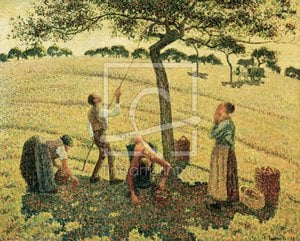
In the quiet corners of the Impressionist movement, few works capture the delicate tension between nature’s vitality and the inevitable passage of time as poignantly as Camille Pissarro’s untitled (2134). This evocative landscape invites the viewer into a secluded, overgrown garden where the boundaries between the man-made and the organic begin to blur. At first glance, one is struck by the lush, dense vegetation that dominates the foreground, a vibrant tapestry of greens, deep browns, and soft blues that pulse with life. Yet, as the eye wanders deeper into the composition, it encounters a sense of melancholic beauty; a crumbling stone building stands partially obscured by encroaching foliage, serving as a silent witness to the slow reclamation of architecture by the earth. It is a scene that feels both intimate and vast, capturing a fleeting moment of stillness in an ever-changing world.
The technique employed here is a masterclass in the Impressionist spirit, characterized by Pissarro’s signature loose, expressive brushwork. Rather than relying on sharp, clinical outlines, the artist utilizes a layered application of oil paints to build texture and luminosity. These visible strokes do not merely represent leaves or stone; they convey movement and atmosphere, suggesting the gentle rustle of wind through the thicket and the diffused, soft light of an overcast day. This approach creates a shallow depth of field that pulls the observer into the immediate surroundings, making the viewer feel as though they are sitting amidst the wildflowers alongside the solitary figure nestled in the greenery. The interplay of light and shadow is subtle, avoiding harsh contrasts to instead favor a soft, atmospheric glow that lends the entire piece a dreamlike, almost ethereal quality.
Beyond its aesthetic splendor, untitled (2134) carries a profound emotional weight, touching upon themes of memory, solitude, and the cyclical nature of life. The presence of the woman seated amidst the wild growth introduces a narrative element of quiet contemplation. She becomes a symbol of the human connection to the natural world—a figure of stillness within a landscape of constant growth and decay. The juxtaposition of the decaying stone structure with the flourishing flora serves as a powerful memento mori, reminding us that while human endeavors may fade, the rhythms of nature are eternal. For the collector or interior designer, this piece offers more than mere decoration; it provides a focal point for reflection, bringing a sense of historical depth and soulful tranquility to any curated space.
To possess a reproduction of such a work is to bring a fragment of art history into the modern home. Pissarro, a pivotal figure who mentored legends like Cézanne and Van Gogh, had an unparalleled ability to find the extraordinary within the ordinary. This painting stands as a testament to his devotion to observing the subtle shifts in light and the quiet dramas of the landscape. Whether placed in a sunlit gallery or a cozy study, this artwork radiates a timeless elegance, making it an ideal choice for those who appreciate art that speaks to the heart through its texture, color, and profound emotional resonance.

कैमिल पिसारो, जिनका जन्म 10 जुलाई, 1830 को सेंट थॉमस द्वीप पर हुआ था, एक ऐसे कलाकार थे जिन्होंने न केवल प्रभाववादी कला आंदोलन को आकार दिया बल्कि बाद की पीढ़ियों के कलाकारों को भी प्रेरित किया। उनका जीवन और कला, दोनों ही बदलते परिदृश्य का प्रतिबिंब थे - चाहे वह कैरिबियाई द्वीप पर उनका प्रारंभिक बचपन हो या बाद में फ्रांस में उनके द्वारा चित्रित ग्रामीण दृश्य। पिसारो का परिवार पुर्तगाली यहूदी मूल का था, लेकिन उन्होंने फ्रांसीसी संस्कृति को भी अपनाया, जिससे उनके व्यक्तित्व और कला में एक अनूठी जटिलता पैदा हुई। सेंट थॉमस के बंदरगाहों और बाजारों की जीवंत यादें, बाद में उनके चित्रों में ग्रामीण जीवन की शांतिपूर्ण छवियों के साथ मिलकर, उनकी कलात्मक दृष्टि को गहराई से प्रभावित करती हैं। शुरुआती वर्षों में, पिसारो ने पारंपरिक व्यापार में शामिल होने का दबाव महसूस किया, लेकिन कला के प्रति उनका जुनून इतना प्रबल था कि उन्होंने इसे अपना करियर बना लिया। डेनिश चित्रकार फ्रिट्ज़ मेलबी के मार्गदर्शन में, उन्होंने अपनी कलात्मक यात्रा शुरू की और जल्द ही पेरिस चले गए, जहाँ उन्होंने यूरोपीय कला जगत के केंद्र में प्रवेश किया।
पेरिस में, पिसारो ने गुस्ताव कोर्बेट और ऑनरे डोमियर जैसे कलाकारों से प्रेरणा ली, जिन्होंने यथार्थवादी चित्रण पर जोर दिया था। लेकिन जल्द ही उन्होंने प्रभाववादी आंदोलन के साथ जुड़ने का फैसला किया, जो उस समय एक क्रांतिकारी विचार था। प्रभाववाद का सार प्रकाश और वायुमंडल की क्षणिक विशेषताओं को पकड़ना था - यह एक ऐसी तकनीक जिसके लिए कलाकारों को सीधे प्रकृति में, खुले मैदानों में चित्र बनाना पड़ता था। पिसारो ने इस दृष्टिकोण को पूरी तरह से अपनाया, अपने ब्रशस्ट्रोक को ढीला किया और रंगों को जीवंत बनाया। उन्होंने ग्रामीण इलाकों के दृश्यों को चित्रित करने पर विशेष ध्यान दिया - खेतों में काम करते किसान, शांत गांव, और पेड़ों से भरे रास्ते। उनके चित्रों में एक विशिष्ट शांति और सादगी है, जो उस समय की शहरी जीवनशैली से अलग थी। पिसारो ने न केवल दृश्य वास्तविकता को चित्रित किया, बल्कि ग्रामीण जीवन के भावनात्मक सार को भी व्यक्त करने का प्रयास किया - किसानों की मेहनत, प्रकृति की सुंदरता, और साधारण लोगों की खुशियाँ और दुःख। उन्होंने अपने चित्रों में अक्सर धुंधले रंगों का उपयोग किया, जिससे एक स्वप्निल और रहस्यमय वातावरण बनता था। यह तकनीक उन्हें प्रकाश और वायुमंडल के सूक्ष्म प्रभावों को पकड़ने में मदद करती थी, जो प्रभाववादी कला की विशेषता है।
कैमिल पिसारो न केवल एक कुशल कलाकार थे, बल्कि वे अपने साथियों के लिए एक मार्गदर्शक और प्रेरणा स्रोत भी थे। उन्हें अक्सर "प्रभाववाद के पिता" कहा जाता है क्योंकि उन्होंने इस आंदोलन को आकार देने में महत्वपूर्ण भूमिका निभाई थी। उन्होंने कई युवा कलाकारों का समर्थन किया, जिनमें पॉल सेज़ान, विन्सेंट वैन गॉग और पॉल गौगिन शामिल हैं। सेज़ान ने पिसारो को अपना गुरु माना और उनसे कलात्मक मार्गदर्शन प्राप्त किया। वैन गॉग और गौगिन भी पिसारो की सलाह और प्रोत्साहन से लाभान्वित हुए। पिसारो ने उन्हें न केवल तकनीकी कौशल सिखाया, बल्कि कला के प्रति एक स्वतंत्र दृष्टिकोण अपनाने के लिए प्रेरित किया। उन्होंने कलाकारों को पारंपरिक मानदंडों को चुनौती देने और अपनी अनूठी आवाज खोजने के लिए प्रोत्साहित किया। पिसारो का प्रभाव उनके चित्रों में भी स्पष्ट है - उनकी ग्रामीण दृश्य शैली ने कई अन्य कलाकारों को प्रभावित किया, जिन्होंने प्रकृति की सुंदरता को चित्रित करने के लिए नई तकनीकों का प्रयोग किया।
कैमिल पिसारो 13 नवंबर, 1903 को पेरिस में अपनी मृत्यु तक चित्रकला करते रहे। उनकी विरासत आज भी जीवित है - उनके चित्रों को दुनिया भर के प्रमुख संग्रहालयों में प्रदर्शित किया जाता है और वे कला प्रेमियों द्वारा सराहे जाते हैं। पिसारो ने प्रभाववादी आंदोलन को आकार देने में महत्वपूर्ण भूमिका निभाई, और उन्होंने ग्रामीण जीवन की सुंदरता को चित्रित करने के लिए एक अनूठी शैली विकसित की। उनकी कला ने न केवल दृश्य वास्तविकता को दर्शाया, बल्कि मानवीय भावनाओं और सामाजिक मुद्दों को भी व्यक्त किया। पिसारो का काम आज भी कलाकारों को प्रेरित करता है और हमें प्रकृति की सुंदरता और साधारण लोगों के जीवन की सराहना करने के लिए प्रोत्साहित करता है। उनकी कला एक कालातीत संदेश देती है - कि सौंदर्य हर जगह मौजूद है, बस उसे देखने की जरूरत है।
1830 - 1903 , फ्रांस