


 Oil On CanvasWallArtRussian Renaissance
 1410
1410 158.0 x 106.0 cm
 Третьяковская галерея
तेज़ उत्पादन और विभिन्न फिनिश विकल्पों के साथ म्यूजियम-क्वालिटी गिकली (giclée) या कैनवस प्रिंट। ( हाथ से बनी पेंटिंग खरीदें छवि खरीदें)





























कलाकृति के मूल अनुपात से मेल खाने वाले हमारे पूर्व निर्धारित आकारों में से चुनें।

आप किसी विशिष्ट फ्रेम या स्थान के अनुसार अपने स्वयं के आयाम (dimensions) दर्ज कर सकते हैं। यदि आपके द्वारा चुना गया आकार मूल छवि के अनुपात से मेल नहीं खाता है, तो हम कलाकृति को क्रॉप कर देंगे या मिरर किए गए या सॉलिड-फिल किनारे के साथ छवि का विस्तार करेंगे। उत्पादन शुरू होने से पहले आपकी स्वीकृति के लिए एक डिजिटल मॉकअप भेजा जाएगा।
कृपया ध्यान दें कि स्क्रीन पर दिखने वाला प्रीव्यू वास्तविक क्रॉपिंग या विस्तार को नहीं दर्शाता है। केवल मॉकअप ही अंतिम संरचना को सटीक रूप से दिखाएगा।
हालाँकि कस्टम आकार उपलब्ध हैं, फिर भी हम मूल अनुपात बनाए रखने के लिए पूर्व-निर्धारित सूची में से एक आयाम चुनने की सलाह देते हैं।
विश्वव्यापी डिलीवरी (), मानक 4/5 सप्ताह के बजाय मात्र 2 सप्ताह में। (7 सितमबर)


Deesis Range: The Saviour
प्रतिकृति का आकार
To stand before an image evocative of Andrei Rublev’s profound spiritual vision is to step across the threshold of time itself. This depiction, echoing the solemnity of a Deesis grouping, centers on a figure whose gaze seems to penetrate the veil between worlds. The subject, bearing the unmistakable gravitas associated with Christ or a deeply contemplative saint, commands attention through sheer emotional resonance. It is not merely a portrait; it is an encounter. The artist has captured that fleeting moment where introspection deepens into profound understanding, allowing the viewer to feel the weight of sacred thought emanating from the canvas.
The technical brilliance evident in this work speaks volumes about Andrei Rublev’s unparalleled skill. Observe the meticulous handling of the paint; every visible brushstroke contributes to a tapestry of light and shadow that gives the figure an almost lifelike dimensionality. The contrast between the luminous quality of the face and the simplicity of the background—that striking yellow wall—is nothing short of masterful. This deliberate use of color serves not merely as decoration, but as a structural element guiding the eye directly to the emotional core: the man’s contemplative expression. For those who appreciate fine art reproduction, understanding this technique is key; it allows us to recreate the depth and subtlety that only painstaking hand-painting can achieve.
Dating back to 1410, this piece situates itself within a pivotal era for Russian art. Andrei Rublev was more than just a painter; he was the spiritual chronicler of his age. His work is deeply embedded in the tradition of Orthodox iconography, yet it possesses a unique psychological depth that elevates it beyond mere religious depiction into universal human experience. The style speaks to a period where Byzantine influences mingled with a burgeoning national artistic voice—a confluence that imbues the piece with both timeless sacredness and palpable human drama. Owning a reproduction allows one to bring this historical dialogue into a modern setting.
The most captivating element remains the subject’s gaze, directed slightly over the shoulder. This averted yet knowing look invites participation from the viewer. Symbolically, it speaks to themes of divine mystery, eternal watchfulness, and quiet wisdom. For collectors and interior designers alike, this piece offers more than just aesthetic beauty; it offers an atmosphere. It suggests a sanctuary within a room—a focal point that encourages pause, reflection, and a deeper appreciation for the enduring narratives of faith and humanity. The rich tones and profound subject matter ensure that this artwork will not merely hang on a wall, but rather inhabit the space with quiet dignity.

आंद्रेई रुबलेव (लगभग 1360 – लगभग 1430) रूसी कला के इतिहास में सबसे रहस्यमय और गहरे रूप से प्रभावशाली व्यक्तित्वों में से एक बने हुए हैं। केवल एक चित्रकार से कहीं अधिक, वे आध्यात्मिक भक्ति, कलात्मक महारत और मध्यकालीन रूस के सार का संगम हैं—एक ऐसा राष्ट्र जो बीजान्टिन प्रभाव और उभरती राष्ट्रीय चेतना के बीच अपनी पहचान के लिए संघर्ष कर रहा था। हालाँकि उनके जीवन के विवरण रहस्य की परतों में लिपटे हुए हैं, लेकिन अपने युग के प्रमुख प्रतिमाकार (iconographer) के रूप में उनकी विरासत निर्विवाद है, जिसने न केवल रूसी रूढ़िवादी कला की दृश्य भाषा को आकार दिया, बल्कि कलाकारों की आने वाली पीढ़ियों को भी गहराई से प्रभावित किया।
रुबलेव के प्रारंभिक वर्षों के बारे में बहुत कम ठोस जानकारी उपलब्ध है। माना जाता है कि उनका जन्म मास्को में हुआ था, हालांकि कुछ वृत्तांत शहर के पास ट्रिनिटी-सेंट सर्गियस लावरा मठ में उनके संभावित मूल का सुझाव देते हैं—एक ऐसा स्थान जिसने उनके कलात्मक विकास को गहराई से प्रभावित किया होगा। थियोफेनेस द ग्रीक, जो रूस में आए एक प्रसिद्ध बीजान्टिन प्रतिमा चित्रकार थे, के संरक्षण में उनके प्रशिक्षण ने उन्हें उस युग की तकनीकों और शैलीगत परंपराओं में एक अमूल्य आधार प्रदान किया। हालाँकि, रुबलेव ने जल्द ही केवल नकल करने से ऊपर उठकर इन स्थापित रूपों में एक अनूठी रूसी संवेदनशीलता भर दी—विनम्रता, आध्यात्मिक गहराई और भावनात्मक प्रतिध्वनि का एक ऐसा अहसास जो उनके कार्य को उसके बीजान्टिन पूर्ववर्तियों से अलग करता था।
रुबलेव की कलात्मक दृष्टि अलगाव में पैदा नहीं हुई थी; यह बीजान्टिन परंपराओं और उभरती रूसी संवेदनाओं दोनों में गहराई से निहित थी। थियोफेनेस का प्रभाव निर्विवाद है—सूक्ष्म विवरण, समृद्ध रंग और उनकी रचनाओं की औपचारिक संरचना, ये सभी बीजान्टिन प्रतिमा चित्रण की पहचान हैं। हालाँकि, रुबलेव ने कुशलतापूर्वक इन तत्वों को एक विशिष्ट रूसी सौंदर्यशास्त्र के साथ एकीकृत किया—विनम्रता की गहरी भावना, भावनात्मक अभिव्यक्ति पर जोर, और मठवासी समुदाय के आध्यात्मिक जीवन के साथ एक जुड़ाव।
रुबलेव के आइकन केवल सुंदर चित्र नहीं हैं; वे प्रतीकात्मक अर्थों की परतों से सराबोर हैं, जो ईसाई धर्मशास्त्र और आध्यात्मिक अभ्यास की गहरी समझ को दर्शाते हैं। उनकी रचनाओं में अक्सर सूक्ष्म हाव-भाव, चेहरे के भाव और स्थानिक व्यवस्थाएँ होती हैं जो जटिल धार्मिक विचारों को संप्रेषित करती हैं।
अपने अपेक्षाकृत छोटे जीवन के बावजूद, आंद्रेई रुबलेव ने रूसी कला और संस्कृति पर एक अमिट छाप छोड़ी। उनके कार्य ने आइकन चित्रकारों की अगली पीढ़ियों को गहराई से प्रभावित किया, जिससे आने वाली सदियों तक रूसी प्रतिमा विज्ञान का विकास आकार लेता रहा। 1551 में स्टोग्लावी सोबोर ने आधिकारिक रूप से रुबलेव की शैली को चर्च पेंटिंग के एक मॉडल के रूप में घोषित किया, जिससे एक राष्ट्रीय कला नायक के रूप में उनका स्थान सुदृढ़ हुआ।

1360 - 1428
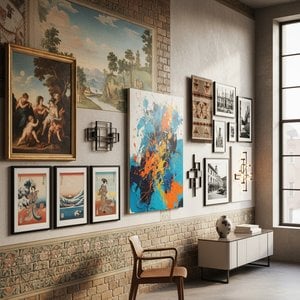
Explore the art of transforming spaces with our comprehensive guide to wall decor. From historical movements to contemporary trends, discover how to curate impactful interiors and commission bespoke artwork for a truly personalized aesthetic.

Transform your living room with iconic art! Explore our guide to the Top 10 most famous paintings – from Van Gogh's Starry Night to Mona Lisa. Discover artist stories, techniques & find museum-quality reproductions for timeless decor. Explore the full collection on

Explore the celestial brilliance of Byzantine masterpieces. Discover the sacred alchemy of gold leaf, the spiritual depth of Orthodox icons, and how this high-impact gilded glory continues to inspire awe in fine art history and modern luxury interiors.

Explore the rich history & stunning artistry of the Byzantine Empire! Discover iconic mosaics, profound symbolism, and lasting influence on Western art. A comprehensive guide for history lovers.

होटल डिजाइनरों के लिए भित्ति चित्रों का संपूर्ण गाइड। फ्रेस्को तकनीक, भारतीय परंपराएं और आधुनिक शैली पर विशेषज्ञ सलाह। अद्वितीय लक्जरी डिज़ाइन बनाएं।

 पूर्वावलोकन देखें
 साझा करें
 साझा करें
 विस्तृत विवरण

 डाउनलोड करें
 समान कलाकृतियाँ
 एक्स-रे
 स्लाइड शो देखें
 पूरा देखें







 ग्लास का विकल्प केवल 110 सेमी से कम आकार में ही उपलब्ध है।


