आपके आकार और फ्रेम के अनुसार कैनवास पर हाथ से बनी ऑयल पेंटिंग, हमारे कलाकारों द्वारा विशेष रूप से ऑर्डर पर तैयार। ( प्रिंट पर स्विच करें
डिजिटल इमेज पर स्विच करें)
कलाकृति के मूल अनुपात से मेल खाने वाले हमारे पूर्व निर्धारित आकारों में से चुनें।
आप किसी विशिष्ट फ्रेम या स्थान के अनुसार अपने स्वयं के आयाम (dimensions) दर्ज कर सकते हैं। यदि आपके द्वारा चुना गया आकार मूल छवि के अनुपात से मेल नहीं खाता है, तो हम कलाकृति को क्रॉप करेंगे या पेंटिंग में अतिरिक्त हाथ से चित्रित तत्व जोड़कर उसका विस्तार करेंगे। उत्पादन शुरू होने से पहले आपकी स्वीकृति के लिए एक डिजिटल मॉकअप भेजा जाएगा।
कृपया ध्यान दें कि स्क्रीन पर दिखने वाला पूर्वावलोकन वास्तविक क्रॉपिंग या विस्तार को नहीं दर्शाता है। केवल मॉकअप ही अंतिम रचना को सटीक रूप से दिखाएगा।
यद्यपि कस्टम आकार उपलब्ध हैं, फिर भी हम मूल अनुपात बनाए रखने के लिए पूर्व-निर्धारित सूची से आयाम चुनने की सलाह देते हैं।
विश्वव्यापी वितरण () मानक 5 सप्ताह के बजाय मात्र 3/4 सप्ताह में। (14 सितमबर)। गुणवत्ता से कोई समझौता नहीं।
Caspar Sturm
प्रतिकृति का आकार
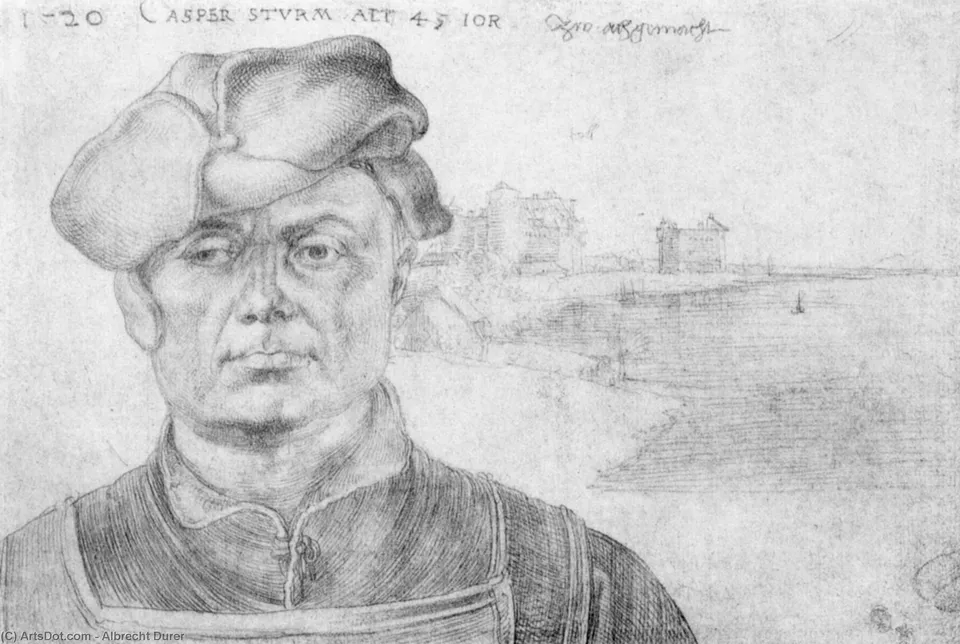
The image before you is not merely a depiction of a man; it is an embodiment of Renaissance ambition and artistic mastery. Albrecht Dürer’s silverpoint drawing, "Caspar Sturm," completed in 1520, holds within its delicate lines and subtle tonal variations a profound resonance that continues to captivate audiences centuries later. More than just a likeness, Sturm represents the pinnacle of humanist portraiture, reflecting Dürer's unwavering dedication to capturing the human form with unprecedented accuracy and psychological depth. As you gaze upon this monochrome masterpiece, you are invited into a silent dialogue with the past, where every fine stroke serves as a bridge between the sixteenth century and the modern collector.
The subject, Caspar Sturm, is presented with a somber expression that conveys a sense of seriousness and perhaps deep introspection. His gaze directly confronts the viewer, fostering a sense of intimacy and inviting contemplation about the sitter's inner life. This direct engagement is a hallmark of the Northern Renaissance style, where the artist sought to portray individuals as complex beings—capable of both intellect and emotion. The composition is masterfully centered, with Sturm occupying the foreground against a faintly sketched landscape that provides context without distracting from his commanding presence. For those looking to adorn a space with art that commands attention through quiet strength, this portrait offers an unparalleled sense of dignity.
Dürer’s choice of medium—silverpoint—was revolutionary for its time and remains one of the most demanding techniques in the history of drawing. Unlike oil paints or tempera, silverpoint relies on a stylus tipped with pure silver to draw directly onto a specially prepared surface. This method demanded an extraordinary level of skill and patience; each line must be meticulously crafted, as the medium allows for no corrections. The resulting surface possesses a distinctive granular texture that lends itself beautifully to high-quality reproduction, allowing collectors and designers alike to appreciate the subtle beauty of Dürer’s technique. As scholars have noted, this method is characterized by a remarkable level of detail and tonal gradation.
The technical brilliance of the piece lies in how Dürer utilizes fine, closely spaced lines to create shading and define the subject's features and heavy garments. The lighting appears soft and diffused, creating subtle gradations of tone across Sturm's face, which avoids harsh shadows in favor of a gentle, naturalistic glow. This mastery of light and shadow creates a sense of three-dimensional form on a two-dimensional plane, providing a tactile quality that makes the portrait feel almost alive. For interior designers, the monochromatic palette offers a sophisticated versatility, fitting seamlessly into both classical and contemporary minimalist settings.
Rooted firmly in the humanist movement that flourished across Europe during the early 16th century, "Caspar Sturm" is a window into an era driven by rediscovered classical texts and an emphasis on human reason. Dürer, a titan of the German Renaissance, used his art to celebrate the individual, and this portrait stands as a testament to that era's intellectual awakening. The meticulous detail suggests a profound respect for the subject’s status, making it an ideal piece for those who value art with historical weight and narrative depth.
Whether you are an art historian drawn to the technical precision of the silverpoint or a decorator seeking a focal point that exudes timeless elegance, this reproduction of Dürer's work offers more than just decoration. It offers a connection to the very foundations of Western portraiture. Owning such a piece is an opportunity to bring the quiet, intellectual rigor of the Renaissance into the modern home, creating an atmosphere of cultured reflection and enduring beauty.

अल्brecht ड्यूरर, जर्मनी के पुनर्जागरण काल के सबसे महान कलाकारों में से एक थे। उनका जन्म 1471 में नूर्नबर्ग शहर में हुआ था, जो उस समय यूरोप के सबसे महत्वपूर्ण कला और वाणिज्यिक केंद्रों में से एक था। उनके पिता अल्ब्रेक्ट ड्यूरर सीनियर एक सफल सुनार थे, जिन्होंने अपने परिवार को कलात्मक माहौल में पाला-पोसा। ड्यूरर ने बचपन से ही चित्रकला में असाधारण प्रतिभा दिखाई, जिसने उन्हें माइकल वोल्गेमट के कार्यशाला में प्रशिक्षु बनने के लिए प्रेरित किया। वोल्गेमट नूर्नबर्ग के अग्रणी कलाकार थे और उन्होंने ड्यूरर को चित्रकला, लकड़ी की कटाई (woodcut) और डिजाइन के क्षेत्र में महत्वपूर्ण प्रशिक्षण दिया। इस दौरान, ड्यूरर ने नूर्नबर्ग क्रॉनिकल जैसे बड़े पैमाने पर प्रकाशनों के लिए विस्तृत चित्रण करके अपनी कलात्मक क्षमताओं को निखाराया। उनकी शुरुआती रचनाओं में से एक, 1484 का चांदी की कलम से बना स्व-चित्र (self-portrait), उनकी असाधारण प्रतिभा का प्रमाण है - जो एक उभरती हुई कलात्मक पहचान का प्रतीक है।
ड्यूरर की महत्वाकांक्षा नूर्नबर्ग की सीमाओं से परे थी। चित्रकला में महारत हासिल करने की तीव्र इच्छा से प्रेरित होकर, उन्होंने 1494 में इटली की अपनी पहली यात्रा शुरू की। यह सिर्फ एक पर्यटन यात्रा नहीं थी; यह पुनर्जागरण के हृदय स्थल की तीर्थयात्रा थी। उन्होंने राफेल, जियोवानी बेलिनी और लियोनार्डो दा विंची जैसे महान कलाकारों के कार्यों को देखा - जिन्होंने रूप, परिप्रेक्ष्य और मानवीय अभिव्यक्ति की संभावनाओं को फिर से परिभाषित किया था। इस अनुभव का गहरा प्रभाव पड़ा। ड्यूरर ने शास्त्रीय रूपांकनों, सामंजस्यपूर्ण रचनाओं और सूक्ष्म स्फुमाटो तकनीकों को आत्मसात किया जो इतालवी कला की विशेषता थीं, लेकिन उन्होंने अपनी उत्तरी यूरोपीय संवेदनशीलता के लिए सावधानीपूर्वक विवरण और प्रतीकात्मक गहराई को कभी नहीं छोड़ा। 1505 से 1507 के बीच इटली में दूसरी यात्रा ने इन प्रभावों को और मजबूत किया, जिससे उन्हें प्राचीन रोमन खंडहरों का अध्ययन करने और शरीर रचना विज्ञान और अनुपात की अपनी समझ को परिष्कृत करने का अवसर मिला। उत्तरी परिशुद्धता और इतालवी कृपा का यह संश्लेषण ड्यूरर की अनूठी कलात्मक शैली का प्रतीक बन गया।
ड्यूरर एक बहुमुखी कलाकार थे, जो विभिन्न माध्यमों में निपुण थे, जिनमें से प्रत्येक ने उन्हें रचनात्मक अभिव्यक्ति के लिए अलग-अलग रास्ते प्रदान किए। उनकी पेंटिंग, हालांकि उनकी प्रिंटों की तुलना में कम संख्या में हैं, तेल रंग के उपयोग पर उल्लेखनीय नियंत्रण और शारीरिक समानता और मनोवैज्ञानिक गहराई दोनों को पकड़ने की क्षमता का प्रदर्शन करती है। *गुलाब माला का भोज* (Feast of the Rose Garlands) जैसे कार्यों से वेनिसियन रंगवाद से प्रभावित जीवंत रंगों का पता चलता है। हालाँकि, प्रिंटमेकिंग - विशेष रूप से उत्कीर्णन और लकड़ी की कटाई - के क्षेत्र में ड्यूरर ने वास्तव में कलात्मक अभ्यास में क्रांति ला दी। उन्होंने इन तकनीकों को केवल पुनरुत्पादक विधियों से स्वतंत्र कला रूपों तक ऊंचा किया, जो जटिल कथाओं और गहन भावनाओं को व्यक्त करने में सक्षम थे। *प्रकाशित (Apocalypse)* श्रृंखला (1498), जो रहस्योद्घाटन की पुस्तक के चित्रणों का संग्रह है, ने इस माध्यम की अपनी महारत का प्रदर्शन किया, भले ही इसमें अंतर्निहित सीमाएँ हों। बाद के उत्कीर्णन जैसे *मेलेनकोलिया I* (1514) और *सेंट जेरोम उनके अध्ययन में* (1514), उनकी बेजोड़ कौशल के प्रमाण हैं - प्रतीकात्मक अर्थ से भरे जटिल रचनाएं और आश्चर्यजनक सटीकता के साथ निष्पादित। उन्होंने सिर्फ वास्तविकता को चित्रित नहीं किया; उन्होंने इसमें बौद्धिक और आध्यात्मिक महत्व की परतें डालीं।
ड्यूरर केवल एक कलाकार ही नहीं थे; वे एक विद्वान, एक सिद्धांतकार और एक नवप्रवर्तक थे जिन्होंने कलात्मक रचना को नियंत्रित करने वाले अंतर्निहित सिद्धांतों को समझने का प्रयास किया। उनका मानना था कि कला के गणितीय आधार हैं और उन्होंने मानव अनुपात, अनुप्रस्थ परिप्रेक्ष्य (perspective) और शरीर रचना विज्ञान पर वैज्ञानिक दृष्टिकोण स्थापित करने के लिए खुद को समर्पित कर दिया। *चार पुस्तकें मानव अनुपात पर* (Four Books of Human Proportion) (1528), जिसमें से केवल एक ही उनके जीवनकाल में प्रकाशित हुआ था, अपने समय के लिए अभूतपूर्व थे, जो कठोर अवलोकन और तर्कसंगत विश्लेषण के प्रति उनकी प्रतिबद्धता का प्रदर्शन करते हैं। ये लेखन केवल अकादमिक अभ्यास नहीं थे; उनका उद्देश्य कलाकारों को साधारण कारीगरों से बौद्धिक चिकित्सकों के रूप में स्थापित करना था। ड्यूरर की विरासत उनके व्यक्तिगत कलाकृतियों से कहीं आगे तक फैली हुई है। उन्होंने उत्तरी यूरोपीय परंपराओं और इतालवी पुनर्जागरण आदर्शों के बीच एक सेतु बनाया, जबकि अपनी विशिष्ट विशेषता को बनाए रखा। उनके सैद्धांतिक योगदान ने कलाकारों की पीढ़ी के लिए एक नया ढांचा स्थापित करने में मदद की, उनकी तकनीकी कौशल, नवोन्मेषी भावना और गहन दृष्टि से उन्हें प्रेरित किया। वह आज भी पश्चिमी कला के इतिहास में सबसे महत्वपूर्ण शख्सियतों में से एक बने हुए हैं।
ड्यूरर का प्रभाव सदियों से कला के इतिहास में गूंजता रहता है। उनकी सावधानीपूर्वक यथार्थवाद, प्रिंटमेकिंग के अभिनव उपयोग और उनके सैद्धांतिक लेखन कलाकारों और विद्वानों को प्रेरित करते रहते हैं। उन्होंने प्रदर्शित किया कि कला तकनीकी रूप से उत्कृष्ट होने के साथ-साथ बौद्धिक रूप से भी कठोर हो सकती है - एक विरासत जो आज भी कलात्मक परिदृश्य को आकार दे रही है। उनकी रचनाएँ अवलोकन की शक्ति, ज्ञान की खोज और सुंदरता और अर्थ बनाने की स्थायी मानवीय इच्छा का प्रमाण हैं।
1471 - 1528 , इटली