

Toiles et impressions d'art à partir de €45 pour 25 x 40 cm
Reproduction à l'huile peinte à la main à partir de €181
Impressions giclées ou sur toile de qualité musée, avec une production rapide et des finitions au choix. ( Huile peinte à la main Acheter l'image numérique
)
Notre impression économique : la même image imprimée sur une toile en polyester de 260 g/m² au lieu du coton, livrée roulée dans un tube par courrier ordinaire sous 3 à 4 semaines. Roulée uniquement (sans châssis, sans cadre) et sans production urgente, pour les formats dont au moins un côté mesure 80 cm ou moins. Environ 30% moins chère que l'impression sur toile de coton.
Indisponible pour ce format : au moins un côté doit mesurer 80 cm ou moins.
Enroulé uniquement : choisissez l'option toile enroulée dans un tube pour sélectionner cette impression.
Disponible pour les formats dont les deux dimensions sont inférieures ou égales à 110 cm. Pour les formats plus grands, l'impression est réalisée sur une toile de coton mate.
La toile d'archive mate n'est pas disponible pour ce format : chaque côté doit mesurer 110 cm maximum. Votre tirage sera réalisé sur toile de coton mate à la place.
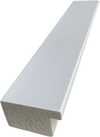
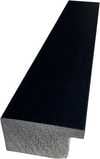
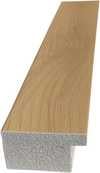
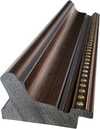
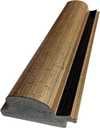
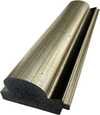
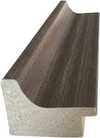
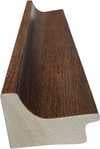
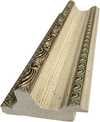
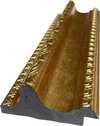
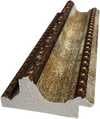
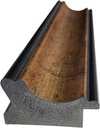
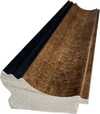
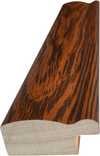
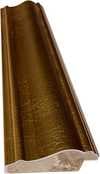
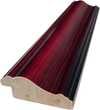
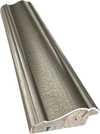
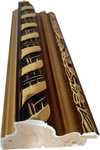
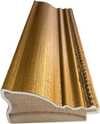
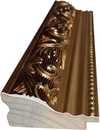
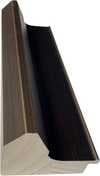
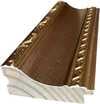
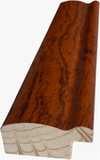
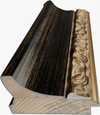
Choisissez parmi nos formats prédéfinis qui respectent les proportions originales de l’œuvre.

Saisissez la largeur et la hauteur souhaitées pour qu'elles s'adaptent à votre cadre ou à votre mur. Une impression peut être recadrée, mais jamais agrandie au-delà de l'image originale ; ainsi, un format de forme différente entraînera la perte d'une partie de l'image. Nous vous envoyons une maquette numérique pour approbation avant toute impression. L'image présentée sur cette page ne montre pas le recadrage réel — seule la maquette le permet.
Livraison dans le monde entier () en 2 semaines au lieu des 4/5 semaines habituelles. (26 décembre)
La production urgente et l'envoi par coursier express ne sont pas disponibles pour l'impression sur poly-toile Economy, qui est expédiée par voie postale standard.
Venice
Format de la reproduction
Livraison internationale () par voie postale classique sous 3 à 4 semaines. (26 décembre)
In the painting Venice by William Wyld, the artist presents a cityscape centered on the waterways and architectural structures of the Italian city. The scene focuses on a canal where various boats are moored, including vessels with sails and smaller gondolas or motorboats. These boats occupy the foreground, positioned along the edge of the waterway. The architecture lining the canal consists of brick buildings featuring arched windows and balconies with wrought iron railings. The facades of these structures display a range of colors, including shades of red, orange, yellow, blue, and green.
The composition includes several prominent landmarks in the background, specifically the Campanile di San Marco, the Basilica di San Marco, and the Palazzo Ducale. These structures rise above the skyline, providing a sense of scale to the urban environment. Above the buildings, the sky contains white clouds against a blue background. The light source originates from the left side of the frame, casting shadows onto the buildings and the boats in the water.
People are present within the scene, contributing to the depiction of canal life. The interaction between the architecture, the various boats, and the figures creates a detailed view of the Venetian urban landscape. The painting captures the specific arrangement of the buildings and the movement of the water within the canal system.
The composition is organized around a central waterway where several boats are moored in the foreground. These vessels vary in design and scale; some feature tall sails, while others take the form of gondolas or motorboats. The water reflects the structures and sky above, creating a sense of depth within the canal. The buildings lining the edge of the waterway are constructed primarily from brick. Their facades display a range of colors, including warm reds, oranges, and yellows, alongside cooler tones of blue and green. Many of these structures include arched windows and balconies fitted with wrought iron railings.
In the background, the skyline is defined by several prominent architectural landmarks. The Campanile di San Marco, the Basilica di San Marco, and the Palazzo Ducale are visible against the horizon. Above these structures, the sky is a clear blue, containing several white clouds that provide a sense of scale and atmosphere. Light enters the scene from the left side, casting soft shadows across the building facades and the moored boats.
The painting is executed in an impressionist style, utilizing loose brushstrokes to define the forms of the Venetian architecture and the movement of the water. These strokes prioritize the immediate impression of light and atmosphere over rigid, sharp outlines. The application of paint creates a textured surface that captures the play of light across the canal. Reflections of the buildings and boats appear on the water's surface, mirroring the colors of the facades and the sky.
The color palette relies on warm hues, including shades of red, orange, and yellow on the brickwork of the buildings. These tones contrast with the cooler blues and greens found in the shadows and the water. The artist uses light to establish a sense of depth and direction, with the primary light source originating from the left side of the composition. This placement casts soft shadows across the boats and the architectural details of the buildings lining the waterway.
Through the deliberate use of color and light, the composition maintains a sense of movement. The interplay between the bright sky, the colored facades, and the reflected light on the canal creates a dynamic visual arrangement. The sky contains white, fluffy clouds that add a sense of volume to the upper portion of the scene. This technical approach focuses on the atmospheric qualities of the Venetian landscape.
Impression : Venice est reproduit sous forme d'impression giclée sur toile de coton ou sur papier d'art de conservation Epson.
Les tailles vont de 25.1 x 39.9 cm (€45) à 157.2 x 249.9 cm (€334) ; le tableau sur cette page présente les principales étapes et leurs prix respectifs.
Les impressions roulées dans un tube sont expédiées gratuitement par voie postale classique sous 3 à 4 semaines ; les impressions sur châssis ou encadrées nécessitent 4 à 5 semaines. La livraison par coursier express est uniquement disponible avec l'option de livraison express payante proposée sur cette page. Vous pouvez les retourner sous 100 jours pour un remboursement intégral, sans condition.
Watercolor

Découvrez l'élégance des peintres rococo italiens comme Canaletto ou Tiepolo. Explorez la collection complète sur WahooArt.com.

Plongez dans les chefs-d'œuvre de Canaletto et l'éclat de Venise. Explorez sa collection de vedutes sur WahooArt.com.

Explorez 25 chefs-d'œuvre de la Gemäldegalerie de Dresde. De Vermeer à Dürer, découvrez ces icônes sur WahooArt.com.

 Aperçu en situation

 Envoyer
 Partager
 Détails de l'œuvre
 Fiche pédagogique


 Télécharger l'image
 Articles similaires
 Radiographie
 Diaporama
 Questions et réponses

 Statistiques


 Description complète de Venice

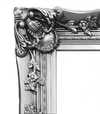
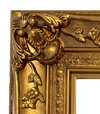
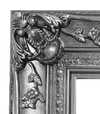


 L'option verre n'est disponible que pour les dimensions inférieures à 110 cm.


