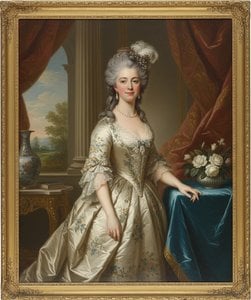
Francis Haymanin dramaattinen visio
1700-luvun brittiläisen taiteen elävässä ja muuttuvassa maisemassa harvalla hahmolla oli Francis Haymanin kaltaista monipuolista loistoa. Exeterissä vuonna 1708 syntynyt Hayman ei ainoastaan tarkkaillut aikakautensa kulttuurista kehitystä, vaan hän muovasi sen visuaalista kieltä aktiivisesti. Hänen matkansa alkoi kaukana Lontoon hienostuneista gallerioista, juurtuen sen sijaan teatterimaisemoinnin katoavaiseen ja jännitteiseen maailmaan. Tämä varhainen uppoutuminan draaman maailmaan antoi hänelle ainutlaatuisen edun; se syvensi hänen ymmärrystään sommittelusta, valosta ja kerronnallisesta jännityksestä, mikä myöhemmin määritteli hänen mestaruutensa rokokoo-tyylissä. Siirtyessään lavastemaalarista itsenäiseksi taiteilijaksi St Martin's Laneen, Hayman toi mukanaan tarinankertojan sielun, joka kykeni muuttamaan staattisen kankaan ikkunaksi teatraaliseen hetkeen.
Haymanin työntyylin esteettinen ydin on syvästi kietoutunut rokokoo-liikkeeseen, aikakauteen, jota leimasivat sulavuus, koristelu ja tietty kepeä eleganssi. Saaden inspiraatiota ranskalaisilta mestareilta, kuten François Boucherilta, Hayman omaksui paletin, joka koostui herkistä pastellisävyistä ja sulavista, rytmisistä siveltimenvedoista. Hänen työnsä ei kuitenkaan ollut koskaan pelkästään koristeellista; se sisälsi klassisiin ihanteisiin pohjautuvaa rakenteellista eheyttä. Lontoon kukoistavien älyllisten piirien kautta hän integroi teoksiinsa mittasuhteiden ja muodon tuntua, mikä antoi hänen muotokuvilleen mahdollisuuden ylittää pelkkä yhdennäköisyys ja vangita sen sijaan luonteen ja yhteiskunnallisen aseman todellinen olemus.
Kuninkaallisen akatemian perintö ja kerronnallinen mestaruus
Haymanin historiallinen merkitys nojaa hänen perustavanlaatuiseen rooliinsa Kuninkaallisen akatemian perustamisessa. Perustajajäsenenä ja instituution ensimmäisenä kirjastonhoitajana hän auttoi luomaan perustan ammatillisille taidevaatimuksille Britanniassa. Tämä vaikutusvaltainen asema mahdollisti hänelle sillan rakentamisen kansan suositun, usein riehakkaan viihteen ja akateemisen eliitin korkeampien pyrkimysten välille. Hänen kykynsä navigoida näissä eri maailmoissa näkyy parhaiten hänen monipuolisessa tuotannossaan, joka ulottuu monumentaalisesta teoksista intiimeihin kuvauksiin.
Hänen taiteellinen repertuarinsa oli hämmästyttävän laaja ja osoitti lahjakkuutta, joka kykeni vaihtamaan tyylilajia saumattomalla vaivattomuudella:
- Teatraaliset ja kirjalliset kohtaukset: Haymanilla oli harvinainen kyky herättää kirjallisuus eloon luomalla vaikuttavia kuvauksia Shakespearen draamasta sekä eläväisiä kohtauksia Don Quixotesta, kuten innostunut hetki, jossa majatalon emäntä ritaroi ritarin.
- Muotokuvataide: Hänestä tuli aikakautensa etsitty kronikoija, joka tallensi legendaaristen näyttelijöiden, kuten David Garrickin, karisman sekä aristokraattisen eleganssin hahmoissa, kuten tohtori Charles Chaunceyssa.
- Koristeelliset tilaukset: Hänen työnsä Vauxhall Pleasure Gardens -puistoille osoitti hänen kykynsä suuren mittakaavan tarinankerrontaan, jossa hän käytti taidetta vahvistaakseen yleisön aistillista kokemusta vapaa-ajasta ja ilosta.
- Raamatulliset ja mytologiset teemat: Teosten, kuten Hyvä samarialainen, kautta Hayman hyödynsi rokokoo-herkkyyttään tutkiakseen myötätunnon, hyväntekeväisyyden ja jumalallisen vuorovaikutuksen syviä teemoja.
Lopulta Francis Haymanin elämä oli todistus visuaalisen tarinankerronnan voimasta. Yhdistämällä näyttämön teatraalisuuden rokokoon hienostuneeseen eleganssiin, hän loi teoskokonaisuuden, joka säilyy elävänä ikkunana valistusaikaan. Hänen perintönsä jatkuu paitsi kankaissa, jotka kantavat hänen nimeään, myös brittiläisen taidehistorian rakenteessa, merkitsemässä hänet todelliseksi edelläkävijäksi, joka auttoi nostamaan maalarin aseman käsityöläisestä akateemiseksi mestariksi.
Kysymykset ja vastaukset
Mistä löytää Francis Hayman teokset järjestettynä värin mukaan?
Värispektri-sivulla Francis Hayman:n teokset on järjestetty värin mukaan.
Missä kaupungissa ja maassa Francis Hayman on syntynyt?
Francis Hayman on syntynyt Exeter, Yhdistynyt kuningaskunta.
Miten löydän tietyn teeman mukaisia Francis Hayman teoksia?
Francis Hayman:n teoksia voi tutkia avainsanoittain artistin Avainsanojen mukaan -sivulla. Jokainen avainsana kokoaa yhteen aiheeseen liittyvät teokset.