

Saat tulostusvalmiin tiedoston, jonka laatu ylittää verkkonäkymän huomattavasti. Jokainen myymämme digitaalinen kuva on peräisin arkistomme korkearesoluutioisesta mestariteoksesta — yleensä 5 000–15 000 pikselin levyisenä — joten voit tulostaa suuria kokoja, rajata tiukasti tai toistaa hienovaraiset yksityiskohdat luottavaisin mielin.
Mikään tiedosto ei lähde studiostamme muuttamatta. Digitaalinen asiantuntija vertaa värejä alkuperäiseen maalaukseen ja korjaa niitä tarvittaessa, minkä jälkeen hän parantaa kuvan selkeyttä ja yksityiskohtia ammattimaisilla retusointityökaluilla — säilyttäen aina uskollisena taiteilijan siveltimenjäljen ja tyylin. Lopputuloksena on kuva, joka näyttää maalaukselta, eikä suodatetulta skannaukselta.
Hyväksyt työn ennen valmistumistaan: asiantuntijamme lähettää kuvan tarkistettavaksi sähköpostitse 72 tunnin kuluessa. Etkö ole tyytyväinen? Pyydä parannuksia tai korjauksia, tai pyydä hyvitystä, mikäli laatu ei vastaa odotuksia.
Tämä on laatua, johon kustantamot, design-studiot, galleriat ja painotalot luottavat.
Lataa korkearesoluutioinen tiedosto henkilökohtaiseen näyttelyyn, tulostamiseen ja luoviin projekteihin. ( Vaihda tulosteeseen Osta käsinmaalattu taideteos)
Kun valitset WahooArt.com-palvelun, et saa vain kuvaa – saat ammattimaisesti viimeistellyn digitaalisen taideteoksen, joka on luotu tarkkuudella ja jonka takaa tulee tyytyväisyystakuu. Tässä on kaikki, mitä tilauksesi sisältää, automaattisesti:
Saat korkearesoluutioisen digitaalisen kuvatiedostosi sähköpostiisi 72 tunnin kuluessa tilauksesta – valmiina käytettäväksi välittömästi.
Teoksesi on optimoitu ammattimaisesti edistyneiden tekoälytyökalujen ja manuaalisen jälkikäsittelyn avulla, mikä takaa maksimaalisen yksityiskohtaisuuden, selkeyden ja väritarkkuuden.
Oletko vahingossa poistanut tai kadottanut tiedostosi? Ei hätää – lähetämme sen sinulle uudelleen milloin tahansa täysin maksutta.
Nauti taiteestasi välittömästi ilman tullimaksuja, veroja tai toimituskuluja – digitaaliset lataukset ovat aina verovapaita.
Varmistamme, että digitaalinen kuvasi vastaa alkuperäisiä värejä mahdollisimman tarkasti käyttämällä ammattilaistason työkaluja ja värinhallintaa.
Jos et ole tyytyväinen digitaaliseen kuvaasi, muokkaamme sitä tai palautamme 100% hinnan 100 päivän kuluessa – kysymystä ei esitetä.
Et ole tyytyväinen? Saat täyden hyvityksen 100 päivän kuluessa digitaalisen tiedostosi vastaanottamisesta – kysymystä ei esitetä.
Osta 3 kuvaa, säästä 10% - Osta 5, säästä 15% - Osta 10+, säästä 20%. Erinomainen valinta luoviin projekteihin, gallerioille ja toimistoille.

London, 1738. A child is born into a city of growing industry and shifting tastes. William Pether enters the world, eventually finding his way to the studio of Thomas Frye. This apprenticeship marks the beginning of a technical obsession with light. By 1761, he is no longer merely a student but a partner to Frye. The partnership provides a foundation for a career defined by the mezzotint—a method where darkness is carved away to reveal brilliance.
The work emerges from deep blacks. He does not simply draw; he excavates. His hands move across copper plates, translating the heavy shadows of Rembrandt and the dramatic, atmospheric lighting of Joseph Wright of Derby into print. In works like The Jewish Bride or A Lecture on the Orrery, the tension lies in the contrast. The light does not just sit on the surface; it seems to struggle against an encroaching gloom.
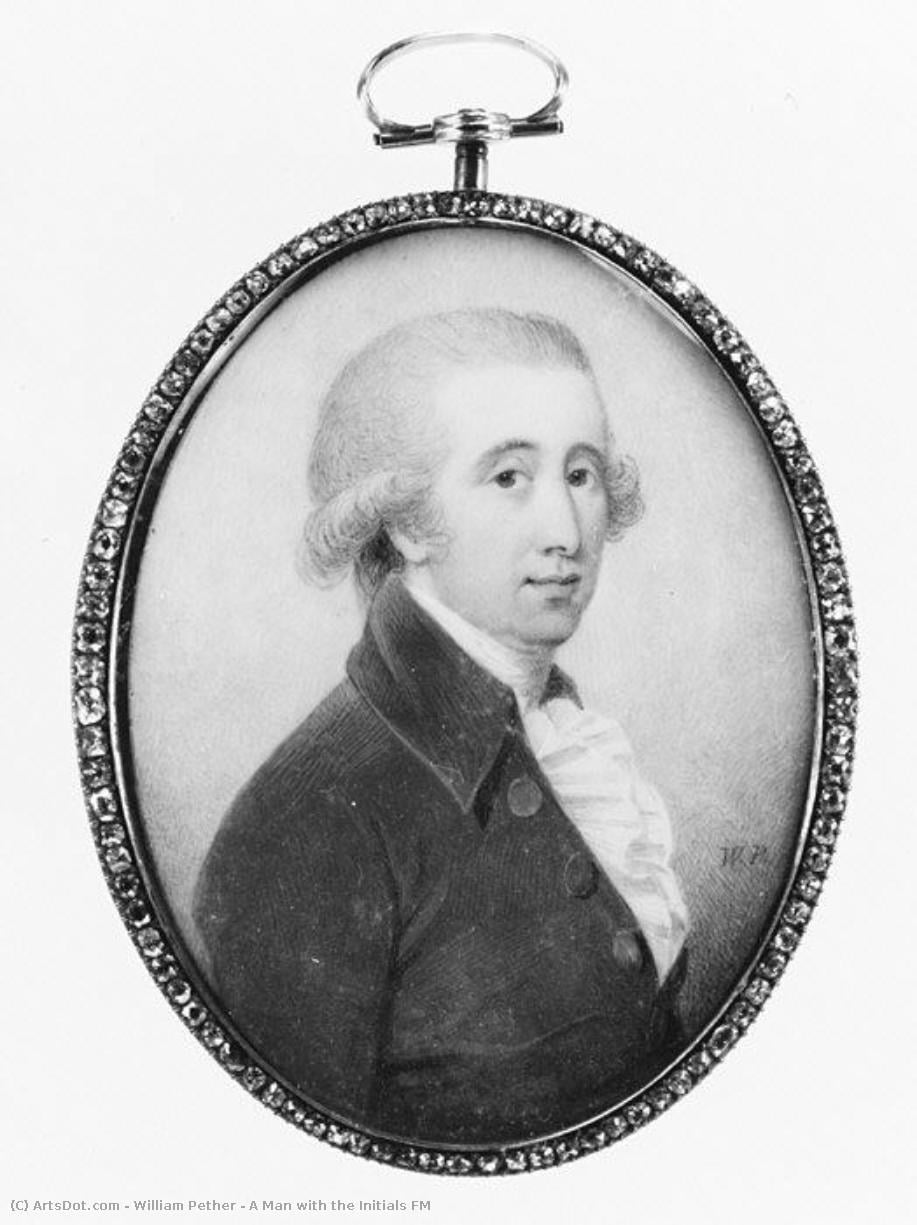
Beyond the heavy grain of the mezzotint, Pether’s hand finds a different scale. He moves from the broad, dark textures of large-scale engravings to the delicate precision of ivory. The transition is sharp. Here, the artist becomes a miniaturist, applying thin layers of paint to create intimate portraits that require a much closer gaze.
His reach extends even to the decorative arts. He applies his skill to the surface of porcelain, decorating objects with the same eye for detail found in his drawings. His repertoire is wide and occasionally unexpected:
The momentum of London life eventually gives way to a more fragmented existence. Pether moves between London, Nottingham, and Bristol. The prestige of being a foundation fellow of the Incorporated Society of Artists and a director of the same body remains, yet his physical presence drifts toward the edges of the capital. In Bristol, the grander ambitions of the engraver settle into the practicalities of a drawing-master and picture-cleaner.
The later years are marked by a quiet retreat from the center of the art world. He engages in engraving portraits of local figures like Edward Colston and Samuel Syer, working within the established traditions of his craft. By the time he reaches Montague Street in Bristol, the man who once captured the dramatic light of the masters has largely faded into obscurity. He dies in 1821, leaving behind a body of work that exists in the delicate balance between the deep shadows of the mezzotint and the fine lines of the miniature.

1738 - 1821
 Esikatselu
 Jaa teos
 Jaa
Jaa
 Tiedot
 Opas
Opas

 Lataa kuva
 Samanlaisia kohteita
 Röntgenkuvaus
 Diaesitys
 Kysymykset ja vastaukset
 Tilastot
 Lue lisää


