Saat tulostusvalmiin tiedoston, jonka laatu ylittää verkkonäkymän huomattavasti. Jokainen myymämme digitaalinen kuva on peräisin arkistomme korkearesoluutioisesta mestariteoksesta — yleensä 5 000–15 000 pikselin levyisenä — joten voit tulostaa suuria kokoja, rajata tiukasti tai toistaa hienovaraiset yksityiskohdat luottavaisin mielin.
Mikään tiedosto ei lähde studiostamme muuttamatta. Digitaalinen asiantuntija vertaa värejä alkuperäiseen maalaukseen ja korjaa niitä tarvittaessa, minkä jälkeen hän parantaa kuvan selkeyttä ja yksityiskohtia ammattimaisilla retusointityökaluilla — säilyttäen aina uskollisena taiteilijan siveltimenjäljen ja tyylin. Lopputuloksena on kuva, joka näyttää maalaukselta, eikä suodatetulta skannaukselta.
Hyväksyt työn ennen valmistumistaan: asiantuntijamme lähettää kuvan tarkistettavaksi sähköpostitse 72 tunnin kuluessa. Etkö ole tyytyväinen? Pyydä parannuksia tai korjauksia, tai pyydä hyvitystä, mikäli laatu ei vastaa odotuksia.
Tämä on laatua, johon kustantamot, design-studiot, galleriat ja painotalot luottavat.
Lataa korkearesoluutioinen tiedosto henkilökohtaiseen näyttelyyn, tulostamiseen ja luoviin projekteihin. ( Vaihda tulosteeseen Osta käsinmaalattu taideteos)
Kun valitset WahooArt.com-palvelun, et saa vain kuvaa – saat ammattimaisesti viimeistellyn digitaalisen taideteoksen, joka on luotu tarkkuudella ja jonka takaa tulee tyytyväisyystakuu. Tässä on kaikki, mitä tilauksesi sisältää, automaattisesti:
Saat korkearesoluutioisen digitaalisen kuvatiedostosi sähköpostiisi 72 tunnin kuluessa tilauksesta – valmiina käytettäväksi välittömästi.
Teoksesi on optimoitu ammattimaisesti edistyneiden tekoälytyökalujen ja manuaalisen jälkikäsittelyn avulla, mikä takaa maksimaalisen yksityiskohtaisuuden, selkeyden ja väritarkkuuden.
Oletko vahingossa poistanut tai kadottanut tiedostosi? Ei hätää – lähetämme sen sinulle uudelleen milloin tahansa täysin maksutta.
Nauti taiteestasi välittömästi ilman tullimaksuja, veroja tai toimituskuluja – digitaaliset lataukset ovat aina verovapaita.
Varmistamme, että digitaalinen kuvasi vastaa alkuperäisiä värejä mahdollisimman tarkasti käyttämällä ammattilaistason työkaluja ja värinhallintaa.
Jos et ole tyytyväinen digitaaliseen kuvaasi, muokkaamme sitä tai palautamme 100% hinnan 100 päivän kuluessa – kysymystä ei esitetä.
Et ole tyytyväinen? Saat täyden hyvityksen 100 päivän kuluessa digitaalisen tiedostosi vastaanottamisesta – kysymystä ei esitetä.
Osta 3 kuvaa, säästä 10% - Osta 5, säästä 15% - Osta 10+, säästä 20%. Erinomainen valinta luoviin projekteihin, gallerioille ja toimistoille.
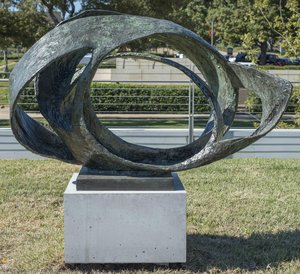
William Kenneth Armitage’s “Figure Lying on Its Side (Version V)” isn’t merely a sculpture; it’s a distilled essence of human experience, rendered in the cool, enduring solidity of bronze. Completed in 1957, this piece stands as a pivotal work within Armitage's oeuvre, embodying his signature style – a deliberate simplification of the human form coupled with an underlying current of unease and existential questioning. The sculpture immediately commands attention not through overt drama, but through its quiet intensity; it’s a study in restraint, inviting prolonged contemplation rather than immediate judgment.
Armitage, emerging from the austerity of post-war Britain, was deeply influenced by the anxieties of his time. His work reflects this, eschewing traditional heroic representations and instead focusing on the vulnerability inherent within the human condition. The figure itself is remarkably ambiguous – neither definitively male nor female, young nor old – existing in a state of suspended animation, caught between repose and imminent movement. This deliberate lack of specificity allows viewers to project their own emotions and experiences onto the sculpture, fostering a deeply personal connection.
Armitage's style is often described as “Geometry of Fear,” a term coined by critics to capture the way he employed sharp angles and fragmented forms to convey a sense of disorientation and psychological tension. “Figure Lying on Its Side” exemplifies this perfectly. The figure’s limbs are elongated, almost skeletal, creating a feeling of precariousness and vulnerability. The subtle curve of the torso is countered by the rigid lines of the chair-like structure attached to its side – an element that simultaneously grounds the sculpture and reinforces its sense of confinement. The bronze itself, chosen for its durability and ability to capture minute details, contributes significantly to the work’s impact; it possesses a tactile quality that invites touch while simultaneously conveying a sense of permanence.
Interestingly, Armitage drew inspiration from ancient art forms, particularly Cycladic sculpture – the enigmatic, abstract figures found on the Greek islands. These primitive forms, devoid of narrative and imbued with an almost ritualistic quality, resonate within Armitage’s work, suggesting a connection to primal human emotions and beliefs. The deliberate simplification of the figure echoes this ancient aesthetic, stripping away extraneous detail to reveal the core essence of form.
The chair-like appendage attached to the figure’s side is particularly intriguing. It can be interpreted as a symbol of societal constraints, representing the pressures and expectations that shape our lives. Alternatively, it might suggest a yearning for connection or support – a desire to anchor oneself in a world often characterized by isolation. The figure's prone position further reinforces this sense of vulnerability, suggesting a state of surrender or perhaps even resignation.
Furthermore, the sculpture’s monochrome palette—a stark contrast against the warm tones of bronze—heightens its emotional impact. The absence of color forces viewers to focus on the form itself, intensifying the feeling of unease and prompting deeper reflection. The work is not about depicting a specific narrative; instead, it invites us to confront our own anxieties and uncertainties.
“Figure Lying on Its Side (Version V)” remains a powerful testament to Armitage’s artistic vision – a poignant exploration of the human condition rendered in bronze. It's a work that rewards repeated viewing, revealing new layers of meaning with each encounter. Reproductions of this sculpture offer an accessible way to experience its profound emotional resonance, bringing its quiet intensity into homes and galleries alike. Its enduring appeal lies not in grand gestures or dramatic displays, but in its ability to capture the subtle complexities of human existence – a reminder that even in moments of vulnerability, there is beauty and significance to be found.
William Kenneth Armitage:n "Figure lying on its side (Version V)"-teoksen käsinmaalattuja kopioita on saatavilla tämä sivusto-sivustolla: käsinmaalattu öljyvärireproduktio pellavakankaalle, ja voit tilata ne suoraan Käsinmaalattu jäljennös-sivulta.
"Figure lying on its side (Version V)" on tehty vuonna 1957 Geometry of Fear-suuntauksen piirissä.
"Figure lying on its side (Version V)" on luokiteltu Recognized tasolle luettelon Geometry of Fear teosten joukossa.


1916 - 2002 , United Kingdom
 Jaa teos
 Jaa
Jaa
 Tiedot
 Opas
Opas

 Lataa kuva
 Samanlaisia kohteita
 Diaesitys
 Kysymykset ja vastaukset
 Tilastot


 Lue lisää