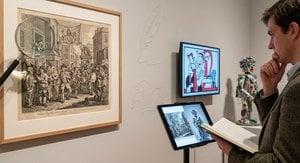
William Hogarth: A London Life in Ink and Paint
William Hogarth, syntyvä Lontoon vilkkaaseen sydämeen vuonna 1697, oli paljon enemmän kuin pelkkä taiteilija; hän oli visuaalinen historioitsija, tarkkanäköinen ihmisluonnon havaintoja tekevä ja satiirinen kommentaattori oman aikansa yhteiskunnallisista nyansseista. Hänen elämänsä on tiiviisti sidottu Englannin kudokseen aikana, jolloin maa koki merkittävää muutoskurssia – sen kohoavia kunnianhimuja, piileviä huolenaiheita ja läpäisevää epärehellisyyttä, jotka kaikki ilmensivät voimakkaasti hänen huomattavan yksityiskohtaisen ja usein terävän huumorin teoksissaan. Hänen lapsuutensa, jonka hän vietti köyhyysolossa latinankoulun opettajan poikana, sisälsi jo varhain sekä intohimoa oppimista kohtaan että terävää tietoisuutta sosiaalisista epätasa-arvoista – pohjan, joka osoittautui ratkaisevaksi hänen taiteellisen näkökulmansa muotoilussa. Aluksi harjoittelijana kaivertajassa hän osoitti nopeasti lahjakkuutta, joka ulottui paljon pelkän teknisen taitavuuden yli; hänellä oli luontainen kyky havainnoida ihmisten käyttäytymisen hienovaraisuuksia ja kääntää ne vakuuttaviksi visuaalisiin tarinoihin. Kuitenkin hän vastusti perinteisen kaivertamisen rajoituksia, etsien ilmaisuvoittoisampaa kanavaa omiin kasvaviin luovuuteensa. Tämä johti opiskeluun St Martin’s Lane Academiassa ja Sir James Thornhillin johdolla, jossa hän hioja taitojaan maalauksessa ja kompositiossa, imiessään vaikutteita, jotka myöhemmin muovasivat hänen ainutlaatuisen tyylinsä.
Modernin Moraalisen Taiteen Synty
Hogarthin todellinen innovaatio ei ollut *mitä* hän maalasi, vaan *kuinka*. Hän loi ja popularisoi käsitteen ”modernit moraaliset aiheet” – kuvakokonaisuuksia, jotka on suunniteltu kertomaan tarina, usein täynnä vahvaa satiirista sävyä. Nämä eivät olleet erillisiä muotokuvia tai maisemia; ne olivat visuaalisia romaaneja, jotka avattiin katsojan silmille, tarjoten tarkkoja kommentteja nyky-yhteiskunnasta.
A Harlot’s Progress, luotu vuonna 1742, on yksi hänen kuuluisimmista teoksistaan. Tämä kuuden maalauksen sarja seuraa huolellisesti Maryn, nuoren naisen, joka saapuu Lontooseen täynnä toivoa, mutta nopeasti succumbs kaupungin houkutuksiin ja vaaroihin. Jokainen kohtaus on maalattu huolellisuudella, täynnä symbolisia elementtejä, jotka paljastavat hänen ympäröivän moraalin rappeutumisen. Samoin
A Rake’s Progress, aloitettu vuonna 1733, kartoittaa Tom Rakewellen, rikkaamman miehen, huonojen valintojen ja hulluuden laskua. Nämä eivät olleet pelkästään varoittavia tarinoita; ne olivat armottomia kuvauksia yhteiskunnasta, joka kamppaili luokkayhtälöiden, moraalin ja sosiaalisen liikkuvuuden kanssa. Hogarthin lahjakkuus piirtyi kyvyssä nostaa arkipäiväiset näkymät – Lontoon vilkkaat kadut, rikkauksien loisteliaat sisätilat, köyhien elämän synkkyys – taiteelliseksi ilmentymäksi, joka resonoi syvästi hänen yleisönsä kanssa. Hän ei vältellyt kuvaamasta yhteiskunnan karuja todellisuuksia, esittäen ne yhdistelmänä huumoria ja myötätuntoa, pakottaen katsojat kohtaamaan epämiellyttäviä totuuksia itsestään ja yhteiskunnastaan.
Tekniikka ja Vaikutukset: Monipuolisten Tyylien Synteesi
Hogarthin taiteellinen tyyli oli ainutlaatuinen yhdistelmä erilaisia vaikutteita. Hän arvosti suuresti hollantilaisen genremaalauksen realismia ja tarinankerrontaa, kuten Pieter de Hoochin töissä havaittavaa tarkkuutta arkielämän kuvaamisessa. Myös Ranskan tuottamat satiiriset painokuvat vaikuttivat hänen lähestymistapansa sosiaaliseen kommentaariin. Hogarth ei kuitenkaan ollut vain kopioimassa näitä lähteitä; hän synteesoi ne johonkin täysin uuteen ja selvästi omiin tyyliinsä. Hänen tekniikkansa oli tunnettu mestarillisesta käytöstään viivasta ja varjoista, mikä on erityisesti havaittavissa kaiverruksissaan. Hän käytti omaperäistä ristikuviointitekniikkaa, joka loi syvyyttä ja tekstuuria, tuoden näkymät eloon huomattavan selkeästi. Hänellä oli myös poikkeuksellinen silmä komposiitioon, järjestäen hahmot ja esineet kehyksen sisälle luomaan dynaamisia ja kiinnostavia tarinoita. Ulkopuolella taiteesta Hogarth oli vaikuttunut erityisesti kirjallisuudesta, erityisesti Jonathan Swiftin ja Henry Fieldingin teoksista, joiden satiirinen huumori vaikutti hänen omaan sosiaaliseen tarkkailuunsa. Hän uskoi taiteen ei tulisi olla pelkästään kaunista, vaan myös palvella moraalista tarkoitusta, haastaen katsojat pohtimaan maailmaa ympärillään ja paikkaansa siinä.
Perintö ja Kestävää Vaikutusta
Hogarthin vaikutus ulottuu taiteen 1800-luvun taiteellisen identiteetin ylittämiseen. Hänen teoksiaan tuotti massatuotanto painokuvina, mikä teki hänen satiirista kommentaaristaan saavutettavissa suuremmalle yleisölle kuin koskaan ennen. Hänet pidetään laajalti modernin poliittisen sarjakuvan edeltäjänä ja sarjakuvien edeltäjänä, luoden visuaalista tarinankerrontaa populaarikulttuuriin. Taiteilijoita kuten James Gillray ja George Cruikshank vaikuttivat suoraan hänen tyylinsä kautta. Jopa Charles Lamb, kuuluisa esseisti, tunnusti Hogarthin kuvien tarinallisen voiman, huomauttaen, että ne olivat "kirjoja, joita luetaan eikä pelkästään tarkastella".
- Hogarth perusti selvästi brittiläisen taiteellisen identiteetin.
- Hänen teoksensa tarjoaa arvokkaita näkemyksiä 1700-luvun Englannista.
- Hän vaikutti useiden taiteilijoiden ja satiirikkojen sukupolviin.



 Esikatselu
 Vaihda tulosteeseen
 Jaa
Jaa Jaa
Jaa
 Tarkemmat tiedot

 Lataa
Lataa
 Samanlaisia
 Röntgenkuva
 Diaesitys
 Tilastot

 Näytä lisää






































 Lasivaihtoehto on saatavilla vain alle 110 cm kokoisina teoksina