


x


Käsinmaalattu öljyväri kankaalle haluamassasi koossa ja kehyksissä, taiteilijoidemme valmistamana tilauksesta.





























Valitse valmiista mitoistamme sellaiset, jotka vastaavat teoksen alkuperäisiä mittasuhteita.

Voit syöttää omat mitat sopimaan tiettyyn kehykseen tai tilaan. Jos valitsemasi koko ei vastaa alkuperäisen kuvan mittasuhteita, rajaamme taideteoksen tai jatkamme maalausta käsin maalatuilla elementeillä. Digitaalinen esikatselu lähetetään hyväksyttäväksi ennen tuotannon aloittamista.
Huomioithan, että näytöllä oleva esikatselu ei vastaa todellista rajausta tai jatkamista. Vain digitaalinen mallikuva näyttää lopullisen sommittelun tarkasti.
Vaikka mittatilaustyöt ovat mahdollisia, suosittelemme valitsemaan mitan ennalta määritetystä listasta alkuperäisten mittasuhteiden säilyttämiseksi.
Maailmanlaajuinen toimitus () 3–4 viikossa tavallisen 5 viikon sijaan. (1 heinäkuu). Laadusta ei tingitä.


Gossips, (painting)
Replikaatin koko


William Edward Norton (1843-1916) wasn’t merely a painter; he was an interpreter of the ocean’s moods, a translator of its vastness into meticulously rendered canvases. Born in Boston, his lineage intertwined with the very fabric of maritime life – his family were shipbuilders, and from a young age, Norton spent his days immersed in the sights, sounds, and smells of the harbor. This intimate connection to the sea became the bedrock of his artistic vision, shaping his lifelong pursuit of capturing its essence on canvas. Unlike many artists who sought grand, heroic subjects, Norton focused on the quieter, more contemplative aspects of coastal life – the subtle shifts in light upon the water, the weathered faces of fishermen, and the dignified presence of sailing ships against a dramatic sky.
Norton’s early artistic development was profoundly influenced by George Inness, a prominent American painter known for his atmospheric landscapes and tonalist style. Inness's emphasis on capturing mood and atmosphere rather than precise detail resonated deeply with Norton, guiding him to prioritize the emotional impact of his scenes over photographic realism. He studied at the Lowell Institute in Boston, absorbing Inness’s techniques and developing a distinctive approach characterized by soft gradations of color, diffused light, and a remarkable ability to evoke a sense of depth and tranquility. This influence is particularly evident in works like “Gossips,” a captivating depiction of fishermen mending their nets – the figures are rendered with a gentle softness, blending seamlessly into the hazy coastal background.
Norton’s artistic journey was inextricably linked to his seafaring experiences. He spent several summers on the coast of Maine, a period that proved formative for his artistic development. These voyages weren't merely recreational; they provided him with invaluable firsthand knowledge of coastal landscapes, weather patterns, and the rhythms of maritime life. He sailed on family-owned ships, witnessing firsthand the challenges and rewards of seafaring – experiences he later translated into powerful visual narratives. This direct engagement with the sea instilled in him a deep respect for its power and beauty, as well as an understanding of the lives intertwined with it.
Beyond his personal voyages, Norton’s artistic interests extended to European travel. He spent several years studying in Paris, immersing himself in the vibrant art scene and absorbing the techniques of contemporary masters. This exposure broadened his artistic horizons, introducing him to new approaches to color, composition, and subject matter. His time in Europe allowed him to refine his style and develop a more sophisticated understanding of artistic principles.
William Edward Norton’s legacy extends beyond his individual paintings; he represents a pivotal figure in American marine art, bridging the gap between tonalism and a more direct engagement with the subject matter of coastal scenes. His work continues to resonate with viewers today, offering a poignant reminder of the enduring beauty and power of the sea. His influence can be seen in subsequent generations of seascape artists who sought to capture the emotional essence of coastal landscapes. Norton’s paintings are now housed in prominent collections such as the Museum of Fine Arts, Boston, and the Smithsonian American Art Museum, ensuring that his artistic vision will continue to inspire and captivate audiences for years to come.

1843 - 1916

Explore the captivating world of Henry Thomas Dawson (1811-1878), a master of Victorian marine painting. Discover his evocative coastal scenes, landscapes & lasting artistic legacy. Learn about collecting Dawson's work and find reproductions at WahooArt.

Explore the captivating world of William Bradford, American Romanticist painter renowned for his dramatic Arctic seascapes & ship portraits. Discover his artistic evolution, influences, and lasting legacy with WahooArt.
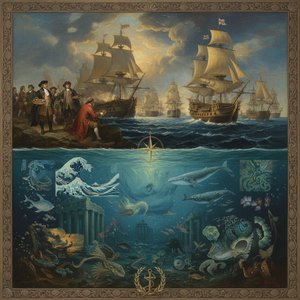
Explore the rich history of marine painting with WahooArt. Discover Dutch Masters, Romantic seascapes & renowned artists like Wyllie and Harris. Expert guidance for collectors & custom reproductions.

Explore the captivating Orientalist paintings of John Frederick Lewis! Discover his mastery of detail, genre scenes & influence on 19th-century British art. Learn about his life, techniques & legacy at WahooArt.
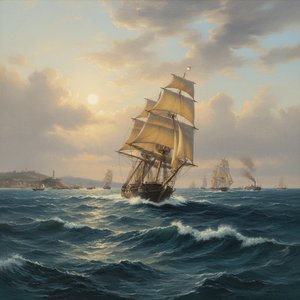
Explore the captivating world of James Edward Buttersworth, a foremost Victorian marine painter. Discover his meticulous ship portraits, America's Cup chronicles & enduring legacy in museums worldwide. Learn about his technique and style.


Pysy ajan tasalla uusimmista taideuutisista, eksklusiivisista tarjouksista ja sisustusideoista.
Kerro meille projektistasi, niin taideasiantuntijamme tarjoavat sinulle kolme henkilökohtaista taidesuositusta.
Anna meidän kuratoida 3 vaihtoehtoa juuri sinulle – Ilmaiseksi!
 Tilaa painos
 Jaa
Jaa Jaa
Jaa
 Details

 Lataa
Lataa
 Samanlaisia
 X-Ray
X-Ray Diaesitys







 Lue lisää
 Lasivaihtoehto on saatavilla vain alle 110 cm kokoisina teoksina


