

Museolaatuisia giclée- tai kankaitaulun tulosteita nopealla tuotannolla ja joustavilla viimeistelyvaihtoehdoilla. ( Osta käsinmaalattu taideteos Siirry digitaaliseen kuvaan)





























Valitse valmiista mitoistamme sellaiset, jotka vastaavat teoksen alkuperäisiä mittasuhteita.

Syötä tarvitsemasi leveys ja korkeus, jotta tuloste sopii kehyksiisi tai seinällesi. Tulostetta voidaan vain leikata, sitä ei voida koskaan suurentaa alkuperäistä kuvaa suuremmaksi, joten eri muotoinen koko aiheuttaa osan kuvasta katoamisen. Lähetämme sinulle digitaalisen mallikuvan hyväksyttäväksi ennen kuin aloitamme tulostuksen. Tällä sivulla näkyvä kuva ei näytä lopullista rajausta — vain mallikuva näyttää sen.
Maailmanlaajuinen toimitus () 2 viikossa tavallisen 4–5 viikon sijaan. (10 marraskuu)
Wilson Lowry
Replikaatin koko
William Blake’s monochrome engraving, “Wilson Lowry,” is more than just a portrait; it's a meticulously crafted study of human form and the power of line. Created around 1825, this piece offers a rare glimpse into the world of 18th-century London through the discerning eye of one of history’s most visionary artists. The subject, Wilson Lowry himself – an engraver and illustrator – is presented in profile within a restrained oval frame, immediately establishing a formal yet intimate connection with the viewer. Blake's genius lies not merely in depicting a man, but in capturing his essence through the deliberate manipulation of line density, creating a remarkably textured surface that mimics hair, fabric folds, and the subtle contours of face and body.

Blake’s technique is a testament to his mastery of engraving. He eschewed the use of shading through hatching or cross-hatching, instead relying entirely on varying line weight – thicker lines representing darker areas, while thinner lines delineate lighter tones. This approach creates an astonishingly rich and dynamic surface, imbuing the portrait with a sense of depth and volume. The meticulous detail evident in every stroke speaks to Blake’s dedication and precision, reflecting his deep understanding of printmaking principles. Notably, this engraving was produced as part of a series, suggesting a deliberate consideration of composition and visual harmony. It's a remarkable demonstration of how seemingly simple lines can convey complex emotions and narratives.
“Wilson Lowry” is firmly rooted in the late 18th and early 19th centuries, a period of dramatic social and artistic change. William Blake’s work emerged during the Romantic Age, a time characterized by a renewed interest in emotion, imagination, and the sublime. The portrait reflects the prevailing neoclassical ideals of formality and dignity, while simultaneously hinting at Blake's own unique and often unconventional worldview. Considering that Blake was largely self-taught, his technical skill is all the more impressive. The engraving’s creation coincided with the rise of industrialization and a growing sense of social unrest – themes that would later permeate Blake’s prophetic poetry.
While seemingly straightforward in its depiction, “Wilson Lowry” is rich in symbolic potential. The formal pose and dignified expression suggest respect for the subject, but also a subtle sense of melancholy or introspection. Blake frequently imbued his works with layers of meaning, drawing upon biblical imagery, mythology, and personal spiritual beliefs. It’s important to note that this engraving was created as part of a larger series, and its placement within the context of Blake's broader artistic output reveals deeper thematic connections. The portrait serves not just as a likeness but as a window into the artist’s complex inner world.
WahooArt offers meticulously crafted, hand-painted reproductions of “Wilson Lowry” that capture the essence of this iconic artwork. Our skilled artists replicate Blake's intricate line work and subtle tonal variations with exceptional precision, ensuring a faithful representation of his original vision. Whether you’re an art enthusiast, collector, or seeking to add a touch of timeless elegance to your interior space, our reproductions provide a beautiful and authentic way to experience the enduring power of William Blake’s “Wilson Lowry.” Explore the full artwork details on our website: https://www.WahooArt.com/en/art/william-blake-wilson-lowry-8EWSFG-en/
William Blake:n "Wilson Lowry" esittää Unified Palette väriharmoniaa.
Saadaksesi teoksen William Blake:n "Wilson Lowry" digitaalisen tiedoston, tilaa korkearesoluutioinen digitaalinen kuvalataus sen Digitaalinen teos -sivulta.
Romantic-tunnelmansa ansiosta "Wilson Lowry" sopii erinomaisesti tilaan Living Room.

William Blake syntyi 28. marraskuuta 1757 Englannin Lontoossa. Hänen lapsuudenkotinsa sijaitsi isän hattu- ja sukkakaupan yläpuolella Broad Streetin osoitteessa 28. Hänen vanhempansa, James Blake ja Catherine Wright Armitage Blake, loivat vakaan perheen ympäristön aikana, jolloin kaupunki koki valtavia sosiaalisia muutoksia. Vaikka kasvatus tapahtui vaatimattomissa oloissa käsityöläisperheen arjen keskellä, Blakein varhaisvuosia määritti poikkeuksellisen voimakas ja intensiivinen mielikuvitus. Tämä sisäinen maailma ei ollut vain lapsen leikkiä, vaan se ilmeni usein näkyvinä visioina; hän saattoi nähdä enkeleitä puiden oksilla lapsuudenretkien aikana, mikä ennusti hänen tulevaa taiteellista polkuaan.
Muodollinen taideopinto alkoi kymmenvuotiaana, kun hänet kirjattiin Henry Pars'n piirustuskouluun. Tämä varhainen opastus loi teknisen pohjan uralle, joka laajeni paljon pelkkää luonnostelua syvemmälle. Neljätoista vuoden iässä käytännön työn tarve johti hänet seitsemän vuotta kestävyyteen kaivertaja James Basiren oppipoikana. Tämä ajanjakso oli ratkaiseva hänen kehitykselleen, sillä se tutustutti hänet painotekniikan kurinalaisiin mekanismeihin sekä metallin ja hapon fyysisiin ominaisuuksiin, jotka myöhemmin muovasivat hänen ainutlaatuista tyyliään.
Oppipoikavuotensa aikana Blake vietti merkittävän osan ajastaan luonnostellen Westminster Abbeyn hautamuistomerkkejä. Goottilainen arkkitehtuuri ja näiden monumenttien sään piiskaama, kulunut kivi jättivät pysyvän jäljen hänen esteettiseen tajuntaansa. Nämä tutkimusmatkat menneisyyden muotoihin antoivat hänelle mahdollisuuden sisäistää historian visuaalinen kieli, jota hän myöhemmin tulkitsisi täysin omalla, ainutlaatuisella tavallaan. Hänen koulutuksensa ei ollut pelkkää ammatillista harjoittelua, vaan syvällistä uppoutumista historian ja rakenteen visuaaliseen kieleen, joka muovasi hänen sielunsa taiteellista muotoa.
William Blaken luova prosessi määräytyi levottomasta halusta yhdistää kirjoitettu sana ja visuaalinen kuva toisiinsa. Hän pyrki kaukana aikakautensa tavanomaisista kaupallisista kaiverruksista kehittämään ainutlaatuisen reliefikaiverrusmenetelmän valaistuihin kirjoihinsa. Tämä tekniikka sisälsi happovastaisen lakkan levittämisen kuparilevyille, mikä mahdollisti tekstin ja kuvituksen kaivertamisen samaan, yhtenäiseen muotoon. Tämä menetelmä ei ollut pelkästään tekninen valinta, vaan ennen kaikkea hengellinen; hän väitti, että prosessi paljastui hänelle visionäärisen kokemuksen kautta veljensä Robertin kuoleman jälkeen. Työskenneltyään rinta rinnalla vaimonsa Catherinein kanssa, joka avusti painamisessa ja värittämisessä, hän hallitsi koko tuotantoprosessin ensimmäisestä kaiverruksesta kirjojen lopulliseen ompeluun saakka.
Hänen estetiikkansa oli tietoinen poikkeama aikansa jäykistä säännöistä. Hän hylkäsi perinteisen lineaarisen perspektiivin käytön, jonka tavoitteena oli jäljitellä fyysistä maailmaa, ja suosi tilan emotionaalisempaa ja symbolisempaa esittämistapaa. Tämä visuaalisen kentän litistyminen antoi hänelle mahdollisuuden asettaa visioidun sisäisen logiikan naturalismin rajoitteiden edelle. Tuodakseen nämä näyt kohdalle, hän käytti usein vesivärejä ja temperaa, levittäen väriä käsin painetuille arkille saavuttaakseen tietynlaisen, hyvin henkilökohtaisen tekstuurin. Hänen työnsä oli sekä käden että hengen ponnistus, jota hän usein loi Lontoon kotinsa hiljaisuudessa.
William Blaken uran varhaiset tuotokset saivat alkunsa Poetical Sketches -kokoelman julkaisulla vuonna 1783. Tätä ensimmäistä runokokoelmaa seurasivat hänen tunnetuimmat lyriset saavutuksensa: vuonna 1789 ilmestyneet Songs of Innocence ja vuonna 1794 Songs of Experience. Nämä teokset loivat jatkuvan jännitteen hänen kirjoitustapaansa, tutkien syvällisesti vastakohtaa viattoman lapsuuden tilan ja aikuisuuden todellisuuden korruption välillä. Vuosien 1790 ja 1793 välisenä aikana hän loi The Marriage of Heaven and Hell -teoksen, provokatiivisen kokonaisuuden, joka haastoi vakiintuneita moraalisia ja uskonnollisia oppeja niin proosalla kuin runoudella.
Hänen kytkeytymisensä aikakautensa poliittisiin myllerryksiin löysi ilmaisunsa hänen profeettisissa kirjoissaan. Hän tuotti teokset America, a Prophecy vuonna 1793 ja Europe, a Prophecy vuonna 1794, jotka heijastivat ajan vallankumouksellista henkeä. Nämä julkaisut eivät olleet pelkkiä tekstejä, vaan integroituja visioita, joissa syövytetty kuva ja kirjoitettu sana toimivat yhtenäisenä kokonaisuutena. Hänen myöhemmät vuotensa leimattiin laajoilla ja monimutkaisilla projekteilla, jotka vaativat vuosia kestävää, uutteraa työtä.
Elämänsä loppuvaiheessa Blake keskittyi valtavien ja yksityiskohtaisten syklisyyksien kehittämiseen. Hän työskenteli Milton-sarjan parissa vuosien 1804 ja 1808 välisenä aikana, ja hänen viimeinen suuri ponnistuksensa, Jerusalem, piti häntä työllistyneenä vuodesta 1804 aina vuoteen 1820 asti. Nämä teokset edustavat huipentumaa hänen koko elämänsä mittaiselle pyrkimykselle rakentaa oma, yksityinen mytologia – pyrkimys, joka tavoitteli ihmishengen ja jumaluuden sovittamista toisiinsa äärimmäisen henkilökohtaisen symbolisen kielen kautta.
William Blaken elämän taloudellinen todellisuus oli usein jatkuvaa kamppailua vakaudesta. Suurimman osan urastaan hän ansaitsi elantonsa liikkuvana kaivertajana, ottamalla vastaan kaupallisia tilauksia selviytyäkseen arjesta. Noin vuonna 1784 hän yritti luoda itselleen pysyvämmän ammatillisen pohjan perustamalla painopajan ystävänsä ja entisen oppipoikansa James Parkerin kanssa. Tämä yritys ei kuitenkaan tuonut hänelle tarvittavaa pitkäaikaista turvaa. Sen sijaan hänen toimeentulonsa nojasi usein muutaman omistautuneen suojelijan vakaaseen tukeen, joista merkittävin oli Thomas Butts, jonka suojelus tarjosi elintärkeän elämänlankatiedon taiteilijan syvällisemmille ja henkilökohtaisemmille pyrkimyksille.
Hänen ammatillinen maantieteensä muuttui elämänolosuhteiden vaihdellessa. Vuosien 1800 ja 1803 välisenä aikana Blake muutti rannikkokaupunki Felphamiin. Tänä aikana hän eli ja työskenteli William Hayleyn suojeluksessa. Felphamin aika tarjosi tilapäisen hengähdyshetken Lontoon kaupungin paineista, mikä antoi hänelle mahdollisuuden keskittyä monimutkaisiin ja laajoihin teossarjoihinsa. Vaikka hän joutui navigoimaan virallisten tilausten vaatimusten keskellä, hänen työnsä pysyi syvästi kytkettynä niiden ihmisten tarpeisiin, jotka tukivat hänen visioitaan; hän tasapainotti usein muiden puolesta tehtyjen kaiverrusten käytännön vaatimukset omien, valaistujen painotuotteidensa yksityisen ja henkisen työn välillä.
William Blaken elämän aikana hänen visionäärinen maailmankuvansa kohtasi usein väärinymmärrystä, ja hänen teoksiaan pidettiin usein eksentrisen tai epävakaan mielen tuotoksina. Hän eli suhteellisen unohdetun elämää, kamppaillen usein toimeentulostaan engraverina. Silti juuri ne ominaisuudet, jotka marginaalisoivat hänet 1800-luvun alussa, varmistivat lopulta hänen asemansa romantiikan ajan keskeisenä hahmona. Hänen peräänantamaton uskonsa mielikuvituksen ensisijaisuudesta järjen rajoitteisiin loi pohjan niille, jotka myöhemmin pyrkivät murtamaan perinteiset akateemiset rakenteet.
Hänen ainutlaatuisen tyylinsä vaikutus ulottui lopulta paljon oman piirinsä ulkopuolelle. Esirauhavelit eli Pre-Raphaelite Brotherhood omaksui hänet sukulaishenkeen, löytäen yhteistä säveltä hänen hylätystään uusklassisen taiteen konventioista. Vuosikymmenten kuluessa hänen vaikutuksensa levisi symbolismin ja modernismin liikkeisiin, löytäen kaikuja niiden jaetusta kiinnostuksesta subjektiiviseen kokemukseen ja hengelliseen syvyyteen. Hän ei ainoastaan kuvittanut runoja; hän rakensi oman yksityisen mytologiansa, joka toimii edelleen inspiraation lähteenä runoilijoille, taiteilijoille ja ajattelijoille eri taiteenaloilla.
William Blaken visionäärisen maailmankaikkeuden fyysiset jäänteet ovat siroteltuna useisiin merkittäviin instituutioihin, mikä heijastaa hänen vaikutuksensa globaalia ulottuvuutta. Lontoossa Tate Gallery säilyttää kuusi hänen teostaan, mukaan lukien merkittävä vuoden 1795 kuvaus Isaac Newtonista. Tämä kokoelma tarjoaa syvällisen katsauksen tekniseen tarkkuuteen, jota hän sovelsi kaiverruksiinsa, sekä tapaan, jolla hän käänsi monimutkaiset hengelliset käsitteet visuaaliseen muotoon.
Atlantin takana hänen läsnäolonsa tuntuu useissa arvostetuissa amerikkalaisissa kokoelmissa. New Havenissa sijaitseva Yale Center for British Art pitää hallussaan neljää teosta, kuten vuoden 1804 painoksen Los Entering the Grave. Samaan aikaan Bostonin Museum of Fine Arts on hankkinut neljä kappaletta, mukaan lukien hänen vuoden 1808 luonnoksensa Adam and Eve Sleeping. Nämä kokoelmat mahdollistavat vertailevan tutkimuksen hänen kehityksestään kaupallisesta kaivertajasta itsenäisten, illuminoitujen teosten luojaksi.
Hänen vaikutuspiirinsä ulottuu vielä kauemmas eteläiselle pallonpuoliskolle. Melbournessa sijaitseva National Gallery of Victoria sisältää yhden teoksen, vuoden 1827 työn nimeltä Antaeus setting down Dante and Virgil in the last circle of hell. Tämä yksittäinen läsnäolo Australiassa korostaa jatkuvaa kansainvälistä kiinnostusta hänen omaperäistä ja syvästi henkilökohtaista mytologiaansa kohtaan.

1757 - 1827 , Yhdistynyt kuningaskunta
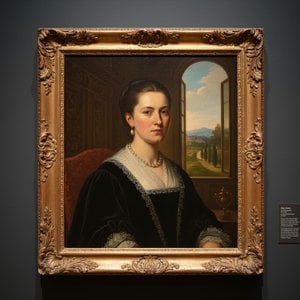
Explore the profound legacy of classical portraiture. From the dramatic chiaroscuro of the Old Masters to exquisite hand-painted oil reproductions, discover how timeless elegance and masterful technique continue to inspire collectors and art enthusiasts worldwide.

Explore the profound mastery of engraving and intaglio printmaking. Delve into the rich history, technical precision of the burin, and the enduring legacy of fine art techniques that shaped the world's most iconic masterpieces.
 Esikatselu
 Jaa teos
 Jaa
Jaa
 Tiedot
 Opas
Opas

 Lataa kuva
 Samanlaisia kohteita
 Röntgenkuvaus
 Diaesitys
 Kysymykset ja vastaukset
 Tilastot

 Lue lisää









 Lasivaihtoehto on saatavilla vain alle 110 cm kokoisille teoksille


